How to Determine if Canola Oil Is a Seed Oil
Are you often confused about whether the oils you’re using are truly from seeds or just labeled as vegetable oils? You’re not alone—many people struggle with identifying authentic seed oils amid the many options on store shelves.
Knowing the difference can help you make healthier choices and better understand what you’re putting into your body.
To determine if canola oil is a seed oil, check its label for specific mentions like “canola” or “rapeseed,” indicating it’s extracted from seeds. Confirm the ingredient list so it’s not just a generic vegetable oil.
Knowing how it’s processed—cold-pressed or refined—can also help.
Since seed oils come from plant seeds, understanding these details guarantees you’re choosing authentic options.
Keep exploring, and you’ll uncover more about how different seed oils differ and what to look for.
Key Takeaways
- Check the ingredient list for “canola oil” or “rapeseed oil” to confirm its source.
- Verify that the oil is labeled as pressed or cold-pressed, which indicates seed extraction.
- Make sure the packaging specifies “seed oil” rather than vague terms like “vegetable oil.”
- Look for product labels that confirm the oil comes from seeds, not other plant parts.
- Seek minimal processing labels like “cold-pressed” or “unrefined” to identify seed oil extraction methods.
Is Canola Oil a Seed Oil? Here’s What You Need to Know
Is canola oil truly a seed oil? The answer is yes. Canola oil comes from seed origins, specifically from the seeds of the canola plant, a type of rapeseed. It’s pressed or extracted from these seeds, making it a classic example of a seed oil.
You might wonder if it’s different from other plant-based oils, but its origins remain rooted in seeds. Canola oil’s mild flavor and high smoke point make it popular for cooking, but its seed origins are the key factor that classifies it as a seed oil.
The plant’s seeds contain oils that are processed to produce the liquid used in your kitchen. Understanding the seed origins helps you distinguish canola oil from other oils that might come from fruits or nuts.
What Are Seed Oils and How Are They Made?
Seed oils are made by extracting oil from the seeds of plants. There are a few different ways to do this, like pressing the seeds to squeeze out the oil or using chemical solvents to help extract more oil.
You’ll find all sorts of seed oils out there, like canola, sunflower, and soybean oils. Each type has its own process for how it’s made, which can affect its quality and nutritional profile.
Knowing how these oils are produced can help you make better choices about what to use in your cooking and understand their potential effects on your health.
Extraction Methods Used
Extraction methods play an essential role in determining the quality and characteristics of seed oils. Cold pressing involves mechanically crushing seeds at low temperatures, preserving nutrients and flavor, and avoiding chemical residues. It’s a gentle process that retains more of the seed’s natural properties.
In contrast, solvent extraction uses chemicals like hexane to dissolve the oils from seeds, making it more efficient for large-scale production. After extraction, the solvent is typically removed, but trace residues may remain.
Both methods impact the oil’s purity, nutritional value, and flavor. Cold pressing is favored for higher-quality, minimally processed oils, while solvent extraction is common in commercial settings for maximum yield.
Understanding these methods helps you determine the purity and processing level of canola oil.
Types of Seed Oils
Seed oils are extracted by getting fats from different plant seeds and are commonly used in cooking and food production. You’ll find many types, including sunflower oil, soybean oil, flaxseed oil, sesame oil, grapeseed oil, pumpkin seed, hemp seed, safflower oil, chia seed, and corn oil.
Each oil comes from a different seed and has its own unique qualities, flavors, and uses. For example, sunflower and safflower oils are light and neutral, making them great for frying and baking. Flaxseed and chia seed oils are high in omega-3s and are often used in dressings or as supplements.
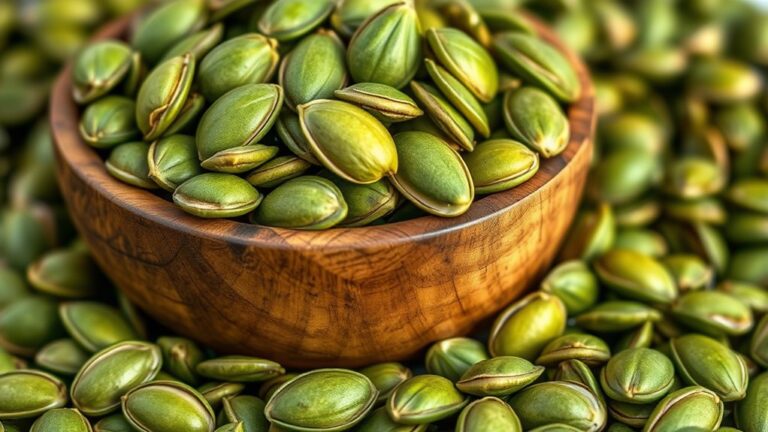
Hemp seed oil has a nutty flavor, while pumpkin seed oil is prized for drizzling on dishes. These oils are typically extracted through pressing or solvent methods, depending on the type.
Processing and Refining
Processing and refining are key steps in turning raw plant oils into the products you see on store shelves. During refining, impurities like free fatty acids, phospholipids, and pigments are removed to make the oil purer.
This involves steps like degumming, neutralization, bleaching, and deodorization. These processes ensure the oil is safe, stable, and has a neutral flavor, making it perfect for cooking and food production.
Refining not only improves how the oil looks and tastes but also helps it last longer on the shelf. However, it can also remove some nutrients and natural compounds along the way.
Knowing how oils are processed helps you understand their quality and what it means for your health. In the end, thorough refining makes sure the seed oil is clean, pure, and ready for consumers.
Is Canola Oil Derived From Seeds? Understanding Its Origins
Canola oil indeed comes from a specific type of seed, making it a seed oil by definition. Its origins trace back to the canola plant, a variety of rapeseed that was selectively bred for low erucic acid content. To understand its seed characteristics, consider these points:
- Canola origins: Developed in Canada in the 1970s, it’s a hybrid seed specifically cultivated for oil extraction.
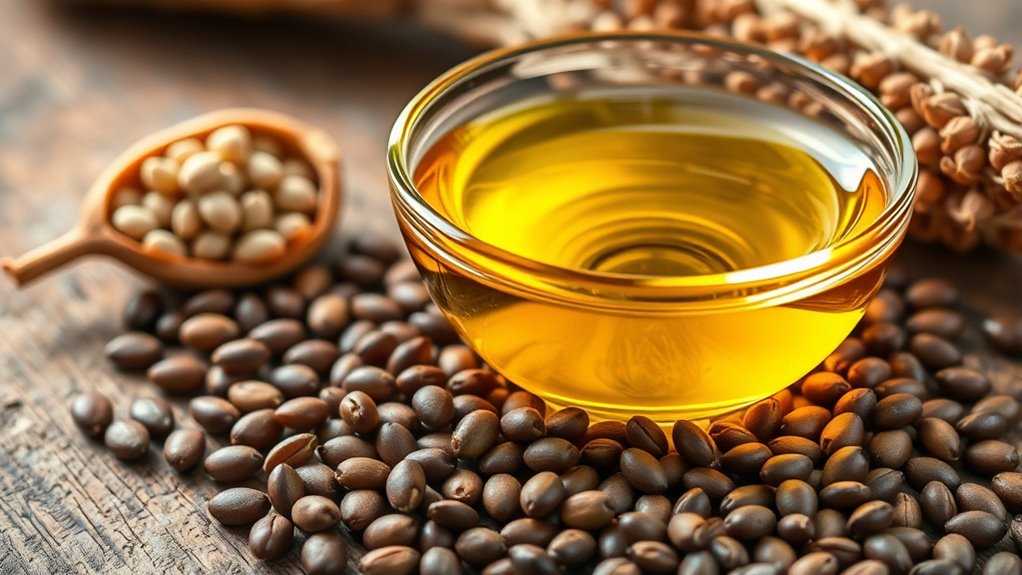
- Seed size and shape: The seeds are small, round, and usually dark brown or black.
- Nutrient profile: The seed contains oil-rich kernels, which are pressed or extracted for canola oil.
- Seed composition: The seed’s high oil content and specific characteristics make it ideal for commercial oil production.
Knowing these details confirms that canola oil is indeed derived from seeds, rooted in the seed’s unique traits and origins.
How to Read Labels to Confirm Canola Oil Is a Seed Oil
Want to make sure your canola oil is actually a seed oil? It’s pretty simple—just take a look at the ingredient list. If you see “canola oil” listed, you’re on the right track.
Next, check for any processing terms like “refined” or “expeller-pressed.” These words can give you a clue about how the oil was made. Knowing what to look for makes it easier to confirm the oil’s origin and how it was processed, so you can choose the best option for your needs.
Check Ingredient List
Checking the ingredient list on a product is the most straightforward way to confirm if it contains canola oil, which is a seed oil. Proper ingredient verification guarantees label accuracy and helps you make informed choices.
To do this effectively, look for “canola oil” specifically listed—it’s the clearest indicator. Check for synonyms like “rapeseed oil,” which is another name for canola oil.
Avoid products with vague terms such as “vegetable oil” unless they are detailed. Confirm that the ingredient list matches the product description and your expectations.
Identify Processing Terms
Reading the processing terms on an ingredient label can tell you how the oil was made, helping you verify if it’s a seed oil like canola. Look for specific terms such as “cold-pressed,” “expeller-pressed,” or “refined.” These indicate the extraction method used.
Cold-pressed and expeller-pressed oils are minimally processed and often keep more nutrients and fewer chemicals. If the label says “refined,” “bleached,” or “deodorized,” it means the oil went through extensive processing, typical for seed oils.
Understanding these processing terms helps you figure out whether the canola oil is a seed oil or if it was made with harsh methods. Clear labels with specific processing terms give you confidence in your choice.
How Does Processing Affect Canola Oil’s Seed Oil Status?
Processing methods play a big role in whether canola oil stays classified as a seed oil. These steps can change the oil’s composition and affect its natural seed oil qualities.
When canola oil is refined, bleached, and deodorized, it often loses much of its original seed-based nutrients and flavor. This makes the oil more stable and longer-lasting but also changes its identity as a seed oil.
Consider these key points:
- Refining removes impurities, which can strip away some seed-derived compounds.
- Bleaching lightens the oil but may reduce beneficial nutrients.
- Deodorizing eliminates strong flavors, affecting the oil’s natural seed profile.
These steps can lead to a more processed oil that might no longer retain many of its original seed oil characteristics.
How to Identify If Your Canola Oil Is a Seed-Based Oil
Ever wonder how to tell if your canola oil is still a true seed oil? To find out, check the label for the source. Genuine seed oils come from pressing or extracting oil directly from seeds like canola, sunflower, or soybean.
If the label lists the original seed source, you’re probably dealing with a seed-based oil. Watch out for refined or processed oils that might have additives or altered compositions, as they can sometimes make it harder to tell.
Consider canola oil alternatives—other plant oils derived from seeds—if you’re looking for more natural options. Authentic seed oils usually have a clear origin and involve minimal processing or chemicals.
Comparing Seed Oils: Is Canola Similar to Sunflower or Soy Oil?
You’ve probably wondered how canola oil stacks up against sunflower or soy oil, right? Well, they do have some things in common, like how they’re made and their overall nutritional content. But, when it comes to flavor and how best to use them, they each have their own unique qualities.
Canola oil tends to have a mild taste, making it pretty versatile in the kitchen. Sunflower oil is also light, but it can add a slightly nutty flavor, which works great in salads or for frying. Soy oil, on the other hand, has a bit more of a neutral taste but is often used in processed foods or stir-fries. Knowing these little differences can really help you pick the perfect oil for your cooking or baking needs.
Similar Extraction Methods
Seed oils like canola, sunflower, and soy oil are typically extracted using similar methods that involve pressing or solvent extraction. These techniques aim to get the most oil out while staying efficient. Usually, they use mechanical pressing or chemicals like hexane to extract oil from seeds.
The choice of method affects both the quality and the amount of oil you get. Here are some common extraction techniques:
- Cold-pressing: keeps nutrients intact and gives moderate oil yield.
- Expeller pressing: uses heat to boost the amount of oil extracted.
- Solvent extraction: employs chemicals to maximize oil recovery.
- Refining: removes impurities to improve clarity and stability.
Nutritional Profile Comparisons
When comparing the nutritional profiles of canola, sunflower, and soy oils, each has unique characteristics that influence their health impacts.
Canola oil offers a balanced nutrient density with a good ratio of omega-3 to omega-6 fatty acids, which supports heart health.
Sunflower oil is high in vitamin E and has more omega-6, which may promote skin health but could lead to inflammation if eaten excessively.
Soy oil provides a good source of plant-based protein and contains phytochemicals that might have antioxidant benefits.
These differences affect their overall health benefits, making canola oil a versatile choice for a balanced diet.
Understanding these variations helps you make informed decisions based on your nutritional goals.
Flavor and Usage Differences
While nutritional differences set these oils apart, their flavor profiles and culinary uses also help distinguish them. Canola, sunflower, and soy oils each bring something unique to the kitchen.
Canola oil has a mild, neutral flavor, making it perfect for baking and frying without overpowering other ingredients. Sunflower oil offers a light, slightly nutty taste, great for salad dressings and sautéing. Soy oil provides a subtle flavor that works well in Asian dishes and deep-frying.
All three have high smoke points, but their flavor profiles influence their best culinary applications.
Are All Seed Oils Healthy? What Science Says
Many people wonder whether all seed oils are truly healthy, especially with all the conflicting information out there. Scientific studies show that some seed oils provide health benefits, like omega-3 fatty acids and vitamin E, which support heart health and reduce inflammation.
However, the controversy around oils continues because many seed oils are highly processed, often using chemical extraction methods. These processes can produce harmful compounds and strip away beneficial nutrients. Not all seed oils are created equal.
Some may contribute to health issues like inflammation or oxidative stress if eaten in excess. It’s important to look at each oil’s composition and how it’s processed. While moderate intake of minimally processed seed oils can be part of a healthy diet, relying heavily on highly refined options might not be ideal.
Ultimately, understanding the science helps you make smarter choices about which seed oils support your health and which might pose risks.
Tips for Choosing Authentic Seed Oils at the Store
Choosing authentic seed oils at the store starts with knowing how to spot high-quality options. To make sure you’re picking genuine seed oils, pay attention to sourcing and label details. Here are four simple tips to help you out:
- Check the label for transparency. Look for clear info about where the oil comes from and how it was made.
- Verify the origin. Reputable brands usually mention the country or region where the seeds were grown.
- Inspect the packaging. Choose dark glass bottles that protect the oil from light and keep it fresh.
- Read ingredient lists carefully. Avoid products with additives or refined oils; pure seed oil should be straightforward on the label.
FAQs About Canola Oil and Seed Oils
Are you curious about whether canola oil truly qualifies as a seed oil? Many people ask about its health benefits and how to use it in cooking. Canola oil is popular for heart health because it’s low in saturated fat and contains omega-3s.
It’s very versatile in the kitchen. You can use it for frying, baking, or making salad dressings. Its neutral flavor and high smoke point make it a handy choice for many recipes.
Here’s a quick comparison:
| Aspect | Canola Oil | Other Seed Oils | Common Uses |
|---|---|---|---|
| Health Benefits | Rich in omega-3s, low saturated fats | Varies, some high in omega-6 | Cooking, salad dressings |
| Culinary Uses | Good for high heat, baking, frying | Depends on the type of oil | Depends on flavor and smoke point |
| Processing | Often refined, some cold-pressed | Varies, some unrefined | Depends on how it’s made |
Knowing these points can help you decide if canola oil fits your health goals and cooking style.
Frequently Asked Questions
Can Canola Oil Be Made From Other Plant Parts Besides Seeds?
Canola oil is mainly made from the seeds of the canola plant, and it all starts with seed extraction. It’s pretty much the standard because seeds store the most oil.
You probably won’t see canola oil made from other plant parts. Oil extraction usually targets seeds since they have the highest oil content.
While some plant oils come from leaves or stems, canola oil’s production specifically involves processing seeds. This helps ensure the oil is pure and high quality.
Are There Different Types of Seed Oils Beyond Canola, Sunflower, and Soy?
Imagine a vibrant marketplace of oils—hemp seed, flaxseed oil, pumpkin seed, sesame oil—each with its unique hue and aroma.
Beyond canola, sunflower, and soy, these are just a few examples of diverse seed oils. You can explore rich, nutty flavors or delicate, grassy notes to expand your culinary and health options.
These oils come from different seeds, each offering distinct nutrients and culinary possibilities.
How Does Refining Influence the Nutritional Value of Seed Oils?
Refining reduces the nutritional impact of seed oils by stripping away beneficial nutrients like vitamins, antioxidants, and healthy fats during the process.
The refining process involves bleaching, deodorizing, and refining, which can eliminate impurities but also remove valuable nutrients.
As a result, refined seed oils tend to have fewer health benefits compared to unrefined or minimally processed oils.
This makes them less nutritious for your diet.
Is Cold-Pressed Canola Oil Considered a Seed Oil?
Yes, cold-pressed canola oil is considered a seed oil because it’s made from the seeds of the canola plant, which comes from rapeseed. The cold-pressed process helps keep more nutrients compared to refined methods, making it a healthier choice.
Since it’s extracted without heat or chemicals, you get a more natural oil that retains some of the seed’s original properties. This method preserves more of the oil’s natural flavors and nutrients.
Can Seed Oils Be Genetically Modified?
Yes, seed oils can be genetically modified. Many types, like canola, are altered through genetic modification to improve crop yields and pest resistance.
While this process can make farming more efficient, you should think about potential health effects. Some studies suggest that GMOs might affect health differently than non-GMO oils.
Being aware of these factors can help you make more informed choices about consuming seed oils.
Conclusion
Now that you know how to identify canola oil as a seed oil, you can make smarter choices, understand where it comes from, and read labels with confidence.
Recognize what makes a seed oil, learn about the processing that can change its quality, and compare it with other oils. This way, you’re better equipped to pick oils that match your health goals, preferences, and values.
Because knowing what’s in your oil is key to taking control of your health, diet, and overall well-being. Being informed helps you make choices that are right for you.