How to Find Your First Frost Date: A Practical Guide for Gardeners
To find your first frost date, you can rely on historical weather data compiled for your specific location. The first frost date is typically the average calendar day when temperatures drop low enough to cause frost, usually around 32°F or lower overnight. Accessing this information helps gardeners know when to protect sensitive plants or harvest crops safely before damage occurs.
Understanding your first frost date matters because frost can abruptly end the growing season, ruining unprotected vegetables, flowers, and tender perennials. Knowing when frost generally arrives allows you to plan planting times, schedule cover protects, and avoid costly crop losses. Even within the same region, frost dates can vary widely based on microclimates and elevation, making localized data valuable.
This article will explain how to find your first frost date through reliable resources, interpret this information for practical use, and offer tips for gardeners to react effectively to frost warnings. It will cover methods like online average frost date lookup tools, local agricultural extension services, and interpreting frost-related weather forecasts.
What Is the First Frost Date and Why It Matters
Defining the First Frost Date
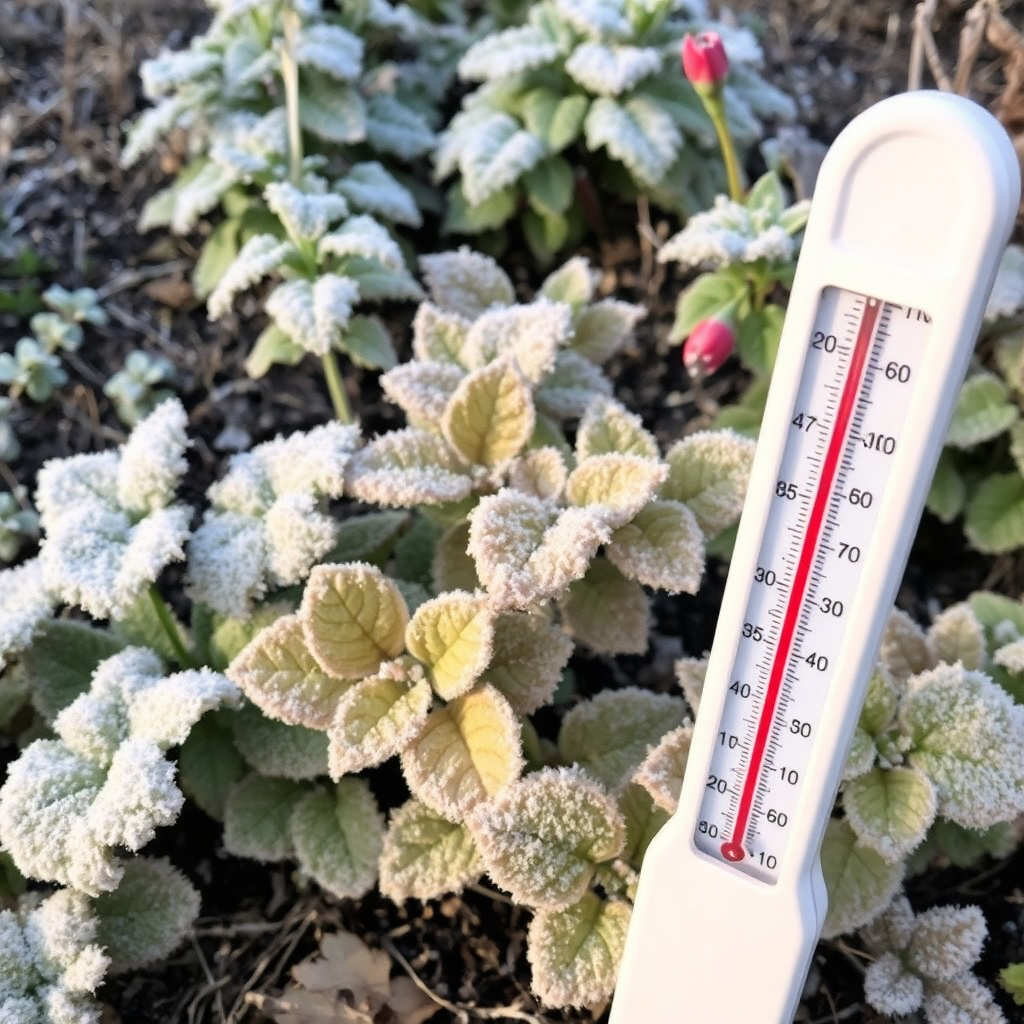
The first frost date is defined as the average date in autumn when temperatures first reach 32°F (0°C) or below during the night. This is significant because frost forms, damaging tender vegetation and signaling the end of the growing season in many regions. This date is calculated using decades of historical temperature data.
Frost formation depends on several factors including local climate, elevation, and proximity to water bodies. The first frost date focuses on the earliest typically damaging frost event, though isolated frost may occur earlier or later. This average date acts as a planning benchmark for gardeners and farmers.
Why Gardeners Should Know the First Frost Date
Knowing the approximate first frost date gives gardeners the ability to protect frost-sensitive plants, optimize planting schedules, and harvest crops at their peak. It helps avoid surprises from sudden cold spells that can kill seedlings, disrupt flowering, or spoil fruits and vegetables.
Gardeners can use the first frost date to time when to cover plants with frost cloths, bring potted plants indoors, or finish harvesting certain crops before frost damage occurs. This planning prevents wasted effort and saves money on replacement plants.
How to Find Your First Frost Date with Online Tools
Using Average Frost Date Lookup Websites
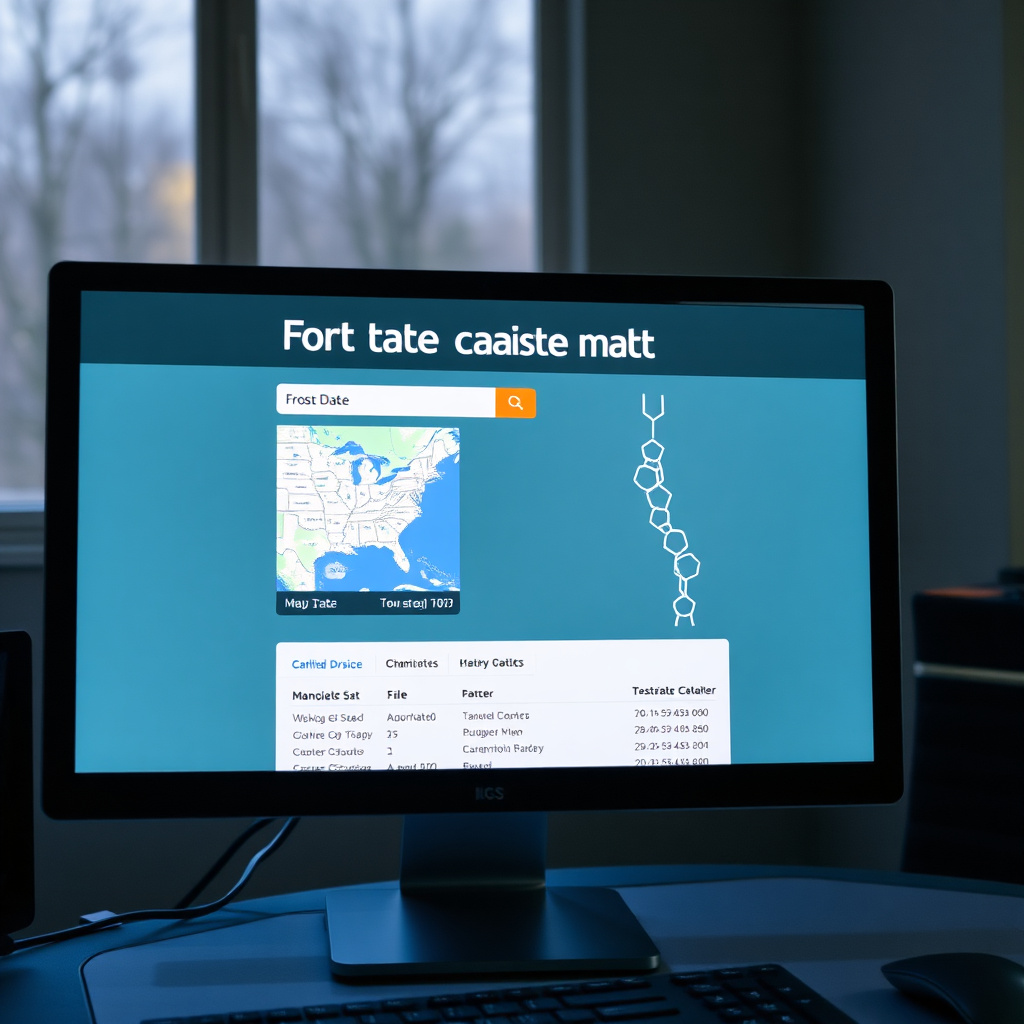
Several websites provide average first frost date lookups based on zip code or GPS coordinates. These tools pull from climate databases that include decades of temperature records to estimate localized frost dates. Simply enter your location to get results.
Popular resources include the USDA Plant Hardiness Zone Map sites and agriculture extension services which feature interactive maps and tables. These sites also offer last spring frost dates, important for planting schedules.
- Enter your zip code or latitude/longitude
- View average frost date with date range
- Access local climate region data for accuracy
Consulting Local Weather Stations and Extensions
Local agricultural extension offices or weather stations often publish frost date estimates specific to your county or area. Their data may include microclimate adjustments making the dates more precise than broad national averages.
Extensions also provide seasonal frost forecasts, helping gardeners adjust their plans year to year beyond just the average first frost date information. Some offer alerts or newsletters during frost-prone periods.
Interpreting First Frost Date Data for Gardening

Understanding Average Versus Actual Frosts
The first frost date is an average, meaning actual frost can occur days or even weeks before or after that date. Weather variability, early cold snaps, or later warm periods affect frost timing.
Gardeners should treat frost dates as guidelines, planning a frost protection buffer period to avoid damage. Monitoring local 10-day forecasts during autumn is essential to adjust precautions promptly.
For more on this, see our related guide: 10 Steps to Grow Pumpkin Seeds Successfully.
Planning Your Garden Calendar Around Frost Dates
Use the first frost date to count backward and determine the last safe planting date for frost-sensitive crops. For example, if your average first frost is October 15, plant vegetables that mature before then sufficiently early.
For perennials and flowers, use frost date data to schedule protective actions like mulching or covering plants. Autumn garden cleanup can also be planned just after frost is expected.
- Calculate days to maturity for crops
- Set reminders for frost protection measures
- Adjust planting for early or late frost years
Frost Protection Techniques for Your Garden

Physical Barriers and Covers
Using row covers, frost blankets, or cloches creates a physical barrier that traps heat and protects plants from frost. Lightweight fabrics that allow light through but keep cold out are ideal.
These covers should be applied in the evening before frost forms and removed during the day when temperatures rise. They are effective for vegetables, flowers, and young trees.
- Row covers or frost cloths
- Individual plant cloches or plastic bottles
- Cold frames and mini greenhouses
Ground and Plant Heat Retention
Mulching with straw or leaves insulates soil and roots reducing freezing damage. Watering plants before frost also helps because wet soil retains heat better than dry soil.
Placing stones or black plastic sheeting near plants can absorb heat by day and release it at night, slightly raising the ambient temperature to reduce frost risk.
- Organic mulch layers
- Pre-frost watering
- Thermal mass placement
Using Weather Forecasts to Supplement Frost Date Information
Watching Local Frost and Freeze Alerts
In addition to knowing your average first frost date, paying attention to daily weather channels and apps for frost or freeze alerts helps react to unexpected cold events. These alerts are often issued 24-48 hours in advance.
Modern weather apps frequently provide temperature lows, dew points, and humidity metrics that help anticipate frost formation.
For more on this, see our related guide: 7 Simple Steps to Grow Pumpkins From Seeds.
Combining Forecasts with Historical Data
Combining your average frost date knowledge with short-term weather forecasts enhances garden protection decisions. If frost is predicted well before your average date, take rapid protective measures despite the calendar average.
Conversely, if forecasts show temperatures above freezing near the average date, you might delay protective actions a bit, optimizing resource use.
Adjusting Frost Date Estimates for Microclimates
How Elevation and Terrain Affect Frost Timing
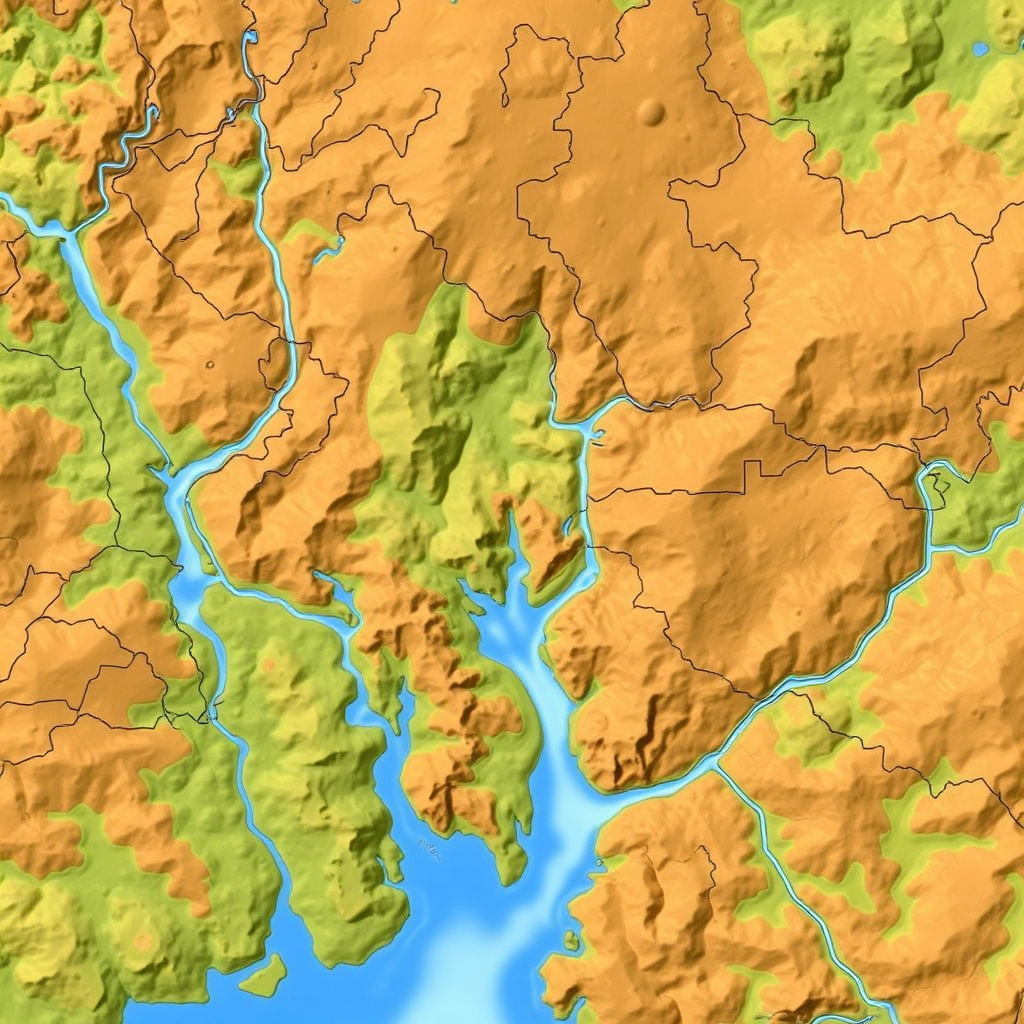
Higher elevations tend to experience frost earlier than lower elevations due to cooler air temperatures and lower atmospheric pressure. Valleys might trap cold air and delay or accelerate frost depending on airflow.
Understanding local terrain features near your garden helps adjust the average frost date estimation to better reflect your true frost risk.
For more detailed scientific background on frost and its impact, you can refer to frost date information on Wikipedia. frost date information on Wikipedia.
Influence of Water Bodies and Urban Areas
Nearby lakes, rivers, or oceans moderate temperatures and can delay the first frost date by keeping nighttime temperatures slightly higher. Urban heat islands raise temperatures too, often postponing frost damage compared to rural surroundings.
Gardeners in these areas should modify frost date guides slightly later to match their local environment.
Comparison of Methods to Find Your First Frost Date
Here is a comparison of popular methods to determine your first frost date, covering accuracy, ease of access, and practical value.
| Method | Accuracy | Ease of Access | Additional Benefits |
|---|---|---|---|
| Online Frost Date Lookup Tools | Moderate to High | Very Easy | Provides date ranges; quick results |
| Local Agricultural Extension Data | High | Moderate | Localized info and seasonal updates |
| National Weather Service Forecasts | Variable | Easy | Short-term alerts complement averages |
| Personal Weather Station Records | Very High | Hard | Custom data for microclimates |
| Historical Almanacs and Records | Moderate | Moderate | Long-term trends but less current |
Frequently Asked Questions
Can the first frost date change from year to year?
Yes, the first frost date varies annually depending on weather patterns. The average frost date is based on historical data but actual frost can happen earlier or later in any given year.
How do I protect plants if frost comes unexpectedly?
To protect plants from surprise frost, cover them with frost cloths or lightweight blankets in the evening, water the soil beforehand, and bring potted plants indoors when possible.
Is the same first frost date used for urban and rural areas?
No, urban areas often have later first frost dates due to heat retained by buildings, while rural or elevated areas may experience frost earlier.
Does the first frost date indicate the end of the growing season?
It signals the typical start of frost damage risk, often marking the growing season's end for frost-sensitive plants, but some hardy varieties may tolerate frost beyond this date.
Where can I find the most reliable frost date information?
Local agricultural extension offices and reputable online frost date lookup tools generally provide the most reliable, up-to-date information tailored to your location.
Key Takeaways
- The first frost date marks when damaging frost typically begins in your area.
- Use online tools and local extension data to find your average first frost date.
- Adjust frost dates based on local terrain, elevation, and urban heat effects.
- Combine frost date knowledge with weather forecasts for best garden protection.
Conclusion
Finding your first frost date involves consulting averaged historical weather data that estimates when freezing temperatures will likely affect your region. This estimate is an essential tool for gardeners, helping to time planting, harvesting, and frost protection measures effectively. Since frost dates naturally fluctuate with weather conditions and microclimates, combining average dates with localized observations or personal weather station data improves reliability. Taking microclimate factors like elevation and proximity to water into account further refines your understanding of when frost may first arrive in your garden.
For practical planning, using online frost date lookup tools or contacting your local agricultural extension service provides an excellent starting point to identify the typical frost timing. Gardeners in areas with terrain variation or urban heat islands should adjust these estimates accordingly. Once you have your average first frost date, plan backward by considering your crops' growing periods to decide the last safe planting dates. You can also align frost protection activities such as applying covers or mulches to this schedule. Combining this data with real-time weather forecasts allows gardeners to respond proactively to early or late frost occurrences.
Ultimately, the first frost date serves as a guideline that protects your plants and helps extend your gardening season. Start by using average frost date tools relevant to your zip code or region, consult local experts, and observe your garden's microclimate conditions closely. Keep monitoring weather alerts during the critical fall window, and prepare frost covers and watering schedules in advance. With these steps, you'll feel confident managing your garden through the unpredictable onset of frost and safeguarding your hard work every season.