How to Choose Seeds for Beginners: A Simple Guide to Starting Your Garden
Choosing seeds for beginners means selecting varieties that are easy to grow, forgiving of errors, and suited to your local climate. This straightforward approach helps new gardeners experience success early, building confidence and encouraging continued gardening efforts.
Starting with the right seeds matters because it sets the foundation for a healthy garden. Selecting low-maintenance plants that germinate quickly and resist common pests often spells the difference between frustration and flourishing growth in the first gardening season.
This article explains how to identify easy seeds for beginner gardeners, factors to consider like climate and soil, and advice on sourcing and storing seeds. By the end, you'll have a clear path to pick the best seeds that match your skill level and goals.
Understanding Seed Types and Their Suitability for Beginners
Heirloom Seeds vs Hybrid Seeds
Heirloom seeds come from plants passed down over generations, prized for their flavor and adaptability. They often produce true-to-type plants, allowing beginners to save seeds for future seasons.
Hybrid seeds are bred for specific traits like disease resistance or yield. While they can be easier for beginners to grow, seeds saved from hybrids may not produce consistent results in subsequent generations.
- Heirloom: Open-pollinated, seed saving possible
- Hybrid: Crossbred, often more resilient
- Beginners might prefer hybrids for reliability
Annual vs Perennial Seeds
Annual plants complete their lifecycle in one growing season, making them great for beginners wanting quick results. Common annuals like lettuce, radishes, and sunflowers germinate and mature fast.
Perennials live for several years and may require more care but provide ongoing garden presence. Beginners may choose perennials once comfortable, but focusing on easy annuals can simplify the first gardening experience.
- Annuals: Fast growing, harvest first year
- Perennials: Long-lasting, more maintenance
- Annuals recommended for beginner seed selection
Factors to Consider When Choosing Seeds for Beginners

Local Climate and Growing Season
Understanding your local climate is key for selecting seeds that will thrive. Check your USDA hardiness zone or regional growing guide to pick seeds suited for your temperature and frost dates.
Seeds with shorter days to maturity work best in areas with brief growing seasons. Long-season plants might struggle to produce if planted too late, causing frustration for new gardeners.
Soil Type and Preparation
Seed success depends on soil texture and fertility. Most beginner-friendly seeds do well in rich, well-drained soils. Testing pH and amending soil with compost improves germination and growth.
When choosing seeds, opt for varieties tolerant of your soil conditions. Some seeds flourish in sandy or clay soils, but many easy seeds prefer loamy, balanced soil.
Choosing Seeds Based on Purpose and Space

Vegetables, Herbs, or Flowers: What to Grow First
Beginners often wonder whether to start with vegetables, herbs, or flowers. Easy vegetables like carrots and beans provide quick rewards, while herbs like basil and parsley grow quickly and require minimal upkeep.
Flowers add aesthetic value and attract pollinators, benefiting vegetable growth. Choosing a mix can make gardening more enjoyable without overwhelming the novice gardener.
- Easy vegetables: radishes, lettuce, green beans
- Beginner herbs: basil, mint, chives
- Low-maintenance flowers: marigolds, nasturtiums
For more on this, see our related guide: Cannabis Strain Comparison: How to Choose the Right Strain for Your Needs.
Space Constraints and Seed Selection
If growing in limited space like balconies or small yards, select compact or container-friendly seeds. Determinate plants, such as bush beans or compact tomato varieties, fit tight spaces better than sprawling types.
Vertical gardening methods allow growing some vines and climbers in small areas. Understanding space helps pick seeds that won't overcrowd, ensuring healthier plants.
- Compact plant varieties for small spaces
- Climbers for vertical gardening
- Avoid large sprawling plants in confined areas
Sourcing and Storing Seeds for Beginners

Where to Buy Quality Seeds
Purchasing seeds from reputable nurseries or seed companies guarantees viability and accurate labeling. Look for certified organic or non-GMO options if those features matter to you.
Local seed exchanges or farmer’s markets offer region-adapted seeds. Buying locally can increase germination success because the seeds are suited to your climate.
- Certified seed suppliers
- Local seed exchanges
- Check seed packet dates for freshness
Proper Seed Storage Tips
Seeds last longest when kept in cool, dry, and dark conditions. Airtight containers such as glass jars with desiccants help prevent moisture damage.
Label your seeds with purchase or harvest date to maintain freshness. Stored properly, many seeds remain viable for 1–5 years depending on type.
- Store seeds in cool, dry place
- Use airtight containers with silica gel
- Keep seeds away from sunlight and humidity
Starting Seeds Indoors vs Direct Sowing

Benefits of Starting Seeds Indoors
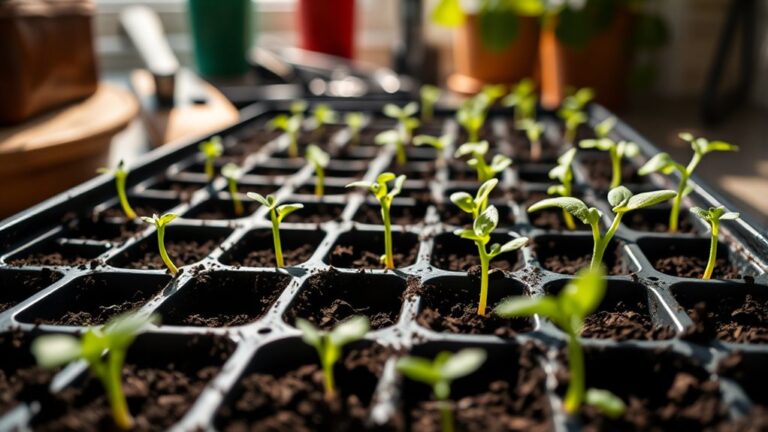
Starting seeds indoors gives beginners control over temperature and moisture. This method protects young seedlings from pests and harsh weather before transplanting outdoors.
Some seeds require warm conditions or longer growing seasons, making indoor starts necessary to get plants established.
- Controlled environment boosts germination
- Longer growing season potential
- Protection from outdoor hazards early on
For more on this, see our related guide: How to Choose Cannabis Strains for Your Perfect Experience.
When to Sow Seeds Directly Outdoors
Direct sowing is simpler and less equipment-intensive, planting seeds right where they will grow to maturity. Many easy seeds like radishes and beans thrive with direct sowing.
Timing is vital: sow after the last frost date for optimal germination. Direct sowing works well in warm soils and can save space indoors.
- Seeds suited for direct sowing: beans, squash
- Sow after soil warms
- Less initial maintenance than indoor starts
Common Seed Starting Mistakes to Avoid

Overwatering and Underwatering Seeds
Too much water can cause seed rot or mold, killing young plants before they sprout. Conversely, allowing seed starting soil to dry out inhibits germination.
Consistent moisture without saturation is key. Using spray bottles or bottom watering methods helps regulate moisture levels effectively.
- Avoid soggy soil to prevent rot
- Keep soil lightly moist, not wet
For more detailed information on how seeds sprout and develop, consult this seed germination guide. seed germination guide.
Ignoring Light and Temperature Needs
Many seeds need warmth to germinate, often 65–75°F (18–24°C). Cold environments slow or stop sprouting. Some also require light exposure, while others germinate best in darkness.
Understanding specific seed needs prevents failed starts. Using seedling heat mats or grow lights can elevate success rates for beginners growing indoors.
- Match temperature to seed requirements
- Provide adequate light after sprouting
Seed Types and Growing Methods Comparison for Beginners
This table compares popular seed types and starting methods based on ease, space needs, and climate suitability for beginner gardeners.
| Seed Type/Method | Ease of Growth | Space Needed | Time to Maturity | Climate Suitability |
|---|---|---|---|---|
| Heirloom Seeds | Moderate | Variable | Depends on variety | Adapted to region |
| Hybrid Seeds | Easy | Variable | Often faster | Broad adaptability |
| Annual Seeds (Direct Sown) | Easy | Small to medium | Short (30-90 days) | Wide range |
| Perennial Seeds (Indoor Start) | Moderate | Larger space | Long (over 1 year) | Specific zones |
| Indoor Seed Starting | Moderate | Minimal indoor | Varies | Controlled environment |
| Direct Sowing Outdoors | Easy | Garden space | Varies, usually quick | Suitable season needed |
Frequently Asked Questions
What are the easiest seeds for beginner gardeners?
Seeds like radishes, green beans, lettuce, and basil are beginner-friendly because they germinate quickly, tolerate common mistakes, and grow well in most conditions.
How long do seeds stay viable for planting?
Most seeds remain viable for 1 to 5 years when stored in cool, dry, and dark places, but viability varies by seed type and storage conditions.
Should beginners start seeds indoors or sow directly?
Starting indoors offers control and longer growing seasons for some plants, while direct sowing works well for easy, fast-germinating seeds in warm soil.
Can I save seeds from my garden plants to use next year?
Yes, especially with heirloom and open-pollinated varieties. However, seeds from hybrid plants may not produce identical offspring.
What kind of soil is best for seed starting?
A lightweight, well-draining seed starting mix with fine texture and minimal nutrients is ideal to promote germination without waterlogging.
Key Takeaways
- Select seeds that suit your local climate and soil conditions.
- Choose easy seeds like radishes and basil to gain gardening confidence.
- Decide between indoor starting and direct sowing based on species and space.
- Store seeds properly to maintain long-term viability.
Conclusion
Choosing seeds for beginners involves balancing factors like plant type, ease of growth, local conditions, and available space. Focusing on seeds with straightforward germination requirements and resilience helps new gardeners experience rewarding results. Thoughtful seed selection sets a positive tone for developing gardening skills and enjoying the process without discouragement.
For those starting out, easy seeds such as radishes, green beans, and basil are excellent first choices. These plants germinate quickly and tolerate typical beginner errors. Selecting hybrid seeds can also simplify early success due to their bred-in advantages, while heirloom seeds appeal to those interested in preserving garden heritage and saving seeds. Small-space gardeners benefit from choosing compact varieties and considering indoor seed starting to maximize limited room.
Taking the initial step by purchasing quality seeds from trusted sources and storing them well reinforces good habits that support gardening success. Once seeds are chosen and planted appropriately, nurturing seedlings with proper water, light, and temperature care ensures solid growth. This informed, step-by-step approach equips beginners to confidently grow a thriving garden and build a lifelong hobby.