How to Get Rid of Spider Mites: Effective Methods for a Mite-Free Garden
Spider mites can quickly devastate indoor and outdoor plants by feeding on their leaves, leaving behind tiny yellow spots and fine webbing. The fastest way to get rid of spider mites involves a combination of early detection, thorough cleaning, and treatments like insecticidal soap or neem oil designed to disrupt their life cycle.
Left unchecked, spider mites multiply rapidly, damaging foliage and weakening plants. They thrive in hot, dry conditions, making many popular houseplants and outdoor garden plants vulnerable. Effective removal prevents not only cosmetic damage but also potential plant death and spread to neighboring greenery.
This article will explore various approaches to eliminate spider mites, including cultural controls, natural predators, organic sprays, and chemical pesticides. You'll also find tips for preventing future infestations and keeping your plants vibrant and mite-free through attentive care.
Identifying Spider Mite Infestations Early
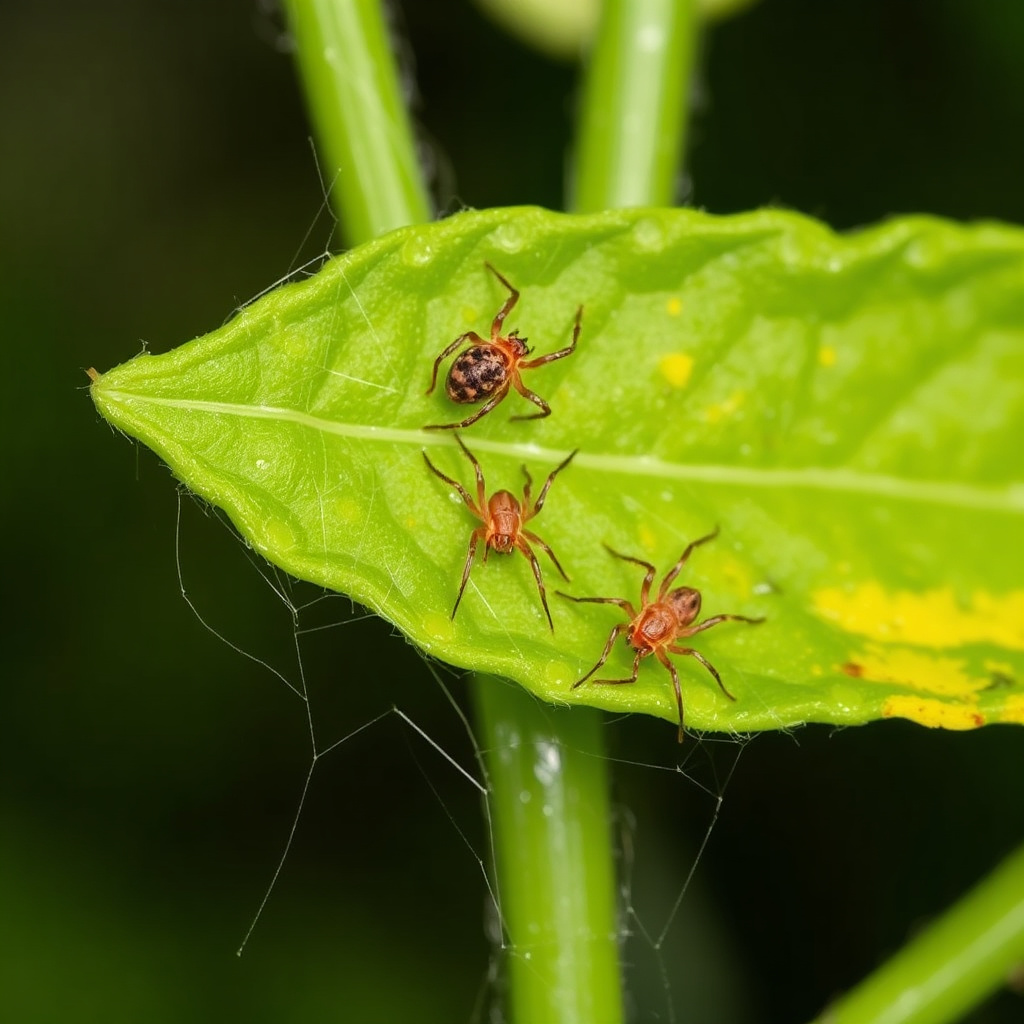
Signs of Spider Mite Damage
Spider mites cause distinct damage to leaves such as fine yellow or white speckling, which results from their feeding on plant cell contents. Another hallmark is the delicate webbing that can often be found underneath leaves or between branches. Plants may lose vigor or appear dusty and dull with heavy infestations.
Regular visual checks are vital, especially in hot, dry environments where spider mites thrive. Using a magnifying glass can help spot tiny moving mites (they resemble small red or green dots). Early detection allows targeted treatment before the mites multiply extensively.
- Yellow or pale leaf spotting
- Fine, silky webbing on leaf undersides
- Visible tiny moving mites under magnification
- Leaf curling and eventual drop in severe cases
Common Plants Affected by Spider Mites
Spider mites attack a wide range of plants, from ornamentals like roses and hibiscus to vegetables such as tomatoes and cucumbers. Houseplants such as palms, ivy, and ficus are also common targets due to indoor heating and dry air conditions.
Understanding which plants are most susceptible helps gardeners focus monitoring efforts. Certain species tolerate drought conditions better and are less attractive, but many popular garden and indoor plants require regular inspection during warm months.
- Ornamental plants: roses, hibiscus, azaleas
- Vegetables: tomatoes, cucumbers, peppers
- Houseplants: palms, ivy, ficus, spider plants
- Fruit plants: strawberries, grapes
Natural and Organic Ways to Get Rid of Spider Mites

Using Insecticidal Soaps and Neem Oil
Insecticidal soaps disrupt spider mite cell membranes and are effective without leaving toxic residues. Neem oil works by affecting mite hormones and feeding behavior. Both treatments are safe for beneficial insects and plants if applied properly, usually requiring multiple applications spaced every few days during an outbreak.
When applying, cover both leaf tops and undersides including stems where spider mites hide. These organic options offer a natural way to reduce spider mite populations and suppress outbreaks without aggressive chemicals.
- Apply every 4-7 days until mites disappear
- Thoroughly cover leaf undersides
- Avoid use during hottest part of day to prevent leaf burn
- Works best as part of an integrated pest management plan
For more on this, see our related guide: How Are Cannabis Strains Bred? A Practical Guide to Cannabis Breeding.
Introducing Beneficial Predators
Predatory mites and insects such as lady beetles and lacewing larvae feed on spider mites naturally, reducing their numbers. Introducing these natural enemies into your garden or greenhouse can provide biological control without chemicals.
Predators thrive in environments with diverse plantings and minimal pesticide use. They are not instant solutions but help maintain low mite populations, complementing other control methods for long-term spider mite management.
- Phytoseiulus persimilis (predatory mite) targets spider mites directly
- Lady beetles consume spider mites and other pests
- Lacewing larvae feed voraciously on spider mite eggs and adults
- Use in greenhouses or outdoor gardens with minimal toxins
Chemical Treatments for Spider Mite Control
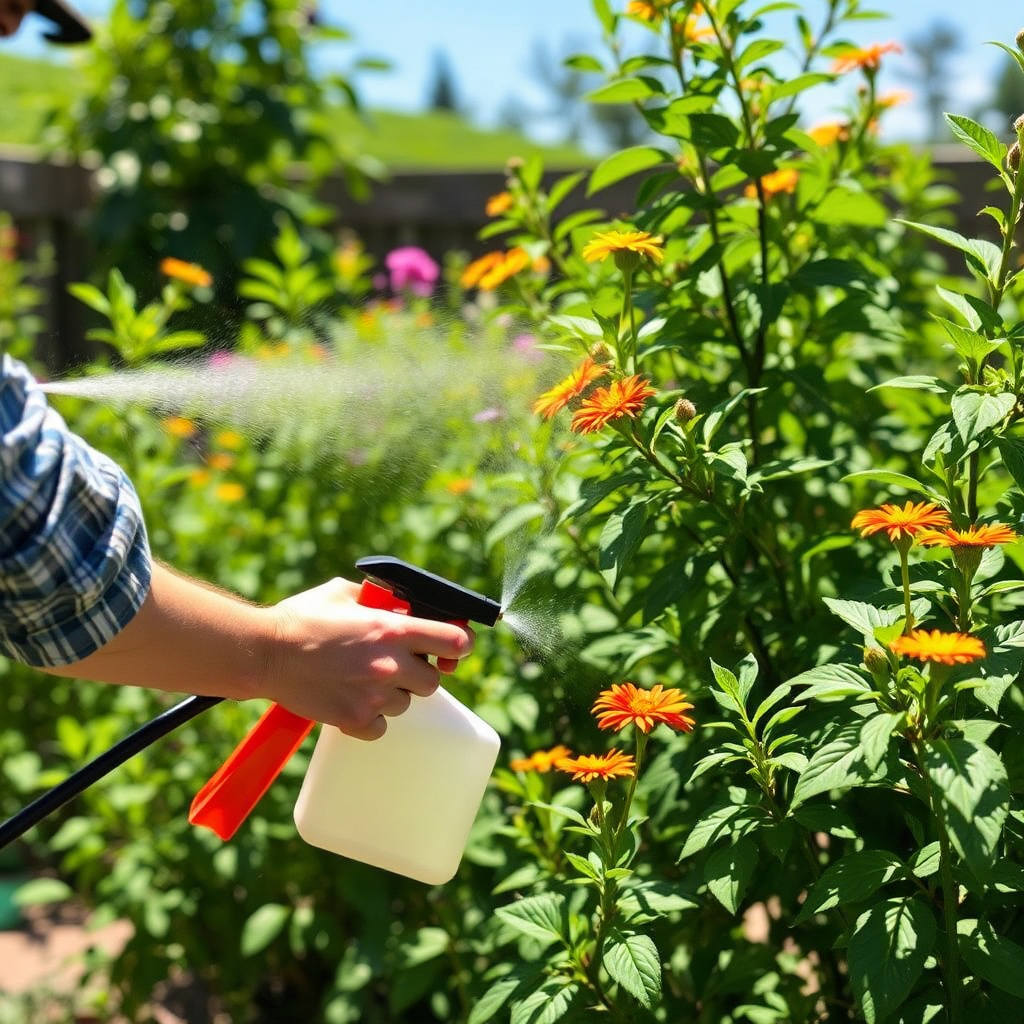
Miticides and Their Proper Use
Chemical miticides specifically target spider mites with ingredients that interrupt their reproductive cycles or nervous systems. They are typically reserved for severe infestations when other methods have failed.
Choose miticides labeled for spider mites and use strictly according to the label directions. Rotate different miticide classes to avoid resistance buildup. Careful timing and coverage are critical to reach hiding mites and disrupt all life stages.
- Use only when natural and organic controls are insufficient
- Apply at recommended intervals and dosages
- Rotate chemicals to prevent resistance
- Protect beneficial insects by avoiding broad-spectrum pesticides
Safety Considerations with Chemical Use
Miticides can pose health risks to humans, pets, and beneficial insects if misused. Use protective gloves, masks, and work in well-ventilated areas. Avoid spraying during windy conditions to reduce drift.
Read all label warnings carefully and wash treated plants if food crops are involved. Chemical treatments should be a last resort after other spider mite control options are exhausted.
- Wear protective clothing and masks during application
- Keep pets and children away from treated areas
- Follow all label safety instructions strictly
- Dispose of unused chemicals responsibly
Cultural Practices to Prevent and Manage Spider Mites
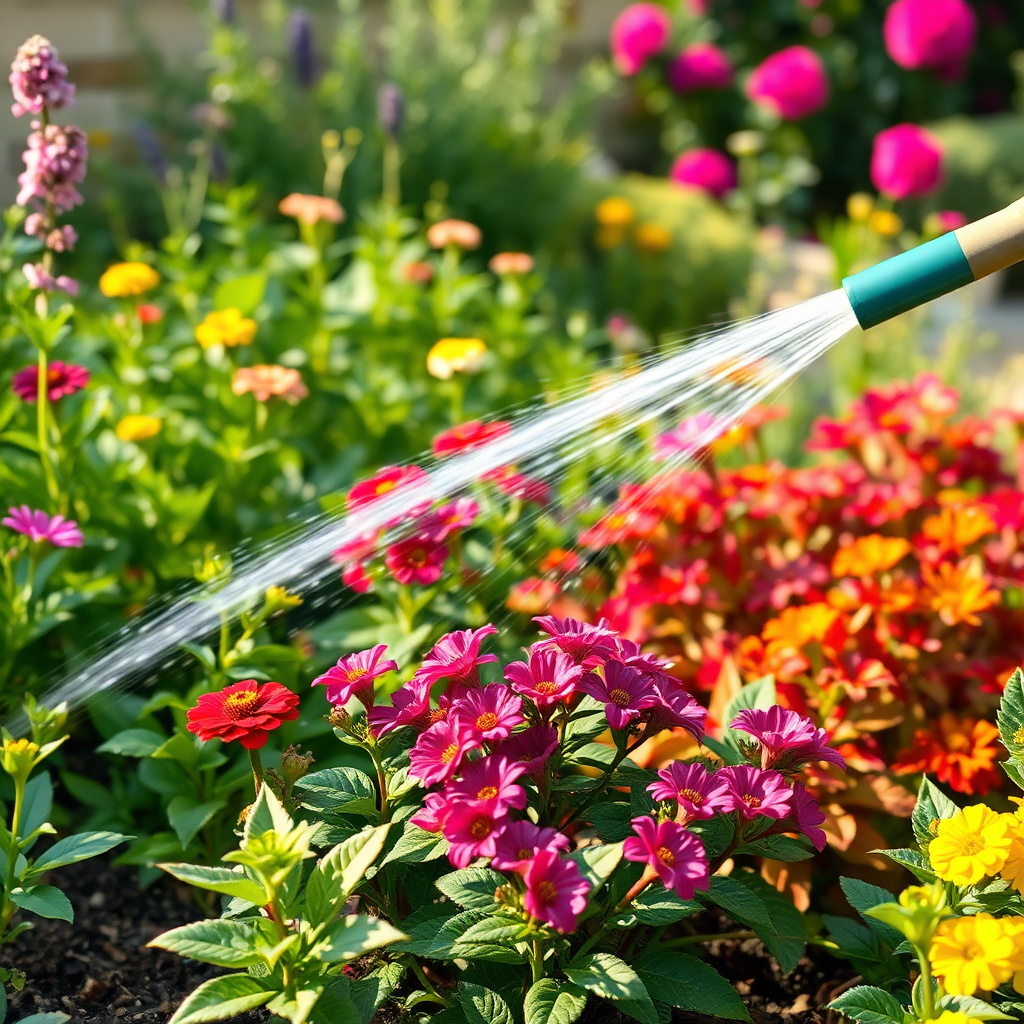
Optimizing Water and Humidity Levels
Spider mites thrive in dry conditions, so increasing humidity around plants reduces their reproduction. Regularly misting or using drip irrigation on foliage keeps spider mites less active.
Maintaining soil moisture also helps plants resist damage. Avoid drought stress by watering deeply and consistently, which increases plant vigor and natural resilience to pests.
- Mist leaves daily during hot, dry weather
- Use drip or soaker hoses to keep soil moist
- Group plants for humidity retention
- Avoid overhead watering during evening to reduce fungal risks
For more on this, see our related guide: How Long Does Cannabis Take to Grow: A Complete Growth Timeline.
Regular Cleaning and Quarantine Practices
Cleaning plant leaves with a damp cloth or gentle spray can physically remove spider mites. Regularly removing fallen leaves and debris reduces habitat for eggs and larvae.
Quarantining new plants before introducing them into a garden or indoor collection prevents new spider mite infestations. Inspect new arrivals carefully and treat if any mites are detected.
- Clean leaves biweekly with water or mild soap
- Dispose of fallen foliage promptly
- Isolate new plants for 2-3 weeks before placement
- Inspect plants regularly to catch early infestations
Tools and Equipment for Spider Mite Control
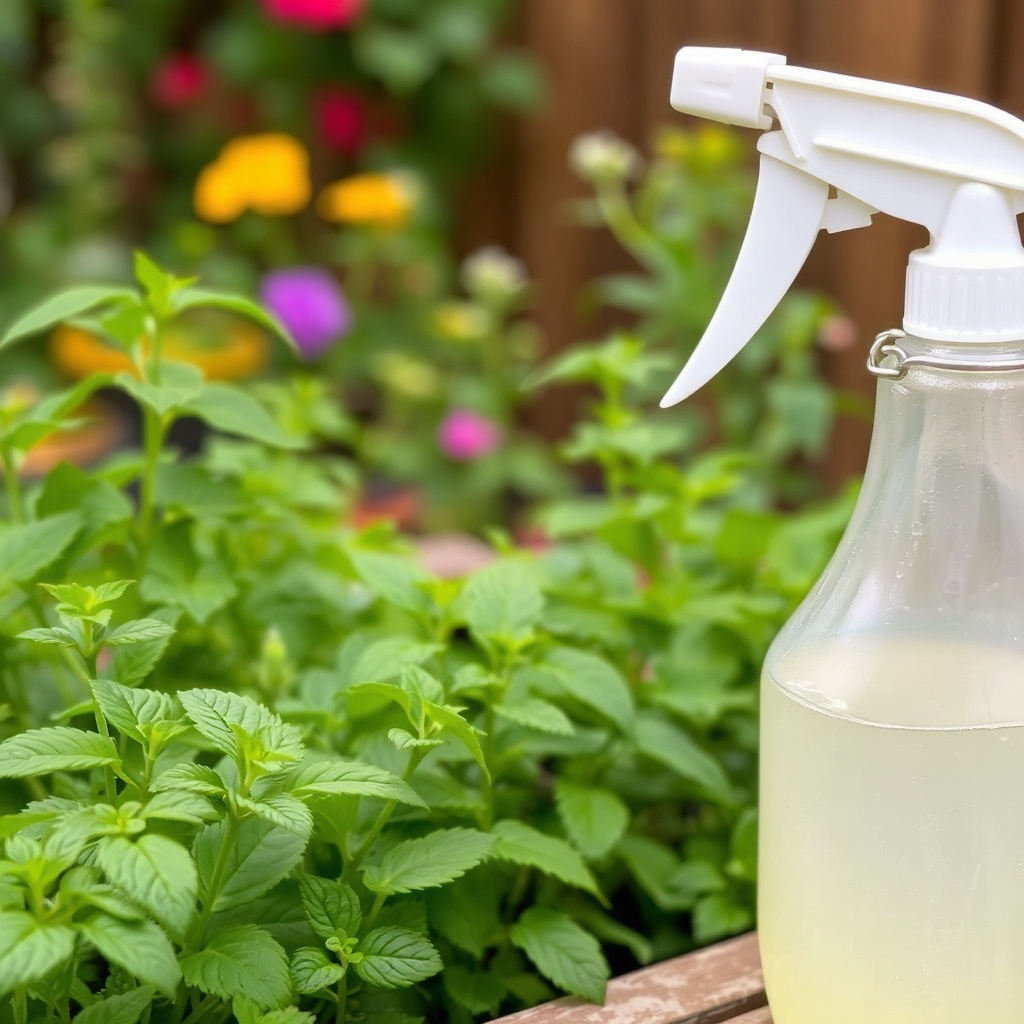
Choosing the Right Sprayer for Treatment
A quality sprayer with adjustable nozzle settings helps apply treatments evenly. Handheld pump sprayers are ideal for small gardens or houseplants, providing controlled coverage without waste.
For larger areas or greenhouses, backpack or motorized sprayers offer convenience and efficiency. Regular cleaning of equipment prevents clogging and cross-contamination between products.
- Handheld sprayers for small indoor/outdoor plants
- Backpack sprayers for intensive garden use
- Nozzle adjustments for fine mist or steady streams
- Clean sprayers thoroughly after each use
For detailed scientific background and species information, refer to the comprehensive spider mite page on Wikipedia. Spider mite information on Wikipedia.
Using Magnification Tools for Monitoring
Magnifying glasses or handheld microscopes assist in early detection of spider mites and evaluation of treatment effectiveness. They reveal tiny mites and eggs invisible to the naked eye.
Regular inspection helps time sprays more effectively, focusing on hotspots before populations explode. These tools also assist in distinguishing spider mites from similar pests.
- Pocket magnifiers with 10x to 30x power
- Handheld digital microscopes with camera features
- Regular inspection sessions weekly in warm months
- Tool cleaning to avoid cross-contamination
Spider Mite Control Methods Comparison
Here's a quick overview comparing different spider mite control strategies based on effectiveness, safety, and ease of use.
| Control Method | Effectiveness | Safety | Application Frequency | Cost |
|---|---|---|---|---|
| Insecticidal Soap | Moderate to High | Very Safe | Every 4-7 days | Low |
| Neem Oil | High | Safe with Precautions | Every 7 days | Moderate |
| Chemical Miticides | Very High | Moderate (Use Caution) | As Directed | High |
| Predatory Mites | High (Long-Term) | Very Safe | One-Time or Periodic | Moderate |
| Cultural Practices | Moderate | Very Safe | Ongoing | Low |
Frequently Asked Questions
Can spider mites jump or fly to other plants?
Spider mites cannot jump or fly, but they spread efficiently by crawling and via wind currents carrying their lightweight webbing to nearby plants.
Is it safe to use neem oil on edible plants?
Yes, neem oil is considered safe on edible plants when used according to the label and washed off before harvest to reduce residues.
How often should I spray to control spider mites?
Repeated spraying every 4 to 7 days is generally needed until mites are controlled, as multiple life stages require treatment.
Do spider mites produce visible webs like spiders?
Yes, spider mites create fine, silky webbing on leaves and stems, especially during heavy infestations, which helps protect them.
Can introducing ladybugs alone control a spider mite infestation?
Ladybugs help reduce spider mites but are most effective combined with other controls like soaps or cultural practices for sustained management.
Key Takeaways
- Early detection through leaf inspection is critical to stop spider mites.
- Natural treatments like neem oil and insecticidal soap effectively reduce mites with low risks.
- Chemical miticides provide strong control but require careful, safe use.
- Improving humidity and regular plant cleaning help prevent infestations.
Conclusion
Knowing how to get rid of spider mites requires a mix of observation, treatment, and prevention tailored to your plants’ environment. The decision-making process should start by identifying early signs and selecting appropriate control methods, balancing effectiveness with safety and plant sensitivity. Using multiple approaches together increases the chance of successful eradication and helps avoid re-infestations over the growing season.
For minor infestations, cultural methods and organic sprays such as insecticidal soap or neem oil are often sufficient and safest for household use. Predatory mites work well for long-term control in greenhouses or outdoor gardens. In severe cases, applying chemical miticides per label instructions can quickly suppress outbreaks but should be combined with frequent monitoring to prevent resistance. Maintaining humidity and regular leaf care also protects against spider mite buildup.
Take immediate action at the first sign of mites by isolating affected plants and beginning treatment. Use a magnifying tool for regular inspection during warm months when mites thrive. Whether you’re gardening indoors or outdoors, keeping plants healthy and environments less hospitable to spider mites is the best way to protect your green space for the future.