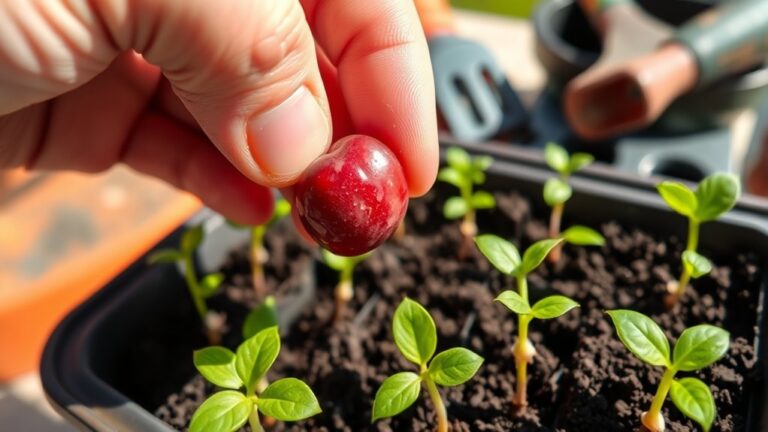
How to Adjust Soil pH for Healthier Plants and Better Growth
Adjusting soil pH involves altering the acidity or alkalinity of your soil to create the best possible environment for plant growth. You can raise the pH of acidic soils by adding lime, or lower the pH of alkaline soils through sulfur or acidifying fertilizers. Precise adjustment depends on soil testing and the specific plants you intend to grow.
Soil pH affects nutrient availability and microbial activity, which directly influence plant health and yield. Understanding how to modify soil pH ensures your plants can absorb nutrients efficiently, reducing the risk of deficiencies or toxicities. This knowledge is vital whether you’re gardening, landscaping, or farming on a larger scale.
This article explores various soil pH adjustment methods, how to test soil pH accurately, choosing suitable amendments, timing considerations, and monitoring changes over time. You’ll gain insight into practical steps and strategies to maintain the right pH balance for your soil.
Understanding Soil pH and Its Impact

What Is Soil pH?
Soil pH measures the concentration of hydrogen ions in the soil, indicating how acidic or alkaline it is on a scale of 0 to 14, with 7 being neutral. Most plants prefer a pH range between 6.0 and 7.5, where nutrient availability is optimal.
Soil composition, organic matter, rainfall, and parent rock material influence pH. Acidic soils can limit nutrient uptake, especially phosphorus and molybdenum, while alkaline soils may cause deficiencies of iron, manganese, and zinc.
Why Adjusting Soil pH Matters
Adjusting soil pH affects how well plants can absorb key nutrients. If pH is too low or high, certain nutrients become locked in the soil, inaccessible to roots, which can stunt growth or cause yellowing leaves.
Microbial activity, essential for decomposing organic matter and cycling nutrients, also depends on pH levels. Proper pH fosters beneficial microbes that improve soil health and structure.
Testing Soil pH Before Adjustment

Laboratory vs. Home Testing Kits
Laboratory testing offers precise results by analyzing multiple soil properties, but it takes longer and often costs more. Home testing kits or digital pH meters provide immediate estimates and are convenient for routine checks.
Choosing the right test depends on your goals. Professional labs can recommend exact amendment rates, whereas home kits guide general adjustments.
- Laboratory tests involve sending samples to a lab
- Home kits use color changes or digital readouts
- Lab results provide detailed nutrient and pH profiles
Proper Soil Sampling Techniques
Collect soil samples from different parts of your garden or field to get a representative reading. Take samples from 4-6 inches deep, avoiding surface debris or roots.
Mix samples from multiple spots in a clean bucket before testing to average pH levels. This helps avoid inaccurate pH adjustments based on limited data.
- Use clean tools for sampling
- Avoid sampling right after fertilizer application
- Label samples with location and depth
Raising Soil pH: How to Reduce Acidity

Using Lime to Neutralize Soil Acidity
Agricultural lime, typically made from ground limestone, is the most common material used to raise soil pH. It gradually neutralizes acidic soils by increasing calcium and magnesium levels, promoting nutrient availability.
Applying lime in the fall or early spring allows it time to react before the growing season. The required quantity depends on current pH, soil texture, and crop needs.
- Types include calcitic lime and dolomitic lime
- Spread evenly and incorporate into the topsoil
- Avoid excessive lime applications to prevent over-alkalization
For more on this, see our related guide: Cannabis pH Levels for Soil: How to Maintain the Perfect Balance.
Alternative Materials for pH Increase
Wood ash from untreated hardwood can also raise soil pH due to its potassium and calcium content. However, its impact is less predictable and slower than lime.
Other options include crushed oyster shells or baked clay products. These amendments must be used carefully to avoid imbalances and should be tested for nutrient content.
- Wood ash also adds micronutrients
- Use moderate amounts to prevent nutrient burn
- Avoid ash from treated or painted wood
Lowering Soil pH: Making Alkaline Soil More Acidic

Using Elemental Sulfur for Soil Acidification
Elemental sulfur is a widely used amendment to lower soil pH by promoting microbial oxidation that produces sulfuric acid. It works gradually over several months, making timing critical for desired results.
Application rates depend on the soil texture and how much pH reduction is needed. Sandy soils require less sulfur than clay or silt soils to reduce pH by the same amount.
- Ensure good soil moisture for bacterial activity
- Avoid over-application to prevent toxicity
- Mix sulfur into upper 6 inches of soil
Using Acidifying Fertilizers and Organic Materials
Ammonium sulfate and iron sulfate fertilizers also lower soil pH, particularly for potted plants or smaller areas. Organic materials such as pine needles, sphagnum peat, or coffee grounds can mildly acidify soil over time.
These methods are slower or less consistent but can supplement sulfur applications and improve soil structure simultaneously.
- Ammonium-based fertilizers release acid upon nitrification
- Peat is effective but may have sustainability concerns
- Regular organic mulching aids gradual acidification
Monitoring and Maintaining Soil pH

Timing and Frequency of Testing
After adjusting soil pH, retest after 3 to 6 months to assess changes, since amendments like lime and sulfur act slowly. Testing twice per year is advisable in active gardens to prevent unintended pH shifts.
Keep records of test results and application rates to track soil response and plan future treatments accurately.
- Test in spring and fall
- Adjust amendments based on test results
- Account for weather patterns affecting soil chemistry
For more on this, see our related guide: How to Choose the Best Soil for Cannabis Plants: A Complete Guide.
Long-Term Soil pH Stability Strategies
Maintaining balanced soil involves crop rotation, adding organic matter, and avoiding excessive fertilizer use that alters pH. Certain cover crops also influence soil acidity beneficially.
Consistent soil care helps maintain ideal pH, reducing the need for frequent corrections and supporting sustainable plant health.
- Incorporate compost regularly
- Select crops suitable for your soil pH
- Avoid over-liming or continuous acidifying
Common Mistakes and Troubleshooting

Over-Adjusting Soil pH
Applying excessive lime or sulfur can swing soil pH too far, causing new nutrient lockouts or toxicity. Corrections can be slow and costly, so precise application based on testing is essential.
Start with smaller amendment doses and retest regularly to avoid major pH fluctuations that harm plants.
- Don’t guess amendment quantities
- Avoid rapid, large-scale pH shifts
- Watch for unusual plant symptoms signaling imbalance
For a scientific overview of soil pH and its chemical properties, refer to the soil pH Wikipedia article. soil pH Wikipedia article.
Interpreting Nutrient Deficiencies Linked to pH
Symptoms such as yellowing leaves (chlorosis), stunted growth, or poor flowering often indicate pH-related nutrient problems. Correct pH adjustment can restore nutrient availability.
Consult soil test reports alongside visible symptoms to target appropriate pH corrections rather than unnecessary fertilizing.
- Iron deficiency common in alkaline soils
- Phosphorus deficiency common in acidic soils
- Typical symptoms guide troubleshooting efforts
Soil pH Adjustment Methods Comparison
Here’s a comparison of common soil pH adjustment materials with their effectiveness, cost, and application timing to help select the best for your needs.
| Method | Effect on pH | Cost | Application Speed | Ideal Use |
|---|---|---|---|---|
| Agricultural Lime | Raises pH | Low | Slow (3-6 months) | Large-scale acid soils |
| Wood Ash | Raises pH | Very Low | Moderate (1-3 months) | Small gardens, quick fix |
| Elemental Sulfur | Lowers pH | Moderate | Slow (3-6 months) | Strong alkaline soils |
| Ammonium Sulfate | Lowers pH | Moderate | Fast (weeks) | Potted plants, small areas |
| Organic Mulches (Peat, Pine Needles) | Lowers pH slightly | Variable | Very Slow (seasonal) | Ongoing maintenance |
Frequently Asked Questions
How often should I test my soil pH?
Testing soil pH twice a year, typically in spring and fall, helps track changes and guide adjustments, especially after applying conditioners like lime or sulfur.
Can I adjust soil pH without professional testing?
While home kits give estimates, professional soil tests provide precise pH and nutrient profiles, helping avoid over- or under-application of amendments.
How long does it take for lime to change soil pH?
Lime usually takes 3 to 6 months to effectively raise soil pH as it reacts slowly with soil minerals and moisture.
Is it safe to apply lime or sulfur near plant roots?
Avoid direct contact with roots; incorporate amendments into soil evenly to prevent root damage or chemical burn.
What plants prefer acidic soil?
Plants such as blueberries, azaleas, and rhododendrons thrive in acidic soils with pH between 4.5 and 6.0.
Key Takeaways
- Soil pH directly influences nutrient availability and plant health.
- Test soil pH accurately before any adjustments.
- Use lime to raise pH and sulfur or acidifying fertilizers to lower it.
- Regular monitoring helps maintain stable, healthy soil conditions.
Conclusion
Adjusting soil pH is a fundamental step in cultivating a healthy garden or farm. The key to success lies in testing soil pH accurately and understanding the unique needs of your soil and plants. Taking a measured approach by applying amendments like lime to reduce acidity or sulfur to increase acidity, while monitoring pH changes over time, will ensure that your soil maintains a balance conducive to nutrient availability and microbial activity. This process reduces the risk of nutrient deficiencies and fosters vigorous plant growth.
Specific recommendations depend on your soil's initial pH and the plants you want to grow. For example, if your soil is acidic below pH 6.0, applying agricultural lime in recommended amounts during fall or early spring can effectively raise it. On the other hand, alkaline soils above pH 7.5 benefit from elemental sulfur or acidifying fertilizers, particularly for acid-loving plants like blueberries. For small garden plots or container plants, quicker acting options such as ammonium sulfate or organic mulches can fine-tune pH gradually.
The next practical step is to collect representative soil samples for testing, either through a professional lab or reliable home kits. Based on the results and your planting goals, you can select appropriate soil pH adjustment methods. Regular retesting and observing plant responses will guide further refinements. By maintaining balanced soil pH, your plants will have the best conditions for growth and productivity.