What Is Compost and How It Benefits Your Garden and Environment
Compost is decomposed organic material that enriches soil and promotes healthy plant growth. It results from the natural breakdown of food scraps, garden waste, and other biodegradable items. Composting turns waste into a valuable resource by recycling nutrients back into the earth.
This process supports sustainable gardening practices by reducing landfill waste and decreasing the need for synthetic fertilizers. Understanding what compost is helps gardeners and environmentally conscious people improve soil fertility, retain moisture, and increase microbial activity crucial for plant health.
In this article, we will explain the different types of compost, how to compost effectively, the environmental and gardening benefits, and practical tips for starting your own compost system at home.
Understanding Compost: Definition and Components

What Exactly Is Compost?
Compost is the end product of the controlled decomposition of organic matter such as vegetable scraps, yard waste, and paper products. Through microbial activity and natural processes, these materials transform into a nutrient-rich soil amendment.
The resulting compost improves soil structure by adding organic matter, which supports water retention and provides essential nutrients for plants. It typically has a dark, crumbly texture and smells earthy, signaling its readiness for garden use.
Key Ingredients That Make Good Compost
Successful compost relies on a balanced mixture of 'greens' and 'browns.' Greens refer to nitrogen-rich materials like kitchen scraps and fresh grass clippings, while browns are carbon-rich items such as dry leaves and paper.
Achieving roughly a 30:1 carbon-to-nitrogen ratio allows microbes to break down materials efficiently, producing high-quality compost without unpleasant odors.
- Greens: fruit and vegetable scraps, coffee grounds, fresh grass clippings
- Browns: dry leaves, straw, shredded paper, wood chips
How to Start Composting at Home

Choosing the Right Composting Method
Home composting can be done in various ways, including backyard bins, tumblers, or vermicomposting with worms. Each method suits different space sizes, compost volume needs, and user preferences.
Backyard bins are ideal for yards with moderate space and produce large quantities of compost. Tumblers speed up decomposition and reduce manual turning, while vermicomposting excels in small indoor setups by using worms to digest kitchen scraps.
- Backyard bin composting
- Rotating tumbler composters
- Vermicomposting worm bins
For more on this, see our related guide: How to Transplant Seedlings Without Stressing Your Plants.
Tips for Maintaining a Healthy Compost Pile
A well-maintained compost pile requires adequate moisture—about as damp as a wrung-out sponge—and regular aeration by turning to introduce oxygen for microbes.
Adding the right balance of greens and browns and monitoring temperature ensures rapid, odor-free decomposition. Avoid adding meat, dairy, or diseased plants to keep the compost safe and effective.
- Keep compost moist but not soggy
- Turn the pile weekly to aerate
- Avoid adding non-organic or harmful items
Environmental Benefits of Compost

Reducing Landfill Waste
Composting diverts a large portion of organic waste from landfills, where it would otherwise produce methane, a potent greenhouse gas during anaerobic decomposition.
By composting, households and communities reduce landfill volume, lower emissions, and contribute positively to climate change mitigation efforts.
Improving Soil Health Naturally
Compost enhances soil fertility by adding organic matter and beneficial microorganisms that aid nutrient cycling and soil structure improvement.
Healthy soils retain more moisture and reduce erosion, making plants more resilient to drought and reducing the need for chemical fertilizers.
Using Compost Effectively in Gardening

How Compost Supports Plant Growth
Adding compost to garden beds improves aeration, water retention, and nutrient availability, fostering strong root systems and vibrant plant growth.
It releases nutrients slowly, unlike synthetic fertilizers, reducing nutrient runoff and promoting sustainable gardening practices.
For more on this, see our related guide: How to Improve Plant Growth: Practical Tips for a Thriving Garden.
Best Ways to Apply Compost in Your Garden
You can mix compost directly into garden soil, use it as mulch around plants to retain moisture, or create compost-based potting mixes.
Top dressing established plants with compost once or twice per growing season boosts soil life and plant health.
- Incorporate compost into soil before planting
- Use as mulch to suppress weeds and retain moisture
- Mix compost with other materials for potting soil
Common Challenges and Solutions in Composting
Handling Odors and Pests
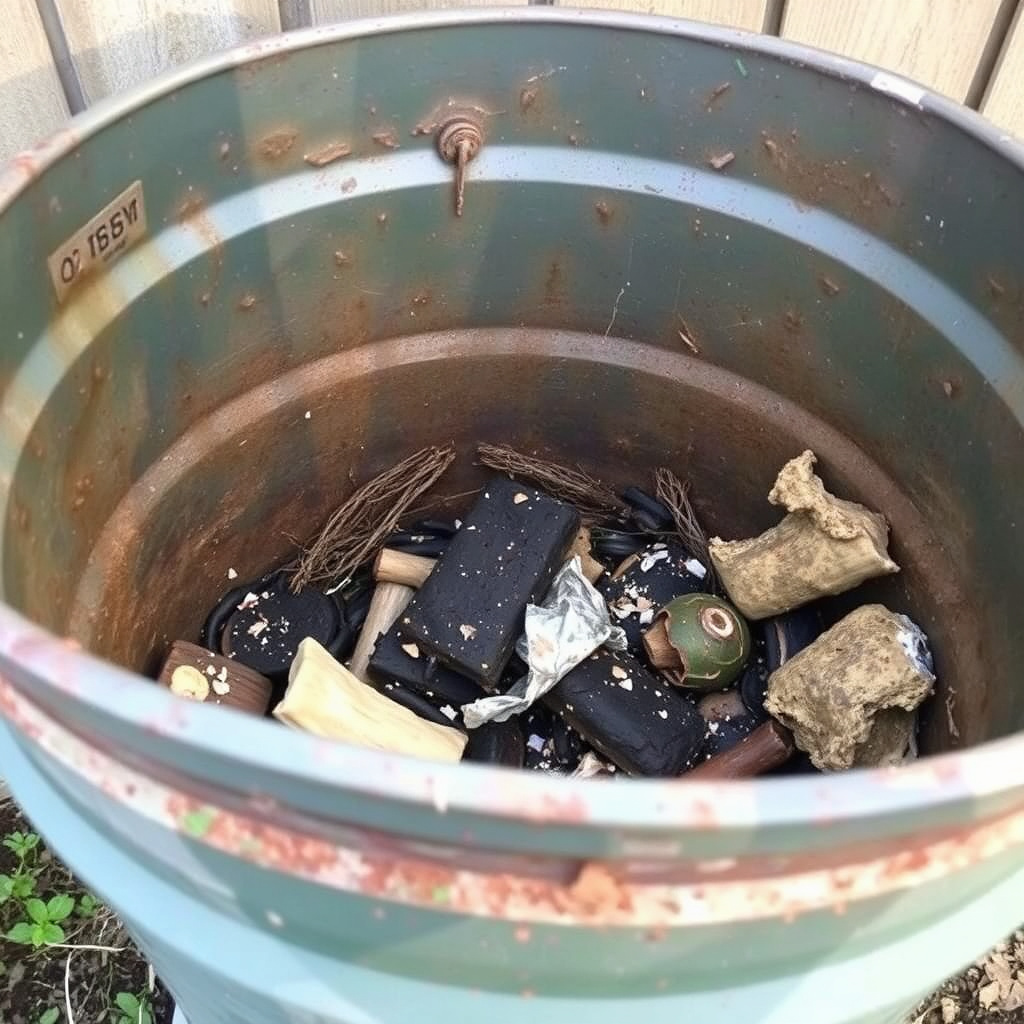
Bad smells in compost usually indicate too much moisture or excessive greens causing anaerobic conditions. Turning the pile and adding more browns can resolve this quickly.
Pests like rodents can be deterred by avoiding meat scraps and using closed compost bins or secure lids.
- Add carbon-rich browns if odors develop
- Turn compost regularly for aeration
- Use sealed bins to keep pests out
For further detailed information about compost, you can visit the Compost page on Wikipedia. Compost on Wikipedia.
Speeding Up the Composting Process
Composting times vary, but shredding materials, maintaining proper moisture and temperature, and turning frequently accelerate decomposition.
Using a compost activator—commercial or homemade—can also introduce beneficial microbes to jumpstart the process.
- Chop or shred materials before adding
- Keep pile moist and warm
- Turn pile at least weekly
Composting Methods Category Comparison
This table compares common composting methods based on space needs, speed, and ease of use to help you choose.
| Method | Space Required | Speed of Composting | Ease of Use | Ideal For |
|---|---|---|---|---|
| Backyard Bin | Large (Garden space needed) | Moderate (2-6 months) | Moderate | Home gardens with ample space |
| Compost Tumbler | Small to Moderate | Fast (1-3 months) | Easy | Users wanting quick compost with less labor |
| Vermicomposting | Very Small (Indoor) | Moderate (2-4 months) | Moderate | Apartment dwellers or small-scale composters |
| Trench Composting | No extra space | Slow (6+ months) | Easy | Gardeners wanting to compost directly in beds |
| Municipal Composting | N/A | Varies | N/A | Urban residents without space to compost |
Frequently Asked Questions
Can I compost meat or dairy products?
Meat and dairy are not recommended for home composting as they attract pests and cause odors. They require special high-temperature composting to break down safely.
How often should I turn my compost pile?
Turning your compost every one to two weeks helps aerate the material and speeds up decomposition, but in small bins, less frequent turning can suffice.
What is the difference between compost and mulch?
Compost is decomposed organic matter used primarily as a soil amendment, while mulch is often raw organic material applied on the soil surface to retain moisture and suppress weeds.
How do I know when compost is ready to use?
Finished compost looks dark brown, crumbly, and smells earthy. Original materials are no longer recognizable, indicating decomposition is complete.
Can I compost weeds from my garden?
Yes, but avoid composting weeds that have gone to seed or perennials with tough roots unless your compost heats up sufficiently to kill seeds and roots.
Key Takeaways
- Compost is decomposed organic matter that enriches soil and supports plant growth.
- A proper balance of greens and browns is essential for effective composting.
- Composting reduces landfill waste and lowers greenhouse gas emissions.
- Various composting methods suit different spaces and needs.
Conclusion
Understanding what compost is and how it functions can transform your approach to gardening and waste management. The main goal is recycling organic waste naturally into a nutrient-dense soil enhancer that benefits plants and the planet alike. By paying attention to the carbon-to-nitrogen ratio, moisture level, and maintaining aeration, anyone can produce quality compost efficiently. This natural process supports healthy soil biology by improving texture, water retention, and delivering slow-release nutrients—elements that cannot be matched by synthetic alternatives.
For gardeners with available yard space, backyard bins or tumblers provide efficient ways to handle larger quantities of organic waste, turning it into useful compost within a few months. Vermicomposting, with red worms digesting scraps, is perfect for urban settings or small indoor areas. Municipal compost programs serve residents without space for home systems, recycling community organic waste. Choosing a composting method depends on your available space, the amount of waste generated, and how quickly you want to produce compost. The environmental benefits include reducing methane emissions and enriching soils naturally, critical for sustainable gardening and climate health.
To start, gather typical compost ingredients from your household and yard, aim to maintain your compost pile with proper balance and moisture, and monitor progress by observing texture and smell. Over time, applying your homemade compost will enhance garden vitality and reduce reliance on chemical fertilizers. Exploring your composting options and experimenting with different techniques will help you find a system that fits your lifestyle, contributing to greener gardening and less waste.