How to Set Up an Indoor Garden: A Step-by-Step Guide for Beginners
Creating an indoor garden starts with selecting the right location that receives adequate natural light or supplementing with grow lights. Next, choose suitable containers and quality soil tailored to the plants you want to grow. Finally, set up a watering schedule and monitor environmental conditions like humidity and temperature to support healthy growth.
Indoor gardening offers benefits beyond decoration: it improves air quality, boosts mood, and brings nature’s calm inside, especially in limited outdoor spaces. However, each plant has unique needs, so setting up your garden thoughtfully ensures success and reduces frustration.
This guide covers everything from choosing the perfect spot, selecting containers, and understanding soil types to lighting options, watering techniques, and troubleshooting common issues. Whether you want herbs on a windowsill or a lush living room green wall, you'll find practical advice to turn your indoor garden idea into a thriving reality.
Choosing the Right Location for Your Indoor Garden

Assessing Natural Light Availability
Understanding the amount of natural light your space receives is essential. South-facing windows usually provide the strongest light, suitable for sun-loving plants like tomatoes and succulents. East- or west-facing windows offer moderate light while north-facing windows deliver lower light, fitting shade-tolerant plants such as ferns or pothos.
Using a light meter or observing direct sunlight duration helps gauge which plants will thrive. When natural light is insufficient, combining it with artificial lighting becomes necessary to meet the plants’ photosynthesis needs.
Managing Temperature and Humidity
Most indoor plants flourish in stable temperatures between 65°F to 75°F (18°C to 24°C). Avoid placing plants near heating vents or drafty windows, which can stress plants and cause leaf damage. Humidity levels around 40-60% support healthy leaf function, especially for tropical plants.
If household air is dry, using a humidifier or grouping plants together creates a microenvironment to maintain moisture. Regularly checking these conditions promotes long-term plant health and reduces pests.
Selecting Containers and Soil for Indoor Gardening

Container Materials and Drainage
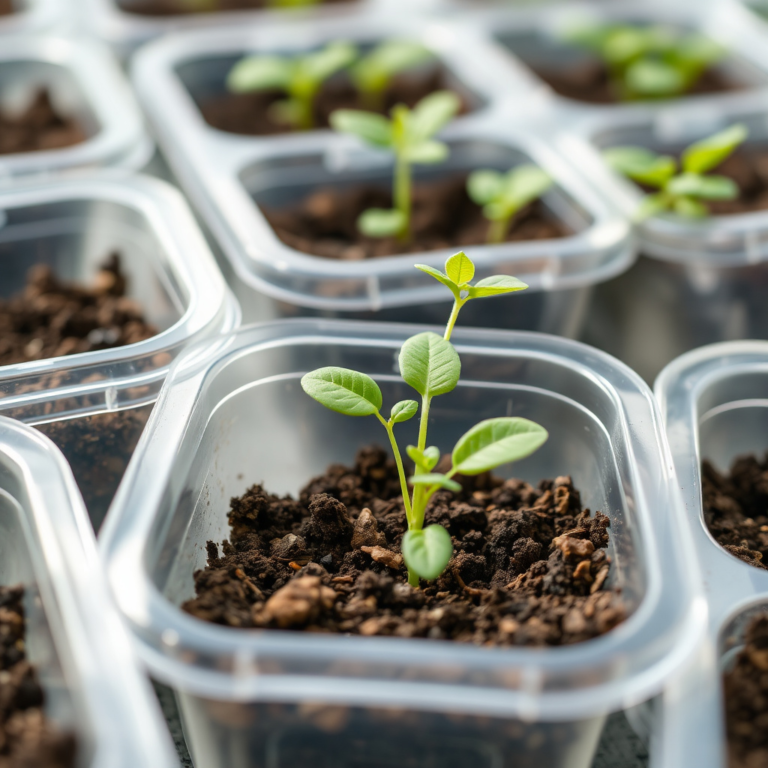
Indoor garden containers range from ceramic and terracotta to plastic and metal. Terracotta pots are porous, allowing better air exchange but dry out faster, suitable for succulents. Plastic pots retain moisture longer, ideal for tropical plants needing constant damp soil.
Choose containers with drainage holes to prevent waterlogging and root rot. Use saucers to catch excess water and prevent damage to furnishings. For decorative pots without drainage, double-potting with a functional inner pot works well.
- Ceramic: aesthetic, porous, moderate moisture retention
- Plastic: lightweight, retains water, less breathable
- Metal: stylish but can heat up; watch moisture levels
- Terracotta: breathable, fast drying
Soil Types and Amendments
Selecting the right soil depends on your plant types. General-purpose potting mix works for most indoor plants, providing good drainage and nutrients. For cacti and succulents, use a gritty, well-draining mix rich in sand or perlite.
Amending soil with organic matter like compost or coconut coir enhances moisture retention and aeration. Checking soil pH and nutrient content helps choose fertilizers appropriate for herbs, flowers, or vegetables in your garden.
- Standard potting soil: balanced moisture and nutrients
- Cactus/succulent mix: fast drainage
- Peat or coconut coir: improves water retention
- Perlite or vermiculite: aeration and drainage
Lighting Solutions for Growing Plants Indoors

Using Natural Light Effectively
Maximizing natural light is the first step in indoor gardening. Position plants near windows where they receive filtered or direct sunlight suitable for their requirements. Rotate pots periodically to ensure even light exposure and prevent plant leaning.
Reflective surfaces such as white walls or mirrors can boost natural light intensity, enhancing growth. Monitoring light duration and intensity helps optimize placement throughout seasonal changes.
For more on this, see our related guide: What Affects Plant Growth: Key Factors Explained for Healthy Gardens.
Artificial Lighting Options
When natural light is limited, artificial grow lights supplement or replace sunlight. LED grow lights are energy-efficient and customizable with adjustable spectra tailored to plant growth stages. Fluorescent lights are budget-friendly but less efficient.
Position grow lights 12 to 24 inches above plants to mimic natural conditions. Use timers to provide plants with 12-16 hours of light daily depending on species. Consistent lighting schedules help maintain healthy photosynthesis cycles.
- LED grow lights: energy-efficient, full spectrum options
- Fluorescent bulbs: affordable, suitable for seedlings
- Incandescent bulbs: generate heat, less effective for growth
- Timers: automate light cycles
Watering and Maintenance Techniques for Indoor Gardens

Watering Frequency and Methods
Indoor plants need watering schedules tailored to species, container type, and environmental conditions. Overwatering causes root rot, while underwatering stresses plants. Check soil moisture before watering by inserting a finger about an inch deep; water only when dry.
Methods include bottom watering to encourage deep root growth and misting to raise humidity for tropical plants. Using well-draining soil and pots prevents water stagnation.
- Check soil moisture regularly
- Avoid water on foliage to reduce disease risk
- Use saucers to catch excess water
- Adjust frequency seasonally
Pruning and Pest Management
Regular pruning shapes plants, removes dead leaves, and encourages healthy new growth. Use clean, sharp tools and prune during active growing seasons. Inspect plants frequently for common pests like spider mites, aphids, or fungus gnats.
Natural remedies such as neem oil or insecticidal soap manage infestations without harsh chemicals. Maintaining proper airflow and humidity also deters pest problems.
- Trim yellow or brown leaves
- Inspect plants weekly
- Use natural pest treatments
- Maintain humidity and airflow
Choosing Plants for Your Indoor Garden

Low-Maintenance Plants for Beginners
Some plants tolerate a range of indoor conditions, making them ideal for beginners. Snake plants, pothos, and ZZ plants require minimal watering and adapt to lower light levels. These are forgiving choices for those new to indoor gardening.
Herbs like basil, mint, and chives grow well in containers with moderate light and provide fresh flavor for cooking, combining utility with aesthetics.
- Snake plant (Sansevieria)
- Pothos (Epipremnum aureum)
- ZZ plant (Zamioculcas zamiifolia)
- Basil, mint, chives
For more on this, see our related guide: How to Read a Seed Catalog: A Complete Guide for Gardeners.
Specialty Plants for Advanced Indoor Gardens
For gardeners ready to experiment, orchids, fiddle leaf figs, and bonsai trees offer distinct visual appeal but require more specific care. These plants demand attention to humidity, light, and pruning techniques.
Certain edible indoor crops like dwarf tomatoes or microgreens need precise temperature and light conditions but reward with homegrown food.
- Orchids: need high humidity and bright indirect light
- Fiddle leaf fig: prefers consistent watering
- Bonsai trees: require specialized pruning
- Dwarf tomatoes and microgreens
Troubleshooting Common Indoor Gardening Challenges

Signs of Overwatering and Underwatering
Overwatered plants often display yellowing leaves, wilting, and soggy soil. Root rot may develop without drainage, causing the plant to collapse. Underwatered plants have dry, crispy foliage and stunted growth.
Correct watering is key to indoor gardening success. Adjust watering based on observation and season, checking soil moisture instead of relying on a fixed schedule.
For a more detailed overview of indoor gardening fundamentals, you can visit this well-rounded indoor gardening basics resource. indoor gardening basics.
Dealing with Pests and Diseases
Indoor gardens can attract pests like spider mites, mealybugs, and fungus gnats. Diseases such as powdery mildew or leaf spot may also occur, particularly in high humidity or poor airflow.
Promptly isolate affected plants, remove infected parts, and apply organic treatments. Keeping plants healthy with proper hygiene and environment reduces vulnerability.
Indoor Garden Setup Options Comparison
Here’s a comparison of popular indoor garden setups to help you decide which suits your space, budget, and gardening goals.
| Garden Type | Light Source | Maintenance Level | Ideal Plants | Cost Range |
|---|---|---|---|---|
| Windowsill Herb Garden | Natural window light | Low | Basil, mint, parsley | $10 – $30 |
| LED Shelf Garden | LED grow lights | Medium | Leafy greens, succulents | $50 – $150 |
| Hydroponic System | Integrated LED lighting | High | Tomatoes, lettuce | $100 – $300 |
| Terrarium | Indirect natural or low artificial | Low | Ferns, mosses | $20 – $60 |
| Green Wall Panel | Natural + supplementary lighting | High | Various houseplants | $200 – $500 |
Frequently Asked Questions
How often should I water my indoor plants?
Watering frequency varies by plant type and environment. Generally, water when the top inch of soil feels dry. Overwatering can damage roots, so it's better to err on the side of dryness and check soil moisture before watering.
Can I grow vegetables indoors all year round?
Yes, growing vegetables indoors year-round is possible with sufficient light, usually from grow lights. Varieties like lettuce, herbs, and dwarf tomatoes are well-suited for indoor cultivation under controlled conditions.
What is the best type of soil for indoor plants?
A well-draining potting mix formulated for indoor plants works best. For succulents or cacti, use a mix with added sand or perlite to ensure quick drainage and prevent root rot.
Do indoor plants need fertilizer?
Indoor plants benefit from feeding during their active growth phases. Use a balanced, water-soluble fertilizer every 4-6 weeks to supply necessary nutrients, adjusting based on plant type and growth rate.
How can I prevent pests in my indoor garden?
Maintaining good airflow, avoiding overwatering, and inspecting plants regularly help prevent pests. Natural treatments like neem oil and insecticidal soap can address infestations early without harmful chemicals.
Key Takeaways
- Select a well-lit, stable environment for your indoor garden
- Use containers with drainage and suitable soil mixes
- Supplement natural light with grow lights when needed
- Tailor watering and care routines to your plants’ needs
Conclusion
Setting up an indoor garden requires thoughtful attention to location, lighting, containers, and daily care routines. By understanding each plant’s unique requirements for light, water, and environment, you can cultivate a thriving indoor space that elevates your home's atmosphere and wellbeing. A practical approach focusing on gradual learning and observation will make your indoor gardening successful and enjoyable.
For beginners, starting with low-maintenance plants like snake plants or herbs in a well-lit windowsill garden can build confidence. Those interested in more advanced setups might explore hydroponic systems or green wall panels with LED lighting to grow a wider variety of plants year-round. Adapting your setup to available space, light conditions, and lifestyle is key for long-term satisfaction.
Now that you know how to set up an indoor garden, take a small step today—choose your plants and containers and find the best spot with good light. With regular care and patience, your indoor garden will flourish and bring fresh greenery and improved air quality into your living space.