What Is a Grow Medium? A Clear Guide to Plant Growth Substrates
A grow medium is any material used to support plant roots and provide necessary conditions for growth, such as anchorage, water retention, and nutrient delivery. Commonly, natural or synthetic substrates like soil, coco coir, or hydroponic gels serve as grow media, enabling plants to access essential resources.
Grow media play a vital role in gardening and horticulture by influencing root development, moisture control, and nutrient availability. Choosing the right grow medium can determine how well plants thrive, affecting their health, growth speed, and yield.
This article will explore different grow mediums, their characteristics, how they affect plant growth, and which options may be best suited for various gardening setups, including traditional soil gardening and hydroponic systems.
Types of Grow Mediums and Their Properties
Soil-Based Grow Mediums
Soil is the most traditional grow medium, composed of organic matter, minerals, air, and water. Its natural nutrient content supports plant roots, and its texture influences water retention and aeration.
Different soil types, like sandy, clayey, or loamy soils, vary in drainage and fertility. Gardeners often amend soil with compost or fertilizers to improve its properties for plant growth.
- Offers natural nutrients
- Varies in texture from sandy to clayey
- Requires regular amendment for best results
Soilless Grow Mediums
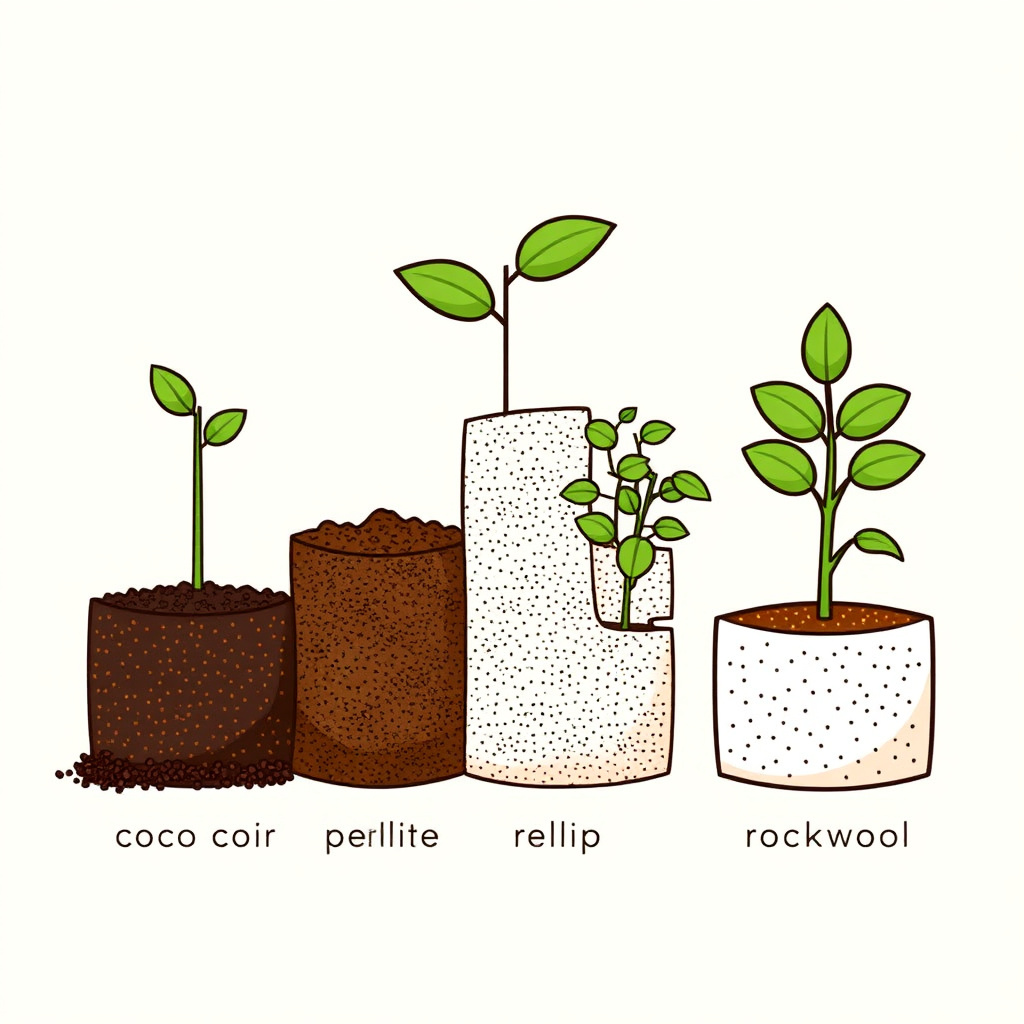
Soilless grow mediums, such as coco coir, perlite, and vermiculite, are popular in controlled environments like greenhouses and hydroponics. They provide excellent aeration and moisture retention without soil's variability.
These media are often sterile, reducing the risk of soil-borne diseases, and allow precise nutrient management since nutrients are delivered via solutions rather than from the medium itself.
- Consistent texture and composition
- Sterile and disease-resistant
- Require external nutrient sources
How Grow Mediums Affect Plant Growth
Water Retention and Drainage
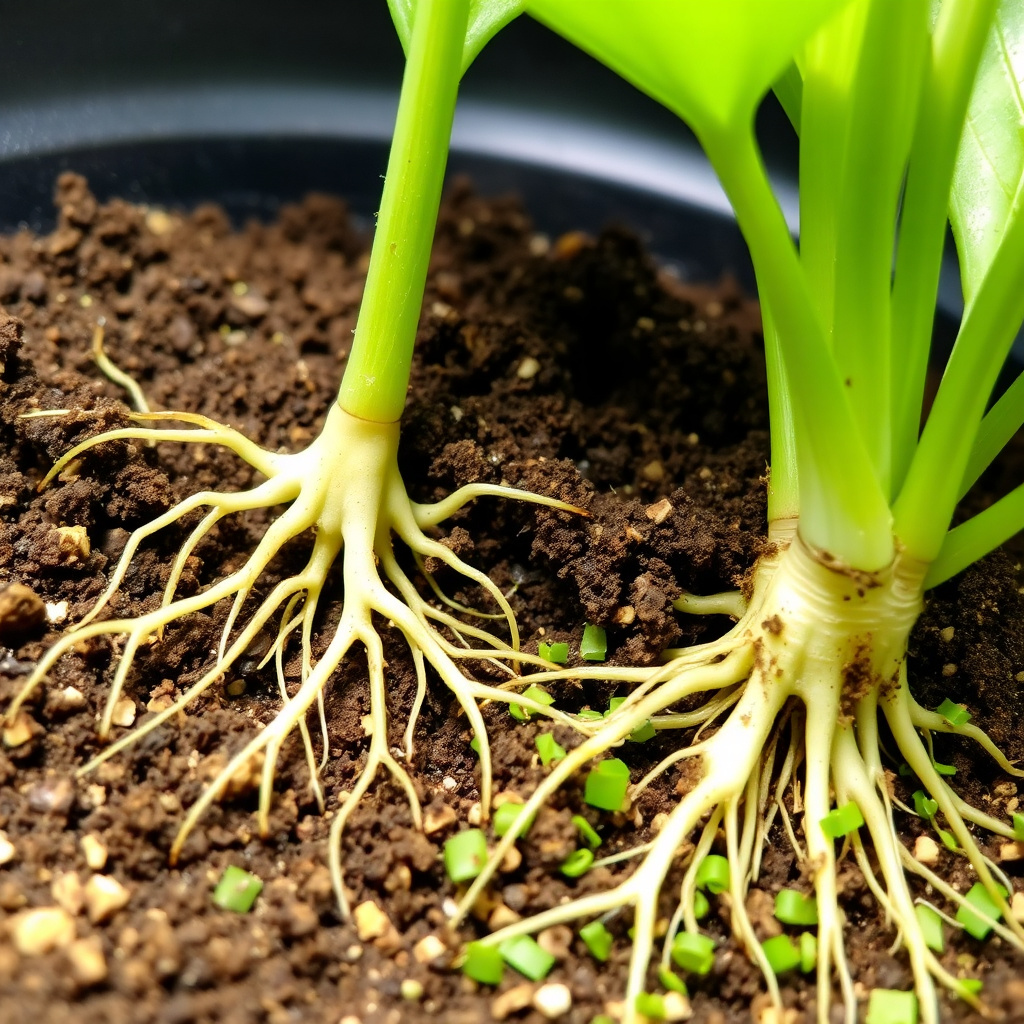
Grow mediums must balance holding sufficient water and providing proper drainage. Too much water retention can drown roots, while too little leads to dehydration.
Materials like peat moss retain water well but may compact, while perlite improves drainage. Choosing the right mix ensures roots get moisture without stagnation.
- Water-holding capacity impacts root hydration
- Good drainage prevents root rot
- Adjust medium mix based on plant species
Aeration and Root Health
Oxygen availability in the grow medium is essential since roots need oxygen to respire. Compacted or dense materials reduce aeration, slowing growth.
Light, porous materials like vermiculite or coco coir promote airflow and healthy root development, encouraging stronger plants.
- Roots require oxygen for respiration
- Aeration prevents root diseases
- Porous mediums improve root structure
Choosing the Best Grow Medium for Different Plants
Grow Mediums for Succulents and Cacti
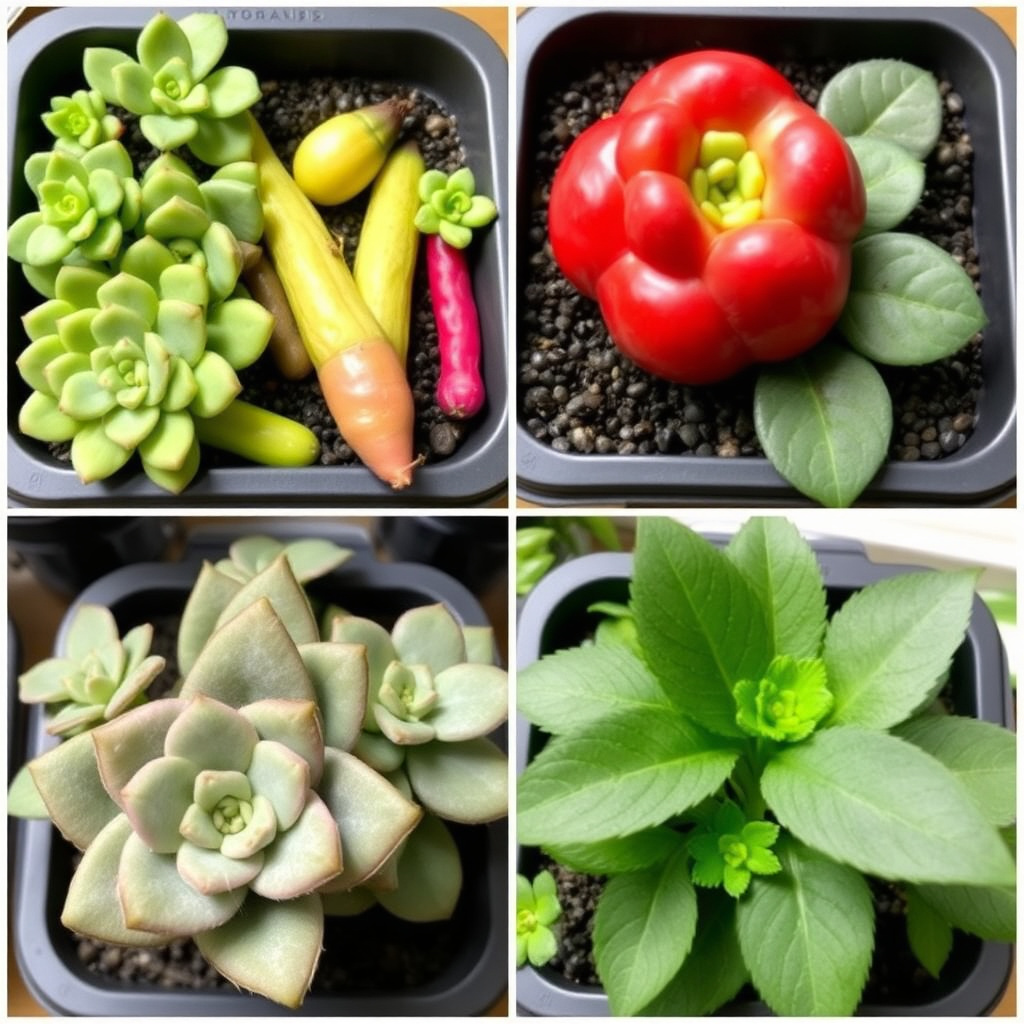
Succulents require well-draining grow mediums to mimic their natural arid environments. Mixes with sand, perlite, or pumice prevent water retention that can cause root rot.
A gritty, fast-draining soil mix ensures succulents receive moisture but dry out quickly between watering cycles.
- Use sandy or gritty soils
- Avoid moisture-retentive materials
- Includes inorganic particles like perlite
For more on this, see our related guide: Cannabis Flowering Time Explained: How to Optimize Your Grow Cycle.
Grow Mediums for Vegetables and Herbs
Vegetables thrive in nutrient-rich, moisture-retentive grow mediums. Loamy soil amended with compost or coco coir blends provide good water retention and air balance.
Soilless mediums are also popular with hydroponic herbs, as they allow precise nutrient control and cleaner harvesting.
- Use loamy, fertile soil
- Blend with compost or coco coir for moisture
- Consider hydroponic substrates for controlled growth
Hydroponic Grow Mediums: Key Characteristics
Rockwool and Its Advantages
Rockwool is a fibrous, inert grow medium used widely in hydroponics. It holds water efficiently while providing ample oxygen access to roots.
Its sterile nature prevents pest and disease issues, and it supports seedlings well, making it a favorite for commercial growers.
- Excellent water retention
- Good aeration
- Sterile and reusable
Clay Pebbles and Other Inorganic Media
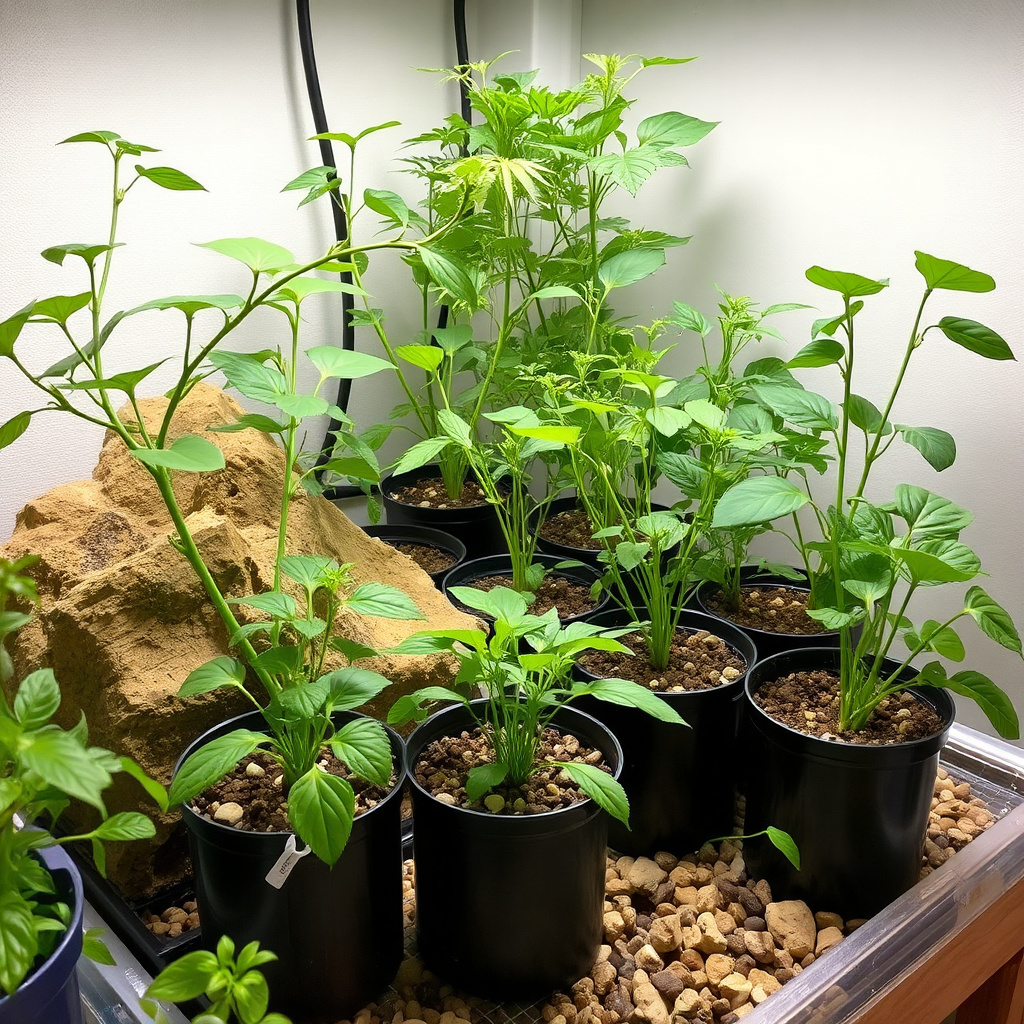
Expanded clay pebbles are lightweight, porous, and reusable. They offer excellent drainage and aeration but hold less water compared to rockwool.
Growers often combine clay pebbles with other media or nutrient solutions to keep roots moist and healthy.
- High drainage and aeration
- Reusable and durable
- Needs supplemental irrigation
Preparing and Maintaining Grow Mediums
Sterilization and Conditioning
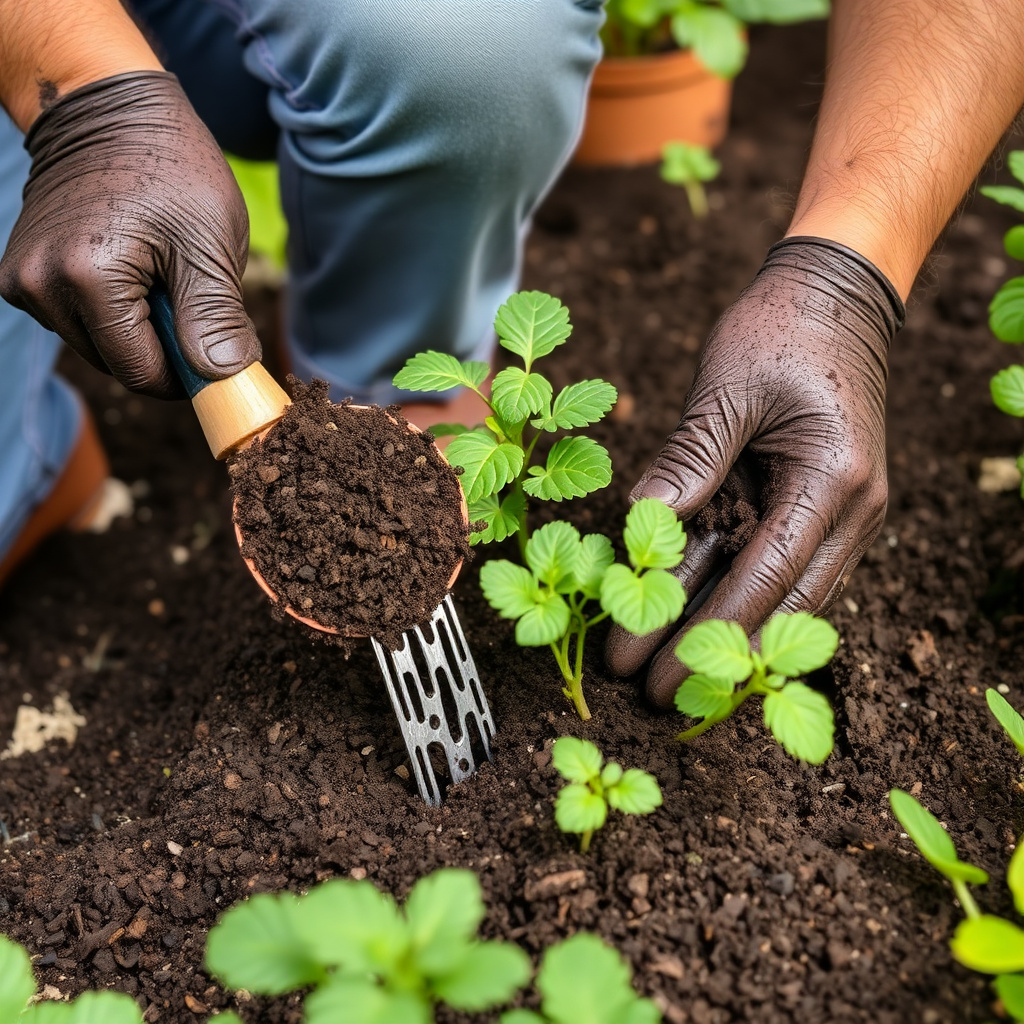
Sterilizing grow mediums, especially soil, helps eliminate pests and pathogens. Techniques include heating soil or using steam treatments.
Conditioning involves adjusting pH and nutrient levels to optimize growth conditions before planting.
- Soil steaming or baking
- Adjusting pH with lime or sulfur
- Adding fertilizers or organic matter
For more on this, see our related guide: How to Prevent Root Rot in Plants: Effective Strategies for Healthy Growth.
Monitoring Moisture and Nutrients
Regularly checking moisture levels prevents root stress. Tools like moisture meters help maintain correct hydration.
Supplementing grow mediums with nutrients or fertilizers is essential for soilless substrates, ensuring plants receive balanced nutrition.
- Use moisture meters to guide watering
- Apply appropriate fertilizers
- Flush medium occasionally to prevent salt buildup
Environmental Impact and Sustainability of Grow Mediums
Sustainable Choices in Organic Grow Mediums
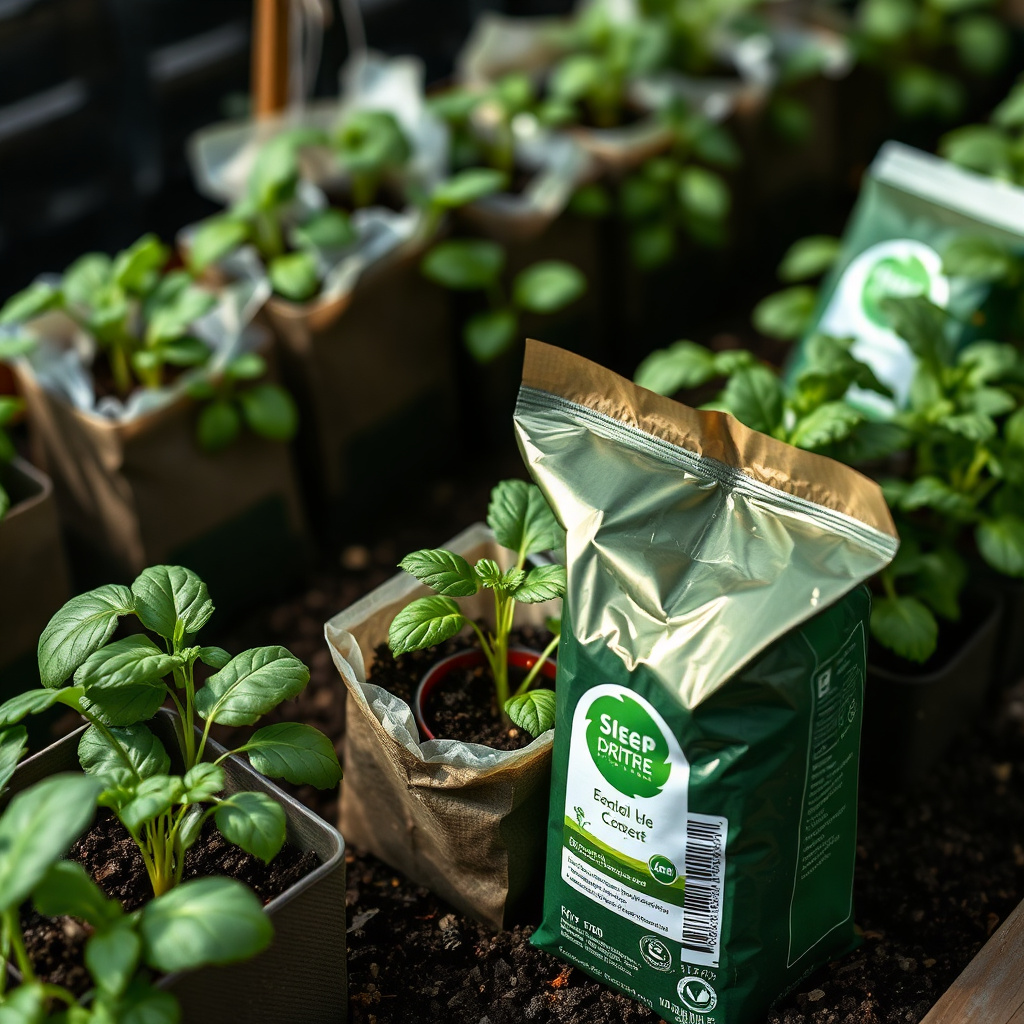
Organic grow mediums like coconut coir are renewable alternatives to peat moss, which depletes non-renewable bog ecosystems.
Using recycled materials or sustainably harvested components reduces environmental footprint while supporting plant health.
- Coconut coir is renewable and widely available
- Avoid peat moss where possible
- Use composted organic matter
For a detailed overview of various grow mediums and their scientific definitions, consult Grow medium information on Wikipedia. Grow medium information on Wikipedia.
Disposal and Reuse Strategies
Proper disposal of grow mediums helps minimize waste. Some soilless media like clay pebbles can be cleaned and reused multiple times.
Composting spent organic media returns nutrients to soil and avoids landfill buildup.
- Reuse inorganic media where possible
- Compost organic grow residues
- Minimize synthetic waste in grow setups
Grow Medium Category Comparison
Here is a comparison of common grow medium categories, highlighting key features and best uses.
| Category | Water Retention | Aeration | Nutrient Content | Ideal Use |
|---|---|---|---|---|
| Soil | High | Variable | Naturally rich | General gardening, outdoor plants |
| Coco Coir | Moderate | Good | Low, needs supplementation | Container plants, hydroponics |
| Perlite | Low | Excellent | None | Improving drainage and aeration |
| Rockwool | High | Good | None | Hydroponics, seed starting |
| Clay Pebbles | Low | Excellent | None | Hydroponics, aeration medium |
| Sand-based Mix | Low | Good | Minimal | Succulents and cacti |
Frequently Asked Questions
Can I use the same grow medium for all my plants?
Different plants have specific needs; using the same grow medium for all may not provide optimal water retention or aeration. Adjusting the medium type to plant species helps ensure better growth.
Is soil necessary for growing healthy plants?
Soil is a common grow medium but not strictly necessary. Alternatives like coco coir or hydroponic media can support healthy plants when nutrients are supplied correctly.
How often should I change or refresh my grow medium?
Organic grow mediums should be refreshed or replaced when they degrade, usually every growing season. Inorganic media can be reused after cleaning, depending on condition.
What makes a grow medium good for hydroponics?
A good hydroponic grow medium holds sufficient water while providing ample oxygen and is inert to avoid chemical interference, such as rockwool or clay pebbles.
How can I test if my grow medium has the right moisture level?
Moisture meters can measure wetness accurately. Alternatively, feel the medium to ensure it’s moist but not soggy; proper drainage is crucial for root health.
Key Takeaways
- A grow medium supports plant roots by providing water, air, and nutrients.
- Soil-based and soilless media each have pros and cons depending on plant needs.
- Water retention and aeration are critical factors in medium selection.
- Sustainable choices like coconut coir reduce environmental impact.
Conclusion
Selecting the right grow medium requires balancing plant requirements for water, air, and nutrients. Understanding the properties of various grow media—from soil to soilless options like coco coir or rockwool—helps gardeners create favorable root environments. Factors such as drainage, aeration, and fertility must be adjusted according to the plant species and growing method chosen to promote robust growth and resist common root problems.
For succulent and cactus growers, gritty, fast-draining media like sand-based mixes or perlite help avoid root rot caused by excess moisture. Vegetable and herb gardeners benefit from loamy or amended soil that retains moisture and supplies nutrients more readily, while hydroponic users rely heavily on sterile, inert substrates such as rockwool or clay pebbles that allow precise nutrient delivery. Each category offers specific advantages aligned with the plant type and growing environment.
As a practical next step, test your current grow medium for moisture and nutrient balance, and consider whether switching or modifying your substrate can improve your plants’ health. For more research, exploring how different media perform in your climate and setup will guide smarter choices and more successful gardening outcomes.