How to Water Plants Indoors: A Practical Guide for Thriving Houseplants
Watering plants indoors requires balancing moisture levels according to each plant’s needs, soil type, and container drainage. The key is to water thoroughly but infrequently, allowing the soil to dry to some extent between sessions to avoid root rot and other issues related to overwatering. Paying close attention to your plant’s environment and signs of thirst or excess moisture will help you keep them healthy and vibrant.
Indoor watering matters because houseplants don’t have natural rain cycles and usually live in more controlled, drier air conditions than outdoors. Unlike watering outdoor plants, indoor plants often need customized schedules and amounts since room temperature, humidity, and pot material heavily influence how quickly soil dries out. Understanding how different variables affect watering is essential for preventing problems like yellowing leaves or root decay.
This article covers how to water plants indoors effectively, including understanding watering frequency, monitoring soil moisture, the impact of pot and soil types, and troubleshooting common watering issues. We’ll also explore special tips for popular indoor plants and tools that can help you maintain an ideal watering routine.
Understanding Watering Frequency for Indoor Plants

Factors Influencing How Often to Water
Several key factors determine how often you should water your indoor plants including plant species, pot size, soil composition, and indoor climate. Tropical plants generally prefer more consistent moisture, whereas succulents and cacti require less frequent watering due to their water-storing capabilities. Smaller pots dry out faster, so they often need watering more frequently.
Indoor temperature and humidity levels also impact watering frequency. Warm, dry rooms cause faster soil evaporation, while cooler or more humid rooms can slow the drying process. Considering all these aspects helps prevent overwatering or underwatering.
- Plant species water needs vary
- Pot size affects soil drying time
- Soil type influences moisture retention
- Room temperature and humidity play roles
Signs Your Indoor Plant Needs Water
A well-watered plant retains firm, healthy leaves, while signs like drooping, yellowing, or brittle foliage may indicate the need for water. Checking soil moisture manually by touching or inserting a finger or moisture meter is an effective way to confirm if your plant is thirsty. Soil that feels dry at a depth of about 1-2 inches generally means it's time to water.
However, some plants show subtle signs that vary with species. Succulents, for example, may develop wrinkled leaves as an early signal of thirst, whereas tropical houseplants might display leaf curling or losing luster. Learning these cues for your specific plants ensures you water at the right moment.
Choosing the Right Watering Method for Indoor Plants

Top-Watering Versus Bottom-Watering Techniques
Top-watering is the most common method where water is poured directly onto the soil surface, saturating the root zone and draining out the pot’s holes if available. This method allows you to visually confirm soil moisture and flush out salts but can sometimes cause excess moisture buildup if done too frequently.
Bottom-watering involves placing the pot in a tray of water, letting it absorb moisture through drainage holes. This technique reduces leaf wetness, lowers surface mold risk, and encourages roots to grow downward, but requires careful timing to avoid soggy soil from prolonged soaking.
- Top-watering: easy and thorough
- Bottom-watering: reduces leaf moisture
- Both methods need proper drainage
Using Tools to Manage Indoor Plant Watering
Watering cans with narrow spouts allow precision and controlled flow, preventing soil displacement and overwatering, especially for delicate plants or small pots. Spray bottles are great for increasing humidity around plants needing moisture on leaves but are not substitutes for deep watering.
Moisture meters can provide objective measurements of soil dampness, helping you decide when to water without guesswork. Additionally, self-watering pots and reservoirs automate watering by slowly releasing water into the root zone, ideal for busy or forgetful plant owners.
- Watering can for directed watering
- Spray bottles for humidity boost
- Moisture meters for accurate checks
- Self-watering pots for convenience
Soil Selection and Its Role in Water Retention

Types of Soil Suitable for Indoor Plants
Choosing the right soil mix directly influences how well your indoor plants retain water and drain excess moisture. Standard potting soil blends often include peat moss, perlite, and vermiculite to balance moisture retention with aeration. For instance, cacti and succulents need gritty, fast-draining soil, whereas tropical plants thrive in richer, moisture-retentive soil.
Avoid garden soil indoors, as it may compact too much and hinder water movement. The ideal potting medium provides enough nutrients, resists compaction, and holds moisture without waterlogging.
- Peat moss improves moisture retention
- Perlite adds aeration and drainage
- Vermiculite holds humidity
- Avoid heavy garden soil
For more on this, see our related guide: How to Transplant Seedlings Without Stressing Your Plants.
Soil Preparation and Repotting Tips
Repotting plants into fresh soil every 1-2 years can improve watering outcomes by refreshing nutrients and reducing compacted soils that retain too much water. When repotting, choose pots with visible drainage holes and add a layer of gravel or broken pottery shards to improve drainage.
Mixing your own soil blend tailored to your plant’s needs can enhance health, such as adding sand to speed drainage for succulents or compost to enrich tropical varieties. Proper soil preparation leads to more predictable watering routines.
Dealing with Common Watering Mistakes Indoors

Preventing Overwatering and Root Rot
Overwatering is the most frequent cause of indoor plant problems, often leading to root rot and fungal infections. Symptoms include yellowing leaves, soggy soil, and a foul odor from roots. To prevent this, only water when the topsoil feels dry and make sure excess water drains fully from pots. Avoid letting plants sit in standing water.
Using well-draining soil and pots with drainage holes mitigates risk. If root rot is suspected, removing the plant from its pot, trimming affected roots, and repotting with fresh soil can sometimes save it.
- Check soil dryness before watering
- Ensure pots have drainage holes
- Stop watering if soil remains soggy
- Trim infected roots if needed
Signs and Solutions for Underwatering
Underwatering causes wilting, dry soil, and brown, crispy leaf edges. If you notice these signs, increase watering frequency and consider misting plants that like humidity. However, suddenly saturating severely dry plants can shock roots, so rehydrate gradually by watering lightly multiple times.
Regularly monitoring soil moisture and adjusting your schedule when seasons or indoor conditions change will keep underwatering at bay and help plants maintain consistent health.
Special Tips for Watering Popular Indoor Plants

Watering Techniques for Tropical Houseplants
Tropical plants such as monstera, philodendrons, and peace lilies prefer consistently moist but not soggy soil. Water thoroughly and allow water to drain freely. Mist leaves regularly to simulate their native humid environment but avoid water pooling on leaves to prevent fungal diseases.
These plants benefit from slightly warmer water at room temperature. Avoid watering on cold surfaces or with cold water to reduce stress.
For more on this, see our related guide: How to Prevent Root Rot in Plants: Effective Strategies for Healthy Growth.
Caring for Succulents and Cacti
Succulents and cacti store water in their leaves and stems and require less frequent watering. Use a fast-draining soil mix and wait until soil is completely dry before watering again. Water deeply but infrequently to encourage robust root development.
During winter dormancy, reduce watering frequency even more, sometimes watering only once a month depending on indoor climate.
Tools and Technology to Simplify Indoor Plant Watering
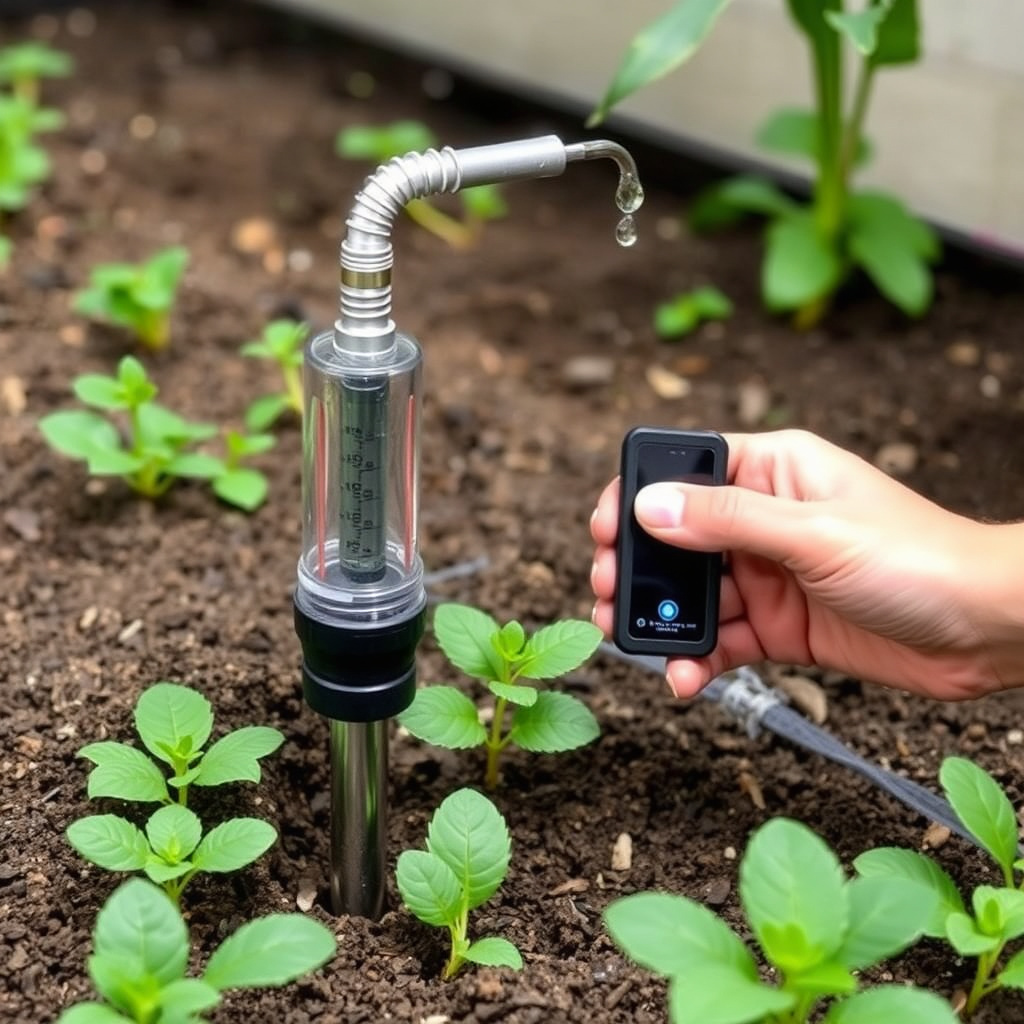
Using Moisture Meters for Accurate Watering
Moisture meters can be particularly helpful for indoor gardeners new to plant care or those with many diverse plants. These devices measure soil moisture at several depths, reducing guesswork and the risk of overwatering. Inexpensive models provide quick feedback, while more advanced meters offer data logging and app integration.
Regular use of a moisture meter enables better scheduling and prevents watering mistakes that arise from visual assessments alone.
For more detailed advice on indoor plant watering, the Royal Horticultural Society offers trusted resources on houseplant care. Indoor gardening guidance.
Automated Watering Systems for Convenience
Automated watering systems, including self-watering pots and drip irrigation setups for indoor plants, can maintain consistent moisture levels during busy periods or vacations. These systems deliver small, measured amounts of water over time, preventing drying out or pooling.
However, these require installation and occasional maintenance, so beginners should understand their plant’s needs before relying fully on automation.
Indoor Plant Watering Methods Comparison
The table below compares common indoor plant watering methods based on ease of use, moisture control, and suitability for plant types.
| Method | Ease of Use | Moisture Control | Best for Plant Types |
|---|---|---|---|
| Top-Watering | High | Good | Most houseplants |
| Bottom-Watering | Moderate | Excellent | Humidity-sensitive, tropical plants |
| Misting | Easy | Limited | Ferns, tropical foliage |
| Self-Watering Pots | Easy | Consistent | Busy gardeners, succulents |
| Automated Drip System | Low | Precise | Large collections, remote care |
Frequently Asked Questions
How can I tell if I am overwatering my indoor plants?
Signs of overwatering include yellowing leaves, soft or mushy stems, soggy soil, and sometimes a musty smell. If the soil remains wet several days after watering and roots appear brown or rotten, overwatering is likely the issue.
Is it better to water indoor plants in the morning or evening?
Watering in the morning is preferable as it allows excess moisture to evaporate during the day, reducing fungal risks. Evening watering can cause prolonged dampness on foliage and soil, potentially leading to mold or rot.
How do I water succulents differently from other houseplants?
Succulents require deep but infrequent watering. Allow the soil to dry completely before watering again to mimic their natural arid conditions, contrasting with tropical plants that prefer more regular moisture.
Can I use tap water for indoor plants?
Tap water is usually fine for most indoor plants but letting it sit for 24 hours before use allows chlorine to dissipate. Some sensitive plants may benefit from filtered or rainwater to avoid mineral buildup.
How does pot material affect watering needs?
Porous materials like terracotta absorb moisture and can cause soil to dry faster, requiring more frequent watering. Plastic pots retain moisture longer, which suits plants preferring consistent dampness.
Key Takeaways
- Check soil moisture before watering to prevent over- or underwatering.
- Choose watering methods based on plant type and pot drainage.
- Adjust watering frequency according to indoor climate and season.
- Use tools like moisture meters for accurate watering decisions.
Conclusion
Watering indoor plants effectively involves a thoughtful balance of frequency, technique, and attention to individual plant needs rather than following a one-size-fits-all schedule. By closely observing soil moisture and plant condition, you can adapt watering to prevent problems like root rot or dehydration. Selecting proper soil, pot type, and humidity support also contributes to successful watering routines. Ultimately, developing a watering habit based on these variables will support healthier, longer-living houseplants.
For plants that require consistently moist soil such as tropical species, top-watering with thorough drainage and occasional misting works well. Succulents and cacti benefit more from a bottom-watering approach and less frequent intervals to avoid excess moisture. For those new to indoor gardening or managing many plants, tools such as moisture meters or self-watering pots can simplify care. Considering these options allows you to match watering practices to your lifestyle and plant collection effectively.
A good next step is to evaluate your current watering routine and compare it with the guidelines here. Experiment with simple changes like testing soil moisture before watering or switching to bottom-watering for specific plants. Over time, tracking plant responses will refine your process, resulting in thriving greenery. This practical approach to how to water plants indoors empowers you to maintain a vibrant and healthy indoor garden.