What Health Benefits Do Chia Seeds Do for You?
Are you looking for simple ways to boost your health without overhauling your entire diet? Many people struggle with finding effective, natural options that fit into a busy lifestyle. If that’s you, you’re not alone.
Chia seeds offer numerous health benefits that support your overall well-being. They boost heart health with omega-3 fatty acids, reduce inflammation, and help manage blood sugar levels.
Their high fiber content keeps you full longer, aiding weight control and improving digestion. Plus, they provide sustained energy and support brain health.
Incorporating them into your diet is easy, and if you keep exploring, you’ll uncover even more ways these tiny seeds can benefit you.
Key Takeaways
- Rich in omega-3 fatty acids, supporting brain health and cognitive function.
- High in fiber, which promotes digestion, keeps you feeling full, and helps stabilize blood sugar levels.
- Contains healthy fats and nutrients that improve heart health and can help lower cholesterol.
- Enhances digestive health by aiding regular bowel movements and nurturing gut bacteria.
- Supports weight management through appetite control and a steady release of energy.
What Are Chia Seeds and Why Are They a Superfood?
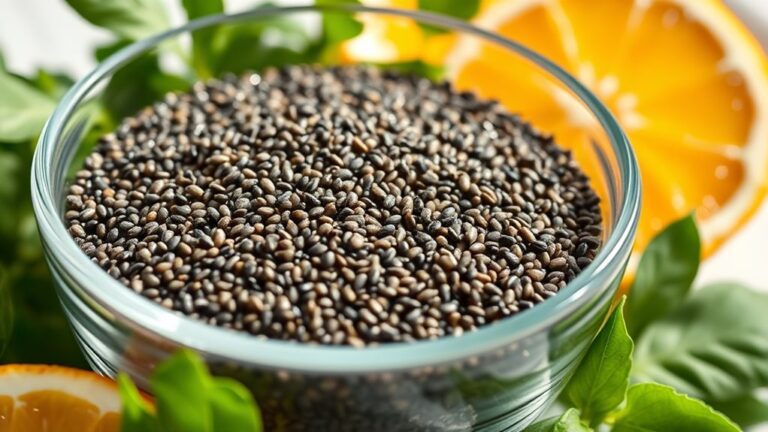
Chia seeds are tiny, nutrient-packed seeds from the Salvia hispanica plant, which comes from Central America. Their roots go back to ancient civilizations like the Aztecs and Mayans, who used them for their energy-boosting qualities.
Today, they’re known as a superfood because of their impressive nutritional profile. These seeds are loaded with fiber, healthy fats, protein, vitamins, and minerals, making them a versatile addition to your diet.
Their high omega-3 fatty acids support brain health, while fiber helps with digestion and keeps you feeling full. Chia seeds are low in calories but packed with nutrients, giving you a lot of value in a small package.
Since they can absorb liquid and form a gel, they’re perfect for adding to smoothies, yogurt, or baked goods. Their long history and dense nutrient profile make chia seeds a powerful superfood that can boost your overall health.
What Nutrients Are in Chia Seeds?
Chia seeds are a concentrated source of essential nutrients that can greatly improve your diet. They pack a lot of nutrients into a small serving, making them a great addition to your meals. You can add them to smoothies, baked goods, or sprinkle them on yogurt for an easy boost.
Here’s a look at what nutrients you’ll find in chia seeds:
| Nutrient | Benefits |
|---|---|
| Omega-3 fatty acids | Support brain and joint health |
| Fiber | Helps with digestion and keeps you feeling full |
| Protein | Supports muscle repair and growth |
| Calcium | Strengthens bones and teeth |
| Antioxidants | Protect cells from damage |
These nutrients make chia seeds a powerhouse for supporting overall health. Their high nutrient density means they’re an easy way to boost your intake—just sprinkle on oatmeal or mix into your favorite recipes.
How Do Chia Seeds Support Heart Health?
The nutrients found in chia seeds, such as omega-3 fatty acids and fiber, play a big role in supporting heart health. Their omega benefits help reduce triglyceride levels and boost overall cardiovascular support.
Eating chia seeds can help lower bad cholesterol levels (LDL), which is key for preventing clogged arteries and heart disease. The high fiber content promotes better nutrient absorption and helps reduce inflammation, both important for a healthy heart.
Chia seeds’ anti-inflammatory properties help decrease inflammation, a major factor in many cardiovascular issues. Regular intake can support healthy blood pressure and improve circulation.
By adding chia seeds to your diet, you strengthen your heart’s resilience and lower the risk of heart problems. Their nutrient-rich profile makes them a simple, effective part of a heart-healthy lifestyle.
Can Chia Seeds Help You Manage Weight?
Have you ever wondered how a tiny seed can support your weight management goals? Chia seeds might be a helpful addition to your plan, especially for weight loss and appetite control.
Tiny chia seeds can boost weight loss and curb appetite naturally.
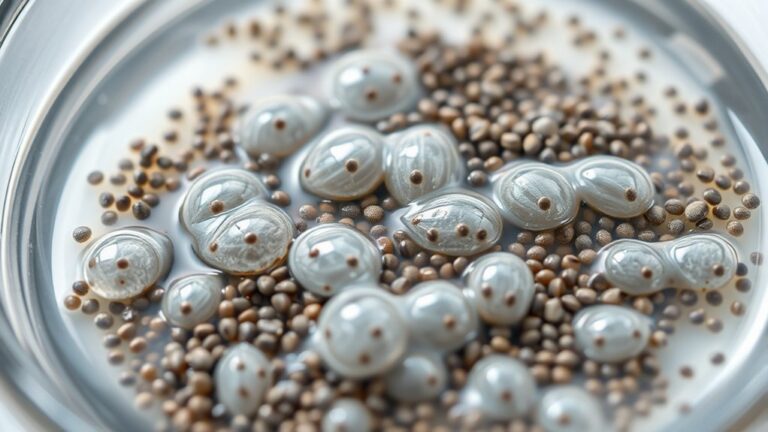
They’re high in fiber, which helps you feel full longer and reduces the urge to snack between meals. When you soak chia seeds, they form a gel-like texture that slows digestion, keeping you satisfied for hours.
This can prevent overeating and unnecessary calorie intake. Plus, chia seeds are nutrient-dense but low in calories, making them a smart choice for a weight management diet.
You can add them to smoothies, yogurt, or oatmeal to boost your fiber intake without adding much sugar or fat. While they aren’t a magic fix, chia seeds support your efforts by helping you control hunger and stay on track with your calorie goals.
How Do Chia Seeds Improve Digestive Health?
Because of their high fiber content, chia seeds can greatly improve your digestive health by promoting regular bowel movements and preventing constipation. The fiber helps bulk up stool, making it easier to pass through your gut.
Furthermore, chia seeds deliver hydration benefits. They absorb water, which softens stool and supports overall gut function. Their prebiotic effects nurture healthy gut bacteria, boosting your gut health and immune response.
Chia seeds also contain digestive enzymes that aid in breaking down food, improving nutrient absorption and reducing discomfort. By supporting smooth digestion, they can help reduce inflammation in the gut lining, which is beneficial if you experience digestive issues.
Do Chia Seeds Boost Brain Function and Focus?
Ever wonder if chia seeds can sharpen your mind? They may support brain health and improve cognitive function thanks to their rich nutrient profile. Chia seeds contain omega-3 fatty acids, which are essential for maintaining healthy brain cell membranes and improving focus. Their high fiber content helps regulate blood sugar levels, preventing energy dips that can impair concentration. Moreover, antioxidants in chia seeds combat oxidative stress, protecting your brain from damage. Incorporating chia seeds into your diet might boost mental clarity and memory over time.
Chia seeds boost brain health with omega-3s, fiber, and antioxidants for clearer focus and better memory.
Here are some ways chia seeds support your brain:
- Provide omega-3s that promote healthy nerve function
- Stabilize blood sugar for consistent energy levels
- Offer antioxidants that protect against cognitive decline
While more research is needed, adding chia seeds to your meals could be a simple step toward better brain health and sharper focus.
How Do Chia Seeds Increase Energy and Endurance?
Want to know how chia seeds can boost your energy and endurance during workouts? When you add them to your diet, they give your body a natural energy lift and help improve endurance.
Chia seeds are full of soluble fiber, which slows digestion and releases energy gradually, keeping you energized longer. Their high omega-3 fatty acid content also helps reduce inflammation, making it easier to work out longer and recover faster.
Here’s a quick look at how chia seeds support your performance:
| Benefit | How It Works | Result |
|---|---|---|
| Energy Boost | Stabilizes blood sugar levels | More sustained energy |
| Endurance Improvement | Reduces inflammation and fatigue | Longer workout sessions |
| Hydration Support | Absorbs water and retains fluids | Better stamina |
| Nutrient Supply | Provides essential vitamins and minerals | Faster recovery |
Adding chia seeds to your routine can help you push further and stay energized longer.
What Minerals and Antioxidants Are in Chia Seeds?
Chia seeds are loaded with important minerals like calcium, magnesium, and phosphorus. These minerals are great for keeping your bones strong and supporting your overall metabolic functions.
Plus, they’re rich in powerful antioxidants, which help protect your cells from damage caused by free radicals. So, even in small amounts, chia seeds pack a punch when it comes to nutrition!
Rich Mineral Content
Chia seeds are packed with essential minerals and powerful antioxidants that support your overall health. Their high mineral content boosts nutrient density and helps your body absorb vital nutrients more effectively.
These tiny seeds contain key minerals that promote strong bones, healthy muscles, and smooth metabolic processes. Eating chia seeds regularly gives you a concentrated source of nutrients without adding extra calories.
Their mineral profile includes magnesium, calcium, and manganese, which are all important for energy production and bone strength. Incorporating chia seeds into your diet naturally increases your mineral intake and supports your health.
Powerful Antioxidant Properties
Because they contain a rich array of antioxidants, chia seeds help protect your cells from damage caused by free radicals. These antioxidants support your body’s natural defenses, reducing oxidative stress and promoting overall health.
The antioxidant effects of chia seeds come from compounds like quercetin, chlorogenic acid, and caffeic acid, which neutralize free radicals before they cause harm. Here’s a quick overview:
| Antioxidants in Chia Seeds | Benefits for Your Health |
|---|---|
| Quercetin | Reduces inflammation |
| Chlorogenic Acid | Combats oxidative stress |
| Caffeic Acid | Supports immune function |
| Phenolic Compounds | Protects cell integrity |
| Omega-3 Fatty Acids | Reduce inflammation and oxidative damage |
These antioxidants boost your body’s ability to fight free radicals, helping promote longevity and well-being.
Key Nutritional Elements
Packed with an impressive array of minerals and antioxidants, chia seeds are a nutrient-dense addition to your diet. They contain essential minerals like calcium, magnesium, and phosphorus, which support bone health.
Their antioxidant content helps fight oxidative stress and inflammation. Chia seeds also provide omega-3 fatty acids, offering significant omega benefits that promote heart and brain health.
These nutrients work together to boost your overall wellness and help prevent chronic diseases. Their high nutrient density means you get many benefits from just a small serving.
Incorporating chia seeds into your meals is an easy way to improve your nutrient intake naturally. Whether sprinkled on yogurt or mixed into smoothies, these tiny seeds pack a powerful nutritional punch.
- Rich in minerals like calcium, magnesium, and phosphorus
- Contains antioxidants to fight oxidative stress
- Offers omega-3 fatty acids for heart and brain health
Can Chia Seeds Help Regulate Blood Sugar?
Chia seeds might be a helpful addition if you’re looking to keep your blood sugar in check. They work by slowing down the absorption of carbs in your digestive system, which can help prevent those sudden spikes and crashes in your glucose levels.
Adding chia seeds to your meals or snacks could be an easy way to support better blood sugar control without much hassle. It’s a simple change that might make a difference in managing your overall blood sugar levels.
Stabilizes Blood Glucose Levels
If you’re looking for a natural way to help regulate your blood sugar levels, chia seeds may be a beneficial addition to your diet. Their high fiber content and unique gel-forming properties help stabilize blood glucose, reducing spikes after meals.
The benefits of chia include slowing down sugar absorption and promoting steady energy levels. By adding chia seeds to your meals, you support consistent blood sugar levels, which can improve overall health.
These tiny seeds also contain healthy omega-3 fatty acids and antioxidants that contribute to better metabolic health. Incorporating chia into your diet is simple and effective.
Remember, regular consumption can boost your body’s ability to manage blood sugar efficiently.
- Helps prevent blood sugar spikes after eating
- Promotes sustained energy throughout the day
- Supports metabolic health and insulin sensitivity
Slows Carbohydrate Absorption
By slowing the absorption of carbohydrates, chia seeds help prevent rapid increases in blood sugar levels after meals. This makes it easier to keep your blood sugar steady throughout the day.
The soluble fiber in chia seeds forms a gel-like substance in your stomach, which delays digestion and slows down how quickly carbs are broken down. As a result, your body absorbs glucose more gradually, reducing spikes and dips.
This can be especially helpful for people managing diabetes or insulin sensitivity. Incorporating chia seeds into your diet may promote more stable blood sugar levels and overall metabolic health.
With consistent use, chia seeds are a simple, natural way to support better carbohydrate regulation and prevent sudden blood sugar fluctuations.
How Easy Is It to Add Chia Seeds to Your Diet?
Adding chia seeds to your diet is surprisingly simple and requires minimal effort. You can easily incorporate them into your daily meals with just a sprinkle or two. Chia seed recipes are versatile, making it straightforward to include these nutrient-rich seeds without much planning. Whether you add them to smoothies, yogurt, or oatmeal, their mild flavor blends seamlessly.
For easy incorporation, consider these options:
- Sprinkle chia seeds over salads or cereal
- Mix them into your favorite smoothies or baking recipes
- Stir them into water or juice for a quick chia seed drink
These methods are quick and convenient, requiring no special skills or equipment. With so many ways to enjoy chia seeds, it’s effortless to benefit from their health-boosting properties. Incorporating chia seeds into your routine becomes seamless, helping you enjoy their numerous health benefits daily.
Frequently Asked Questions
Are There Any Side Effects or Risks From Eating Chia Seeds?
Eating chia seeds can cause some side effects, especially if you eat a lot of them. You might get digestive issues like bloating or constipation because of their high fiber content, which can affect nutrient absorption and gut health.
To avoid problems, start with small portions and drink plenty of water. It’s also a good idea to soak the seeds before eating. This helps your body digest them better and reduces the chance of discomfort.
How Much Chia Seeds Should I Consume Daily for Health Benefits?
To reap chia seeds’ health benefits, aim for a daily serving of about one to two tablespoons, which is your ideal intake. This small but mighty amount supplies fiber, omega-3s, and protein without overdoing it.
Consuming this consistent quantity helps boost your digestion, energy, and overall wellness. Stay steady with your servings to enjoy the full spectrum of chia’s superfood benefits, and stay healthy!
Can Chia Seeds Replace Other Sources of Omega-3 Fatty Acids?
Chia seeds can be a good addition, but they shouldn’t fully replace other omega-3 sources like fatty fish. While chia benefits include plant-based omega-3s, it’s important to have a variety of sources to get a balanced intake.
Incorporate chia seeds alongside other omega-3-rich foods to optimize your health. Relying only on chia might mean missing out on the full spectrum of essential fatty acids.
Are Chia Seeds Suitable for People With Allergies or Sensitivities?
Chia seeds are generally safe, but if you have allergies or sensitivities, it’s best to be cautious. Their nutritional profile is rich in fiber, omega-3s, and antioxidants, which can be good for your health.
If you’re unsure about potential reactions, allergy testing is recommended. Some people might experience allergic responses, so it’s important to be careful.
Always start with small amounts and talk to your healthcare provider if you have any concerns.
Do Chia Seeds Interact With Any Medications or Health Conditions?
Chia seed interactions can affect medication safety, especially if you take blood thinners or blood pressure medications. The seeds’ high fiber content might interfere with how your body absorbs certain drugs.
To stay safe, you should talk to your healthcare provider before adding chia seeds to your diet. They can advise you on any potential interactions and make sure including chia seeds won’t affect your health or how your medications work.
Conclusion
Incorporating chia seeds into your diet is a simple way to boost your health. With just one tablespoon providing about 5 grams of fiber and 2 grams of protein, you’re supporting digestion, energy, and heart health effortlessly.
Did you know that chia seeds can hold up to 10 times their weight in water? This makes them a fantastic, versatile addition to your meals, helping you feel fuller longer and stay energized throughout the day.
Adding chia seeds to your diet is a smart move for overall health. Their high fiber content and water-absorbing abilities make them a great choice for boosting digestion and maintaining energy levels.