How Are Cannabis Strains Bred? A Practical Guide to Cannabis Breeding
Cannabis strains are bred by selecting parent plants with desired traits and cross-pollinating them to produce offspring that inherit those characteristics. Breeders carefully control the pollination process, often manually transferring pollen to female flowers to create new, genetically unique strains.
This process matters because breeding allows growers to enhance features like potency, flavor, yield, and resistance to pests or environmental stresses. Different breeding methods can produce strains optimized for specific needs, whether medical, recreational, or industrial purposes.
This article will explore the techniques used in cannabis strain breeding, including types of crosses, genetic stabilization, and the role of modern biotechnology. We'll also cover how breeders select for traits and compare common breeding categories.
Basics of Cannabis Breeding Methods
Selective Pollination and Crossbreeding
Selective pollination involves choosing male and female plants with complementary traits and hand-pollinating female flowers using pollen collected from the males. This allows breeders to combine qualities like high THC levels, specific terpene profiles, or growth characteristics.
The goal is to create a first-generation hybrid (F1) that exhibits the best traits from each parent. However, because genetics mix, breeders must grow several offspring and continue selection over generations to stabilize desired traits.
- Identify desirable traits in parents
- Collect pollen from male plants
- Apply pollen to female flowers carefully
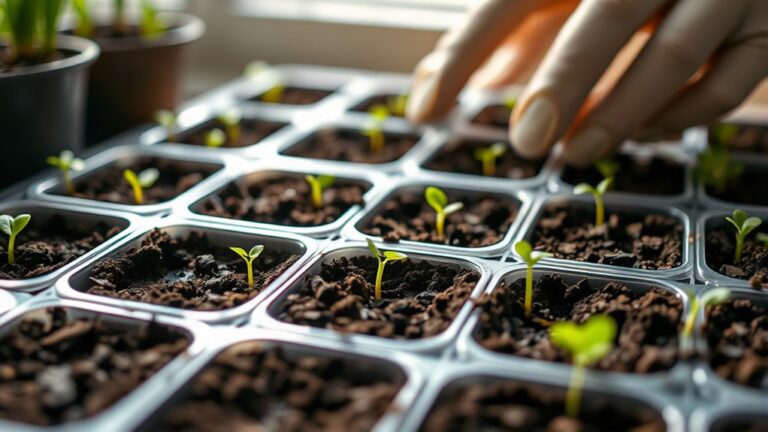
- Grow resulting seeds and select ideal offspring
Self-Pollination and Stabilization
Self-pollination or inbreeding involves a single plant pollinating itself or close relatives to stabilize genetic traits. This helps fix a strain’s traits, producing more uniform plants over successive generations.
While it reduces genetic variability, it can also lead to inbreeding depression if done excessively. Breeders often use selfing with backcrosses to maintain specific features while managing genetic health.
- Produce homozygous traits through successive generations
- Use backcrossing to reinforce specific characteristics
- Monitor for vigor loss or unwanted mutations
Genetic Techniques in Cannabis Hybridization
Cloning and Tissue Culture
Cloning involves taking cuttings from a mother plant to produce genetically identical offspring. While not traditional breeding, cloning supports the breeding process by preserving desired genetics for future crosses or commercial production.
Tissue culture offers advanced genetic preservation by growing plant cells in sterile lab conditions. It can produce disease-free plants and accelerate multiplication, complementing breeding efforts.
- Maintain genetic consistency across crops
- Eliminate pathogens in clones
- Support rapid propagation of elite genetics
For more on this, see our related guide: What Makes a Cannabis Strain Unique: Key Factors Explained.
Marker-Assisted Selection
Marker-assisted selection uses genetic markers linked to desired traits to identify promising plants early in growth. This accelerates breeding by allowing breeders to predict offspring characteristics without waiting for full plant maturity.
It is increasingly used in commercial breeding programs to improve cannabinoid profiles, yield, or pest resistance more precisely than by phenotype alone.
- Identify trait-linked DNA sequences
- Screen seedlings for genes of interest
- Reduce breeding cycle time
Trait Selection and Breeding Goals
Potency and Cannabinoid Profiles
One of the primary breeding goals is enhancing cannabinoid content like THC or CBD. Selecting parents with high levels of these compounds leads to offspring with tailored potency profiles for medical or recreational use.
Some breeders focus on rare cannabinoids or balanced THC/CBD ratios to meet specific therapeutic demands, combining chemical analysis with traditional breeding to achieve precise results.
- Test cannabinoid content via lab analysis
- Select parents with target potency traits
- Breed for stability of cannabinoid expression
Flavor, Aroma, and Terpene Profiles
Terpenes give cannabis its distinctive flavors and aromas. Breeding for complex or unique terpene profiles enhances user experience and market differentiation.
Breeders evaluate parent plants’ terpene content and use sensory testing combined with chemical profiling to select offspring suitable for specific taste and scent preferences.
- Analyze terpene profiles in lab or sensory panels
- Cross plants with complementary aromas
- Select offspring with consistent terpene expression
Environmental Adaptation and Disease Resistance
Breeding for Climate and Growth Conditions
Breeders select cannabis strains that thrive in particular climates, whether hot, humid, dry, or cool. Hybridizing allows creation of plants suited to local conditions with optimized growth cycles and yields.
Adapting strains to specific environmental stresses helps growers reduce crop losses and improve consistency regardless of outdoor or indoor cultivation.
For more on this, see our related guide: Understanding Cannabis Strain Genetics: What Every Grower and User Should Know.
Disease and Pest Resistance Selection
Targeting resistance to common pathogens like powdery mildew or pests such as spider mites through breeding improves plant health and reduces pesticide use.
Breeders test offspring for resistance traits over several generations, ensuring durable defense mechanisms while maintaining overall plant quality.
- Use resistant parent plants in crosses
- Conduct field and lab resistance trials
- Balance resistance with growth and yield traits
Breeding Categories and Line Stabilization
F1 Hybrids, Landraces, and Heirloom Lines
F1 hybrids are first-generation crosses noted for hybrid vigor but variable offspring. Landraces are traditional, regionally adapted strains with stable genetics. Heirloom lines are maintained over generations through selective breeding to preserve original traits.
Understanding these categories helps breeders and growers select appropriate genetics depending on their goals for uniformity, vigor, or historical authenticity.
- F1 hybrids: vigorous but variable
- Landraces: stable, region-specific genetics
- Heirloom: preserved traits through generations
More detailed information on cannabis breeding methods and genetics can be found on Cannabis breeding on Wikipedia. Cannabis breeding on Wikipedia.
Backcrossing and Line Breeding
Backcrossing involves breeding an offspring back to one of its parents to reinforce certain traits. Line breeding is a focused selection within a family line to increase homozygosity and trait consistency while maintaining genetic health.
These techniques are essential for developing stable, predictable strains suitable for commercial propagation.
- Backcross to fix traits
- Line breed to balance uniformity and vigor
- Monitor for inbreeding depression
Comparison of Cannabis Breeding Categories
This table compares key features of major cannabis breeding categories to help you understand their differences.
| Category | Genetic Stability | Vigor | Suitability | Typical Usage |
|---|---|---|---|---|
| F1 Hybrids | Low (variable offspring) | High (hybrid vigor) | Growing, experimentation | Rapid deployment of new traits |
| Landrace Strains | High (stable genetics) | Moderate | Adapted regions | Genetic foundation for breeding |
| Heirloom Lines | High (selectively maintained) | Moderate | Preservation, specialty markets | Stable, unique characteristics |
| Backcross Lines | Very High | Variable (depends on line) | Commercial propagation | Trait stabilization and uniformity |
| Line Breeding | High | Balanced | Strain development | Consistent traits with maintained vigor |
Frequently Asked Questions
What is the difference between crossing and backcrossing in cannabis breeding?
Crossing combines two different parent plants to create hybrids, while backcrossing breeds offspring back to a parent to reinforce or stabilize specific traits in the line.
How long does it typically take to develop a stable cannabis strain?
It usually takes 5 to 8 generations of selective breeding over several years to develop a genetically stable cannabis strain with consistent traits.
What role do male cannabis plants play in breeding?
Male plants produce pollen essential for fertilizing female flowers, allowing breeders to combine genetic material and create new strains with desired characteristics.
Can cannabis strains be bred to resist pests and diseases?
Yes, breeders select parent plants resistant to pests and diseases, then test and propagate offspring showing strong resistance to help reduce crop losses.
How does cloning relate to cannabis breeding?
Cloning preserves the genetics of elite plants but does not create new genetic combinations. It's used to maintain and propagate specific traits identified through breeding.
Key Takeaways
- Cannabis strains are bred by selective cross-pollination to combine desired traits.
- Genetic techniques like marker-assisted selection speed breeding and improve precision.
- Breeding goals include cannabinoid potency, terpene profiles, and environmental adaptation.
- Breeding categories vary by genetic stability and suitability for different grower needs.
Conclusion
Deciding how to breed cannabis strains involves balancing genetic stability, trait selection, and breeding goals. Starting with well-characterized parent plants and using techniques like selective pollination, backcrossing, and marker-assisted selection helps achieve consistent, desirable results. Understanding the genetic foundation and breeding category clarifies how particular approaches affect offspring characteristics.
For growers aiming to develop unique or optimized strains, beginning with F1 hybrid crosses can quickly combine traits but requires further breeding to stabilize. Landrace or heirloom lines offer genetic consistency suited for preservation or traditional characteristics. More refined traits like pest resistance and cannabinoid profiles benefit from advanced genetic screening and stabilization through backcrossing or line breeding.
If you are interested in breeding your own cannabis strains, start by identifying your priority traits and selecting parent plants accordingly. Use controlled pollination and track generations carefully. Supplement breeding with cloning elite specimens to maintain your best genetics, and consider laboratory services for cannabinoid and terpene analysis to guide your selections.