Can You Freeze Pomegranate Seeds?
Many people love adding pomegranate seeds to their meals and snacks, but wondering how to store them properly is common.
If you’ve ever hesitated to buy a bunch because you’re worried they’ll spoil fast, you’re not alone. Proper storage can keep them fresh and flavorful longer.
Yes, you can freeze pomegranate seeds to extend their shelf life and keep their flavor and nutrients intact.
When properly frozen, they may become softer and slightly less juicy, but their taste stays mostly the same.
Use airtight containers or freezer bags, and freeze seeds quickly on a baking sheet before transferring.
Avoid refreezing thawed seeds to maintain quality.
Keep exploring for tips on freezing, thawing, and using pomegranate seeds perfectly.
Key Takeaways
- Yes, pomegranate seeds can be frozen to keep them fresh and extend their shelf life to about 8 to 12 months.
- To freeze them properly, start by cleaning and drying the seeds. Spread them out on a baking sheet and then transfer to airtight containers.
- Freezing might make the seeds a little softer, but they usually keep their flavor and nutritional value well.
- When you’re ready to use the seeds, thaw them slowly in the fridge to maintain quality. Avoid quick-thaw methods.
- Frozen seeds are super versatile — great for smoothies, desserts, salads, and baked goods — offering both convenience and nutrition.
Can You Freeze Pomegranate Seeds? Yes or No
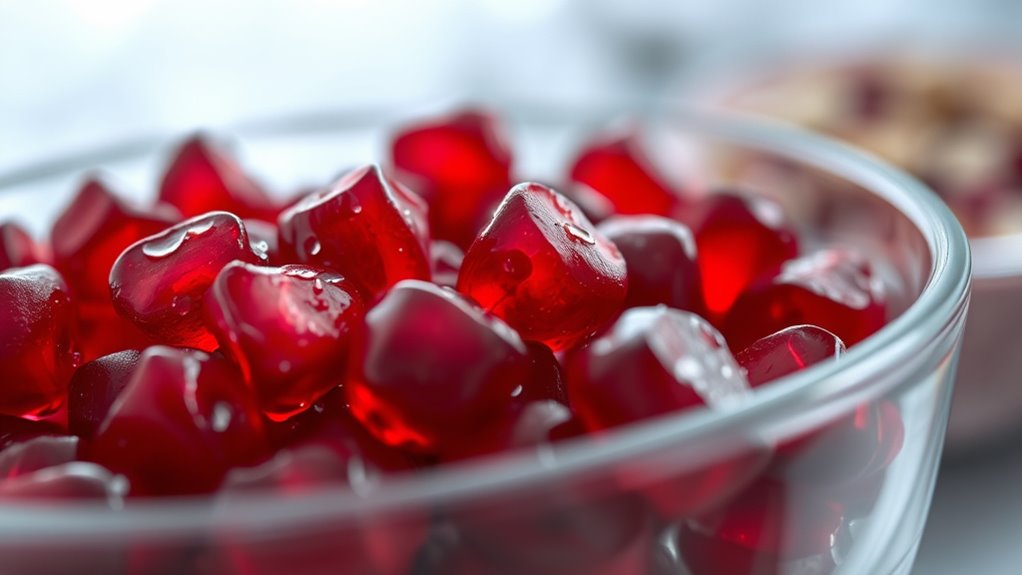
Yes, you can freeze pomegranate seeds. Freezing is a great way to keep their freshness intact, whether the seeds are sweet, tart, or a mix.
When you freeze the seeds, it helps prevent spoilage and extends their shelf life. Just make sure they’re cleaned and dried well before freezing to avoid ice crystals that can affect the texture.
Freezing doesn’t hurt the seeds’ nutritional value or flavor, so it’s a handy option for long-term storage. Store the seeds in airtight containers or freezer bags to avoid freezer burn and keep them fresh.
The key is to keep the seeds at a steady freezing temperature and avoid thawing and refreezing repeatedly. Whether you have a big harvest or buy in bulk, freezing your pomegranate seeds is a smart choice.
Do Freezing Pomegranate Seeds Change Their Taste or Texture?
Many people wonder if freezing pomegranate seeds affects their taste or texture. Generally, freezing can cause some texture changes, but the flavor usually stays pretty good if you do it right.
When you freeze seeds, ice crystals may form, making them softer or slightly mushy when thawed. But the flavor tends to stay intact, so you probably won’t notice a big taste difference.
| Fresh Seeds | Freezer Seeds | Thawed Seeds |
|---|---|---|
| Firm texture | Slightly softer | Slightly mushy |
| Bright flavor | Slight flavor loss | Mild flavor |
| Juicy | Less juicy | Less juicy |
Texture changes are common but usually don’t ruin the flavor. To keep the taste as fresh as possible, use airtight containers and avoid overfreezing.
This way, you can enjoy the seeds with minimal impact on flavor, even if the texture shifts a bit.
How to Freeze Pomegranate Seeds the Right Way
Freezing pomegranate seeds properly ensures they stay flavorful and maintain their texture. Start by gently removing the seeds from the pomegranate.
Spread the seeds in a single layer on a baking sheet to prevent clumping. Place the sheet in the freezer and let the seeds freeze individually, a process called flash freezing.
Once frozen, transfer the seeds to an airtight container or resealable bag, removing as much air as possible. Label the container with the date so you know when it was frozen.
This method helps preserve the seeds’ benefits and keeps them fresh for months. Proper freezing not only maintains quality but also makes it easier to add pomegranate seeds to smoothies, salads, or desserts later.
Keep the seeds frozen until you’re ready to enjoy their juicy, tangy flavor. This process maximizes shelf life and flavor retention.
Tips to Thaw Pomegranate Seeds Without Losing Quality
If you want to thaw pomegranate seeds without losing their quality, the best way is to do it slowly and gently. Just transfer the seeds to the refrigerator and let them thaw gradually—that way, they stay in good shape and keep their flavor.
Make sure you store the seeds in an airtight container so they don’t lose moisture or get affected by other foods in the fridge. Patience is key here—rushing the thawing process, like using hot water or the microwave, can mess with the texture and make the seeds mushy or less fresh. So, taking your time really pays off!
Gentle Thaw Techniques
Wondering how to thaw pomegranate seeds without losing their flavor and texture? The secret is gentle thaw techniques that prevent cell damage. Use methods that involve gradual warming to defrost the seeds evenly and keep them firm.
Avoid rapid thawing in warm water or the microwave, as this can cause uneven heating and make the seeds mushy. Instead, plan ahead and transfer the frozen seeds to the fridge, giving them plenty of time to thaw slowly. This controlled process helps preserve their bright flavor and firm texture.
Here are some helpful tips:
- Use the refrigerator for slow, even thawing
- Keep seeds in an airtight container
- Avoid direct heat or hot water
- Use a cold, damp cloth for delicate surfaces
- Pat seeds dry gently before using
Proper Storage Methods
Proper storage plays an essential role in maintaining the quality of pomegranate seeds after freezing. To keep them fresh, use airtight storage containers that prevent moisture from entering. Proper sealing is vital because excess moisture can cause freezer burn and degrade flavor.
Before sealing, confirm the seeds are completely dry to optimize moisture control. Label the containers with the date of freezing so you can use them within the recommended timeframe. Store the containers in the coldest part of your freezer, away from fluctuating temperatures and direct airflow.
Consistent moisture control and airtight sealing help preserve the seeds’ texture and flavor, making certain they taste just as good when you thaw them. These storage methods guarantee your pomegranate seeds stay fresh and delicious for longer.
Avoiding Texture Loss
When thawing frozen pomegranate seeds, handle them carefully to keep their delicate texture. Slow, gentle methods help prevent mushiness and preserve their freshness.
To do this, thaw the seeds gradually in the refrigerator. This slows down the process and avoids sudden temperature changes that can damage the cell structure.
Avoid using a microwave or direct heat, as these speed up cell breakdown and can make the seeds overly soft. Instead, gently drain any excess moisture after thawing to keep them firm.
Handle the seeds carefully when transferring them, and use them immediately after thawing for the best texture. These simple steps help keep your pomegranate seeds fresh and delicious.
Best Ways to Use Frozen Pomegranate Seeds in Recipes
Frozen pomegranate seeds are super versatile and can really elevate your recipes. You can toss them into smoothies or fresh juices to add a nice burst of flavor and a bit of crunch. They’re also great for sprinkling on top of yogurt or desserts—kind of like a fruity garnish that’s both pretty and tasty.
If you’re into baking, try mixing them into muffin or bread batter. They’ll add a little sweetness and a touch of juiciness that’s hard to beat. Basically, frozen pomegranate seeds make it easy to enjoy that delicious, tangy pomegranate flavor anytime you want!
Smoothie and Juice Additions
Adding frozen pomegranate seeds to smoothies and juices is a simple way to boost flavor and nutrition. They add a vibrant, tangy taste and a beautiful ruby hue to your drinks.
When blending into juice blends, they bring natural sweetness and a subtle tartness that make your drinks more interesting. Frozen seeds also give a refreshing texture without watering down your beverage.
Try adding them to berry or citrus smoothies for extra depth. You can also blend with greens and herbs to create vibrant juice mixes. They’re perfect for antioxidant-rich detox drinks or layered smoothies with contrasting flavors.
You can even toss them into protein shakes for extra fiber and flavor. Frozen pomegranate seeds are versatile, making your beverages both nutritious and visually appealing.
Frozen Pomegranate Topping
Frozen pomegranate seeds make a striking and flavorful topping for a variety of dishes, instantly improving their appearance and taste. They add a burst of tartness and vibrant color to salads, yogurt, and desserts. Plus, pomegranate health benefits, like antioxidants and vitamins, make them a nutritious choice.
To inspire your creativity, here’s a quick guide:
| Dish | How to Use | Flavor Boost |
|---|---|---|
| Fruit Salad | Sprinkle frozen seeds on top | Adds texture and tang |
| Greek Yogurt | Mix or garnish before serving | Amplifies sweetness and crunch |
| Smoothie Bowls | Blend or garnish for presentation | Enhances visual appeal and flavor |
Experiment with recipe variations to enjoy their full potential.
Incorporating Into Baked Goods
Incorporating pomegranate seeds into baked goods adds a delightful burst of tartness and a pop of color that really makes your recipes stand out. Frozen seeds work well in various baking treats, giving a refreshing contrast to rich or sweet flavors.
You can sprinkle them onto muffins, swirl them into cheesecakes, or fold them into bread dough for a subtle tang. Pair pomegranate seeds with ingredients like dark chocolate, pistachios, citrus zest, vanilla, or cinnamon to enhance their flavor.
Their juicy texture complements crumbly baked goods and balances sweetness beautifully. For a sophisticated touch, sprinkle frozen seeds on top of scones or tarts just before baking.
These flavor pairings and techniques help you create visually appealing, flavorful baked treats that will impress everyone.
How Long Can You Store Pomegranate Seeds in the Freezer?
Pomegranate seeds can be stored in the freezer for up to 8 to 12 months if properly prepared and stored. The freezing time depends on the variety, as some have thicker skins or juicier seeds, which can affect how long they stay fresh.
To get the most out of your frozen seeds, use airtight containers or freezer bags, and remove as much air as possible. Label each package with the date so you can keep track of how long they’ve been stored.
While some pomegranate varieties stay good for the full year, others might start to lose flavor or texture after about 8 months. Proper storage helps prevent freezer burn and keeps the seeds fresh.
This makes them perfect for smoothies, salads, or garnishes long after freezing. Just remember, maintaining a consistent freezing temperature and careful packaging are key to extending their shelf life.
Are Fresh or Frozen Pomegranate Seeds Better for Cooking?
When deciding between fresh and frozen pomegranate seeds for cooking, consider how each affects flavor, texture, and convenience. Fresh seeds give a juicy burst that works great in salads, desserts, and garnishes, matching certain culinary styles.
Frozen seeds tend to be softer and might release more juice, which can change the dish’s consistency but make prep easier. Think about what matters more: maintaining texture or saving time.
Fresh seeds keep their ideal crunch and flavor for raw uses. Frozen ones are handy for cooked dishes or smoothies. Your choice depends on whether you want crispness or convenience.
Freezing might slightly soften the seeds but keeps the flavor pretty much intact. Ultimately, it’s about what suits your dish and personal preference—whether you want freshness or ease.
Do Frozen Pomegranate Seeds Keep Their Nutritional Value?
Many wonder whether freezing pomegranate seeds affects their nutritional content, and the good news is that it generally doesn’t. When you freeze seeds properly, they retain most of their nutritional value, including essential vitamins and minerals.
Freezing helps preserve their nutritional retention over time, making them just as healthy as fresh seeds when eaten later. Plus, frozen pomegranate seeds keep their antioxidant benefits, which are crucial for fighting free radicals and supporting overall health.
Freezing preserves pomegranate seeds’ nutrients and antioxidants, keeping them just as healthy as fresh for later enjoyment.
The antioxidants, like vitamin C and polyphenols, stay stable through freezing, so you still get the health perks. While freezing might cause slight texture changes, the nutritional profile remains largely intact.
To get the most benefits, use airtight containers and freeze seeds quickly. Overall, frozen pomegranate seeds are a convenient, nutritious choice that keeps most of their health-boosting properties.
Common Mistakes When Freezing and Storing Pomegranate Seeds
One mistake people often make is using the wrong seeding techniques. This can actually cause damage to the seeds or even lead to spoilage when you freeze them. It’s pretty important to handle the seeds gently and carefully to keep them in good shape.
Another thing to watch out for is how you store the seeds. If you don’t use airtight containers or forget to label them, you might end up with freezer burn or get confused about what’s what later on. Taking a little extra time to pack and label your seeds can make a big difference in keeping them fresh and ready to enjoy whenever you want.
Improper Seeding Techniques
Using improper seeding techniques can really affect the quality of your stored pomegranate seeds. If you rush or use rough methods, seeds might get damaged or lose their flavor.
Different pomegranate varieties may need specific handling, so using generic seeding methods can lead to poor results. Handle seeds gently to avoid bruising, and don’t squeeze the fruit too hard, which can crush seeds or release too much juice.
Consider these points:
- Use sharp tools instead of dull ones when extracting seeds.
- Avoid applying too much force or squeezing too hard.
- Don’t ignore the differences among pomegranate varieties.
- Take your time during seed removal—rushing can cause damage.
- Make sure to clean seeds thoroughly before freezing.
Proper seeding techniques help preserve seed integrity, flavor, and freshness.
Inadequate Storage Methods
Storing pomegranate seeds improperly can ruin their flavor and texture quickly, especially if you skip important steps in freezing. Poor sealing and exposure to air cause freezer burn and moisture loss, which degrade quality.
To prevent this, use airtight containers or freezer bags made for freezing. Make sure to remove all air before sealing to avoid oxidation. Leaving seeds in loosely closed containers or plastic wrap increases the risk of freezer burn.
Here’s a quick comparison:
| Storage Method | Air Exposure | Seal Quality |
|---|---|---|
| Airtight Containers | Minimal | Excellent |
| Loose Plastic Bags | High | Poor |
| Resealable Freezer Bags | Moderate | Good if sealed tightly |
Proper storage keeps your seeds protected from air exposure and helps maintain their flavor and texture.
Troubleshooting: Fixing Problems With Frozen Pomegranate Seeds
If your frozen pomegranate seeds have become clumpy or lost their individual shape, don’t worry—there are simple ways to fix this. Clumping usually happens because of improper freezing techniques or storage issues.
To prevent this, spread the seeds in a single layer on a baking sheet lined with parchment paper or a silicone mat before freezing. Then, transfer them to an airtight, moisture-proof container. This helps keep their shape and stops large ice crystals from forming.
Spread seeds flat on parchment or silicone before freezing to maintain shape and prevent ice crystal formation.
If your seeds are already clumped, gently break them apart while still frozen. Then, repackage them with minimal air exposure to maintain quality. Proper freezing and storage are key to keeping your seeds fresh and separate.
Use parchment paper or silicone mats for initial freezing. Avoid temperature fluctuations during storage to keep everything in good shape.
Store the seeds in airtight, moisture-proof containers, and label them with freezing dates. It’s best to consume them within the recommended storage periods for optimal freshness.
Frequently Asked Questions
Can I Freeze Pomegranate Seeds With the Pomegranate Membrane Attached?
Yes, you can freeze pomegranate seeds with the membrane attached if you use the right technique.
Start by gently separating the seeds from the membrane. Then, spread them out on a baking sheet to freeze individually.
Once the seeds are frozen, transfer them along with the membrane into an airtight container or freezer bag.
This method helps keep the flavor and texture intact, so they’re ready for smoothies, salads, or snacking later.
Does Freezing Pomegranate Seeds Affect Their Juiciness?
Freezing pomegranate seeds can be like catching a fleeting sunset—beautiful but with subtle changes. You might notice some loss in juiciness preservation, as the seeds release more juice when thawed.
Texture changes are possible, making the seeds slightly softer or a bit more fragile. But if you store them properly, they should still burst with flavor.
Your smoothies or salads will still be just as delightful, even after freezing.
Are There Specific Storage Containers Best for Freezing Pomegranate Seeds?
The best practice for freezing pomegranate seeds is to use airtight containers like freezer-safe plastic bags or rigid plastic containers. These containers help keep out moisture and air, which is key to preserving the seeds’ freshness.
Make sure to remove excess air before sealing your containers. Label them with the date so you can keep track of how long they’ve been stored.
Using the right containers ensures your seeds stay juicy and flavorful when frozen.
Can I Refreeze Pomegranate Seeds After Thawing?
You can refreeze pomegranate seeds after thawing, but it’s not always the safest choice. Refreezing safety depends on how you thawed them. If you used quick thawing methods like cold water or the refrigerator, it’s generally safe.
But if seeds have been left at room temperature for too long, avoid refreezing to prevent bacteria growth. To keep quality, try to use thawed seeds promptly or only refreeze if they’ve stayed properly chilled.
How Do Frozen Pomegranate Seeds Compare to Fresh in Smoothies?
Frozen pomegranate seeds are like frozen memories—still vibrant but a bit muted. In smoothies, they tend to soften more than fresh seeds, which changes the texture by making it thicker and less crunchy.
Their flavor also diminates slightly, blending into the drink more subtly. But they still add a pop of color and a boost of antioxidants, making your smoothie both pretty and nutritious.
The softer, mellower taste can be a plus if you prefer a more subtle fruit flavor. Overall, frozen seeds are a convenient option that gives your smoothie a different, yet enjoyable, twist.
Conclusion
You can definitely freeze pomegranate seeds to extend their shelf life. Just keep in mind that freezing might change their texture a bit, but their nutritional value stays high.
Pomegranates are packed with antioxidants that support your health. Did you know they’re among the top antioxidant-rich fruits?
By freezing properly, you can enjoy their benefits year-round in smoothies, salads, or snacks. So, go ahead, freeze those seeds, and keep this superfood handy whenever you want a healthy boost!