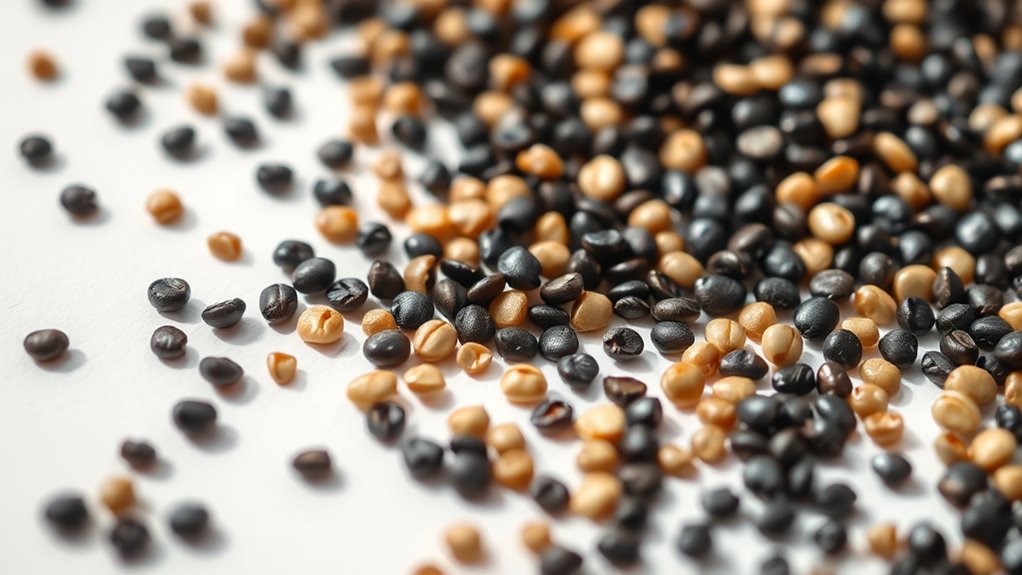
How Will Poppy Seeds Affect Opioid Drug Tests?
If you’re worried about passing an opioid drug test, you’re not alone. Many people struggle with the concern that everyday foods could cause a false positive. One surprising culprit? Poppy seeds.
Eating poppy seeds can cause false positives on opioid drug tests because they naturally contain small amounts of opiate compounds like morphine and codeine. Residues can stay on the seeds even after cleaning, especially if you consume large quantities or baked goods.
The detection window is usually 24-48 hours, but factors like metabolism and amount eaten matter.
To understand how to minimize your risk and what steps to take if you test positive, keep exploring this topic.
Key Takeaways
- Poppy seeds can contain residual opioid compounds, which might cause false positives in drug tests.
- Eating large amounts of poppy seeds increases the chance of detectable opioid metabolites in your system.
- Usually, detection happens within 24-48 hours after eating, but this can vary depending on your metabolism.
- Confirmatory tests like GC-MS can tell the difference between dietary intake and actual drug use.
- To reduce the risk, avoid poppy seed products a few days before a drug test and handle food carefully.
Can Poppy Seeds Make You Fail a Drug Test?
Have you ever wondered if eating poppy seeds could cause you to fail a drug test? The answer depends on where the seeds come from and how they’re processed.
Poppy seeds come from the opium poppy plant, which has been grown for food and medicine for a long time. When harvested, some seeds might keep tiny traces of opioid metabolites—chemicals related to opiates.
These remnants can sometimes be enough to cause a positive drug test, especially if you eat a lot of seeds. The amount of opioid metabolites varies depending on how the seeds are cleaned and processed.
Eating large amounts of poppy seeds can sometimes trigger a positive drug test due to residual opioid metabolites.
Most commercial poppy seeds are cleaned well, but contamination can still happen. So, eating poppy seeds could, in rare cases, make you test positive for opioids, even if you haven’t used illegal drugs.
If you have a drug test coming up, it’s worth being careful with your poppy seed intake.
How Poppy Seeds Contain Opioids and Why It Matters
Because poppy seeds come from the opium poppy plant, they naturally contain tiny amounts of opioid compounds like morphine and codeine. The poppy seed origins explain why these seeds have some opioid content, even though they’re widely used in cooking.
During their growth, the seeds absorb small quantities of latex from the plant’s sap, which contains these opioids. This means that even unprocessed poppy seeds can have enough opioid residue to affect drug tests.
The opioid content varies depending on factors like the seed’s source and processing methods. While the amounts are generally minimal, consuming large quantities of poppy seeds can lead to detectable levels in your system.
It’s essential to understand the connection between poppy seed origins and their opioid content, especially if you’re subject to drug testing. Even tiny amounts can sometimes cause false positives.
How Long After Eating Poppy Seeds Might They Show Up on Your Test?
After eating poppy seeds, opioids like morphine and codeine don’t stay in your system forever. How long they last depends on your metabolism, how much you ate, and when you ate it.
Typically, opioids from poppy seeds can be detected in your urine within a few hours to a day after eating. For most people, the detection window is up to 24-48 hours, but it can sometimes be longer.
Opioids from poppy seeds are usually detectable in urine within 24-48 hours after eating.
If you’ve consumed a large amount of poppy seeds, the detection window might extend a bit. To avoid false positives, consider when you last ate poppy seeds relative to your drug test.
Keep in mind, the timing of your test in relation to when you ate poppy seeds is key. Being aware of this window can help you understand your test results better.
What Factors Influence Whether Poppy Seeds Trigger Positive Results?
Several factors determine whether poppy seeds will trigger a positive opioid drug test result. Your poppy seed origin influences how much morphine and codeine are present; seeds from different regions can vary in strength.
Furthermore, how your body metabolizes opioids affects detection; some people process these substances faster or slower, which impacts test outcomes.
| Factor | Impact |
|---|---|
| Poppy seed origin | Seeds from certain regions may contain higher opioid levels |
| Quantity consumed | Eating larger amounts increases the chance of a positive result |
| Opioid metabolism | Faster metabolism reduces the detection window |
| Time since ingestion | Waiting longer makes a positive result less likely |
Understanding these factors helps explain why a positive test might happen and highlights the importance of awareness before testing.
How Poppy Seeds Are Detected in Urine Drug Tests
Urine drug tests detect opioids by analyzing metabolites that come from how the body processes substances like morphine and codeine. When it comes to poppy seeds, knowing their origins helps explain why they can sometimes give false positives.
Poppy seeds come from the opium poppy plant, which naturally contains opiates. These compounds can stay on or in the seeds even after harvesting. So, eating poppy seeds might introduce trace amounts of these substances into your body.
Drug tests, like immunoassays, are designed to find specific opioid metabolites such as morphine and codeine in urine samples. Because poppy seeds have small amounts of these substances, they can sometimes trigger a positive result.
To avoid misinterpretation, labs usually use confirmatory tests like gas chromatography-mass spectrometry (GC-MS). These tests can tell the difference between eating poppy seeds and actual drug use.
The key point is that testing focuses on metabolites, not the seeds themselves. Understanding how poppy seed origins and drug testing methods work together helps explain these occasional false positives.
Tips to Reduce Your Risk of Testing Positive From Poppy Seeds
If you’re worried about a drug test, taking steps to cut down on poppy seed consumption beforehand can help lower the chance of a false positive. Many people believe that eating small amounts won’t affect the results, but misconceptions about opioids can lead to surprises.
To minimize your risk, avoid baked goods or dishes with poppy seeds in the days leading up to your test. Make sure to wash your hands thoroughly after handling poppy seeds, as traces can transfer to your skin or clothing.
Avoid poppy seed baked goods and wash hands thoroughly before testing to reduce false positive risks.
Staying informed about poppy seed myths can help you make smarter choices and avoid unnecessary stress. Keep in mind, even a tiny amount of poppy seeds can sometimes produce enough morphine to trigger a positive result, especially if your test is sensitive.
Being cautious with poppy seed intake and understanding common opioid misconceptions can give you a better shot at passing your test without false positives.
Drug Testing Guidelines and Poppy Seed Consumption
Understanding drug testing guidelines can really help you get a better idea of how poppy seed consumption might impact your results. Even just a small amount of poppy seeds can sometimes trigger a positive test, especially if the test is very sensitive. So, it’s good to be aware of how much you’re eating and how it might affect the outcome.
Knowing the risks and limits is super important, especially if you have an upcoming test. Being informed can help you make smarter choices about whether to consume poppy seeds beforehand. It’s always better to be cautious and understand what could happen, so you’re not caught off guard by unexpected results.
Poppy Seeds and Testing
Consuming poppy seeds can sometimes lead to positive drug tests for opioids, even if you haven’t used any illegal substances. This is a common concern, but it’s often fueled by poppy seed myths and misconceptions about drug testing.
Many people believe that eating poppy seeds will automatically result in a failed test, but that’s not always true. Testing guidelines now recognize that small amounts of poppy seed ingestion can produce trace amounts of opioids in your system, but these levels vary widely.
It’s important to understand that drug tests are designed to detect significant opioid use, not incidental exposure from food. Being aware of these testing nuances helps you interpret results accurately and avoid unnecessary anxiety over poppy seed consumption.
Consumption Limits and Risks
While small amounts of poppy seed intake can cause trace opioid levels in drug tests, there are established guidelines to help determine safe consumption limits. Knowing these limits allows you to perform effective risk assessments, especially if drug testing is a concern.
Generally, eating moderate quantities like a slice of poppy seed bread poses minimal risk. But larger servings can increase the chances of detectable opioid metabolites. To stay safe, it’s best to limit intake before testing periods.
Being aware of these consumption limits helps you make informed choices and reduces the risk of false positives. Always consider your specific situation and consult guidelines or professionals if you’re unsure about how much is safe for you.
What to Do If You Test Positive Due to Poppy Seeds?
If you test positive because of poppy seeds, the first thing you should do is confirm whether it’s a false positive with some follow-up testing. Sometimes, eating poppy seeds can cause a positive result even if you haven’t used any illegal substances, so it’s good to double-check.
It’s also important to understand your legal rights in this situation. Consider talking to a healthcare professional who can help explain the results and what they might mean. Taking these steps can really help you handle the situation in a calm and informed way, and hopefully avoid any unnecessary trouble.
Confirming False Positives
When you get a positive drug test result and think poppy seeds might be the cause, it’s important to act quickly to confirm if the result is accurate. False positives can happen because poppy seeds contain tiny amounts of opioid compounds that tests might pick up.
To find out if your positive result is real or just a false alarm, ask for a confirmatory test like gas chromatography-mass spectrometry (GC-MS). This test is more precise and can tell the difference between actual opioid use and contamination from poppy seeds.
Don’t rely only on the initial screening results. Confirming false positives helps protect you from unfair consequences and ensures your medical or legal records show the true situation.
Legal and Medical Steps
Uncovering a positive drug test result due to poppy seeds can be stressful, but taking the right legal and medical steps can help clarify your situation.
First, seek medical advice to explain the potential for false positives caused by dietary sources like poppy seeds. Request confirmatory testing, such as GC-MS, which is more specific and can distinguish between poppy seed ingestion and opioid use.
Be aware of legal ramifications if the positive result affects employment or legal cases. Consulting an attorney familiar with drug testing laws can help protect your rights. Providing documentation of recent poppy seed consumption can support your case.
Acting promptly and responsibly ensures you’re positioned to contest inaccurate results and understand your rights throughout the process.
Poppy Seed Alternatives That Won’t Affect Drug Tests
For those trying to avoid positive drug tests, using poppy seed alternatives can be a smart choice. There are plenty of safe options you can enjoy without risking a positive result.
Instead of traditional poppy seeds, consider caraway seeds, sesame seeds, or sunflower seeds. These add flavor and texture to baked goods and dishes but don’t contain the opiate compounds that can trigger drug tests.
Opt for caraway, sesame, or sunflower seeds—they add flavor without risking positive drug tests.
Many bakeries and recipes also use poppy seed substitutes to meet dietary or health needs. When choosing alternatives, pick fresh, high-quality options for the best taste and texture.
Using these safe substitutes lets you enjoy recipes that usually call for poppy seeds without worrying about drug test implications. In the end, choosing the right alternatives helps you stick to your diet and lifestyle without unnecessary stress or risk.
Key Tips for Enjoying Poppy Seeds Without Worrying About Tests
If you want to enjoy poppy seeds without worrying about failing a drug test, it’s a good idea to handle them carefully. Make sure to wash them well and store them properly so they don’t pick up any unwanted residues.
Also, think about when you’ve eaten them. The timing can really matter—if you’re facing a test soon, it might be best to skip or limit your intake. Knowing how sensitive the test is can help you decide if your poppy seed consumption might be detected.
Proper Poppy Seed Handling
Handling poppy seeds carefully can help you enjoy them without the worry of failing drug tests. Proper storage prevents contamination and keeps them fresh.
When preparing poppy seeds, rinse them thoroughly to remove surface dust and residues that may contain trace opioids. Store seeds in an airtight container in a cool, dark place to minimize moisture and light exposure.
To visualize, consider this table:
| Storage Method | Preparation Step | Result |
|---|---|---|
| Airtight jar | Rinse thoroughly | Clean seeds, reduce residues |
| Cool, dark area | Dry completely | Prevent mold, preserve quality |
| Sealed container | Handle gently during prep | Minimize transfer of contaminants |
Timing of Consumption Matters
The timing of when you eat poppy seeds can really affect whether traces of opioids show up in drug tests. The longer you wait after eating, the less likely it is that you’ll test positive.
Usually, the effects peak within a few hours, so if you have a drug test scheduled during that time, there’s a higher chance of traces being detected. To lower that risk, it’s best to eat poppy seeds well before your test—ideally 24 hours or more beforehand.
Keep in mind that how quickly your body processes the seeds depends on your metabolism and how much you ate. Planning your poppy seed intake carefully can help you enjoy them without worrying about testing positive for opioids.
Understanding Test Sensitivity
Understanding how sensitive a drug test is can make all the difference when enjoying poppy seeds. Different tests use various detection methods and thresholds for opioids, which affect whether eating poppy seeds leads to a positive result.
Some tests are very sensitive and can detect tiny amounts of opiate metabolites, while others have higher thresholds, reducing false positives. Knowing what kind of test you might face helps you gauge your risk.
For example, urine tests with low detection thresholds are more likely to pick up traces from poppy seeds. To enjoy them without worry, it’s important to understand the specific test’s sensitivity and detection methods.
This way, you can plan accordingly and avoid unnecessary concerns or test failures.
Frequently Asked Questions
Are There Specific Types of Poppy Seeds Less Likely to Cause Positive Results?
Certain poppy seed varieties are less likely to cause positive results because they may contain lower levels of morphine and codeine.
However, it’s essential to evaluate testing thresholds, as even trace amounts can trigger a positive.
If you want to reduce the risk, opt for high-quality, organic poppy seeds from reputable sources.
Be aware that standard drug tests vary in sensitivity, making it hard to guarantee a negative result.
Can Cooking or Baking Reduce the Opioid Content in Poppy Seeds?
Cooking or baking can reduce the opioid content in poppy seeds, but it doesn’t eliminate it entirely.
Using high heat through baking techniques like roasting or boiling might decrease the residue, yet some traces may still remain.
To minimize the risk of testing positive, opt for poppy seeds labeled as “non-porous” or avoid consuming large quantities.
How Does Individual Metabolism Influence Poppy Seed Drug Test Outcomes?
Your individual variation in metabolism greatly influences poppy seed drug test outcomes. Faster metabolic pathways clear morphine and codeine more quickly, reducing detection chances.
On the other hand, slower metabolisms allow these substances to linger longer in your system. This means that two people consuming the same amount of poppy seeds may test differently.
Understanding your unique metabolic rate can help you better predict how long traces might stay detectable in your body.
Are There Legal Implications for Consuming Poppy Seeds Before Drug Testing?
Consuming poppy seeds before a drug test can lead to legal issues if it causes a positive opioid result, especially in situations like job screenings or legal matters.
While health risks are usually low, some people might have allergic reactions or digestive problems. It’s generally best to avoid poppy seeds before testing to prevent any accidental positives or health concerns.
What Are the Most Reliable Methods to Confirm a Positive Poppy Seed Test?
To confirm a positive poppy seed test, you should rely on specific confirmation techniques like gas chromatography-mass spectrometry (GC-MS), which offers high testing accuracy.
These methods help distinguish between poppy seed exposure and actual opioid use, reducing the chances of false positives.
If you suspect a false positive, request confirmatory testing. It provides definitive results by accurately identifying morphine and codeine levels, ensuring your results are reliable.
Conclusion
While enjoying your favorite dishes with poppy seeds, remember they can sometimes play tricks on your tests.
By being mindful of your consumption and timing, you can avoid unexpected surprises. Think of it as a gentle dance with your diet—staying in tune with your body’s signals and testing schedules.
With a little awareness, you can enjoy your culinary delights without worry. Just keep in mind how poppy seeds can affect opioid drug tests, and you’ll stay on track.