What Legal Barriers Prevent Farmers From Legally Replanting Their Own Seeds?
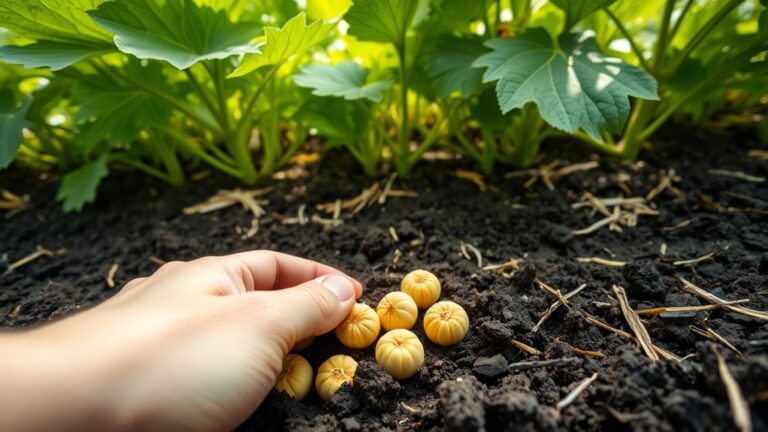
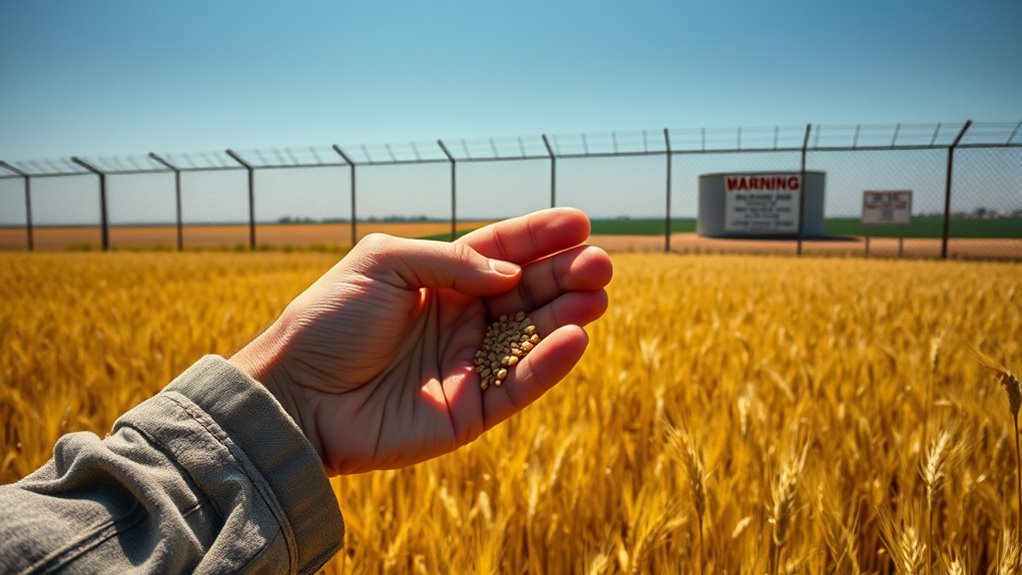
If you’re a farmer hoping to save seeds from your harvest to plant next year, you’re not alone in facing hurdles. Many farmers struggle with legal barriers that make this practice complicated or even impossible.
These restrictions can feel frustrating and limiting, especially when independence from big corporations seems just out of reach.
Legal barriers like seed patents and licensing agreements prevent you from replanting saved seeds without risking infringement. Patent laws give seed companies control over reproduction, making it illegal to reuse protected seeds without permission.
Breeder’s rights and copyrights also restrict saving and sharing seeds.
Commercial contracts often prohibit farmers from saving seeds, requiring new purchased seeds each season.
To understand how these laws impact farmers’ independence and the environment, keep exploring these restrictions.
Key Takeaways
- Patent laws restrict farmers from replanting patented seed varieties without getting permission from the patent holders.
- Licensing agreements often prevent farmers from saving and reusing seeds unless they pay royalties.
- Seed breeder’s rights give companies exclusive control, making it hard for farmers to save and replant protected seeds.
- Legal uncertainties and enforcement issues make it tough for farmers to defend their right to reuse seeds.
- Laws tend to favor big seed corporations, limiting farmers’ traditional practice of seed saving.
Why Are Farmers Legally Restricted From Saving Seeds?
Have you ever wondered why farmers aren’t allowed to save seeds from their harvest? The main reason relates to laws that protect seed companies’ investments. These laws make it hard for farmers to reuse seeds from commercial crops.
Seed companies hold patents or copyrights, which give them control over seed reproduction. Because of this, farmers can’t freely save or plant their own saved seeds. Instead, they’re often required to buy new seeds each season.
The legal system aims to promote innovation and ensure seed quality. But it also puts farmers at a disadvantage. By preventing seed saving, laws help seed companies profit from their inventions.
This setup shifts power away from farmers, making them rely on buying seeds every year. While these rules protect investments, they can threaten traditional farming practices and farmer independence.
It also raises concerns about seed diversity and farmers’ ability to adapt to changing conditions. Overall, these restrictions have a big impact on farming independence and long-term sustainability.
How Do Seed Patent Laws Limit Replanting Rights?
Seed patent laws basically give companies control over their seeds, which means you can’t just replant patented seeds without getting permission first. If you try to save and plant seeds from a patented crop, you could be infringing on their rights.
Plus, if you want to reuse those seeds, you might have to get a license and pay royalties, which can add up. And when it comes to enforcing these rules, it can be pretty tricky—you might find it hard to stand up for your rights if someone else infringes on the patent.
Patent Ownership Restrictions
Patent ownership restrictions really limit farmers’ rights to replant seeds by giving patent holders exclusive control over seed propagation. This means you can’t save and replant seeds freely, which affects your seed sovereignty.
Laws treat seeds as intellectual property, so replanting without permission is a violation of patent rights. Because of this, farmers often have to buy new seeds every season instead of saving their own.
These restrictions make farmers less independent and increase costs. The table below highlights some of the main points:
| Aspect | Impact | Consequence |
|---|---|---|
| Patent rights | Control over seed use | Limits replanting |
| Seed sovereignty | Farmers’ independence | Reduced by law |
| Intellectual property | Seeds as proprietary assets | Restricts reuse |
| Replanting restrictions | Legal barriers to seed saving | Increased costs |
| Farmer rights | Limited by patent laws | Loss of autonomy |
Licensing and Royalties
Licensing agreements and royalty payments are key ways seed companies control replanting rights. When you buy patented seeds, you often sign agreements that limit how you can use them.
These agreements usually say you can’t save seeds for replanting without permission. Instead, you have to pay royalty fees for each planting cycle, which can add up over time.
These fees help the seed company keep exclusive rights to reproduce and sell their seeds. By managing licensing agreements and collecting royalties, they limit farmers’ ability to replant seeds from their harvest.
This system benefits the companies financially but restricts your freedom to reuse seeds. It forces you to buy new seed stock each season.
Enforcement Challenges
Enforcing seed patent laws is tough because companies often don’t have the resources to check every farm or field where their seeds are planted. This makes catching violations pretty difficult.
Legal ambiguities also play a big role, making it hard to clearly prove that someone broke the patent. Farmers might unknowingly replant patented seeds or try to avoid detection, which complicates enforcement.
Companies depend on inspections and reports, but these methods aren’t perfect. They can’t cover every farm, so violations can slip through the cracks.
The table below shows some common issues:
| Issue | Challenge | Impact |
|---|---|---|
| Limited monitoring | Can’t oversee all farms | More violations |
| Legal ambiguities | Rights boundaries are unclear | Enforcement gets tricky |
| Farmer awareness | Lack of knowledge about patents | Unintentional infringements |
| Detection methods | Few tools for tracking seeds | Enforcement less effective |
| Penalty enforcement | Hard to impose penalties | Weaker deterrents |
All of these factors make enforcement harder, allowing illegal replanting to continue.
What Are Seed Breeder’s Rights and Their Impact on Farmers?
Seed breeder’s rights give those who develop new plant varieties exclusive control over their use, including rights to produce, sell, and distribute seeds. These rights are meant to encourage breeders by giving them incentives to invest in new crops.
But these rights also affect farmers by limiting their ability to save and replant seeds from protected varieties without permission. This can restrict market access, forcing farmers to buy new seeds each season instead of reusing their own saved seeds.
Breeder rights aim to strike a balance between encouraging innovation and protecting commercial interests. However, they can create legal barriers for farmers who want to replant their crops freely.
While these rights motivate breeders to develop better varieties, they also raise questions about traditional farming practices and sustainability. Ultimately, seed breeder’s rights influence seed availability, affordability, and control, shaping how farmers access and use seeds.
Are There Exceptions to Seed Patents for Farmers?
You might be curious if farmers can just replant patented seeds without any issues. Well, there are some exceptions, like limited replanting rights and certain patent exemptions, but they’re usually pretty restricted.
Fair use might sometimes give you a bit more flexibility, but it’s important to really understand the specific rules and restrictions involved. So, while there are a few loopholes, it’s generally a good idea to be cautious and informed about what’s allowed.
Limited Replanting Rights
Although seed patents give farmers certain rights, these protections often come with major restrictions on replanting. You might want to save seeds for next year, but patent laws limit that practice, reducing your seed independence and farmer control.
Many patented seeds are protected by strict licensing agreements, making replanting without permission illegal. So, you can’t just replant seeds from your harvest without risking a patent violation.
These restrictions are meant to protect the developer’s rights, but they also reduce your ability to control your seeds. As a result, farmers often face a tough choice between following the law and sticking to traditional seed-saving practices.
Patent Exemption Exceptions
While seed patents impose strict restrictions on replanting, there are some limited exemptions that can provide farmers with certain relief. These patent exemptions are narrow and often depend on specific legal conditions.
For example, some jurisdictions recognize the “farmer’s exemption,” allowing farmers to save and replant seed from their own harvest without infringing on patent rights. However, this varies by region.
It’s important to understand the patent implications of using patented seeds and how they can limit your rights. These exceptions aim to balance protecting patent holder innovations with supporting farmer innovations.
But the scope of these exemptions is limited, and farmers must be cautious to avoid infringing on seed patents. Doing so can lead to legal disputes and economic consequences.
Fair Use Considerations
Fair use considerations for seed patents are limited but can sometimes provide a narrow exception for farmers seeking to replant seeds. Generally, seed patents fall under intellectual property law, giving patent holders exclusive rights to reproduce and sell their seeds.
However, fair use might apply in specific cases, like for research or educational purposes. But it rarely covers replanting for commercial farming. As a farmer, you need to understand that fair use is a defense, not a right, and courts interpret it narrowly.
While some argue that seed saving aligns with traditional farming practices, patent law tends to restrict these activities. Ultimately, relying on fair use to bypass seed patents is risky and often ineffective, emphasizing the importance of legal clarity and compliance.
How Do Copyright Laws Affect Saving and Sharing Seeds?
Copyright laws can really limit how farmers save, share, and replant seeds. When seed varieties are protected by patents or copyrights, you often need permission or have to pay royalties to use them. This restricts your ability to practice seed sovereignty.
This legal barrier discourages community sharing, which is a traditional practice that helps strengthen local agriculture and preserve biodiversity. Instead of freely exchanging seeds, you might face legal risks if you try to share or replant protected varieties.
These restrictions threaten the cultural and practical aspects of farming that depend on open seed exchange. As a result, farmers may become dependent on corporations for seeds, reducing their independence and control over their crops.
The legal system hampers community-driven efforts to save and share seeds, which weakens the resilience of local food systems. Protecting seed sovereignty means navigating these laws carefully, but the current system often favors corporate interests over farmers’ rights.
What Do Tech Agreements Mean for Farmers Saving Seeds?
Tech agreements can sometimes make it tricky for farmers when it comes to saving seeds. Basically, they often include rules that limit your ability to save and reuse seeds from year to year. So, if you’re used to saving your own seeds, these agreements might put a stop to that or make it more complicated.
And that’s not all—these restrictions can also leave you open to accidentally breaking the rules, which could lead to legal trouble. It’s really important to understand what these agreements say so you can protect your farming practices and avoid any costly mistakes.
Impact on Seed Saving
Many farmers find that technology agreements often limit their ability to save and replant seeds from their harvest. These restrictions can reduce seed biodiversity, limiting the variety of seeds available for future planting.
When seed saving is restricted, farmers’ independence weakens, and they become dependent on proprietary seeds. This reliance can cause a loss of traditional farming practices and decrease resilience against pests and climate change.
Tech agreements often include clauses that prohibit saving seeds, forcing farmers to buy new seeds each season. This impacts seed diversity and changes long-standing farming traditions.
As a result, the legal barriers in these agreements threaten both seed biodiversity and farmers’ ability to choose their own seeds.
Contractual Restrictions Risk
Contractual restrictions embedded in seed agreements can seriously limit your ability to save and replant seeds from your harvest. When you sign contracts that focus on intellectual property rights, you often lose control over your seeds.
These agreements may include strict clauses on contract negotiations, making it risky to reuse saved seeds. The consequences can feel overwhelming:
| Loss of control | High costs | Restricted choices |
|---|---|---|
| No rights to save | Licensing fees | Limited seed options |
| Dependence on companies | Patent protections | Fear of legal action |
| Reduced autonomy | Contract penalties | Innovation barriers |
These restrictions threaten your independence, trapping you in a cycle of reliance on corporate-controlled seeds. Understanding these risks helps you navigate the legal landscape and protect your farming future.
How Do Commercial Seed Contracts Control Replanting?
Commercial seed contracts often specify strict terms that control how farmers can replant harvested seeds. These agreements limit farmers from saving and reusing seeds from their previous crop. They’re mainly designed to protect seed companies’ intellectual property, so farmers have to buy new seeds each season.
By signing these contracts, farmers agree to restrictions that can undermine seed sovereignty—the right to save and reuse seeds freely. Key controls include prohibitions on saving seeds for replanting without permission, mandatory purchase of new seeds every season, penalties for unauthorized replanting, and clauses that limit sharing or exchanging seeds.
These contractual restrictions give seed companies a lot of power over farmers’ planting choices. While the goal is to protect innovations, they often limit farmers’ independence and access to affordable, self-sustaining seed sources. Ultimately, these agreements shape how much control farmers have over their seeds and farming practices.
What Government Regulations Limit Seed Replanting?
Government regulations play a big role in limiting seed replanting by setting legal boundaries that farmers have to follow. These laws are designed to protect intellectual property rights and ensure seed quality.
Patents and licensing agreements often prevent farmers from saving or replanting seeds from protected crops. This limits their ability to control and reproduce their own seeds, reducing seed sovereignty.
Patents and licenses restrict farmers from saving or replanting protected crop seeds, limiting seed control and sovereignty.
Rules also require farmers to meet seed certification standards, which can make it harder to replant traditional varieties. Additionally, restrictions on certain genetically modified or biotech seeds further complicate replanting options.
These regulations aim to promote innovation and protect seed developers, but they can also limit farmers’ autonomy. As a result, many farmers feel caught between following legal rules and maintaining control over their seed choices.
This limits their ability to replant seeds freely and sustainably.
Differences in Legal Restrictions for Traditional and Biotech Crops?
Traditional crops usually have fewer legal restrictions compared to biotech varieties, giving you more freedom to save, replant, and share seeds. Laws often see traditional practices as part of farming heritage, making seed saving simpler.
On the other hand, biotech innovations like genetically modified organisms (GMOs) are protected by patents and licensing agreements. These limit seed replanting without permission, so you might face legal issues if you reuse biotech seeds.
The main differences are that patent protections on biotech seeds prevent farmers from saving or replanting without approval. Traditional seeds are typically not under patent laws, allowing more flexible seed reuse.
Sharing biotech seeds may require licensing, which complicates their reuse. Plus, regulations on biotech crops aim to prevent gene flow, leading to legal restrictions not usually applied to traditional crops.
Knowing these differences helps you understand the legal landscape based on whether you’re working with traditional or biotech crops.
What Are the Implications of These Laws for Sustainable Farming and Farmer Rights?
Laws that protect biotech seeds can create big hurdles for farmers trying to practice sustainable farming and defend their rights. These restrictions limit your ability to save and replant seeds, which hurts farmer sovereignty and makes you depend more on proprietary seed companies.
This reduces your flexibility to adopt sustainable practices like crop rotation and seed diversity, which are vital for environmental health.
| Implication | Explanation |
|---|---|
| Reduced autonomy | Laws restrict your control over seed choices |
| Increased costs | Farmers face higher expenses due to licensing fees |
| Environmental impact | Limits on seed reuse hinder ecological farming methods |
Ultimately, these laws tend to favor corporations over farmers, undermining sustainable farming goals and your rights to innovate and manage your land responsibly.
Recognizing these implications shows the importance of revisiting policies that support farmer sovereignty and sustainable practices.
Frequently Asked Questions
Can Farmers Legally Save Seeds From Hybrid Crops for Replanting?
You generally can’t legally save seeds from hybrid crops for replanting because seed ownership rights are protected by patents and licensing agreements.
These laws restrict farmers’ rights, preventing them from reusing hybrid seeds without permission. Even if you own the seeds initially, replanting them may violate these protections.
To stay compliant, you need to buy new seeds each season or seek licensing options, respecting farmers’ rights and intellectual property laws.
Are There International Laws Affecting Seed Saving and Replanting Rights?
International laws surrounding seed saving and replanting rights can be a complex web, often making it hard to maintain seed sovereignty.
They mostly focus on intellectual property rights held by big corporations, which can limit farmers’ ability to reuse or share seeds freely.
Countries may be part of treaties that enforce these rights worldwide, often restricting traditional seed practices.
How Do Seed Laws Differ Between Organic and Conventional Farming?
Seed laws differ between organic and conventional farming by emphasizing seed diversity and organic certification standards. Organic farmers must use certified organic seeds, which often restrict replanting to keep seed purity and integrity.
Conventional farming has fewer restrictions, so farmers have more freedom to save and replant seeds. These legal differences influence how farmers manage their seed stocks and affect sustainability.
What Legal Penalties Exist for Replanting Patented Seeds Without Permission?
If you replant patented seeds without permission, you could face legal penalties for patent infringement. This might include lawsuits, hefty fines, and orders to pay crop royalties to the patent holder.
These legal actions are meant to protect seed companies’ rights and profits. Replanting without approval undermines those protections and can be costly.
Do Seed Laws Vary by State or Region Within a Country?
Yes, seed laws vary by state or region within a country. You might find different regulations that influence seed sovereignty, affecting what seeds you can save or replant.
These laws often reflect local agricultural practices, climate, and legal frameworks. So, it’s important to stay informed about the specific rules in your area.
Understanding these differences helps you protect your rights and stay compliant. It also supports sustainable farming practices.
Conclusion
Imagine planting a seed, only to find that the law has built a cage around it, preventing you from replanting your own harvest. Just like a gardener’s right to nurture their plants, farmers face legal barriers that restrict saving seeds.
These laws act like invisible fences, limiting your ability to grow sustainably and control your farm’s future. Recognizing these restrictions helps you understand the fight for farmers’ rights and the freedom to farm naturally.
Legal barriers prevent farmers from legally replanting their own seeds, often due to patent laws and seed licensing agreements. These restrictions make it illegal for farmers to save, share, or reuse seeds from certain crops.
This means farmers can’t simply save seeds from their harvest to plant next season without risking legal trouble. The laws are designed to protect seed companies’ investments, but they also limit farmers’ traditional practices.
Understanding these legal barriers is key to fighting for farmers’ rights and the freedom to farm naturally. It’s about making sure farmers can choose how they grow their food without unnecessary restrictions.