How Many States Have Legalized Medical Cannabis in the U.S.?
As of 2024, 38 states in the U.S. have legalized medical cannabis, allowing patients with qualifying conditions to legally obtain and use marijuana for medicinal purposes. This is a significant increase over the last decade reflecting shifting public attitudes and medical research findings.
Medical cannabis legalization matters because it provides a regulated framework for patients suffering from chronic pain, epilepsy, PTSD, and other conditions to access treatments other than traditional pharmaceuticals. These laws vary widely in terms of qualifying conditions, possession limits, and how patients can legally obtain cannabis.
This article will break down which states have legalized medical cannabis, how their laws differ, the role of federal law, and considerations for patients and caregivers navigating this complex legal landscape.
Evolution of Medical Cannabis Legalization in the U.S.
Early Medical Marijuana Laws
California was the first state to legalize medical cannabis in 1996 with Proposition 215, setting a precedent for other states to follow. Early adopters mainly focused on providing relief for patients with AIDS, cancer, and other severe illnesses.
These pioneering laws often included limited protections for patients and providers, and prompted ongoing legal debates about medical use versus federal drug regulations.
Widespread Adoption and Modern Laws
From the 2010s onwards, many states expanded their medical marijuana programs, broadening qualifying conditions and improving patient access through dispensaries and caregiver provisions.
More recent laws often integrate more detailed regulations regarding cultivation, possession limits, and official state registries to maintain oversight and protect patients.
Which States Have Legalized Medical Cannabis?
States with Established Medical Cannabis Programs
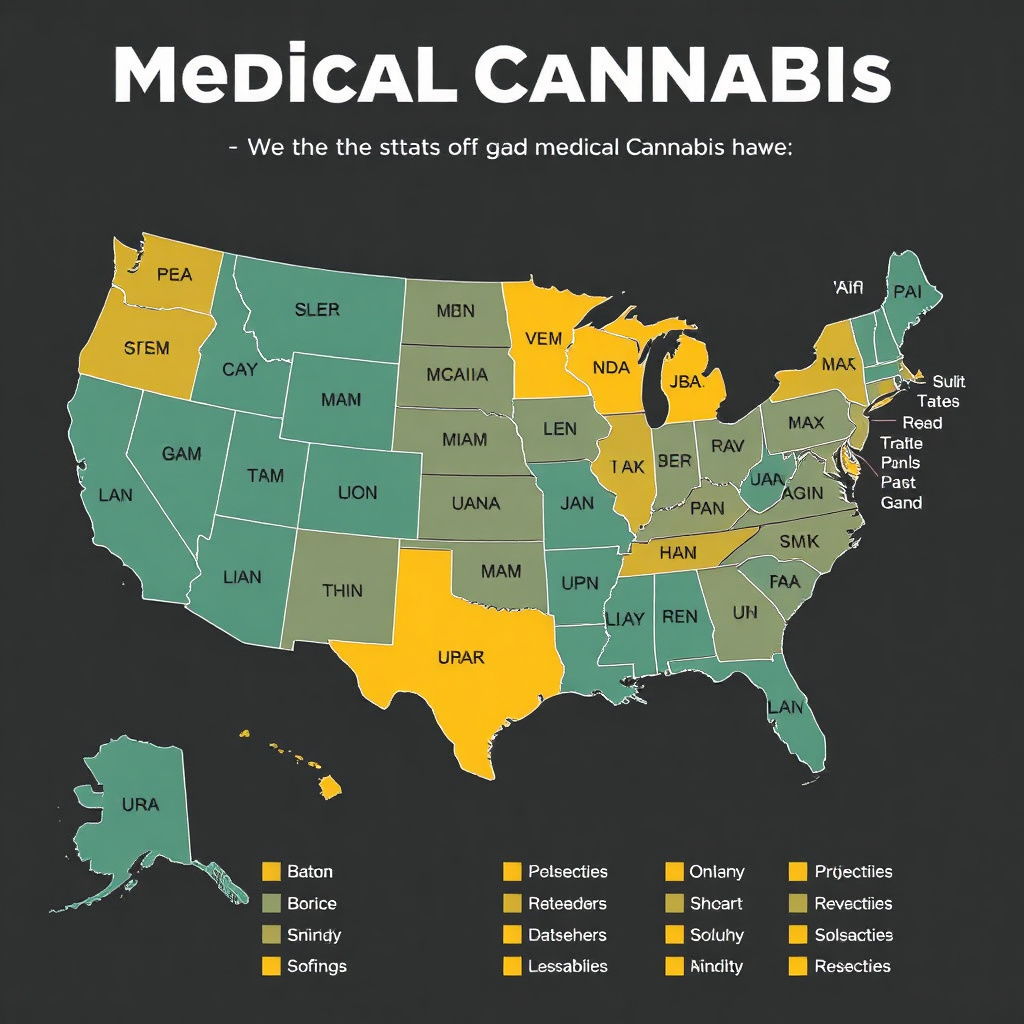
Currently, 38 states have official medical cannabis programs that allow registered patients to purchase and use medical cannabis legally. These states range from California and New York to midwestern and southern states like Minnesota and Florida.
While the specific qualifying conditions and regulatory frameworks vary, most states require medical documentation and patient registration with a state program.
States with Limited or Expanding Medical Marijuana Laws
Some states allow medical cannabis only for specific conditions such as epilepsy or intractable seizures, while others continue to update their laws to expand access or refine regulations.
Additionally, a few states prohibit medical cannabis but permit low-THC products or cannabidiol (CBD) oil, reflecting a cautious approach to legalization.
Differences in Medical Cannabis Laws Among States

Qualifying Conditions and Patient Eligibility
Qualifying conditions vary widely: while nearly all states approve cancer and chronic pain, some also list anxiety, autism spectrum disorders, and PTSD as qualifying conditions.
Age requirements usually mandate patients be at least 18, but minors are allowed in certain states under parental consent with specialist approval.
- Common qualifying conditions: cancer, chronic pain, glaucoma, epilepsy
- States varying in conditions like anxiety or PTSD
- Age restrictions typically 18+ or special provisions for minors
For more on this, see our related guide: Are Cannabis Seeds Legal in the USA? Understanding the Legal Landscape.
Possession Limits and Purchase Regulations
States set different limits on how much medical cannabis patients may possess, from a few ounces to several pounds per month, often varying by product type (flower, edibles, concentrates).
Purchase frequency, dispensary access, and home cultivation rights differ widely, with some states allowing patients to grow a limited number of plants and others restricting cultivation to licensed providers.
- Possession limits often range from 2 to 8 ounces
- Home cultivation permitted in many but not all states
- Dispensary regulations differ on sales and inventory
How Federal Law Interacts With State Medical Cannabis Laws
Federal Criminal Status vs. State Legalization
Despite widespread medical cannabis legalization at the state level, cannabis remains classified as a Schedule I controlled substance federally, creating legal conflicts.
Federal authorities generally avoid prosecuting medical cannabis users in states with regulations, yet federal law technically prohibits possession, cultivation, and distribution.
Impact on Medical Cannabis Patients and Businesses
Because of federal restrictions, medical cannabis businesses face challenges such as limited banking access and tax complications.
Patients traveling across state lines should remain aware that federal laws could pose risks if cannabis is transported between states, underscoring the need for state-by-state compliance.
Navigating Medical Cannabis Patient Registration

How to Register as a Medical Cannabis Patient
Most states require patients to obtain a recommendation from a qualified healthcare provider to be eligible for a medical cannabis card.
The process typically involves submitting proof of residency, medical documentation, and an application to the state’s medical marijuana program followed by issuance of an identification card.
- Obtain physician recommendation
- Submit application with required documents
- Receive state medical cannabis card
Renewals and Record Keeping
Registration cards often require annual renewal, including updated medical evaluations to confirm ongoing eligibility.
States maintain confidential patient registries to track participants and monitor program compliance while safeguarding privacy.
- Annual card renewal mandated in most states
- Up-to-date medical certification required
- Patient data kept confidential within state systems
Medical Cannabis Access and Potential Risks
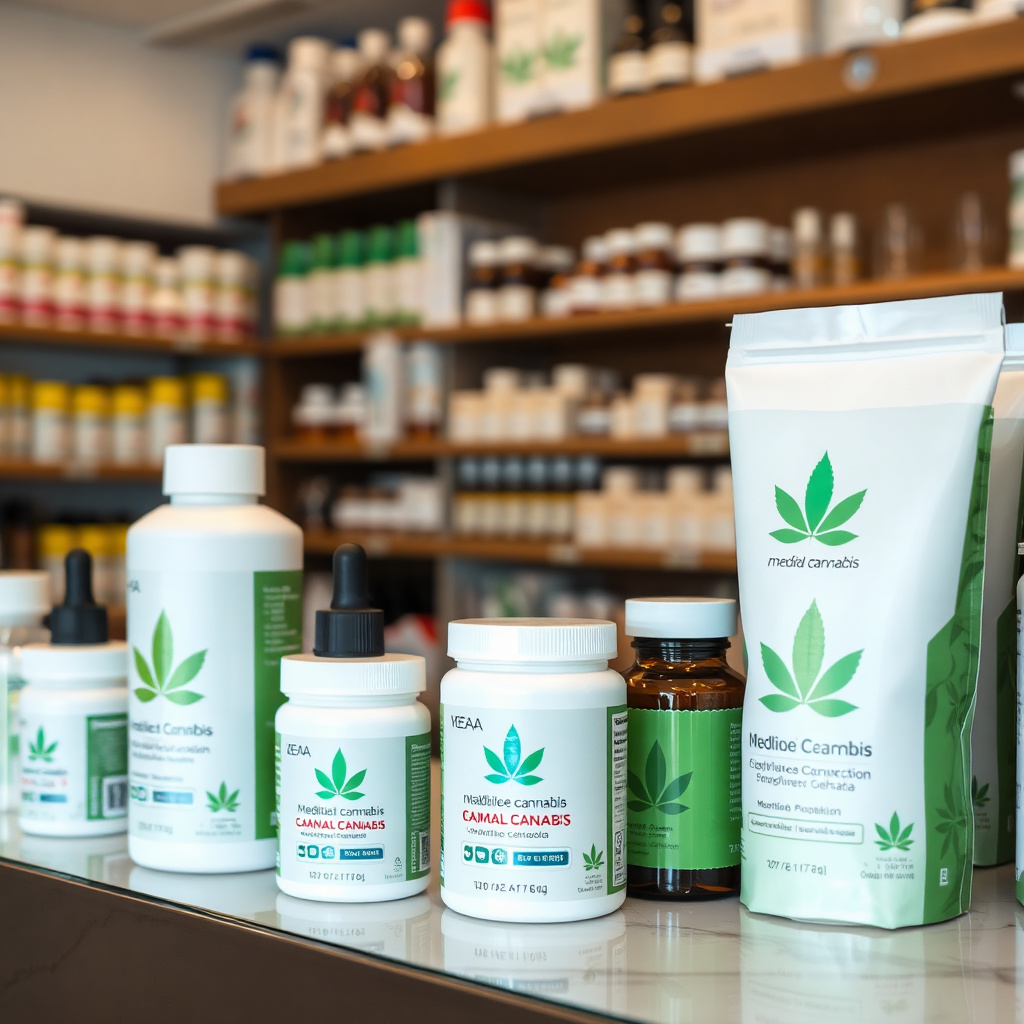
Access to Medical Cannabis Products
Access depends on the state’s dispensary network, which often includes licensed retailers specializing in medical cannabis products such as flower, oils, tinctures, and edibles.
Patients should verify dispensary licensing and product testing to ensure safety and consistent dosing.
- Licensed dispensaries provide regulated product options
- Products are lab-tested for potency and contaminants
- Patients can choose among various delivery methods
For a detailed history and state-by-state overview, see the Wikipedia article on medical cannabis legalization in the United States. medical cannabis legalization in the United States.
Potential Legal and Health Considerations
Patients need to understand state laws regarding cannabis use in public, driving under the influence, and workplace policies to avoid legal consequences.
Health considerations include potential side effects, drug interactions, and the importance of consulting healthcare providers before starting treatment.
- Avoid driving or operating machinery while impaired
- Consult with doctors about medication interactions
- Follow state-specific legal usage guidelines
Medical Cannabis Program Category Comparison
The following table compares different categories of medical cannabis programs across U.S. states based on key regulatory features.
| Category | Number of States | Qualifying Conditions | Possession Limits | Home Cultivation Allowed |
|---|---|---|---|---|
| Comprehensive Medical Cannabis Programs | 25 | Wide range including chronic pain, PTSD | Up to 8 ounces or more | Yes, in most states |
| Limited Condition Programs | 10 | Specific conditions like epilepsy only | 1-2 ounces | Rarely |
| Restricted/Low-THC Only Programs | 3 | CBD or low-THC products only | Varies, very limited | No |
| No Medical Cannabis Program | 12 | None legalized | N/A | No |
Frequently Asked Questions
What qualifies a patient for medical cannabis use?
Qualifying conditions vary by state but typically include chronic pain, cancer, epilepsy, and PTSD. A licensed healthcare provider must recommend medical cannabis based on these conditions.
Can medical cannabis patients grow their own plants?
In many states with medical cannabis legalization, patients may cultivate a limited number of plants at home, but this depends on specific state laws and regulations.
Does federal law allow medical cannabis use?
No, cannabis remains illegal under federal law as a Schedule I substance, though enforcement is limited in states that have legalized medical cannabis programs.
Are medical cannabis cards mandatory for legal use?
Yes, most states require patients to be registered and possess a valid medical cannabis card to legally acquire and use medical marijuana.
How often must a medical cannabis patient renew their registration?
Renewal periods vary, but most states require annual renewals with updated medical evaluations to maintain eligibility.
Key Takeaways
- 38 states currently have legalized medical cannabis programs.
- Programs vary widely in qualifying conditions and possession limits.
- Federal law still classifies cannabis as illegal despite state laws.
- Patient registration and compliance with state rules are mandatory.
Conclusion
Deciding on medical cannabis access involves understanding how each state tailors its laws to best serve patients while navigating the tension with federal regulations. The overall number of states legalizing medical cannabis illustrates the growing acceptance and acknowledgment of potential therapeutic benefits. Prospective patients should research their state's specific program to know the conditions allowed, possession limits, and registration protocols before proceeding.
For those in states with comprehensive medical cannabis programs, the broader list of qualifying conditions and home cultivation options offer significant flexibility and access. Patients in limited or low-THC programs might face more restrictions but still gain access to important alternatives for relief. Where states have not legalized medical cannabis, options can be limited to CBD oil or other non-psychoactive products, which may not address all medical needs effectively.
If you are considering medical cannabis for treatment, start by consulting a qualified physician familiar with your state's laws. Obtain necessary documentation and register with your state program before purchasing from licensed dispensaries to ensure legal, safe access. Staying informed about evolving laws is key, as many states continue to refine and expand medical marijuana programs.