What Affects Seed Viability: Key Factors That Influence Germination Success
Seed viability is primarily influenced by a combination of factors such as moisture content, storage temperature, seed age, and environmental conditions. These factors collectively determine how long seeds remain capable of germination and producing healthy plants. Understanding these elements helps gardeners, farmers, and conservationists maintain high germination rates.
Maintaining seed viability matters because seeds that lose viability fail to germinate or produce weak seedlings, which can significantly impact crop yields or restoration projects. External stresses like mold, insects, and temperature fluctuations further reduce seed life. With proper care, seeds can remain viable for years, ensuring sustained plant production.
This article explores critical influences on seed viability, from intrinsic qualities like seed type and age to extrinsic conditions including storage practices and humidity. We will cover physiological factors, environmental impacts, storage techniques, seed treatment methods, and recommendations for testing and maximizing viability.
Seed Physiology and Its Role in Seed Viability
Seed Age and Dormancy
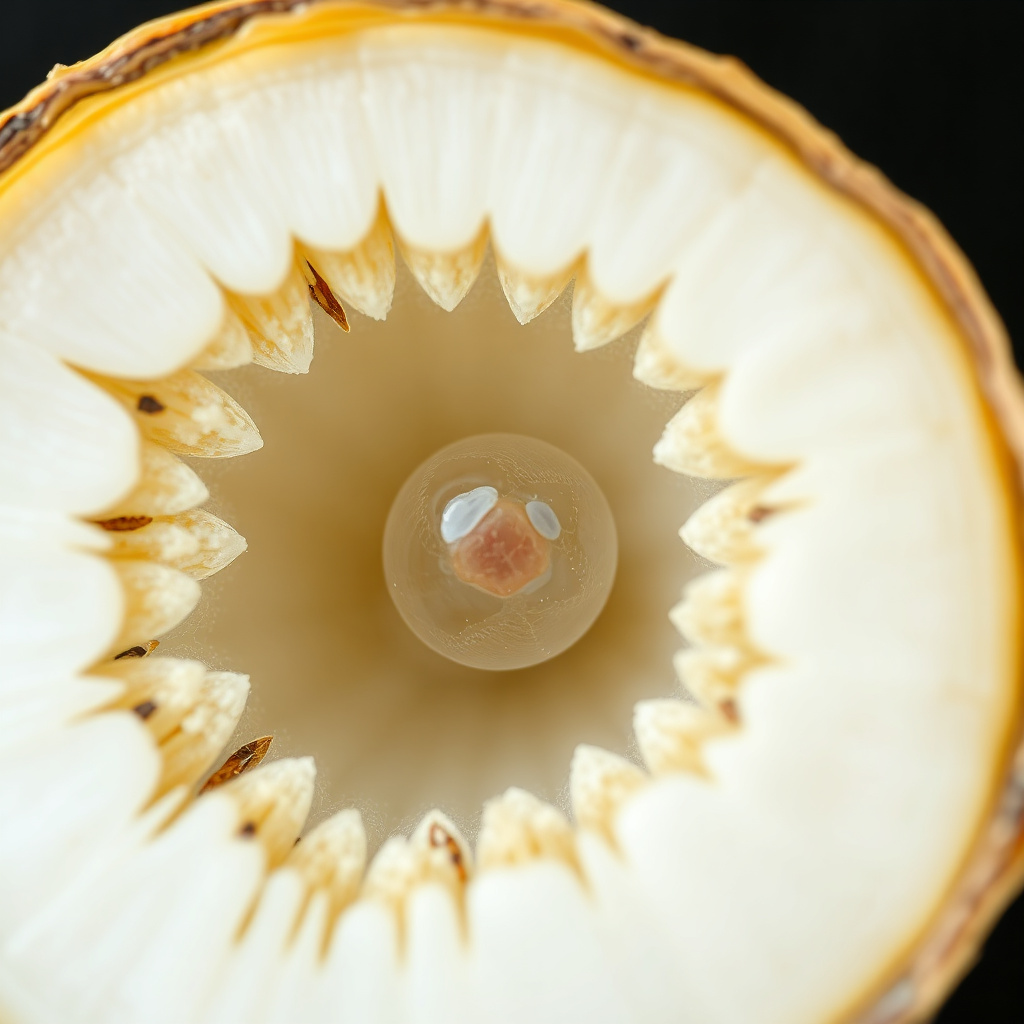
Seed age is one of the most direct factors affecting viability. Over time, metabolic activities within the seed cause deterioration, reducing its capacity to germinate. Dormancy mechanisms can prolong viability by preventing premature germination, but they vary widely between species.
Older seeds often display lower germination rates due to enzyme degradation, DNA damage, and loss of stored nutrients needed for seedling growth. Properly dormant seeds can survive extended periods but may require specific cues to break dormancy.
Seed Coat and Physical Barriers
The seed coat protects the embryo from physical damage, pathogens, and excessive moisture. Its permeability influences water uptake necessary to initiate germination. Impermeable seed coats can induce dormancy, which affects viability assessment and requires treatments to improve germination.
Physical damage to the seed coat from pests or mechanical stress accelerates viability loss by allowing fungal infections and drying out the seed’s internal tissues.
- Seed coat thickness varies among species
- Scarification can improve permeability
- Cracks increase vulnerability to pathogens
Environmental Factors That Impact Seed Viability
Temperature and Its Effects
Temperature significantly affects seed longevity. High temperatures accelerate metabolic processes and deterioration, while extremely low temperatures can cause cellular damage or ice crystallization unless seeds are properly dried and stored.
Most seeds maintain viability longest when stored at cool, stable temperatures, typically around 0-5°C for many species. Fluctuating temperatures can induce premature germination or dormancy break, reducing overall viability.
- Ideal storage temperatures for seed viability
- Effects of heat stress on enzymatic activity
- Chilling injury risks during improper freezing
For more on this, see our related guide: How to Germinate Old Cannabis Seeds: Effective Techniques to Boost Success.
Moisture and Humidity Levels
Moisture content within seeds and relative humidity during storage are crucial for maintaining viability. Excess moisture can promote fungal growth and metabolic activity leading to seed deterioration, while too little moisture can cause desiccation damage.
Optimal seed storage keeps moisture content low, generally under 8-12%, and controls humidity below 50%. Proper drying before storage by equilibrating seeds in controlled environments improves longevity.
- Recommended moisture content ranges
- Risks of high humidity environments
- Benefits of desiccant use during storage
Seed Storage Conditions and Their Influence on Viability
Packaging and Container Types
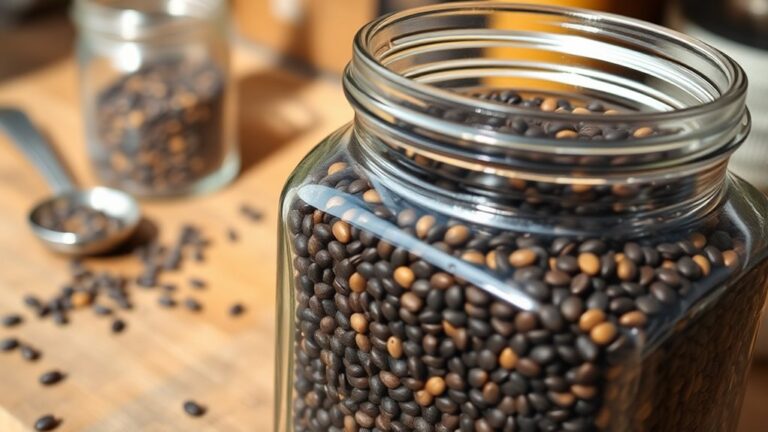
The type of packaging affects seed exposure to moisture, oxygen, and pests. Airtight containers like glass jars or laminated foil pouches prevent moisture ingress, while permeable bags offer less protection but more airflow, beneficial for some seed types.
Proper labeling and sorting reduce handling damage and confusion. Packaging should be durable and clean to prevent contamination that can degrade seed viability.
- Airtight vs breathable packaging benefits
- Labeling practices for seed batches
- Material choices for long-term storage
Controlled Environment Storage
Professional seed banks use controlled environments with specific temperature and humidity settings to maximize viability over decades. Household storage, like refrigerators or freezers, when combined with proper drying and sealing, can similarly preserve seeds effectively.
Avoid storing seeds in fluctuating conditions such as garages or attics where temperature and moisture change with seasons. A dedicated, stable environment preserves the seed's physiological integrity.
- Recommended household storage methods
- Temperature and humidity targets
- Avoiding condensation and freeze-thaw cycles
Seed Treatment and Handling Practices
Pre-Storage Treatments
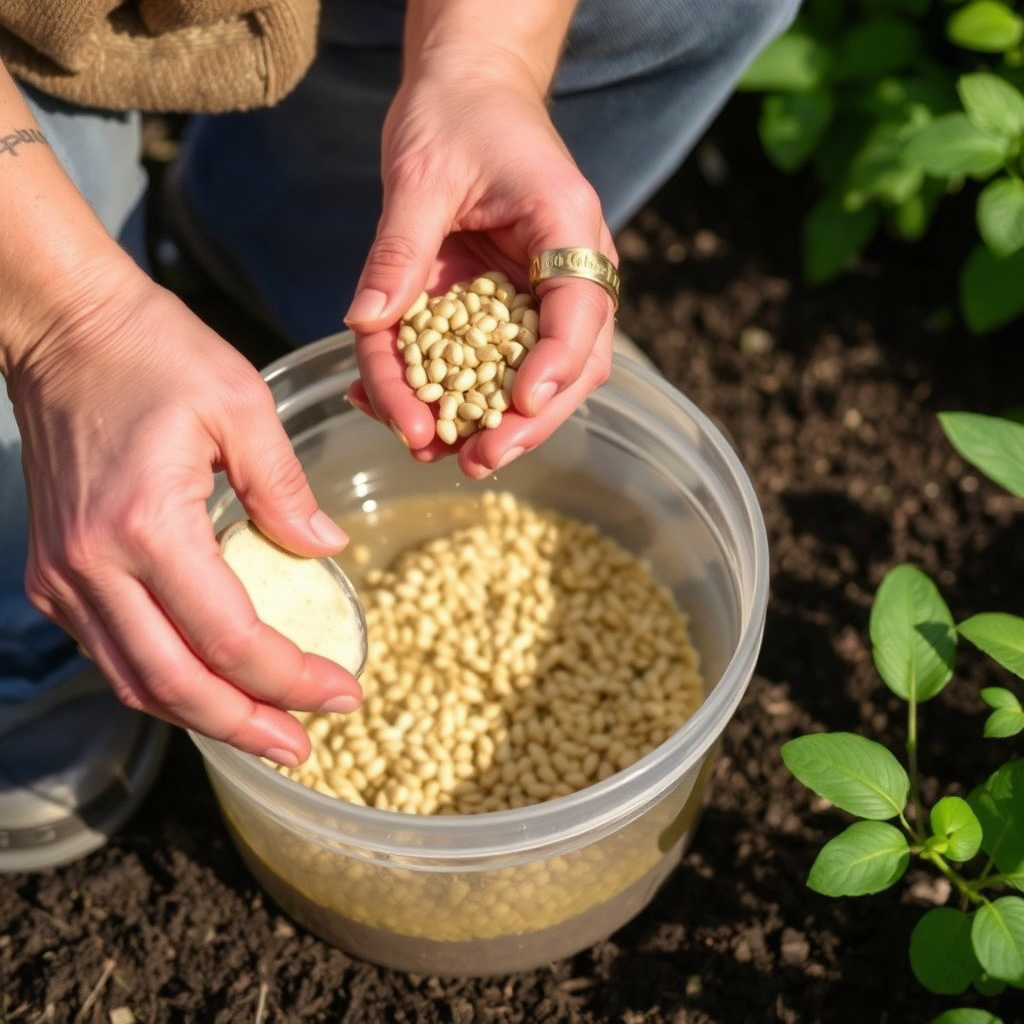
Treatments like drying, cleaning, and fumigation help maintain seed viability by removing pathogens and reducing moisture content. Some seeds benefit from scarification or stratification treatments to simulate natural germination triggers but these processes must be done before storage.
Incorrect or excessive treatment can damage seeds, so methods should be tailored to the seed species and condition. Proper timing and method improve germination success later.
- Benefits of cleaning and drying
- Common fumigation techniques
- Species-specific scarification methods
For more on this, see our related guide: How to Tell If a Cannabis Seed Is Viable: A Practical Guide.
Handling During Sowing
Rough handling during sowing such as mechanical abrasion, exposure to sunlight, or moisture extremes can reduce seed viability. Using gentle sowing methods, temperate water conditions, and avoiding prolonged seed exposure before planting protects viability.
Seed viability can also be compromised if stored for too long after treatment without proper conditions. Timing sowing soon after treatment and storage optimization preserves germination capacity.
- Gentle seed handling tips
- Timing sowing after storage
- Avoiding environmental stress before planting
Testing Seed Viability and Monitoring
Germination Testing Procedures
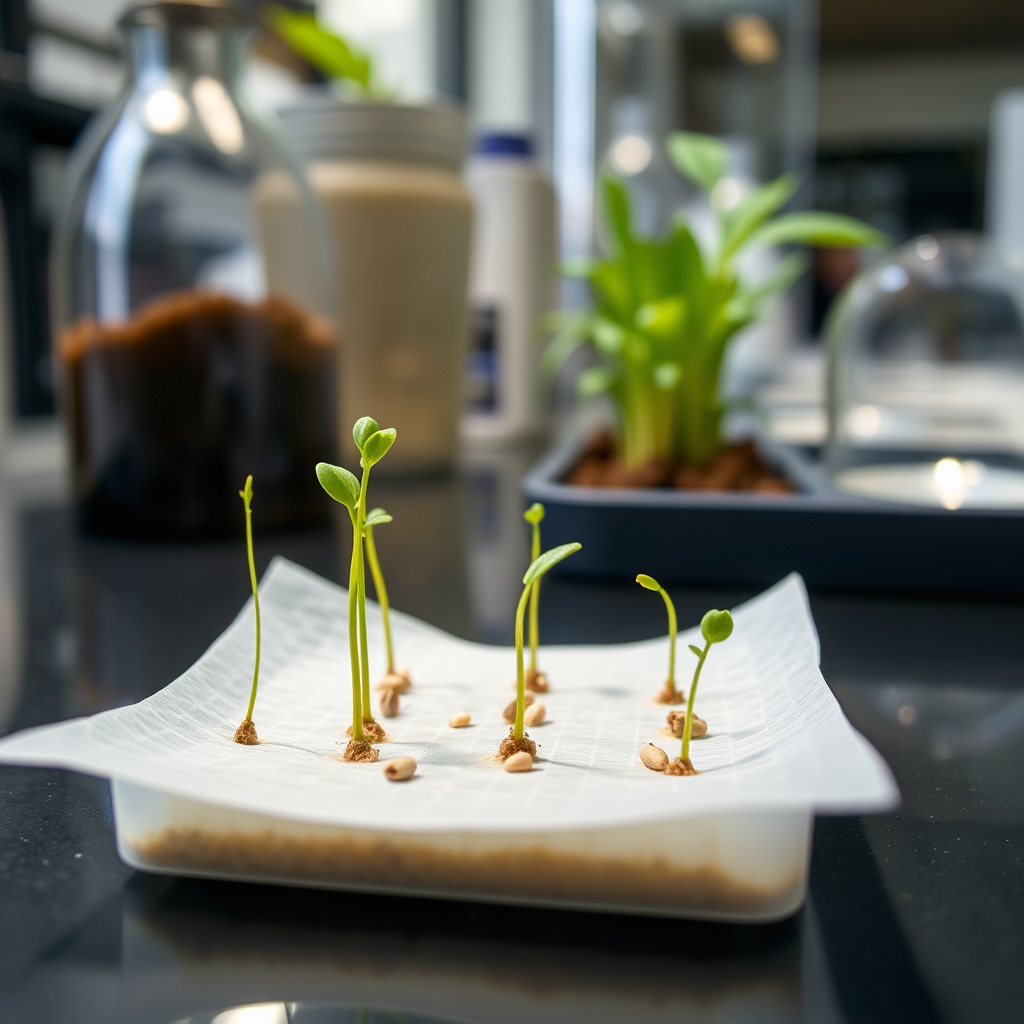
Germination testing provides a direct measure of seed viability by counting the percentage of seeds that successfully sprout under controlled conditions. This is often done using paper towels, petri dishes, or soil trays with regulated temperature and moisture.
Results help decide seed storage duration and inform planting rates. Testing should be done periodically, especially for older seed batches to monitor viability decline.
- Standard germination test steps
- Ideal test environment conditions
- Frequency of viability testing
For more on the biological and environmental factors influencing seed longevity, see the detailed explanation on Seed viability on Wikipedia. Seed viability on Wikipedia.
Other Viability Indicators
In addition to germination tests, biochemical assays like tetrazolium staining and conductivity tests assess seed embryo health and membrane integrity, providing faster but indirect viability data.
Regular monitoring of seed storage conditions with hygrometers and thermometers also supports timely intervention to prevent viability loss.
- Tetrazolium test overview
- Electrical conductivity test benefits
- Storage environment monitoring tools
Seed Viability Factors Category Comparison
This table compares key categories affecting seed viability, highlighting their impacts and typical best practices.
| Factor | Effect on Viability | Optimal Range/Condition | Storage Recommendation |
|---|---|---|---|
| Seed Age | Declines progressively with time | Use seeds within 1–5 years depending on species | Rotate stock and test viability annually |
| Moisture Content | High moisture promotes decay; low moisture maintains viability | Below 8–12% moisture content | Dry seeds thoroughly and use airtight containers |
| Temperature | High temps accelerate aging; low temps slow deterioration | 0–5°C ideal for most seeds | Store in cool, stable environments |
| Seed Coat Integrity | Damaged coats reduce protection and increase infections | Undamaged, intact seed coats | Handle carefully and avoid mechanical damage |
| Storage Container | Protects from moisture and pests | Airtight glass or foil pouches preferred | Label and seal containers well |
| Light Exposure | Prolonged exposure can reduce viability | Seeds stored in darkness | Keep seeds in opaque containers away from sunlight |
Frequently Asked Questions
How long can seeds remain viable in storage?
Seed viability varies by species but typically ranges from 1 to 5 years under proper conditions. Some seeds with hard coats or in specialized seed banks can remain viable for decades when well stored.
Does humidity affect seed viability?
Yes, high humidity increases moisture within seeds and promotes fungal growth and metabolic activity, which reduces viability. Keeping storage humidity low helps maintain seed lifespan.
Can treating seeds improve their viability?
Certain treatments like drying, scarification, and cleaning can help maintain or enhance seed viability by preparing seeds for storage or germination. However, improper treatment may damage seeds.
What is the best way to test seed viability at home?
A simple germination test on moist paper towels in a warm area is effective. Counting seeds that sprout over 7–14 days gives a good viability estimate.
Does temperature fluctuation harm stored seeds?
Frequent temperature changes stress seeds by affecting moisture levels and metabolic rates, which can degrade viability. Stable cool temperatures are preferred.
Key Takeaways
- Seed viability depends mostly on moisture, temperature, seed age, and physical condition.
- Proper storage with controlled temperature and low humidity prolongs seed life.
- Seed treatments and gentle handling improve viability and germination success.
- Regular viability testing helps track seed quality over time.
Conclusion
Determining what affects seed viability requires understanding both the biological makeup of seeds and the environmental factors that influence their lifespan. From intrinsic factors like seed age and coat integrity to external conditions such as moisture and temperature, each element contributes to the seed’s potential to germinate and produce vigorous plants. Balanced conditions that minimize metabolic activity and physical damage support longer seed viability.
For practical management, gardeners and seed collectors should prioritize drying seeds well and storing them in airtight containers at cool, stable temperatures typical of refrigeration settings. Seeds from species known for shorter viability or without dormancy mechanisms may require earlier use or more frequent testing. Meanwhile, seeds with tough coats or natural dormancy might withstand longer storage but still benefit from careful handling and pre-germination treatments like scarification.
A good next step is to assess your current seed storage setup and begin periodic germination testing. Adjusting storage conditions to maintain low moisture and stable cool temperatures, combined with gentle seed handling, will help preserve seed viability and maximize your planting success for upcoming seasons.