How to Improve Clay Soil for Healthier Gardens and Better Growth
Improving clay soil requires adding organic matter and adjusting its structure to boost drainage and nutrient availability. Without these changes, clay soil tends to hold water excessively and resist root penetration, leading to poor plant growth. Simple amendments like compost, gypsum, and sand can transform heavy clay into a looser, more workable medium.
Many gardeners struggle with clay soil because its compact nature causes waterlogging, root stagnation, and nutrient deficiencies. Such issues reduce plant health and yield. By altering clay soil's texture and composition, you create a more balanced environment for roots to breathe and access moisture, encouraging robust plant development.
This article explores practical methods for improving clay soil texture, from organic matter additions to structural amendments. It also covers planting strategies, drainage solutions, and maintenance tips to help you cultivate vibrant plants in challenging clay soil conditions.
Understanding Clay Soil Characteristics

Physical Properties of Clay Soil
Clay soil is composed of very fine mineral particles that pack tightly together, giving it a sticky, dense texture when wet and a hard crust when dry. This tight packing limits aeration and drainage, causing water to pool on the surface and roots to suffocate. The high surface area of clay particles binds nutrients strongly but can also make them less available to plants.
The low permeability of clay soil means it dries slowly and is prone to compacting under foot traffic or cultivation. Though clay soils tend to be fertile, their poor structure makes them challenging for many plants. This understanding is crucial when selecting methods to improve clay soil.
Common Problems Associated with Clay Soil
Clay soil often leads to poor root development because compacted layers restrict roots' movement through the soil. Water pooling results in low oxygen levels, stressing plants. Additionally, clay soils can crack during dry spells, damaging roots and discouraging microbial activity.
Nutrient imbalance may occur as some nutrients become locked up within the clay particles, making plants more vulnerable to deficiencies despite apparent fertility. These challenges underline why modifying clay soil is necessary for a healthier garden.
Amending Clay Soil Structure for Better Plant Growth
Incorporating Organic Matter
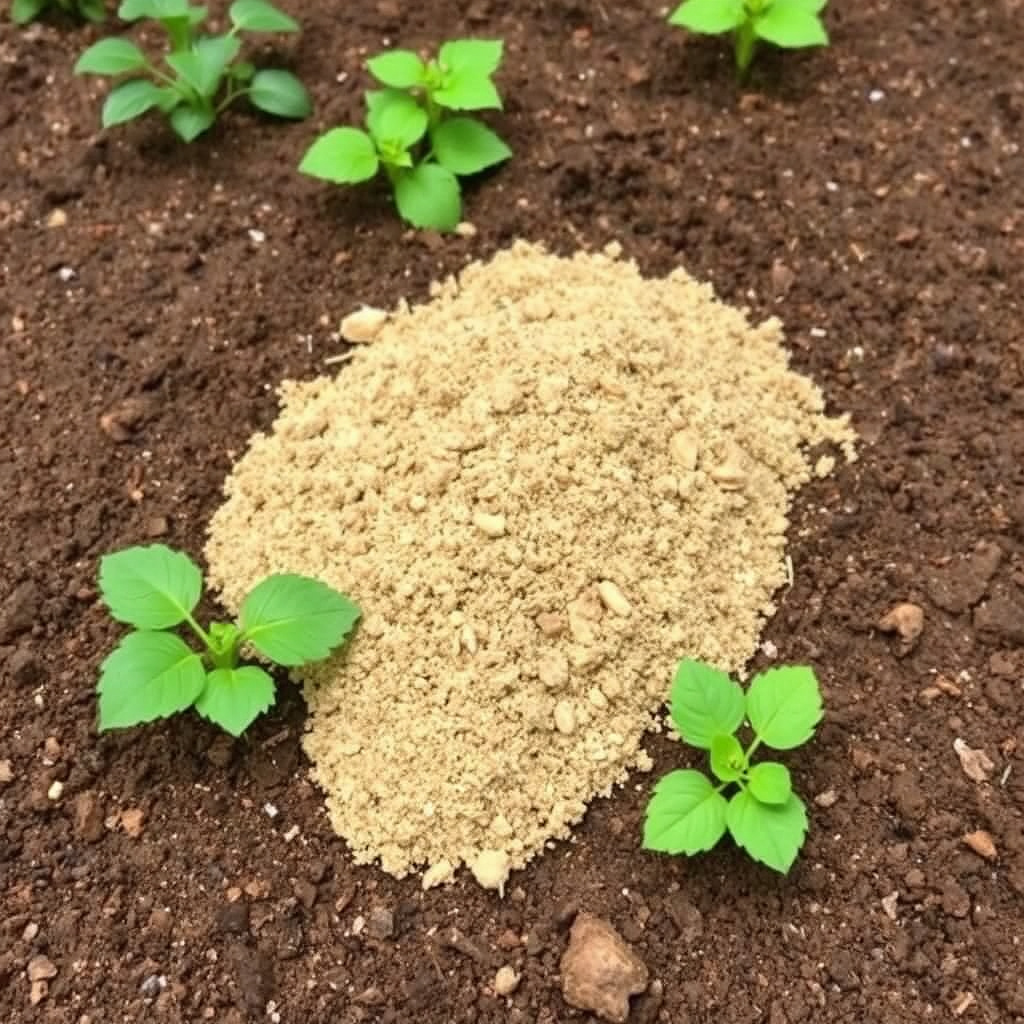
Adding organic matter such as compost, well-rotted manure, or leaf mold helps break apart clay particles and improves soil structure by increasing porosity. Organic material encourages beneficial microbes and earthworms, which further aerate the soil and enhance nutrient cycling.
Regular applications of organic matter also improve moisture retention without causing waterlogging. For best results, mix these amendments thoroughly into the top 6-12 inches of soil, where most roots develop.
- Use compost from yard waste or kitchen scraps
- Apply 2-3 inches of organic matter annually
- Mix amendments deeply before planting
Using Gypsum and Sand
Gypsum (calcium sulfate) can help improve clay soil by displacing sodium ions that cause soil particles to bind tightly, thereby loosening the soil structure. It also adds calcium, which supports root growth. Gypsum's effect depends on soil chemistry, so soil testing is recommended before application.
Contrary to popular belief, adding large amounts of sand alone can worsen clay soil by creating a concrete-like texture unless combined with sufficient organic matter. A balanced mixture of coarse sand and organic amendments can enhance drainage and workability.
- Test soil pH and sodium content before gypsum use
- Combine sand with organic matter to avoid compaction
- Apply gypsum according to soil test recommendations
Planting Approaches to Manage Clay Soil
Selecting Plants Suited for Clay Soil
Some plants tolerate heavier, wetter soils better than others. Examples include daylilies, switchgrass, sedges, and certain shrubs like dogwood or viburnum. Choosing species adapted to clay soil conditions reduces stress and increases garden success.
Incorporating deep-rooted plants can also help break up compacted soil over time. Their roots create channels that improve aeration and drainage, gradually transforming difficult soil.
- Daylilies and switchgrass
- Dogwood and viburnum shrubs
- Deep-rooted cover crops
For more on this, see our related guide: How to Choose the Best Soil for Cannabis Plants: A Complete Guide.
Using Raised Beds and Container Gardening
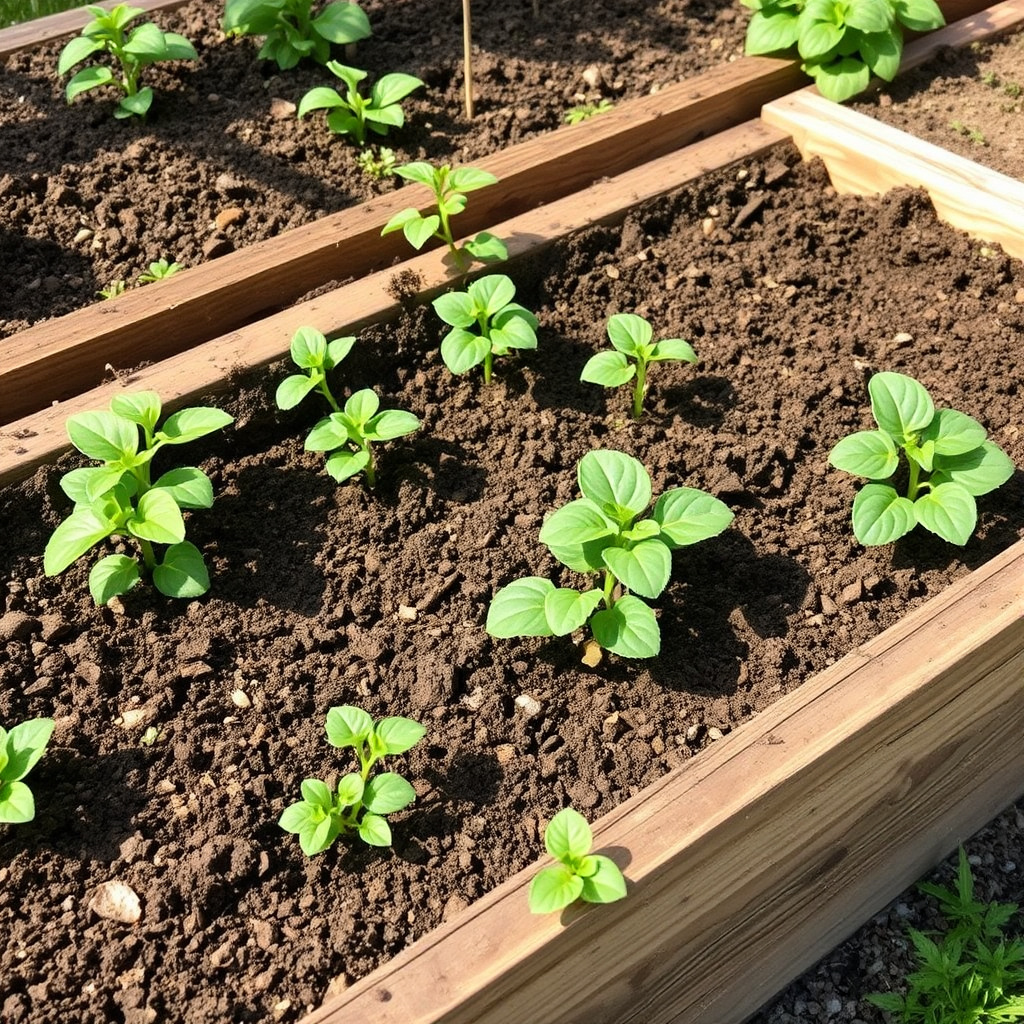
Raised beds filled with a custom soil mix allow better control over soil conditions, bypassing native clay soil limitations. Containers also provide alternatives for growing more delicate plants sensitive to clay's texture or moisture levels.
Raised beds can be constructed with untreated wood, bricks, or stone and filled with a blend of loam, organic matter, and coarse sand for ideal drainage. This method is particularly useful where improving underlying clay soil is impractical.
- Build beds at least 12 inches deep
- Use quality soil blends with good drainage
- Ensure raised beds receive adequate water
Improving Drainage in Clay Soil Environments
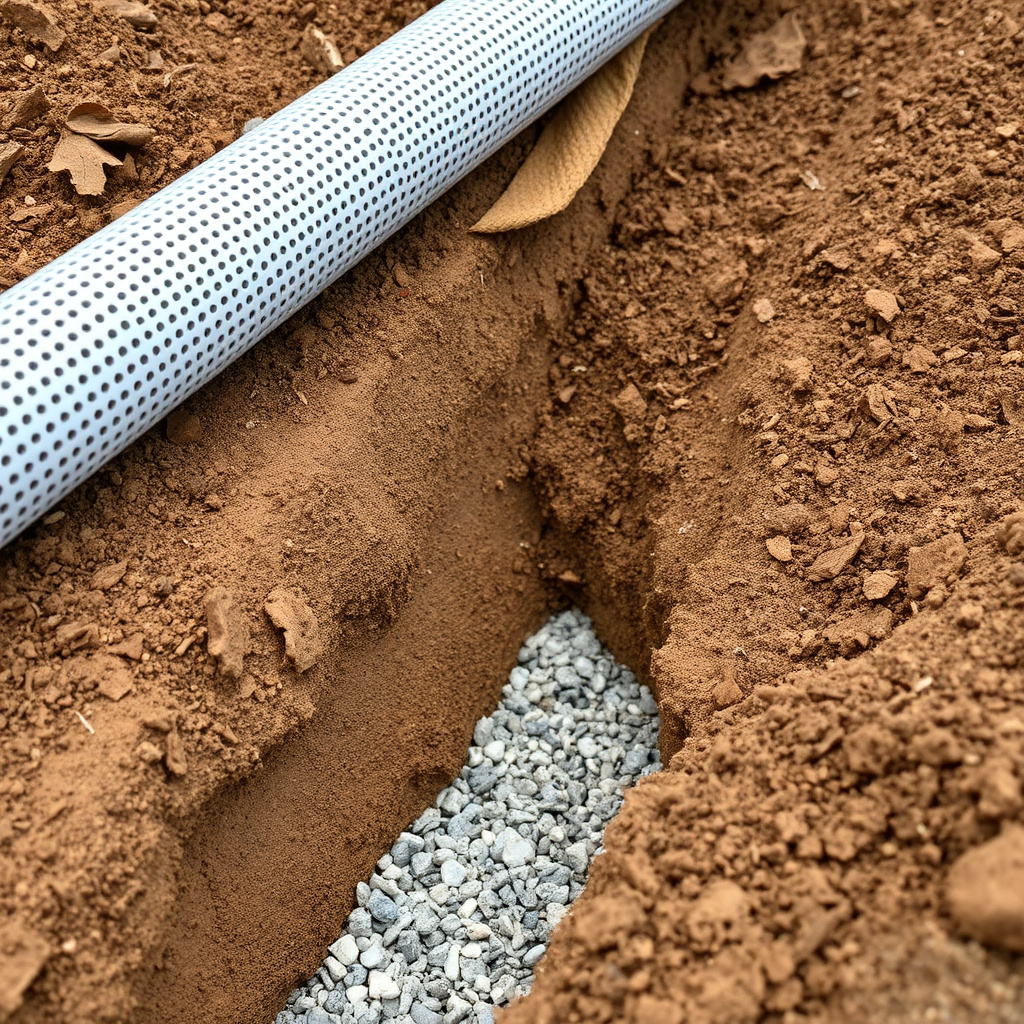
Installing Drainage Systems
In areas where waterlogging is persistent, installing drainage solutions such as French drains or perforated piping helps remove excess water from the root zone. These systems redirect water away from garden beds or lawn areas, preventing root rot and other moisture-related issues.
Properly designed drainage requires evaluating the slope, water source, and soil type. Positioning drains at the lowest points ensures efficient water removal and protects plant health.
- French drains for water diversion
- Perforated pipes to collect subsurface water
- Consult professionals for complex installations
Creating Mounded or Raised Planting Areas
Mounding soil to raise planting areas above the natural grade improves drainage and warms soil earlier in spring. This technique is simple and effective for smaller garden plots. Incorporating organic matter within mounds further enhances soil texture.
Raised planting can be especially helpful for vegetables and flowers sensitive to wet feet, reducing diseases related to excessive moisture.
- Build mounds 6-12 inches high
- Mix organic matter thoroughly within mounds
- Use for annuals and perennials prone to water stress
Ongoing Clay Soil Maintenance and Care
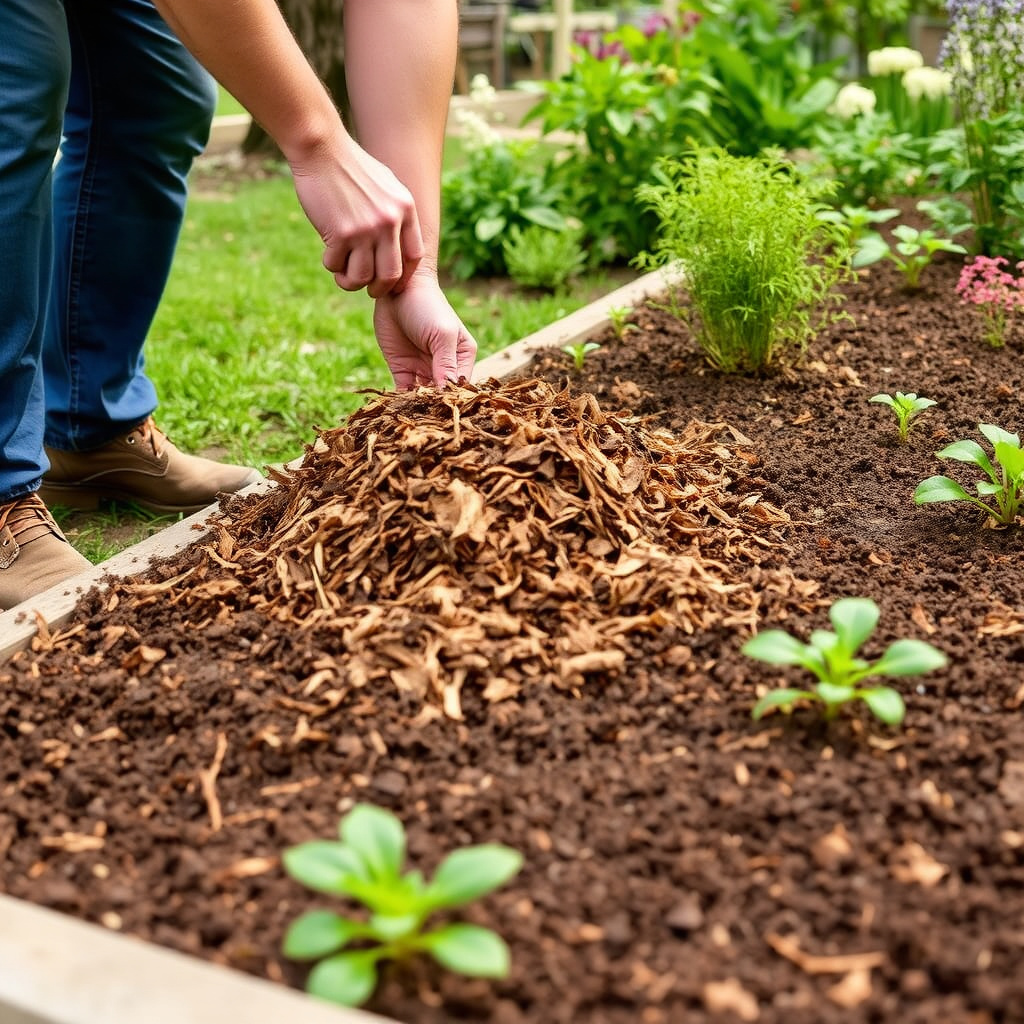
Mulching to Conserve Moisture and Suppress Crust
Applying organic mulch such as straw, wood chips, or shredded leaves protects clay soil from forming a hard crust, reduces evaporation, and moderates soil temperature. Over time, mulch decomposes, adding organic matter directly to the topsoil layer.
Mulching also inhibits weed growth, which competes for limited nutrients in clay soil. Regular replenishment is necessary to maintain mulch benefits throughout the year.
- Use 2-4 inches of organic mulch
- Replenish mulch annually or as needed
- Keep mulch a few inches away from plant stems
For more on this, see our related guide: How to Plant Seeds at the Right Depth for Successful Growth.
Avoiding Compaction and Timely Cultivation
Clay soil is vulnerable to compaction when wet, which can destroy soil structure and impede roots. Avoid walking on garden beds or working soil during wet conditions to preserve porosity.
When cultivation is needed, timing is critical. Work clay soil when it feels slightly moist but not wet or dry, and use tools that minimize disturbance to soil aggregates.
- Limit foot traffic on beds
- Cultivate only when soil is crumbly
- Use broadforks or hand tools
Using Soil Testing to Guide Clay Soil Improvements
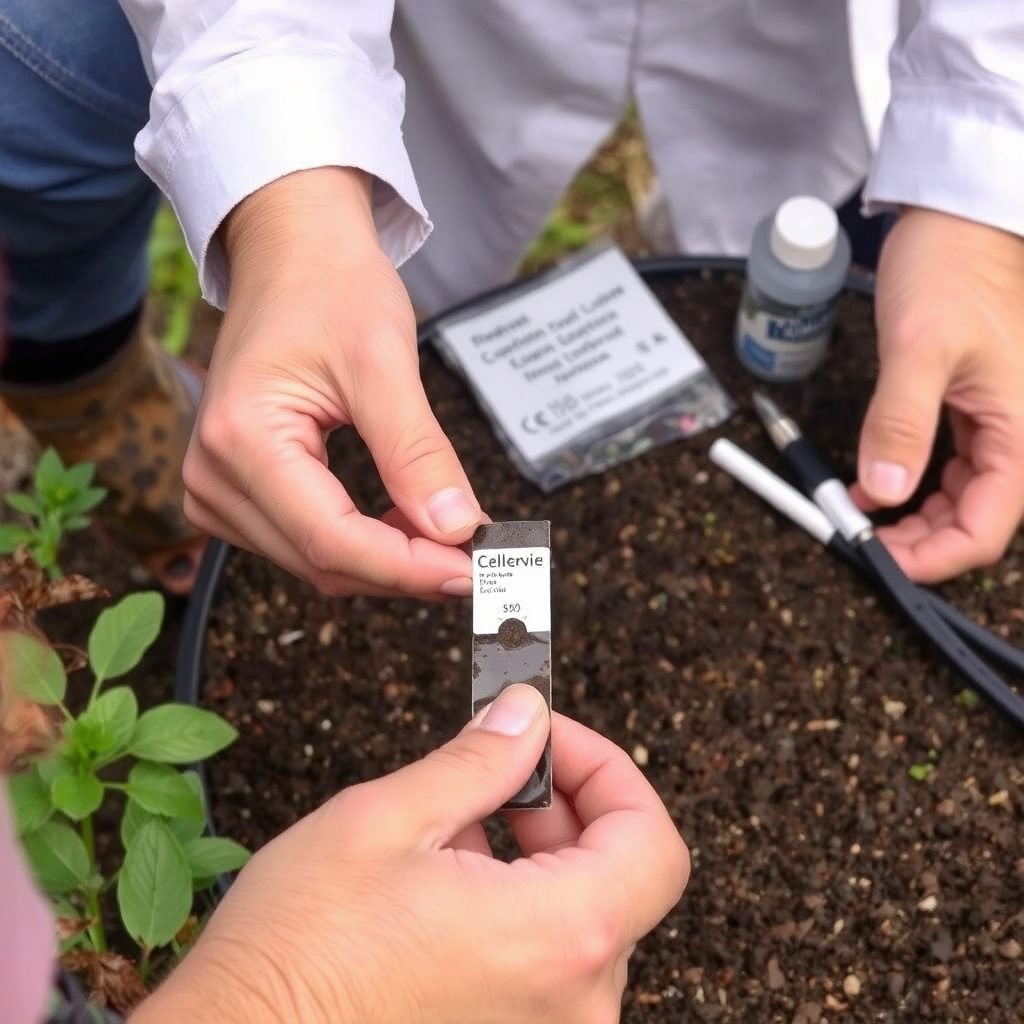
Testing Soil pH and Nutrient Levels
Regular soil testing provides critical data on nutrient availability and pH levels. Clay soils often have high pH but may lack magnesium or potassium. Testing enables targeted amendment rather than guesswork, saving resources and improving plant growth.
Home test kits are available, but professional lab analysis offers more precise results. Tests typically recommend fertilizer types and application rates based on current soil status.
- Test every 2-3 years
- Send samples to certified labs
- Follow amendment recommendations carefully
For more detailed information on clay soil characteristics and management, refer to clay soil information from the USDA. clay soil information from the USDA.
Interpreting Test Results for Effective Amendments
Understanding test results helps prioritize soil improvements. For example, low calcium suggests gypsum addition, whereas acidic pH might need lime. Nutrient deficiencies guide fertilizer choices to optimize plant nutrition on challenging clay soil.
Errors in interpreting test data can waste effort or harm soil health, so consult extension services or soil specialists if uncertain.
Clay Soil Improvement Methods Comparison
Here is a comparison of common methods used to improve clay soil, highlighting their benefits and limitations.
| Method | Primary Benefit | Best Use Case | Duration of Effect | Cost |
|---|---|---|---|---|
| Adding Organic Matter | Improves structure and fertility | Garden beds and lawns | Long-term with ongoing additions | Low |
| Applying Gypsum | Displaces sodium, loosens soil | Sodic clay soils with sodium issues | Medium-term (1-3 years) | Moderate |
| Incorporating Sand | Improves drainage when mixed properly | Clay soils amended with organic matter | Variable, may worsen compaction if done alone | Low |
| Raised Beds/Containers | Complete soil control and drainage | Small gardens and sensitive plants | Permanent while maintained | Moderate to High |
| Drainage Systems | Removes excess water | Waterlogged clay soils | Permanent if maintained | High |
Frequently Asked Questions
How often should I add organic matter to clay soil?
It's ideal to add organic matter annually or at least every other year to maintain improved soil structure and fertility in clay soils.
Can I use sand alone to fix my clay soil?
Using sand alone is not recommended as it can create a denser, concrete-like texture unless mixed with plenty of organic matter.
Does gypsum work on all types of clay soil?
Gypsum is effective mainly for sodic clay soils with high sodium levels; soil testing should confirm suitability before application.
What plants grow best in clay soil?
Plants like daylilies, switchgrass, sedges, dogwood, and viburnum are more tolerant of clay soil conditions.
How can I avoid compacting my clay soil?
Avoid working clay soil when wet, reduce foot traffic on beds, and use tools that minimize soil disturbance.
Key Takeaways
- Amend clay soil primarily with organic matter for improved structure and fertility.
- Gypsum helps loosen sodic clay soils but requires soil testing first.
- Plant selection and raised beds can mitigate clay soil challenges.
- Avoid compaction and use mulches to protect and nourish clay soil.
Conclusion
Improving clay soil involves multiple strategies tailored to its unique characteristics: fine particles, poor aeration, and susceptibility to compaction. Focusing on building organic matter content changes the soil texture and promotes biological activity crucial for plant health. Incorporating amendments like gypsum when appropriate further breaks up dense soil aggregates. Paying attention to drainage and root-friendly conditions rounds out a successful approach to manage clay soils effectively.
For gardeners dealing with clay soil, a combination of amending with organic matter and gypsum (after soil testing) is generally the best starting point. If the area suffers from waterlogging, installing drainage or using raised beds with a good soil mix supports healthier plants. Choosing clay-adapted plants or building planting mounds can help avoid common problems. Continued maintenance by mulching and careful soil handling ensures lasting benefits from improvement efforts.
The next step for gardeners is a soil test to identify current conditions and amendment needs. From there, gradually incorporate organic material and follow up with structural adjustments like gypsum or drainage improvements as indicated. Patience matters, since changing clay soil is an ongoing process but one that yields richer soil, better root development, and flourishing gardens.