What Nutrients Are in Fertilizer? A Complete Guide to Essential Fertilizer Nutrients
Fertilizers contain key nutrients that support plant growth; the three main ones are nitrogen (N), phosphorus (P), and potassium (K). These are often called primary nutrients and appear on fertilizer labels as N-P-K ratios. Besides these, fertilizers may include secondary nutrients like calcium, magnesium, and sulfur, which also affect plant health.
Knowing what nutrients are in fertilizer helps gardeners and farmers select the right product for their soil and plant needs. Plants require nutrients at different growth stages, so understanding the nutrient composition allows for tailored feeding that promotes optimal growth and yield.
This article will cover the essential nutrients found in fertilizers, their roles in plant development, various fertilizer types, and guidance on how to pick the best fertilizer based on nutrient content and application methods.
Understanding Primary Fertilizer Nutrients
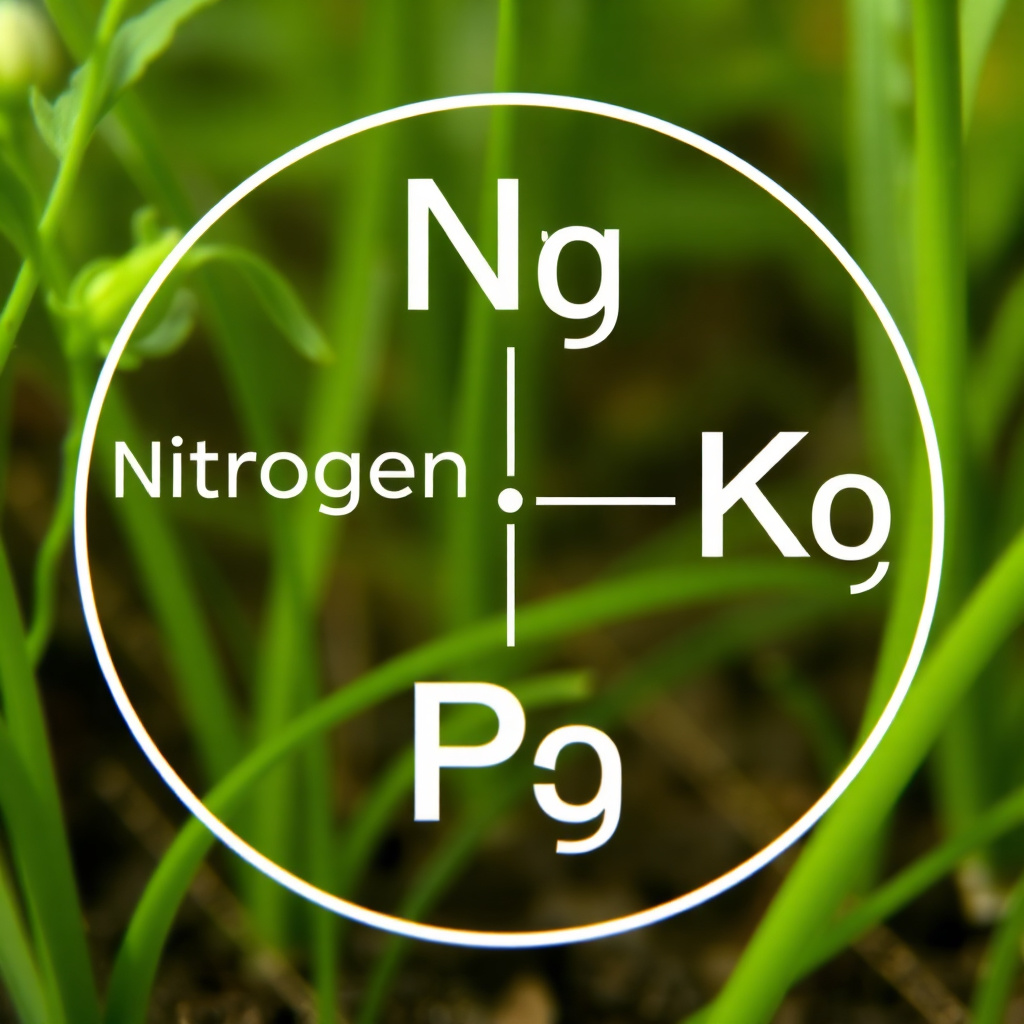
Nitrogen: Fuel for Leaf Growth
Nitrogen is a vital nutrient that plants use to build amino acids, proteins, and chlorophyll. It directly influences lush green foliage and overall vegetative growth. Nitrogen deficiency usually causes yellowing leaves and stunted growth, making it critical during the early growth stages.
Fertilizers usually supply nitrogen in forms such as ammonium nitrate, urea, or ammonium sulfate. The nutrient readily moves through the soil and is absorbed by roots to support rapid cell division and leaf area expansion.
Phosphorus: Essential for Root and Flower Development
Phosphorus supports energy transfer in plants, root development, blooming, and fruiting. It is part of ATP (adenosine triphosphate), the energy currency required for biochemical processes.
Phosphorus in fertilizers often comes as phosphate rock or superphosphate compounds. It is less mobile in soil than nitrogen, so placement near roots is important to improve uptake during root and flower formation.
- Enhances seed germination
- Promotes strong root systems
- Supports flower and fruit production
Secondary and Micronutrients in Fertilizers
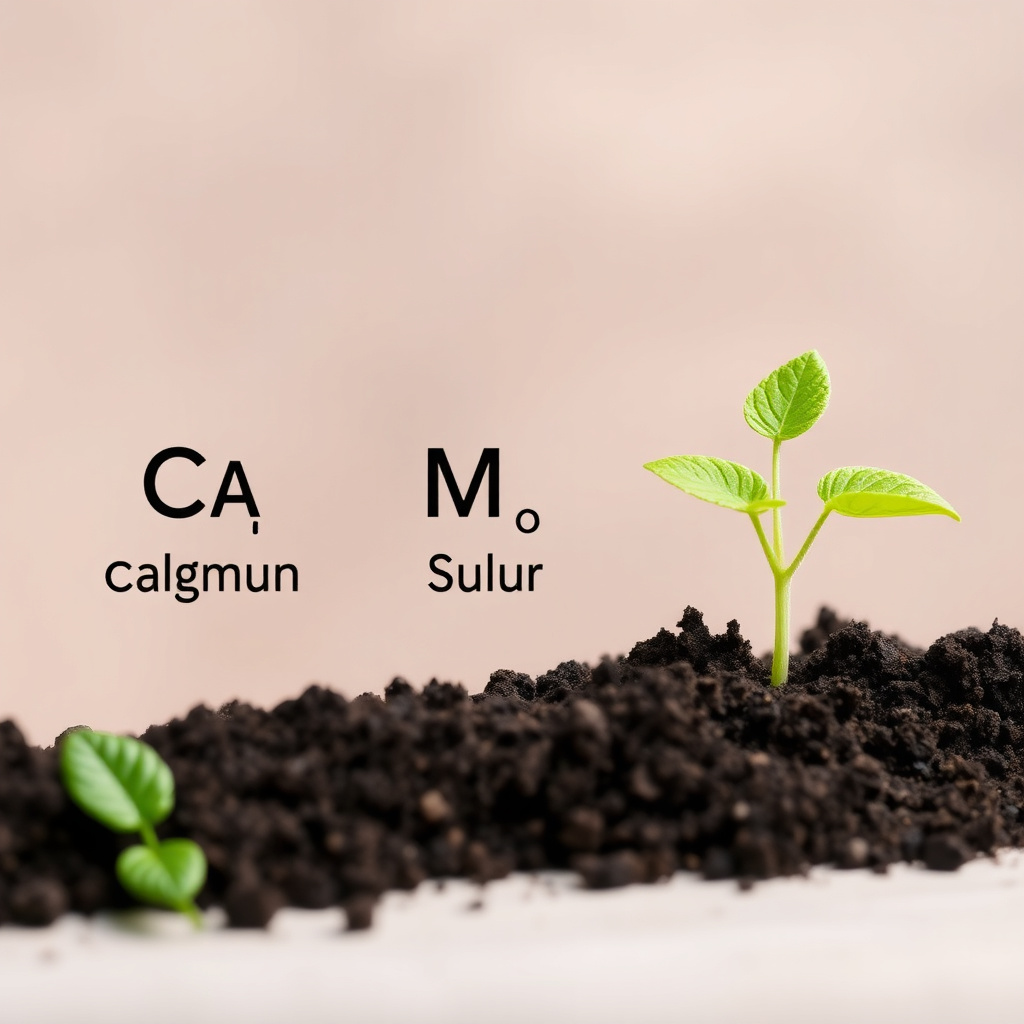
Calcium, Magnesium, and Sulfur: Supporting Plant Structure and Processes
Calcium strengthens cell walls and is key for root and leaf development. Magnesium is the central atom in chlorophyll molecules and is vital for photosynthesis. Sulfur contributes to amino acids and enzymes essential for growth.
These secondary nutrients are often included in fertilizers to correct deficiencies and improve plant vigor. For example, gypsum can add calcium and sulfur, while dolomitic lime supplies calcium and magnesium.
Micronutrients: Trace but Crucial Elements
Micronutrients such as iron, manganese, zinc, copper, boron, molybdenum, and chlorine support vital enzymatic reactions despite being required in small amounts. Deficiencies lead to chlorosis, poor growth, and lower yields.
Specialized micronutrient fertilizers or soil amendments can correct imbalances. These are often applied as foliar sprays or combined with granular fertilizers to ensure availability.
Types of Fertilizers Based on Nutrient Content
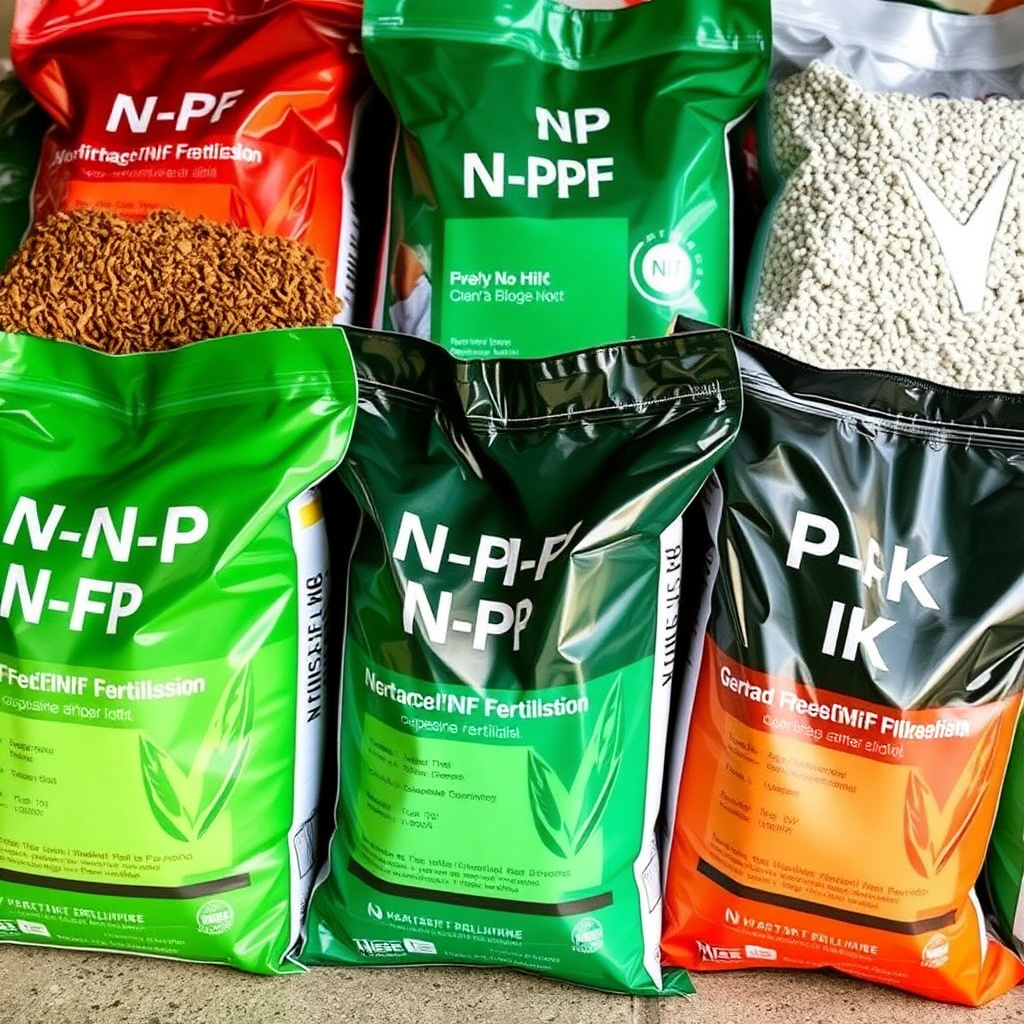
Complete Fertilizers: Balanced Nutrients
Complete fertilizers supply all three primary nutrients: nitrogen, phosphorus, and potassium. They come in fixed ratios like 10-10-10 or 20-20-20 that indicate the percentage of each nutrient by weight.
These are versatile and commonly used for general gardening or crop production because they provide a broad nutrient base suitable for many plants.
- Useful for general soil fertility
- Convenient, all-in-one formula
For more on this, see our related guide: Best Nutrients for Cannabis Plants: Essential Guides for Thriving Growth.
Specialty Fertilizers: Targeted Nutrient Supply
Specialty fertilizers focus on a specific nutrient, such as high-nitrogen fertilizers for leafy crops or high-phosphorus blends for flowering plants. Others include micronutrient-enriched or organic fertilizers.
Choosing the right specialty fertilizer depends on the plant’s growth stage, soil nutrient tests, and crop type, enhancing nutrient efficiency and minimizing waste.
How to Read Fertilizer Labels and N-P-K Ratios
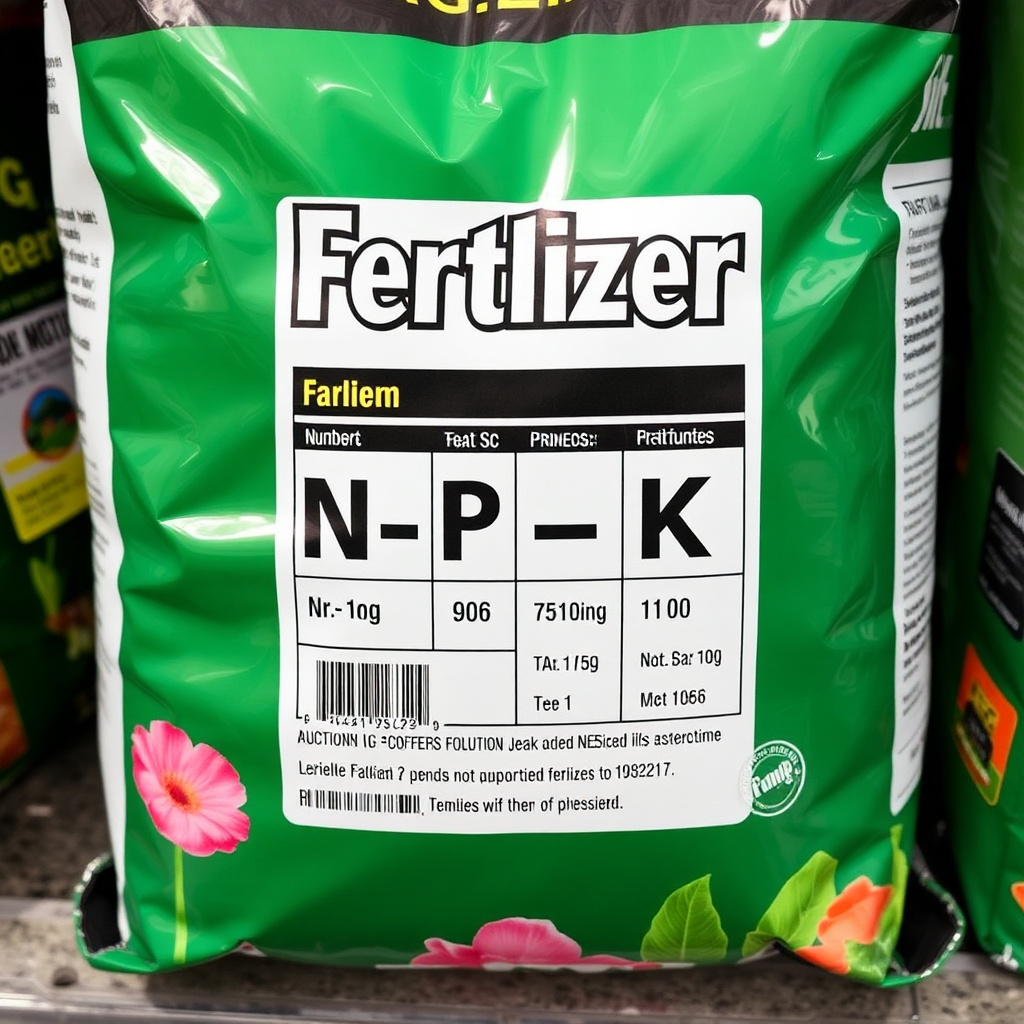
Decoding the N-P-K Ratio
The N-P-K ratio on fertilizer packaging shows the percentages by weight of nitrogen, phosphorus (as P2O5), and potassium (as K2O). For example, a 15-30-15 fertilizer means 15% nitrogen, 30% phosphorus pentoxide, and 15% potassium oxide.
Understanding these ratios helps select fertilizers suited to the nutrient needs of your plants, whether promoting leafy growth, root development, or fruit quality.
Additional Information on Fertilizer Packages
Besides N-P-K, labels may indicate secondary nutrients, micronutrients, the fertilizer form (granular, liquid), and application instructions. Some also highlight if the product is slow-release or organic.
Reading all details ensures proper application timing and quantity, which affects nutrient availability and environmental safety.
Applying Fertilizer Correctly to Maximize Nutrient Use

Timing and Frequency of Fertilizer Application
Applying fertilizer at the right time promotes nutrient uptake and reduces losses. For instance, high-nitrogen fertilizers are best applied during early vegetative growth, while phosphorus and potassium focus on root and fruit stages.
Split applications can prevent nutrient leaching and improve plant absorption. Soil tests can guide how often and how much fertilizer is needed.
For more on this, see our related guide: What Affects Plant Growth: Key Factors Explained for Healthy Gardens.
Methods of Fertilizer Application
Fertilizers can be applied by broadcasting over the soil, side-dressing near plants, or as foliar sprays. Each method affects nutrient availability and environmental impact differently.
Choosing the proper application technique depends on plant type, fertilizer form, and soil conditions, all critical for maximizing nutrient efficiency.
Environmental Considerations When Using Fertilizers
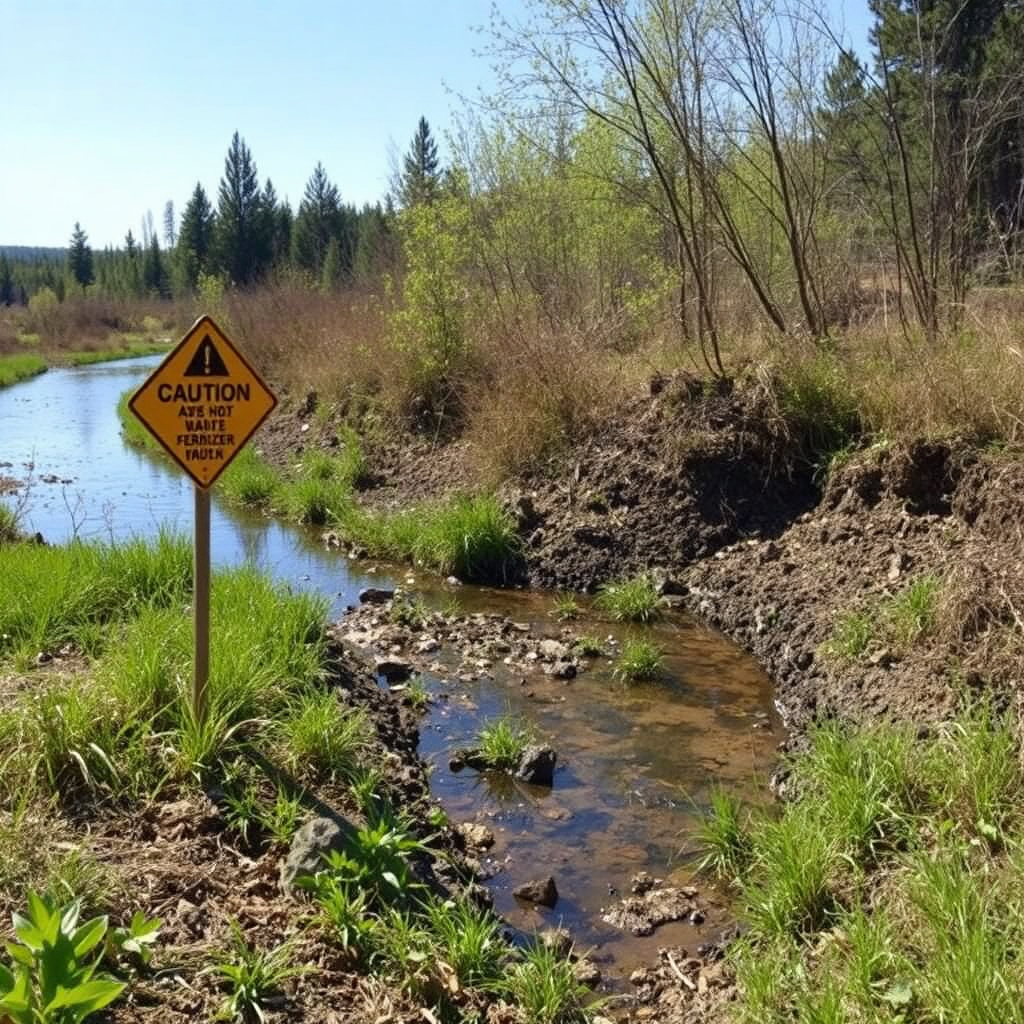
Risks of Nutrient Runoff and Pollution
Excessive fertilizer application can cause nutrient runoff into waterways, leading to eutrophication and harmful algal blooms. Nitrogen and phosphorus are the primary culprits affecting water quality.
Careful management practices, such as soil testing, using the right fertilizer types, and applying appropriate amounts, minimize environmental harm.
For deeper insights into fertilizer nutrients and chemistry, see the detailed information on fertilizer at Wikipedia. Fertilizer nutrient information on Wikipedia.
Best Practices to Reduce Environmental Impact
Incorporating slow-release fertilizers, buffer strips, and precision application technologies helps reduce nutrient loss. Regular soil testing informs accurate fertilization schedules aligned with crop needs.
Adopting integrated nutrient management balances fertilizer use with organic amendments, promoting sustainable soil health and reducing chemical input.
Comparison of Fertilizer Types by Nutrient Content and Use
Here is an overview comparing common fertilizer categories in terms of their nutrient balance, best uses, and typical forms.
| Fertilizer Type | Nitrogen Content (%) | Phosphorus Content (%) | Potassium Content (%) | Common Use |
|---|---|---|---|---|
| Complete Fertilizers | 10-20 | 10-30 | 10-20 | General-purpose for many crops |
| High-Nitrogen Fertilizers | 20-35 | 0-5 | 0-5 | Leafy vegetable growth |
| High-Phosphorus Fertilizers | 5-10 | 20-50 | 0-10 | Root and flower development |
| High-Potassium Fertilizers | 0-5 | 0-10 | 30-60 | Fruit quality and disease resistance |
| Organic Fertilizers | Variable | Variable | Variable | Soil health and slow nutrient release |
Frequently Asked Questions
Why is nitrogen important in fertilizer?
Nitrogen promotes healthy leaf and stem growth by aiding protein and chlorophyll synthesis. It is critical for plants during early vegetative growth.
How does phosphorus benefit plants?
Phosphorus supports strong root systems, flower formation, and energy transfer within plants through compounds like ATP.
What role do micronutrients play in fertilizers?
Micronutrients are trace elements essential for enzymatic processes; their absence can cause growth issues despite low quantity needs.
How can I avoid fertilizer runoff?
Applying fertilizer according to soil tests, using slow-release products, and proper timing reduces nutrient runoff and environmental harm.
What does the N-P-K ratio on fertilizer mean?
The N-P-K ratio indicates the percentages of nitrogen, phosphorus (as P2O5), and potassium (as K2O) in the fertilizer mix.
Key Takeaways
- Primary nutrients nitrogen, phosphorus, and potassium are key for plant growth.
- Secondary nutrients and micronutrients support structural and enzymatic functions.
- Fertilizer types vary based on nutrient ratios and specific plant requirements.
- Proper application timing and method reduce waste and environmental impact.
Conclusion
Understanding what nutrients are in fertilizer is fundamental for growing healthy plants. The main fertilizer nutrients—nitrogen, phosphorus, and potassium—each serve critical roles in growth stages, from leaf development to flowering and fruiting. Secondary nutrients and micronutrients might not be immediately obvious but contribute significantly to plant health when balanced properly. Selecting fertilizers based on nutrient content, plant needs, and soil conditions improves nutrient use efficiency and plant performance. Paying attention to the N-P-K ratio and other label information will help gardeners make informed choices tailored to their specific requirements.
For general applications, complete fertilizers with balanced N-P-K ratios suit many garden plants and crops. When targeting specific growth phases or correcting deficiencies, specialty fertilizers high in particular nutrients like nitrogen or phosphorus deliver focused support. Organic fertilizers complement these by improving soil structure and slowly releasing nutrients. Employing soil testing and watching plant responses can guide fertilizer selection and application schedules, ensuring the right nutrients are available when plants need them without overuse.
If you're ready to nourish your plants effectively, start by testing your soil to identify current nutrient levels. Choose a fertilizer matching the plant’s growth phase and soil needs—whether a balanced complete mix or a targeted specialty fertilizer. Always follow application guidelines carefully, and consider integrating organic amendments to foster healthier soil over time. Taking these steps will lead to vigorous, thriving plants and a greener garden.