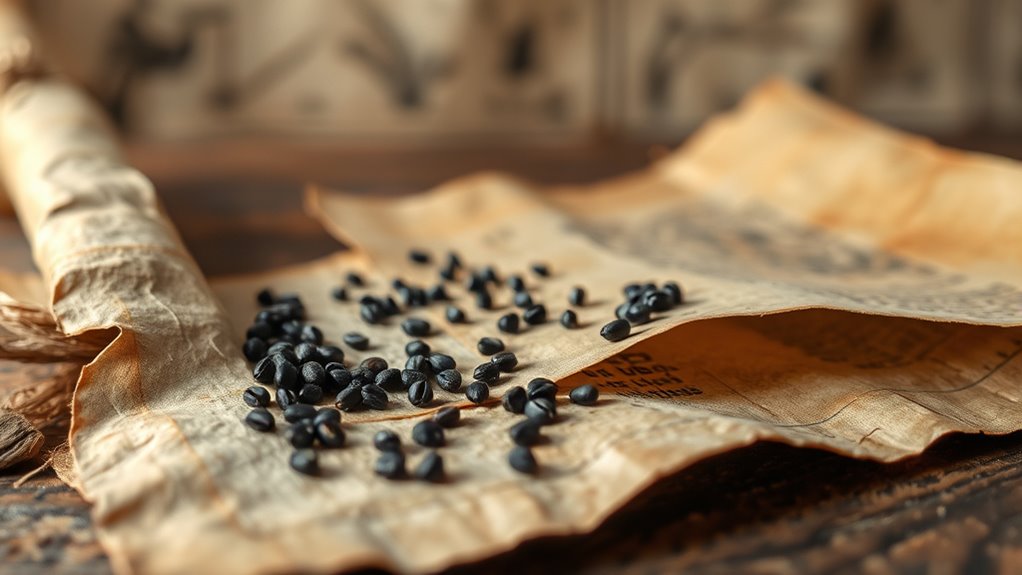
How Do Chia Seeds Come From History?
Many people struggle to find nutritious, versatile superfoods that fit into busy lifestyles. If you’re looking for a natural boost, chia seeds might just be what you need.
Chia seeds come from ancient civilizations like the Aztecs and Mayans, who valued them as a crucial energy source and spiritual symbol. They cultivated chia for its health benefits, using traditional methods to harvest and prepare the seeds for food and rituals.
Over time, chia’s meaning shifted from sacred to modern superfood, but its rich history still influences its cultural significance today.
If you want to uncover more about this fascinating journey, keep exploring.
Key Takeaways
- Chia seeds come from the ancient cultures of the Aztecs and Mayans, who saw them as an important food and a spiritual symbol.
- They were traditionally grown using simple tools like sickles. The seeds were harvested from mature plants and sun-dried.
- In history, chia seeds played a role in rituals, offerings, and as a quick energy source during long journeys and wars.
- Farmers grew chia plants alongside crops like maize and beans, practicing sustainable farming methods.
- Over time, chia seeds shifted from being sacred symbols to a modern superfood celebrated worldwide for their health benefits.
What Are Chia Seeds and Why Are They Valuable?
Chia seeds are tiny, nutrient-dense seeds from the Salvia hispanica plant, native to Central America. They’re packed with nutrients that make them a great addition to your diet.
They’re rich in fiber, omega-3 fatty acids, protein, vitamins, and minerals. These nutrients support your overall health and boost your energy levels.
Because they’re so versatile, you can easily add chia seeds to many dishes. Sprinkle them on yogurt, blend into smoothies, or add to oatmeal for a nutritious kick.
When soaked in liquid, they create a gel-like texture, making them perfect for puddings or thickening recipes. Their mild flavor blends well in both sweet and savory dishes.
Thanks to their high nutritional value and adaptability, chia seeds are a popular superfood. They can help improve digestion, support heart health, and enhance your overall well-being.
How Chia Seeds Were First Discovered in Ancient Civilizations
Long before chia seeds gained popularity worldwide, ancient civilizations in Central America knew their value as a key food source. They naturally found chia growing in the region and quickly understood its benefits.
The Aztecs and Mayans especially valued chia for its high nutritional content and easy incorporation into their diets. They used chia seeds in porridges, drinks, and as energy boosts for warriors and workers.
The Aztecs and Mayans prized chia for its nutrition, using it in porridges, drinks, and energizing their warriors and workers.
Ancient uses also included medicinal purposes, with chia believed to promote health and energy. Archaeological evidence shows these civilizations intentionally cultivated chia, highlighting its importance in daily life and rituals.
They appreciated how chia seeds provided long-lasting energy and hydration, especially during long journeys or battles. This early discovery and use of chia laid the groundwork for its lasting significance in ancient diets and cultures.
Cultivating and Using Chia Seeds in Aztec and Mayan Societies
Ancient Aztec and Mayan societies actively cultivated chia to ensure a steady supply of this valuable seed. In Aztec farming, they used advanced techniques, planting chia alongside crops like maize and beans to make the best use of their land.
Chia was really important culturally, often featured in Mayan rituals and religious ceremonies. It symbolized sustenance and health, playing a key role in their traditions.
The seeds were vital for their nutrition, providing a dense source of energy and essential nutrients. Chia was also traded along ancient routes, showing how important it was economically.
Mayans used chia in their recipes, mixing it into drinks and foods to keep warriors and farmers energized. They also recognized medicinal uses, using it to treat stomach issues and stay hydrated.
Traditional Methods of Harvesting and Preparing Chia
Traditional methods of harvesting and preparing chia have been passed down through generations, relying on simple tools and careful timing. During traditional harvesting, farmers wait until the plants are mature and the seeds are fully ripened.
Traditional chia harvesting relies on patience, simple tools, and careful timing to preserve seed quality and cultural heritage.
They then cut the chia stalks, often using basic tools like machetes or sickles. Once harvested, seed preparation begins with drying the seeds in the sun to reduce moisture and prevent mold.
After drying, the seeds are gently separated from the chaff, sometimes by rubbing or sieving. This careful process guarantees the seeds stay intact and clean for consumption or storage.
Traditional harvesting and seed preparation emphasize patience and attention to detail, helping preserve the quality of the chia. These age-old techniques connect you to a rich history of cultivation, using natural methods that have stood the test of time.
Your understanding of these processes deepens your appreciation for chia’s cultural significance and natural origins.
The Spread of Chia Seeds Across Central America and Beyond
As communities across Central America started growing chia, its popularity spread beyond local farms, moving steadily through the region. Farmers improved their cultivation methods, making better use of water and planting in ways suited to different climates.
This helped chia adapt to various environments, expanding its reach. Cultural importance played a big role in this spread—chia was more than just a crop; it held spiritual and ceremonial meaning among indigenous peoples.
As trade routes grew, chia seeds traveled beyond Central America to reach distant markets and communities. This spread was driven by both farming improvements and the recognition of chia’s value in traditional practices.
Over time, chia shifted from a sacred staple to a popular superfood. Still, its cultural roots are clearly visible today. The spread of chia shows how indigenous farming methods and cultural reverence helped establish its global presence.
What Are the Nutritional and Energy Benefits of Chia Seeds?
Chia seeds are packed with Omega-3 fatty acids, which are great for supporting your heart and brain health. They’re also loaded with dietary fiber, so they can help you stay full longer and keep your digestion running smoothly.
Adding chia seeds to your meals is an easy way to give your energy a little boost and improve your overall nutrition. They’re a simple, versatile way to make your diet more nutritious without much effort.
Rich in Omega-3s
Because they are packed with omega-3 fatty acids, chia seeds offer impressive nutritional and energy benefits. These healthy fats support brain health, reduce inflammation, and boost heart health.
Their omega-3 benefits really stand out compared to other plant-based sources, making them a great addition to your diet. In fact, chia seeds provide more omega-3s than flaxseeds and many nuts.
Adding them to your meals can boost your overall well-being. Plus, they’re super versatile—you can toss them into smoothies, yogurt, or oatmeal with ease.
High in Dietary Fiber
Since they are loaded with dietary fiber, chia seeds play a big role in supporting digestive health and keeping your energy steady. As one of the best fiber sources, they help regulate bowel movements and prevent constipation.
The high fiber content slows down digestion, making you feel full longer and helping to stabilize blood sugar levels. This makes chia seeds a great addition to your diet if you’re aiming to improve your gut health.
Their fiber also supports healthy gut bacteria, which is important for overall well-being. Including chia seeds in your meals boosts your fiber intake naturally and effectively.
Whether you sprinkle them on yogurt, add them to smoothies, or include them in baked goods, these tiny seeds provide notable nutritional and energy benefits through their high fiber content.
How Chia Seeds Were Used in Ancient Medicine and Rituals
Did you know that ancient cultures actually used chia seeds in their sacred rituals and offerings? They believed these tiny seeds were special and could help honor their gods and spirits. It’s pretty fascinating to think about how something so small played such a big role in spiritual ceremonies.
People also used chia in their healing practices, thinking it had medicinal powers. They would incorporate the seeds into various remedies and treatments, trusting in their natural benefits. And it wasn’t just about health — chia was also prepared in special foods for rituals, helping people connect more deeply with their spiritual traditions.
Sacred Rituals and Offerings
In ancient cultures, chia seeds played a sacred role in spiritual and medicinal practices. They were often used in rituals to honor gods and seek divine blessings.
Their sacred significance made them essential in various ceremonies. You might have seen them as part of offerings, symbolizing sustenance and spiritual connection.
These seeds were sprinkled on altars or mixed into sacred drinks during ceremonies. Their role went beyond nourishment, serving as a bridge between humans and the divine.
Chia seeds represented fertility, vigor, and divine favor, highlighting their importance in spiritual rituals. Including them in sacred rites showed they were more than just food.
They were powerful symbols of faith and reverence, used in ceremonial offerings to gods and incorporated into sacred drinks and rituals.
Ancient Healing Practices
Ancient civilizations saw chia seeds not just as a sacred offering but also as a powerful healing ingredient. They believed these tiny seeds had medicinal powers, making them essential for various remedies.
The Aztecs and Mayans used chia to boost energy, improve endurance, and help digestion. They valued its nutritional and healing properties deeply.
Chia’s significance went beyond just nourishment; it was considered a gift from the gods, connecting health with spiritual well-being. Healers used chia seeds in poultices and tonics, trusting their ability to treat wounds and illnesses.
This long-standing belief in their healing powers shows how chia seeds played a key role in ancient medicine, blending practical health benefits with cultural and spiritual traditions.
Ritualistic Food Preparation
Because of their revered status, chia seeds were often prepared and consumed in ways that intertwined health with spiritual significance. They held deep ritual importance in ancient cultures, symbolizing abundance and liveliness.
During ceremonies, they were used as offerings or incorporated into sacred foods, emphasizing their food symbolism. You might have seen them mixed into drinks or prepared as special treats to honor gods or ancestors.
These rituals reflected their role beyond just feeding people, reinforcing spiritual beliefs and social bonds. The way they were prepared wasn’t just about nutrition but also about connecting with higher powers and community values.
Chia seeds, in this context, went beyond ordinary food, serving as a bridge between physical health and spiritual well-being.
The Changing Meaning and Symbolism of Chia Over Time
As the centuries have passed, the symbolism attached to chia seeds has evolved quite a bit, shifting from sacred symbols to a more practical health food. In ancient cultures, chia had deep symbolic meaning, often representing fertility, vigor, and cultural connection.
For the Aztecs and Mayans, it was more than just food; it was a spiritual symbol linked to their identity and rituals. Over time, however, the meaning of chia moved away from spiritual symbolism toward health and wellness.
Today, you mainly see chia seeds celebrated for their nutritional benefits like omega-3s, fiber, and antioxidants. While they’ve lost much of their sacred status, they still carry cultural heritage as a reminder of their historical importance.
Today, chia seeds are valued for their health benefits, but they still honor their rich cultural and historical roots.
This change reflects broader societal shifts in how we view food—moving from symbolic and ritualistic to practical and health-focused. Still, the roots of their symbolic meaning remain an important part of their story.
From Ancient Crops to Modern Superfood: Chia Farming Today
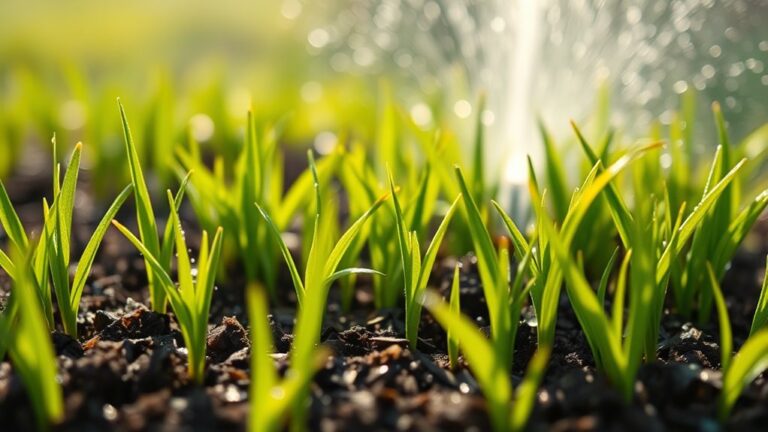
Today, chia farming has grown into a global industry fueled by its nutritional benefits and versatility. You’ll see chia cultivation thriving in many regions, blending traditional methods with modern techniques.
Farmers emphasize sustainable practices to keep soil healthy and reduce environmental impact, ensuring they can produce chia for years to come. The crop’s historical importance as a staple in ancient civilizations reminds us of its long-standing value.
You can enjoy chia seeds in countless ways, from smoothies to baked goods, thanks to their health benefits. As demand rises, innovations in farming help increase yields and quality, making chia accessible worldwide.
Lessons From Chia’s History for a Healthier Lifestyle
The long history of chia offers valuable lessons for living a healthier lifestyle, especially when it comes to choosing natural, whole foods. Its cultural importance among ancient civilizations highlights the benefits of eating minimally processed ingredients for better health.
Chia’s role as a staple food reminds us to prioritize nutrient-rich options over processed snacks. Today, we see its versatility, from adding fiber and omega-3s to smoothies and puddings to using it as an egg substitute in baking.
These practices show that embracing whole foods rooted in tradition can support your overall wellness. Understanding chia’s past encourages you to include more natural, minimally refined ingredients in your diet.
This approach not only honors traditional wisdom but also promotes sustainable, health-conscious choices. Learning from chia’s history helps you appreciate the value of simplicity and natural nourishment.
Frequently Asked Questions
Are Chia Seeds Native to Regions Outside Central America?
Chia seeds are primarily native to Central America, especially Mexico and Guatemala, where their origins are deeply rooted in ancient cultures.
While their traditional use is from these regions, today, they’re cultivated in other parts of the world.
Their nutritional benefits, like high fiber and omega-3s, make them popular globally.
However, for authentic chia origins, you’ll want to stick to their native Central American roots.
How Did Chia Seeds Influence Ancient Trade Routes?
Chia seeds influenced ancient trade routes by symbolizing wealth, fertility, and sustenance. They connected cultures through their value and portability.
They traveled along these routes, fueling trade networks and fostering cultural exchanges. Their symbolism spread across civilizations.
As an essential commodity, chia seeds acted as a currency and a symbol of life. They shaped economic and spiritual exchanges and became part of ancient trade.
Chia seeds embodied both practical use and deep cultural significance, weaving themselves into the fabric of history.
What Are Modern Farming Techniques for Chia Cultivation?
You can grow chia seeds using modern farming techniques that focus on sustainable practices and efficient irrigation methods.
Implement crop rotation and organic fertilizers to keep the soil healthy. Use drip irrigation or sprinklers to save water and cut down on waste.
These methods help ensure healthy chia plants, increase yields, and reduce environmental impact.
Are There Cultural Rituals Associated With Chia Seed Harvesting?
Harvesting rituals surrounding chia seeds are deeply rooted in cultural significance, acting as sacred rites that honor nature’s bounty. You might participate in ceremonies that celebrate the harvest, symbolizing gratitude and renewal.
These rituals serve as a bridge between tradition and community, like threads woven into a vibrant tapestry. They remind you that chia seeds are more than just food—they embody cultural stories, spiritual connections, and respect for the earth’s cycles.
How Has the Global Demand for Chia Seeds Evolved Over Time?
You’ve seen the global demand for chia seeds grow as people recognize their nutritional benefits, like omega-3s and fiber. Market trends show a surge in health-conscious consumers seeking superfoods, boosting chia seed popularity worldwide.
This shift has transformed chia from a traditional seed to a mainstream product in health foods, smoothies, and snacks. As awareness spreads, demand continues to rise, making chia seeds a staple in global markets.
Conclusion
Think of chia seeds as tiny time travelers, carrying stories from ancient civilizations to your modern table. Their journey shows how a simple seed can hold centuries of history, wisdom, and tradition.
By embracing chia today, you’re reconnecting with the past’s natural health secrets. Like a bridge between eras, these seeds remind you that some treasures are timeless, offering nourishment and history in every handful.
Keep their story alive with every meal you enjoy. Incorporating chia seeds connects you to a rich history, making them more than just a superfood—they’re a piece of history you can taste.