Understanding What Is Plant Pruning and How It Benefits Your Garden
Plant pruning is the practice of selectively removing parts of a plant, such as branches, buds, or roots, to improve its structure, encourage healthy growth, and enhance flowering or fruit production. By cutting away dead, damaged, or overcrowded parts, gardeners help plants focus their energy on thriving rather than supporting weak segments.
This process matters because it directly influences the plant’s vitality and appearance. Pruning reduces disease risks, controls size and shape, and promotes better air circulation and light penetration within the plant canopy. Far from a purely aesthetic task, it significantly impacts overall garden health and productivity.
In this article, we'll explore the fundamentals of plant pruning, covering various pruning methods, seasonal timing, tools you need, and common mistakes to avoid. Whether you’re pruning trees, shrubs, or flowering plants, understanding these key points will help you prune effectively and boost your garden’s performance.
Basics of Plant Pruning
What Is Plant Pruning?
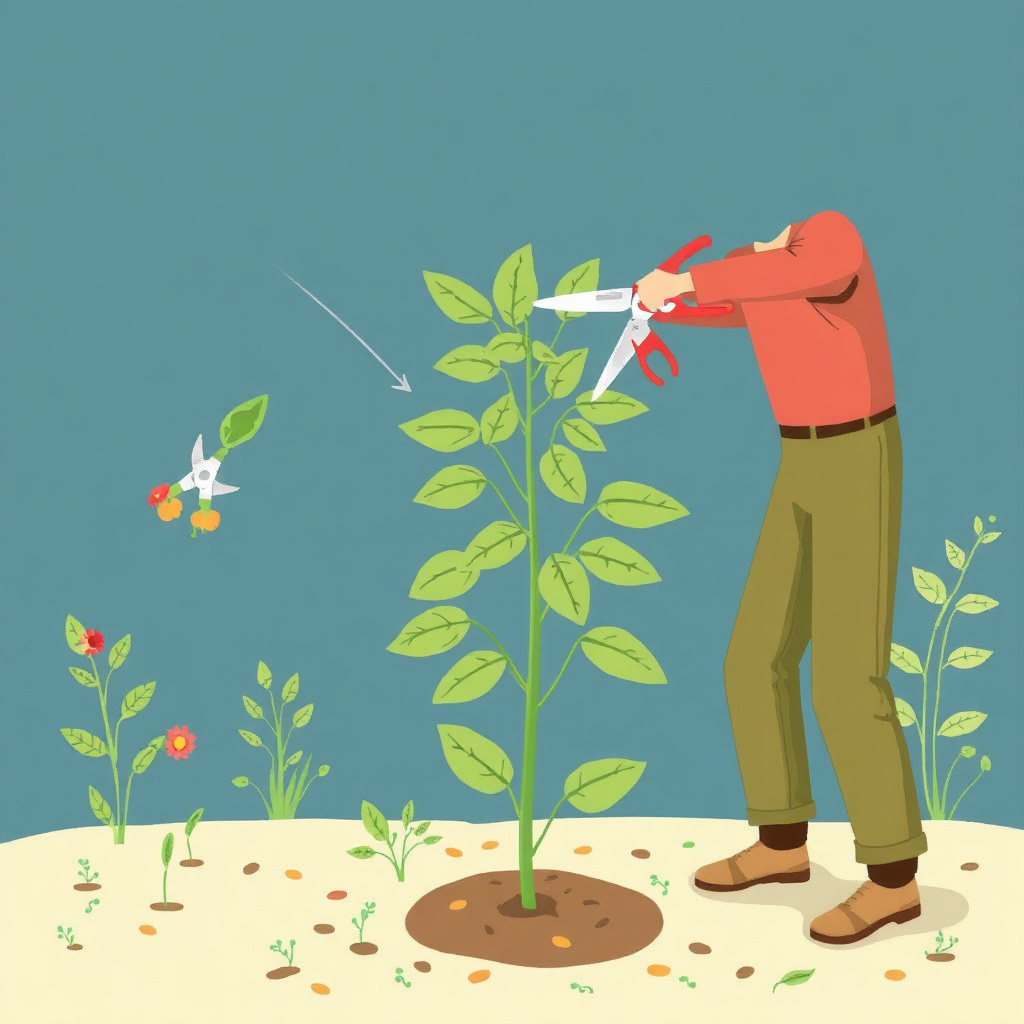
Plant pruning involves carefully cutting off certain parts of a plant to remove deadwood, shape its growth, or encourage fruit and flower development. Decisions about what to prune depend on the plant species and growth habit.
Pruning is not just random cutting; it requires understanding the plant’s growth cycles and how it responds to cuts. Doing so promotes controlled growth, prevents overcrowding, and reduces susceptibility to pests and diseases.
Why Pruning Matters for Plants
Proper pruning maintains plant health by eliminating parts that could harbor disease or drain resources. It also stimulates the growth of new shoots, which are often more vigorous and productive.
For landscape aesthetics, pruning helps keep plants within desired sizes and shapes, making gardens look neat and balanced. Moreover, open spaces created by pruning improve light penetration and airflow around the plant.
Common Pruning Techniques for Plants
Thinning and Heading Cuts
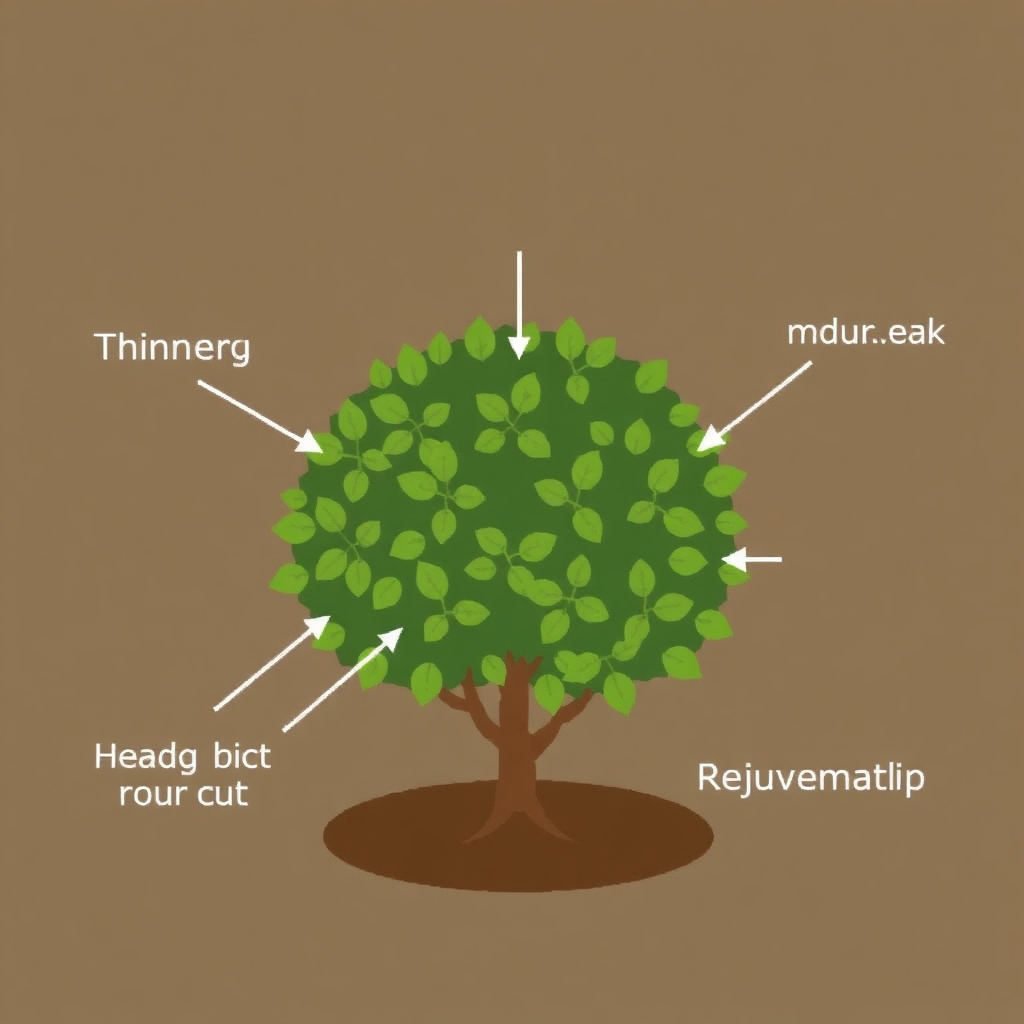
Thinning cuts remove entire branches at their point of origin, promoting openness and reducing density. This technique helps prevent overcrowding and allows sunlight to reach inner branches.
Heading cuts involve cutting back the tip of a branch to a bud or smaller branch, encouraging bushier growth. It is commonly used to encourage lateral branching and control plant size.
- Thinning reduces density
- Heading encourages fuller growth
- Both improve plant shape
Rejuvenation and Maintenance Pruning
Rejuvenation pruning involves cutting back old, woody growth significantly to stimulate new shoots and restore a declining plant’s vigor. It’s often applied to shrubs that have become overgrown or leggy.
Maintenance pruning focuses on removing dead, diseased, or damaged growth regularly to keep plants healthy and prevent issues from spreading. It’s essential for garden hygiene.
- Rejuvenation is restorative
- Maintenance keeps plants healthy
- Timing affects success
Tools and Timing for Effective Pruning
Choosing the Right Tools
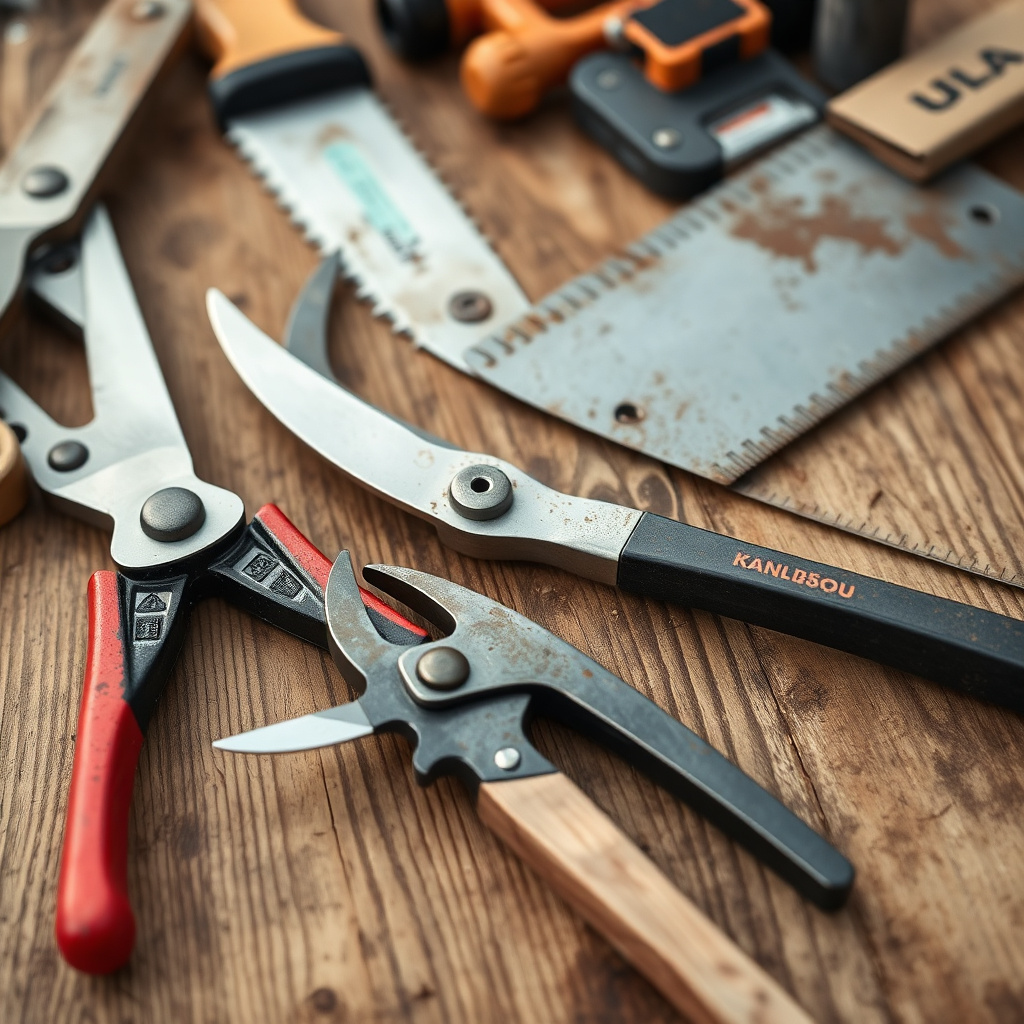
Effective plant pruning relies on using sharp, clean tools appropriate for plant size and type. Small hand pruners suit delicate branches, while larger loppers or saws handle thick limbs.
Sterilizing tools before use prevents spreading diseases. Keeping tools well-maintained makes clean cuts that heal faster, reducing plant stress.
- Hand pruners for fine cuts
- Loppers for medium branches
- Saws for thick branches
- Regularly sharpen and disinfect tools
For more on this, see our related guide: How to Tell When a Plant Is Ready to Harvest for Perfect Timing.
Best Time to Prune Different Plants
Timing pruning depends on the plant species and its growth cycle. Many deciduous trees are pruned in late winter or early spring before new growth begins to avoid stress.
Flowering plants vary: spring bloomers are pruned after flowering, while summer bloomers may be pruned in late winter. Knowing your plant’s habits maximizes pruning benefits.
Plant Pruning and Plant Health Management
How Pruning Controls Plant Diseases
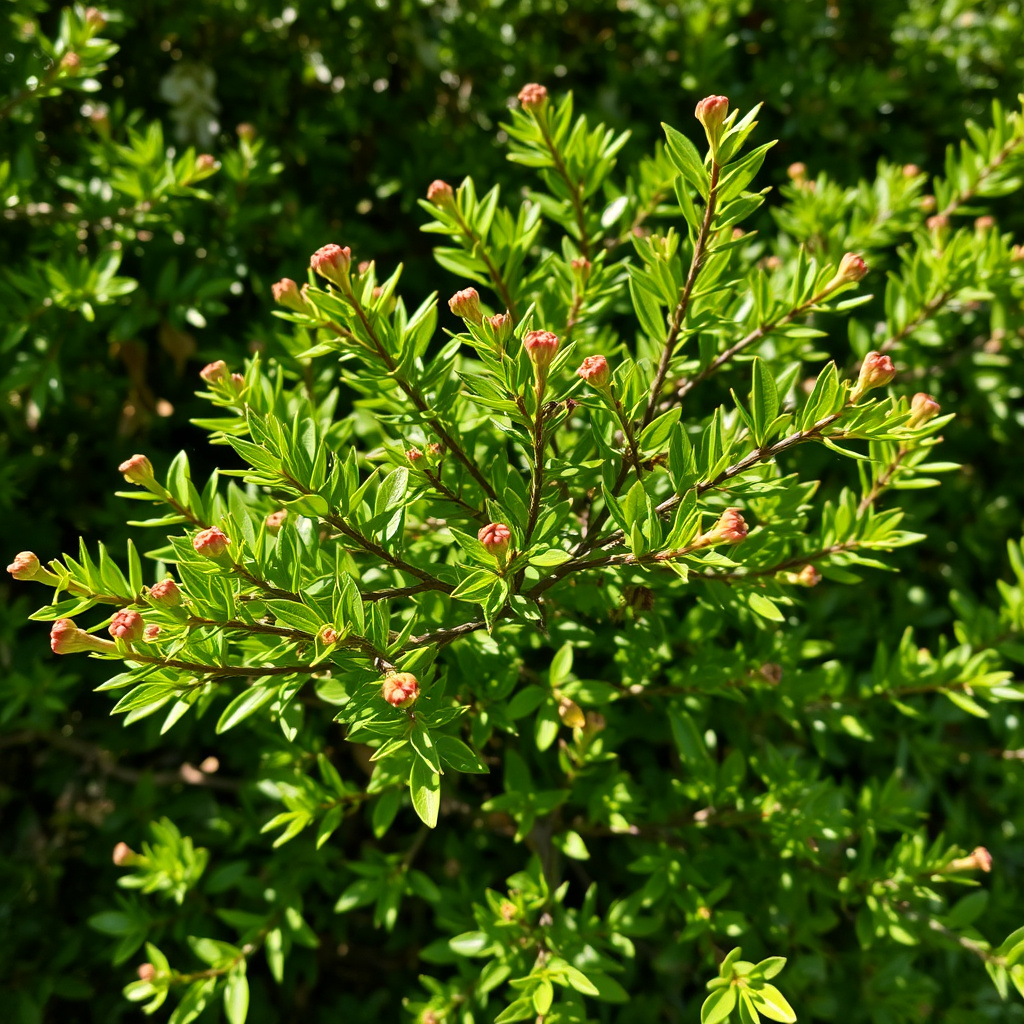
Removing diseased or infested parts helps stop pathogens from spreading throughout the plant. Pruning also improves airflow, decreasing humidity that fosters fungal infections.
Sanitizing pruning tools between cuts prevents transferring bacteria or fungi. Regular inspection and timely pruning are key disease management practices.
Impact of Pruning on Pests and Growth
By removing crowded foliage, pruning reduces pest habitat and stress on plants, allowing them to better resist attacks. Healthy plants recover faster and produce stronger new growth.
However, incorrect pruning can create entry points for pests, so cuts should be clean and appropriately placed to avoid damage.
Common Mistakes and How to Avoid Them in Plant Pruning
Overpruning and Underpruning Risks
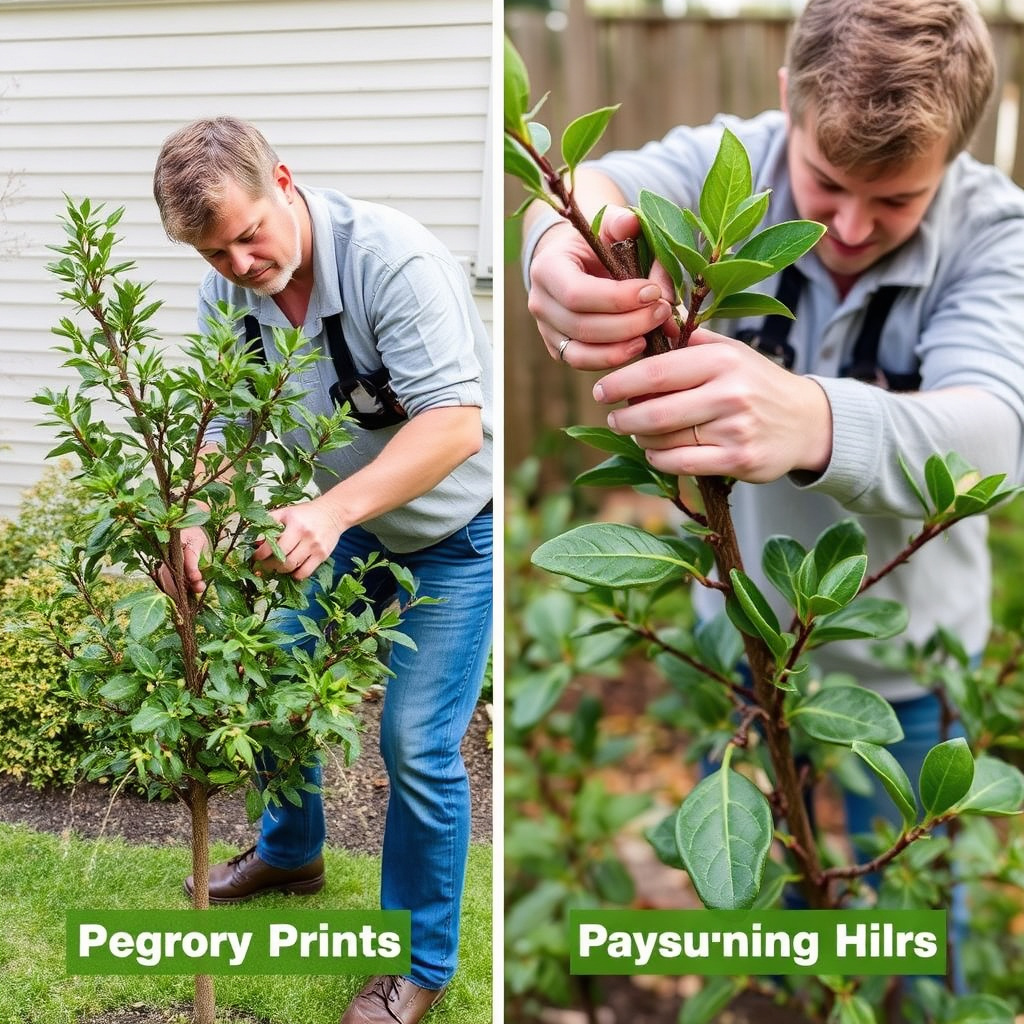
Overpruning removes too much foliage, weakening the plant by reducing its ability to photosynthesize, often leading to stress or dieback. Underpruning leaves deadwood and overcrowding that harm plant health.
Striking a balance based on plant type and condition is vital to sustain vigor and appearance.
- Avoid removing over 25% of foliage at once
- Remove only necessary dead or crossing branches
For more on this, see our related guide: How to Transplant Seedlings Without Stressing Your Plants.
Incorrect Pruning Cuts and Timing
Improper cuts, such as tearing bark or cutting at the wrong angle, slow healing and invite disease. Timing pruning during active growth or right after flowering matters for plant recovery.
Learning correct cutting techniques and schedules prevents damage and promotes faster healing.
- Cut just above a healthy bud
- Use sharp tools for clean cuts
- Prune according to seasonal growth cycles
Advanced Pruning Methods for Experienced Gardeners
Espalier and Topiary Techniques
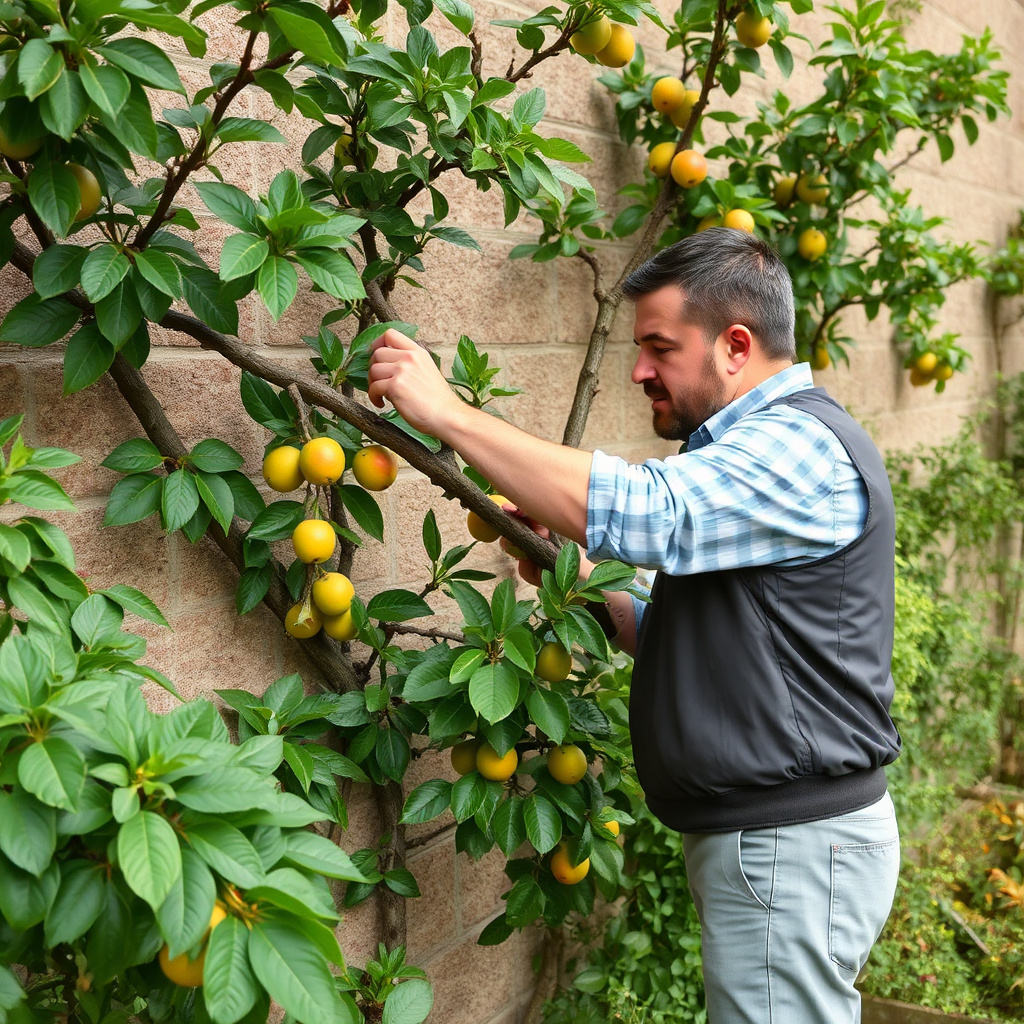
Espalier involves training tree branches flat against supports to save space and create ornamental shapes. It requires precise pruning to guide branch direction over time.
Topiary pruning sculpts shrubs or hedges into defined forms, demanding regular, meticulous trims to maintain clean lines and artistic shapes.
- Espalier saves garden space
- Topiary enhances aesthetics
- Both require consistent maintenance
For more detailed botanical information, see the plant pruning overview on Wikipedia. Plant pruning on Wikipedia.
Coppicing and Pollarding Explained
Coppicing is cutting a tree or shrub close to ground level to stimulate multiple new shoots, often used for wood production or rejuvenation.
Pollarding involves pruning the upper branches regularly to a fixed height promoting dense growth and managing size, common in urban settings.
These methods demand commitment and understanding of plant response.
Plant Pruning Types Comparison
Here’s a comparison of popular pruning methods, their uses, and their effects on plants.
| Pruning Type | Purpose | Best For | Frequency |
|---|---|---|---|
| Thinning | Reduce density, improve air/light | Shrubs, trees | Every 1-3 years |
| Heading | Encourage bushier growth | Hedges, shrubs | Annual to biannual |
| Rejuvenation | Restore old plants | Overgrown shrubs | Every 3-5 years |
| Coppicing | Stimulate new multi-shoot growth | Certain trees, shrubs | Every 3-7 years |
| Pollarding | Control tree size, dense canopy | Urban trees | Every 2-5 years |
Frequently Asked Questions
How often should I prune my plants?
Pruning frequency depends on the plant species and growth habits. Most shrubs benefit from light annual pruning, while trees might be pruned every few years. Assess the plant condition and prune only when necessary to promote health.
Can pruning harm my plants?
If done incorrectly, pruning can stress plants, cause wounds that invite disease, or reduce their energy reserves. Using sharp tools, making clean cuts, and pruning at the right time minimizes these risks.
What tools are best for plant pruning?
Hand pruners are ideal for small branches, loppers for medium branches, and pruning saws for thick limbs. Keeping tools sharp and sterilized helps make precise cuts that heal quickly.
When is the best time to prune flowering plants?
Prune spring-flowering plants right after they bloom to avoid cutting off next year’s flower buds. For summer bloomers, late winter or early spring pruning encourages strong growth and flowering.
Is pruning necessary for indoor plants?
Yes, pruning indoor plants helps maintain shape, remove dead growth, and improve air circulation. However, prune more conservatively indoors because growth tends to be slower.
Key Takeaways
- Plant pruning is cutting selected parts to promote health and growth.
- Different pruning techniques suit different plant goals and species.
- Using the right tools and timing enhances pruning success.
- Avoid common mistakes for safe and effective pruning outcomes.
Conclusion
Understanding what is plant pruning brings insight that helps gardeners improve both the vitality and aesthetics of their plants. By selectively cutting parts of the plant that are dead, overcrowded, or misdirected, pruning encourages new growth, reduces disease risk, and balances energy allocation within the plant. The decision-making process involves recognizing the plant species, growth patterns, and health status, then choosing the right pruning method and timing accordingly.
For example, thinning cuts suit gardeners wanting to open up dense shrubs or trees, while heading cuts are ideal for shaping hedges or encouraging bushiness. Rejuvenation pruning can restore overgrown or neglected plants, making them productive again. More advanced methods like espalier or pollarding target specific design goals and typically require experience and commitment. Matching pruning techniques to the plant’s needs and your gardening goals ensures the best results.
To begin applying your knowledge, start by observing your plants carefully and selecting the appropriate pruning tools and timing based on the sections discussed above. Remember that pruning is both an art and a science, combining precise cuts with an understanding of plant biology. With practice, you will help your garden flourish through effective plant pruning.