How to Understand Heredity: A Clear Guide to Genetic Inheritance
Understanding heredity means grasping how traits and characteristics pass from parents to their offspring through genes. Heredity is the biological process by which genetic information is transmitted across generations, influencing physical features, health conditions, and sometimes even behavior.
This concept matters because it explains why children often resemble their parents and how certain diseases or traits run in families. Heredity is fundamental to genetics, helping scientists and individuals comprehend how variations and inherited conditions develop.
This article covers the principles behind heredity, including how genes work, patterns of inheritance, and the role of chromosomes. Additionally, it will explore how heredity affects traits, the basics of genetic inheritance, and the modern understanding of genes within families.
The Basics of Heredity and Genes
What Is Heredity?
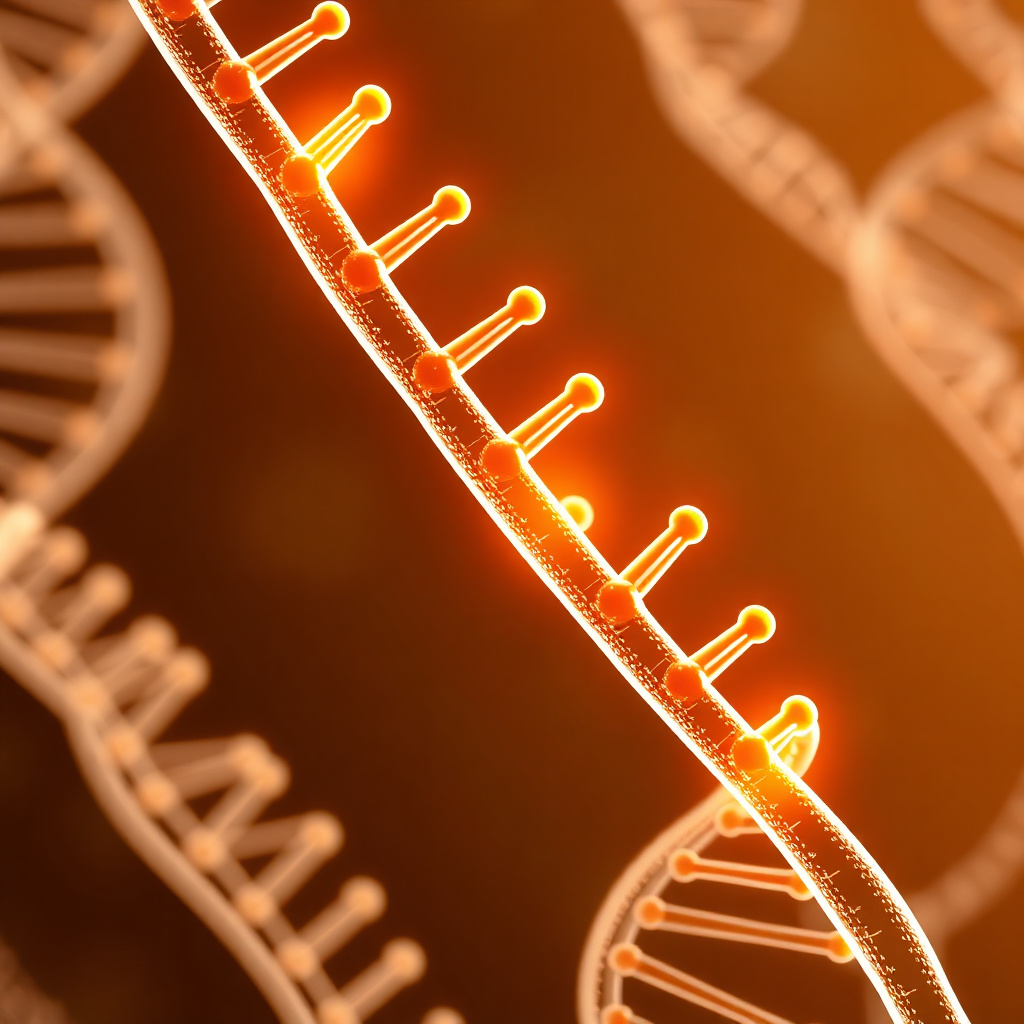
Heredity refers to the biological process where parents pass their genetic material—DNA—to their offspring. This material carries the instructions that shape an organism’s traits like eye color, height, and blood type.
Genes, which are segments of DNA, serve as the functional units of heredity. Each gene contains coded instructions that affect specific characteristics, inherited in various combinations from both parents.
Structure and Function of Genes
Genes are found on chromosomes within cell nuclei. Humans have 23 pairs of chromosomes, and these carry thousands of genes each. The exact sequence of DNA bases within a gene determines the protein it produces.
Proteins perform diverse roles, including building body parts and regulating chemical reactions. Thus, gene functions directly influence physical traits and biological processes.
Patterns of Genetic Inheritance

Dominant and Recessive Traits
Traits are often controlled by dominant and recessive alleles. A dominant allele masks the effect of a recessive one when both are present, meaning only one copy is needed to express the trait.
For example, brown eyes are usually dominant over blue. If a person inherits the brown-eye allele from one parent and a blue-eye allele from the other, they will likely have brown eyes.
- Dominant traits require only one allele to show
- Recessive traits require two alleles to be expressed
Other Inheritance Types: Co-Dominance and Incomplete Dominance
Not all genetic traits follow simple dominant-recessive rules. Co-dominance occurs when both alleles in a pair are fully expressed, such as in certain blood types (AB).
Incomplete dominance happens when neither allele dominates, resulting in a mix of traits, like flower colors blending red and white to produce pink.
- Co-dominance: both alleles visible
- Incomplete dominance: blended traits
Role of Chromosomes in Heredity
Chromosomal Basics
Chromosomes are thread-like structures that carry genes. Humans have 46 chromosomes, organized into 23 pairs, inherited equally from each parent.
Each chromosome holds many genes arranged in a specific order. The pairing of chromosomes ensures offspring receive a complete set of genetic information.
For more on this, see our related guide: Plant Genetics Explained for Beginners: Understanding the Basics of Heredity in Plants.
Sex Chromosomes and Gender Inheritance
Among the 23 pairs, one pair determines biological sex: females have two X chromosomes, males have one X and one Y chromosome.
The father’s sperm, carrying either an X or Y chromosome, decides the offspring's sex. Genes on sex chromosomes can also cause gender-linked traits or disorders.
- XX results in a female
- XY results in a male
Genetic Inheritance Basics in Families
Using Pedigrees to Track Traits
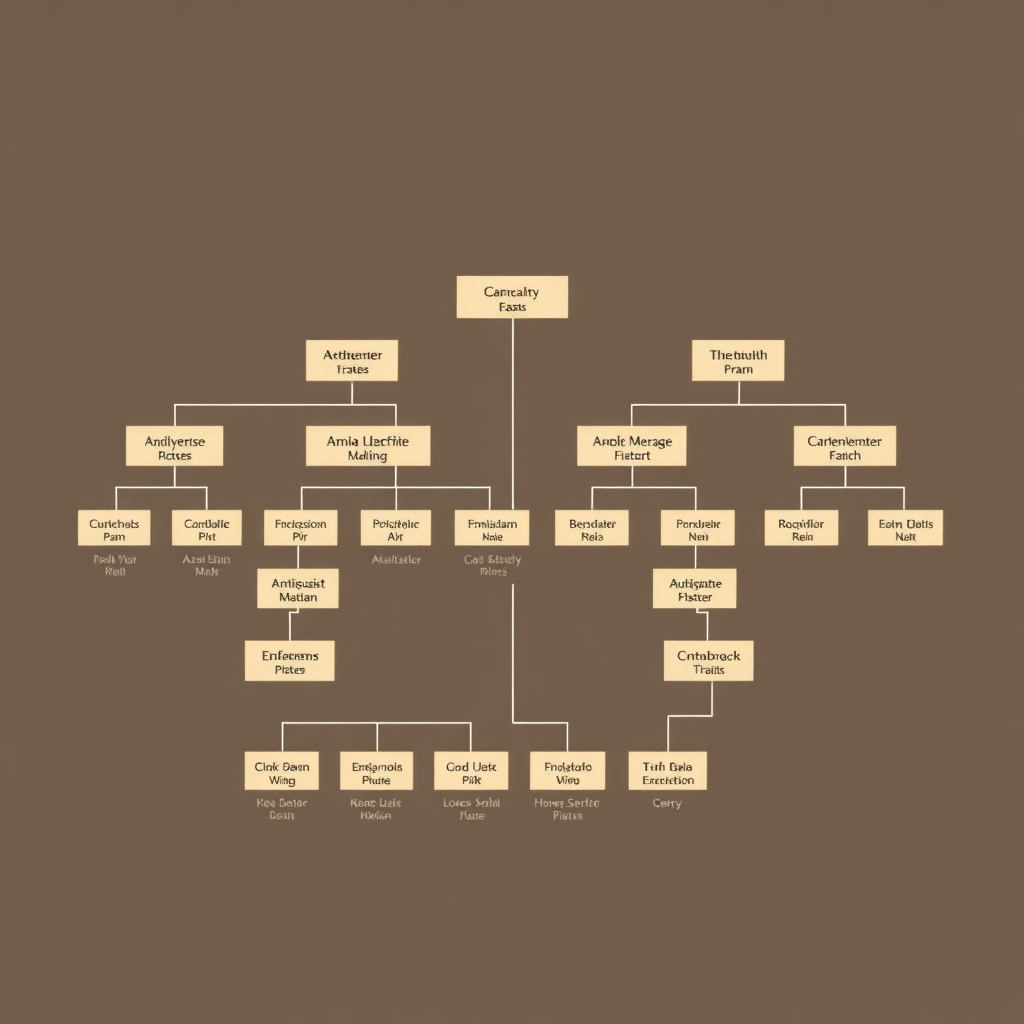
Pedigree charts map the inheritance of traits or diseases through family generations. Symbols represent individuals and their genetic statuses, revealing patterns of inheritance.
These charts help genetic counselors assess the risk of inherited conditions and understand how traits have passed across relatives.
Common Hereditary Traits and Disorders
Many physical traits like hair color or dimples are hereditary. Hereditary disorders, such as cystic fibrosis or sickle cell anemia, follow specific inheritance patterns caused by gene mutations.
Knowing genetic inheritance basics helps families anticipate health risks and make informed medical decisions.
Modern Understanding of Heredity and Genetics

Advances in Genetic Research
Modern genetics uses tools like DNA sequencing to identify genes responsible for traits and diseases. The Human Genome Project mapped all human genes, vastly improving our genetic knowledge.
This research assists in developing personalized medicine and gene therapies tailored to individual genetic profiles.
For more on this, see our related guide: Understanding the Difference Between Genotype and Phenotype.
Epigenetics and Environmental Influence
Heredity is influenced not only by genes but also by epigenetics, which involves changes in gene expression caused by environmental factors without altering the DNA sequence.
Lifestyle, diet, and exposure can modify how genes behave, demonstrating heredity is complex and dynamic.
Common Misconceptions about Heredity

Myth: Traits Are Inherited as Fixed Units
People often think genes transmit traits absolutely without variation, but many traits result from interactions between multiple genes and the environment.
For example, height is influenced by many genes and nutrition, meaning heredity works alongside other factors.
For a thorough explanation of heredity and genetic principles beyond this guide, you can visit genetics on Wikipedia. genetics on Wikipedia.
Myth: Only Physical Traits Are Hereditary
While physical traits are highly visible, heredity also affects susceptibility to illnesses, some behaviors, and biochemical traits.
Understanding this broad scope helps clarify how genetics impact overall health and personality tendencies.
Types of Genetic Inheritance Category Comparison
The table below compares various genetic inheritance patterns highlighting their main characteristics and examples.
| Inheritance Type | Pattern Description | Examples | Gene Interaction |
|---|---|---|---|
| Dominant-Recessive | One allele masks the other | Brown eyes, cystic fibrosis | Single gene effect |
| Co-Dominance | Both alleles are fully expressed | AB blood type, sickle cell trait | Alleles equally dominant |
| Incomplete Dominance | Blended expression of alleles | Pink snapdragon flowers | Partial gene dominance |
| Sex-Linked | Traits linked to sex chromosomes | Color blindness, hemophilia | Usually recessive on X chromosome |
| Polygenic | Multiple genes influence trait | Height, skin color | Many interacting genes |
| Mitochondrial | Genes inherited maternally | Some metabolic disorders | Non-chromosomal genes |
Frequently Asked Questions
How do dominant and recessive genes affect my traits?
Dominant genes require only one copy to express a trait, while recessive genes need two copies (one from each parent). This determines whether a trait is visible or hidden.
Can heredity predict diseases?
Heredity can indicate risk for inherited diseases but does not guarantee onset. Genetics combined with lifestyle and environment influence health outcomes.
What is the difference between a gene and a chromosome?
A gene is a DNA segment coding for traits, while chromosomes are structures carrying many genes inside each cell’s nucleus.
Are behavioral traits inherited through heredity?
Some behavioral tendencies have genetic components, but environment and life experiences also shape behaviors significantly.
Why do some traits skip generations?
Recessive traits or genes with incomplete penetrance may not show in every generation but can be passed silently until expressed.
Key Takeaways
- Heredity passes genetic information from parents to offspring through genes on chromosomes.
- Traits can be inherited dominantly, recessively, or via complex patterns like co-dominance.
- Family pedigrees help trace inherited traits and assess genetic risks.
- Environmental factors influence gene expression through epigenetics.
Conclusion
When trying to understand heredity, focus on how genetic information contained within DNA determines biological traits, passed from parents to children through well-defined inheritance patterns. Recognizing the roles of dominant and recessive alleles, along with the influence of chromosomes, provides a solid framework for interpreting family genetics. Heredity is not simply a set of fixed rules but an interplay of genes working in various combinations, shaped further by environmental interactions.
For those interested in practical applications, using genetic inheritance basics like pedigree analysis can clarify how specific traits or conditions appear within families. Conditions governed by dominant-recessive inheritance, such as cystic fibrosis or brown eye color, are easier to predict. Meanwhile, understanding co-dominance, incomplete dominance, and sex-linked traits adds nuance for more complex traits like blood types or gender-related disorders. This knowledge aids families and healthcare providers in medical decision-making and personal planning.
If you want to explore heredity further, start by mapping your own family tree using basic pedigree symbols and identifying traits that run in your family. Engaging with genetic testing through licensed counselors, when available, can reveal more details about inherited characteristics and predispositions. Learning genetic inheritance basics empowers you to appreciate how your genes shape not only visible features but your overall health and well-being.