What Affects Seed Germination: Key Factors Explained
Seed germination begins the life cycle of a plant and is influenced by several key factors such as temperature, moisture, oxygen, and light. These environmental conditions directly affect how and when seeds break dormancy and begin to sprout.
Understanding what affects seed germination matters because it determines the success of crop growth, garden planting, or natural vegetation regeneration. If seeds do not receive the right conditions, germination can fail or be delayed, impacting plant development and yield.
This article explores the main environmental and biological factors that influence seed germination. It covers temperature ranges, water availability, oxygen supply, light requirements, seed dormancy, and the impact of soil characteristics to help you understand and optimize seed germination conditions.
Temperature Effects on Seed Germination
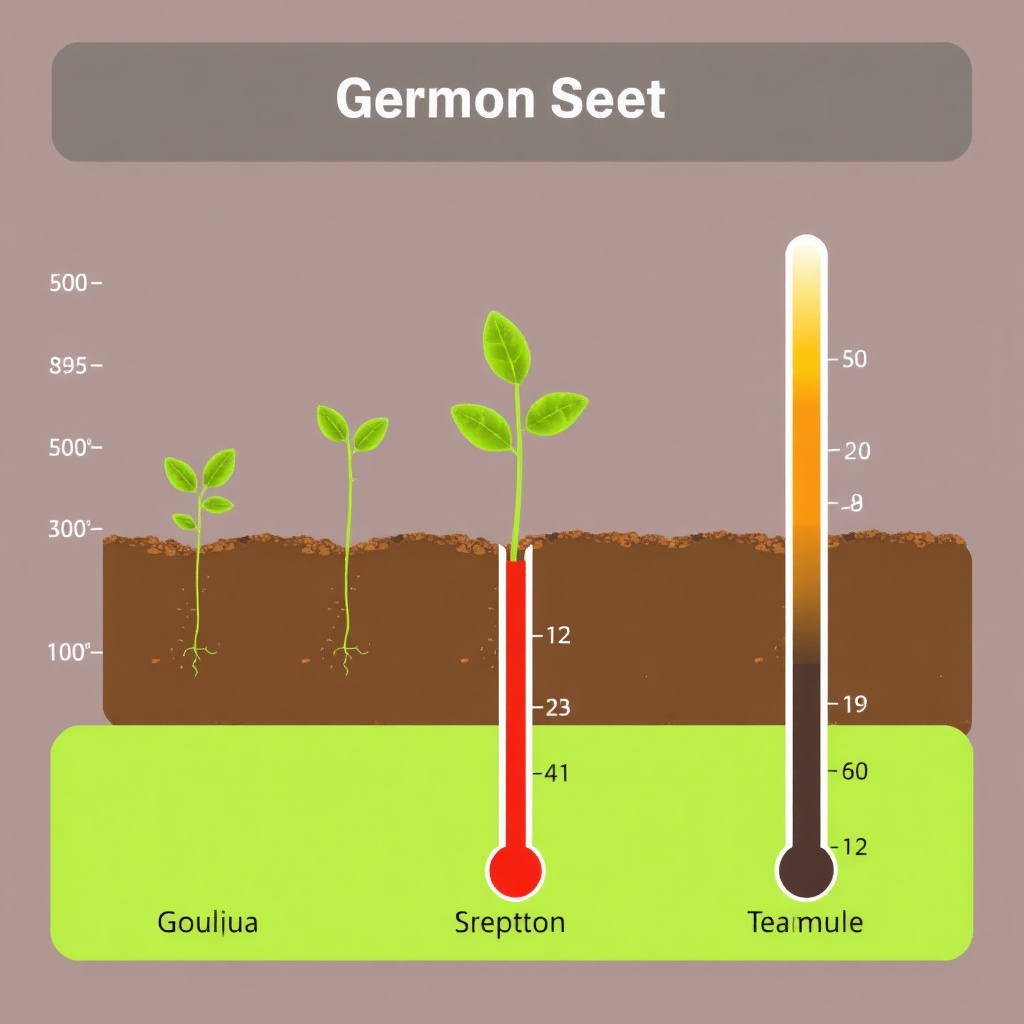
Optimal Temperature Ranges
Each seed species has a preferred temperature range for germination, typically falling between minimum and maximum thresholds. Seeds exposed to temperatures outside this range may fail to germinate or experience slow growth.
Temperate plants often germinate best between 15°C and 25°C, while some tropical seed varieties require higher soil temperatures. Consistent temperature is often more important than peak highs or lows.
- Cool-season crops: 10-20°C
- Warm-season crops: 20-35°C
- Temperature extremes can inhibit germination
Impacts of Temperature Fluctuations
Fluctuations in temperature can break seed dormancy for species adapted to seasonal changes. Many weed seeds use day-night temperature differences as germination triggers.
Rapid temperature changes can stress seeds, harming metabolic processes needed for sprouting. Monitoring and maintaining stable temperatures maximizes seed germination success.
- Large daily temperature swings promote some seed germination
- Sudden freezes or heatwaves damage seeds in early stages
Water and Moisture in Seed Germination
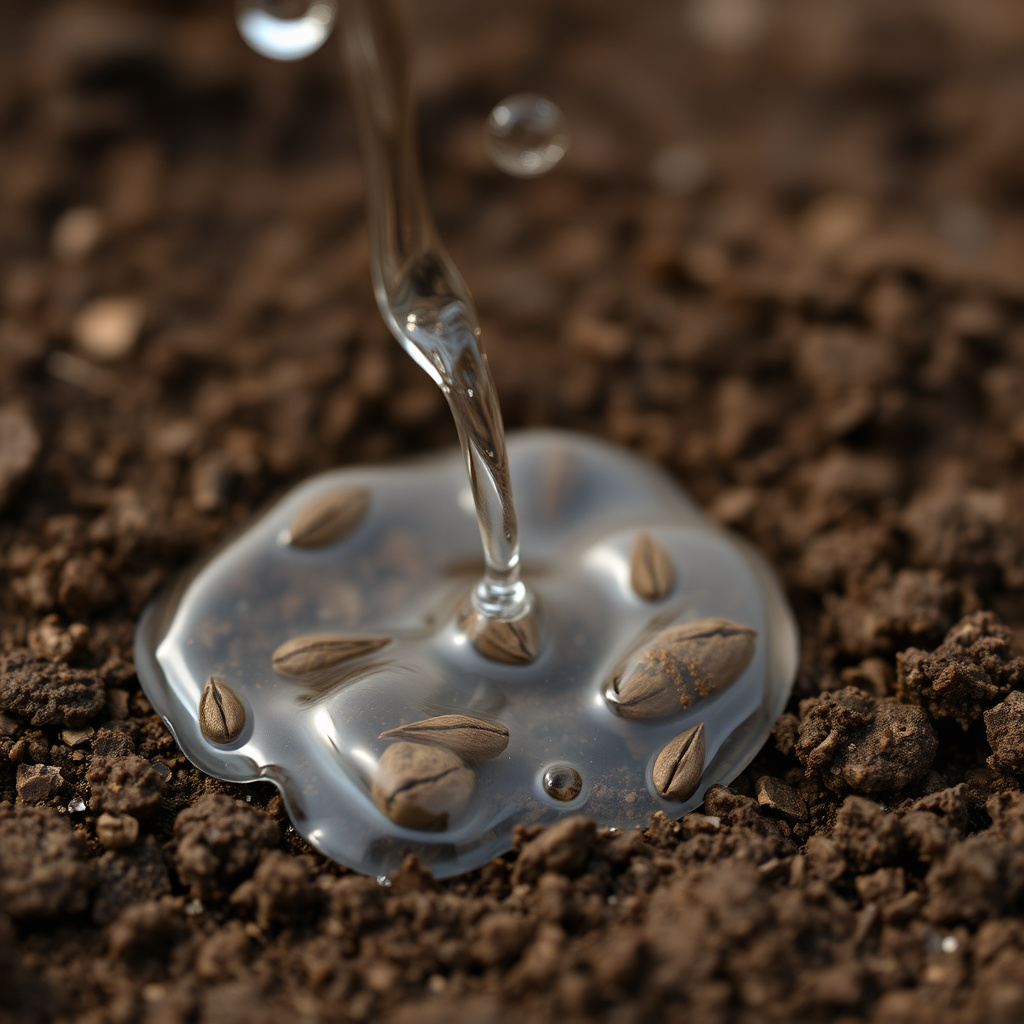
Role of Water Absorption
Water is essential for seeds to activate enzymes that start germination. It softens the seed coat and allows embryonic growth to proceed.
Insufficient moisture delays or halts germination, while excess water can cause seeds to rot or lose oxygen, impeding growth.
- Water uptake known as imbibition initiates germination
- Proper soil moisture balances support healthy seed sprouting
Soil Moisture Management
Soil texture influences moisture retention; sandy soils drain quickly, while clay soils hold water but may become waterlogged.
Maintaining consistent, moderate soil moisture levels encourages uniform seed germination conditions to maximize success.
- Avoid overwatering to prevent seed rot
- Water evenly to prevent dry spots
Oxygen Availability and Seed Germination
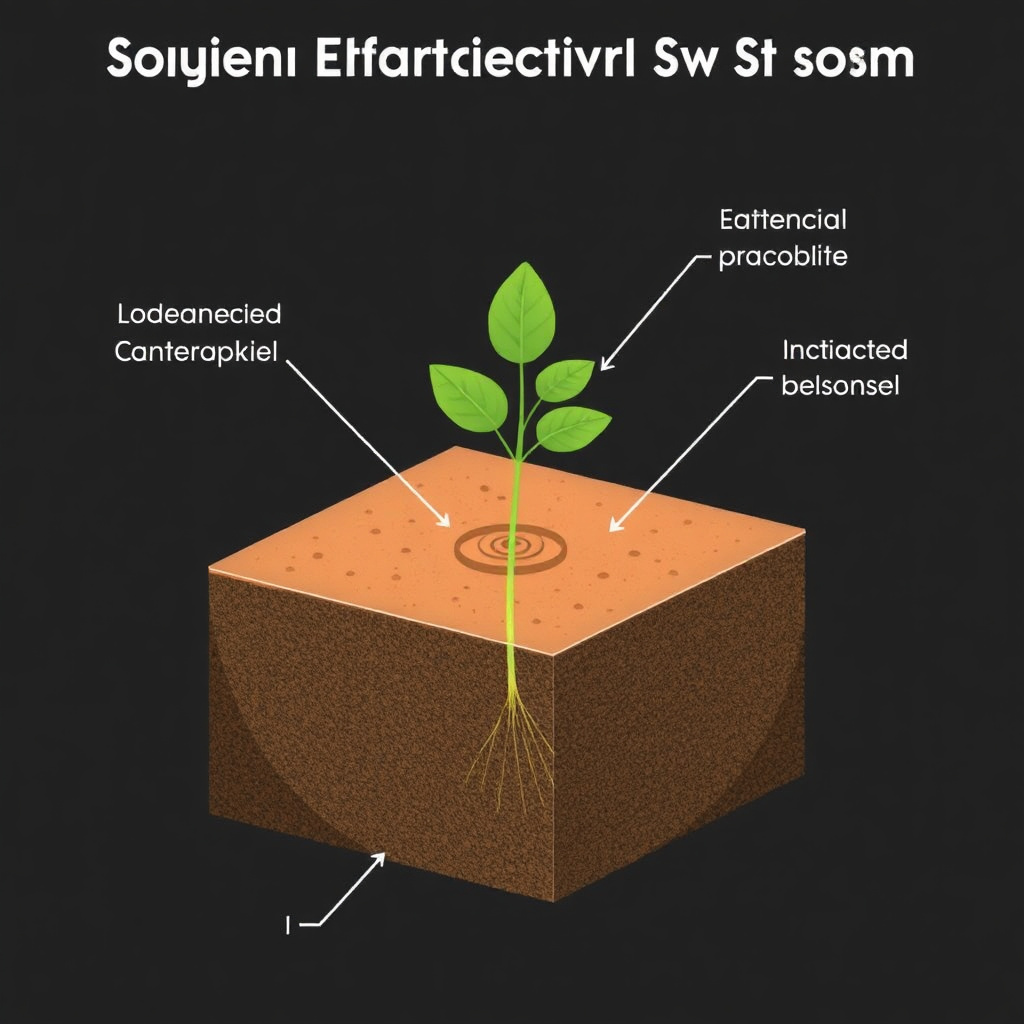
Importance of Soil Aeration
Seeds require oxygen for cellular respiration during germination. Lack of oxygen due to waterlogged soils or compacted soil layers limits energy production, stalling germination.
Proper soil aeration enables oxygen flow to seeds, supporting vigor and root development.
- Well-aerated soils promote quick seed sprouting
- Heavy, water-saturated soils reduce oxygen availability
For more on this, see our related guide: What Affects Plant Growth: Key Factors Explained for Healthy Gardens.
Consequences of Oxygen Deficiency
Insufficient oxygen can result in slow or failed germination and increased susceptibility to disease due to anaerobic conditions.
Regular tillage or use of raised beds can improve oxygen levels for seeds planted in compacted or poorly drained soils.
- Anaerobic conditions cause seed decay
- Improving soil structure enhances oxygen diffusion
Light Requirements in Seed Germination
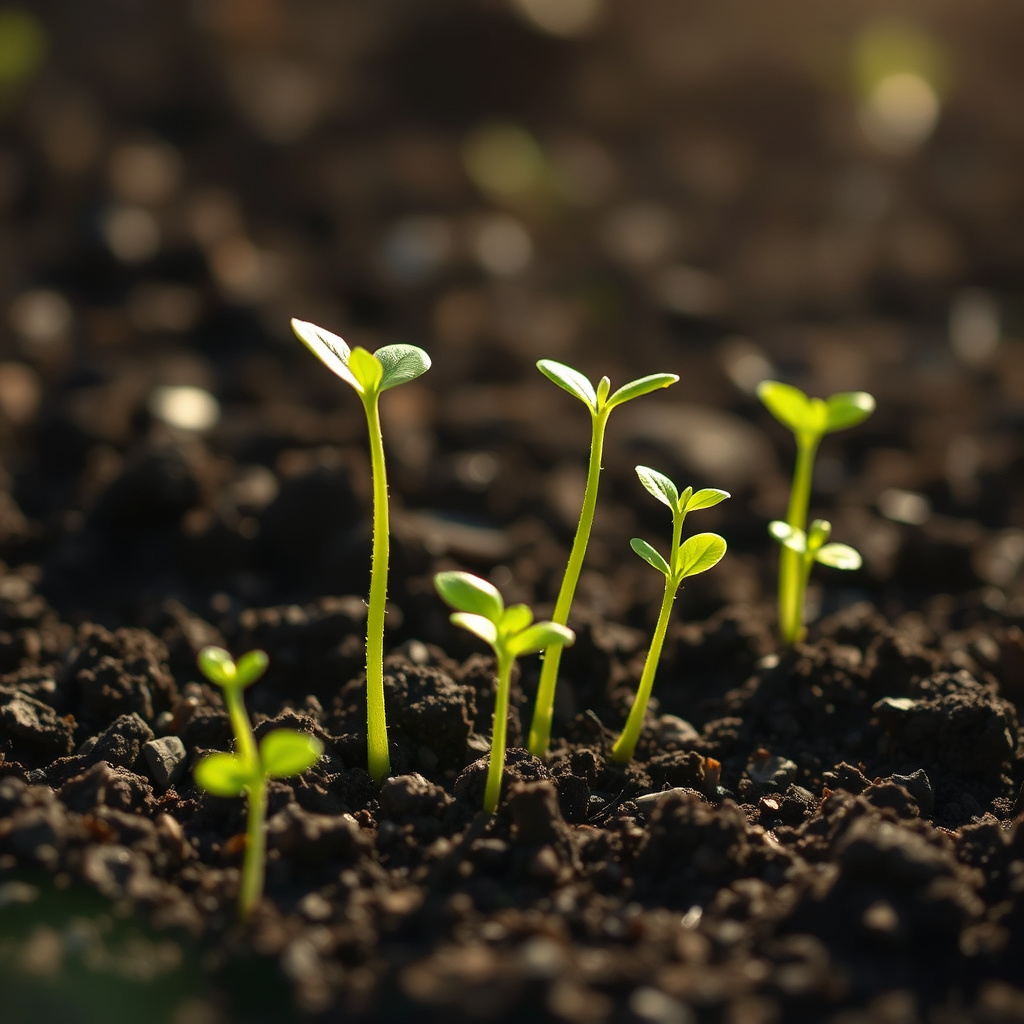
Light-Sensitive Seeds
Some seeds require light to initiate germination, known as positive photoblastic seeds. This trait helps seeds germinate near the soil surface where light is available.
Light cues often regulate hormonal changes that trigger embryo growth and root elongation.
- Light exposure can be crucial for small-seeded plants
- Light requirements vary widely by species
Seeds That Germinate in Darkness
Other seeds are indifferent or require darkness to germinate, often signaling deep burial and protection from surface stresses.
Understanding light needs is vital to choosing sowing depth and timing for garden or field planting.
- Dark-germinating seeds often sown deeper in soil
- Misapplication of light conditions can reduce germination rates
Seed Dormancy and Germination Timing
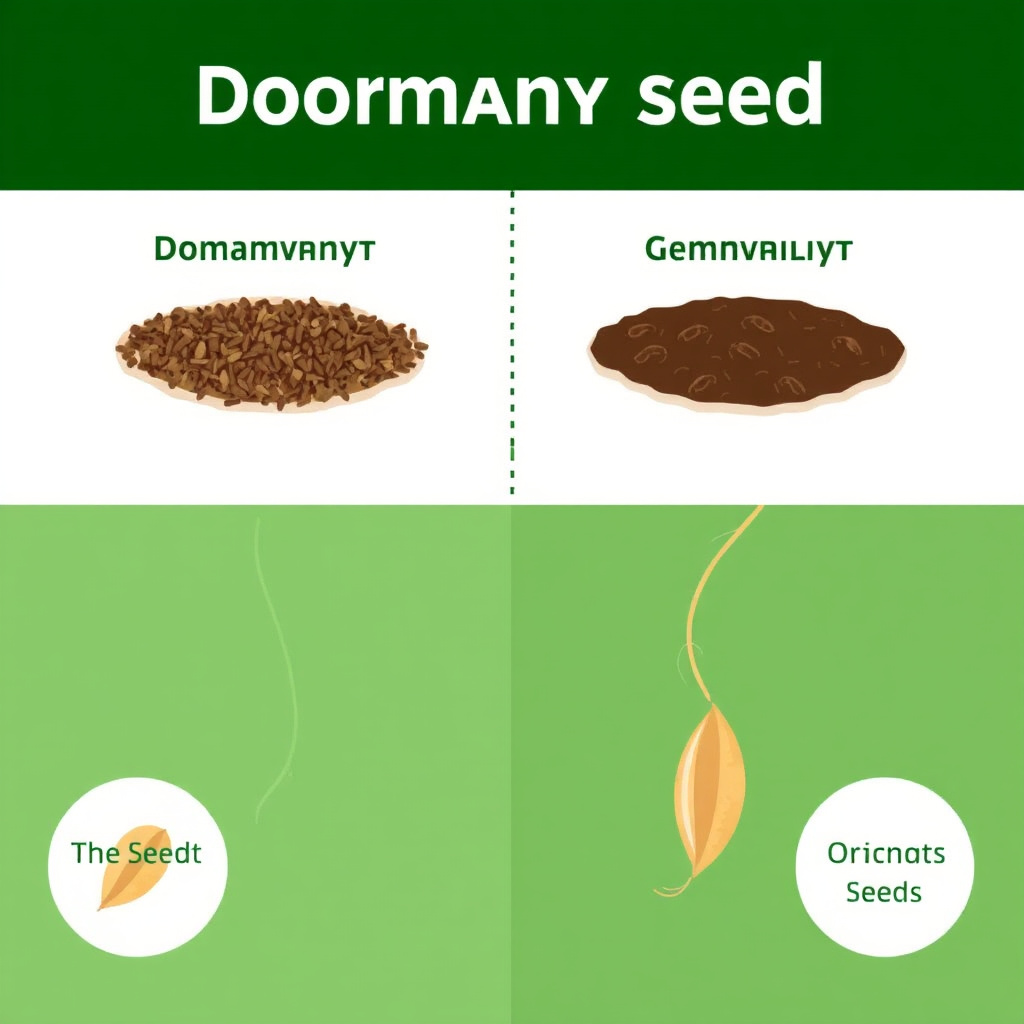
Types of Seed Dormancy
Physiological dormancy involves internal seed inhibitors preventing germination until specific conditions occur. Physical dormancy results from hard seed coats blocking water uptake.
Dormancy mechanisms allow seeds to survive unfavorable periods and germinate under optimal conditions, increasing chances of seedling survival.
- Physiological dormancy: hormonal control inside seeds
- Physical dormancy: tough seed coat protection
For more on this, see our related guide: How to Read a Seed Catalog: A Complete Guide for Gardeners.
Breaking Seed Dormancy
Various treatments like scarification (scratching seed coats), stratification (cold exposure), or soaking can break dormancy.
Knowing dormancy types helps apply the right pre-germination steps for successful seedling establishment.
- Scarification improves water absorption
- Cold stratification mimics winter conditions
Impact of Soil Characteristics
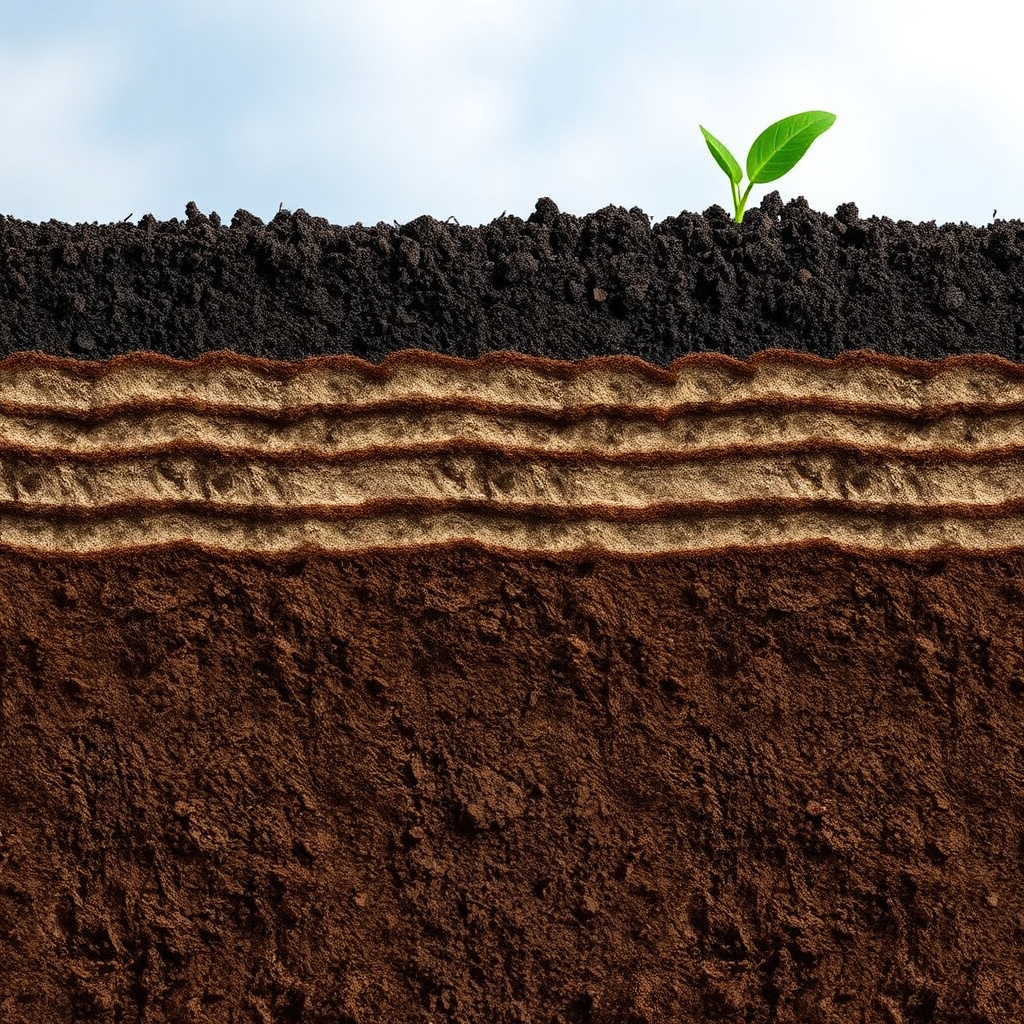
Soil Texture and Structure
Soil texture affects water holding capacity and aeration. Sandy soils drain quickly but hold less moisture, while clay soils retain water but may suffocate seeds due to poor aeration.
Loamy soils usually provide the best balance for seed germination by combining good drainage with moisture retention.
- Sandy soils: faster drainage, lower moisture
- Clay soils: high moisture, low oxygen
- Loam soils: balanced water and air
For deeper insight into the biological processes behind seed germination factors, the Wikipedia article on germination offers a comprehensive overview. seed germination factors.
Soil pH and Nutrient Influence
While seed germination itself is usually unaffected by soil nutrients, extreme pH levels can damage seeds and seedlings. Neutral to slightly acidic pH is generally best for germination.
Adjusting soil pH and fertility is more critical after germination during seedling growth stages.
- Extreme pH can harm seed coats
- Soil amendments can correct pH imbalances
Comparison of Seed Germination Conditions by Crop Type
This table compares key germination factors across different crop categories to highlight their varying requirements.
| Crop Type | Preferred Temperature (°C) | Light Requirement | Moisture Preference |
|---|---|---|---|
| Cool-Season Vegetables | 10-20 | Light-Insensitive | Moderate |
| Warm-Season Vegetables | 20-30 | Light-Sensitive | Consistent Moisture |
| Grasses | 15-25 | Light-Insensitive | Variable |
| Legumes | 18-25 | Light-Insensitive | Moderate |
| Flowering Annuals | 15-25 | Often Light-Sensitive | Moderate to High |
Frequently Asked Questions
Why do some seeds need light to germinate?
Light-sensitive seeds rely on light cues to start germination, ensuring they sprout near the soil surface where conditions support growth.
Can too much water prevent seed germination?
Yes, excess water can reduce oxygen availability around seeds, causing rot or anaerobic conditions that hinder germination.
How does temperature affect seed germination speed?
Higher temperatures typically speed up germination to a point, but extreme heat or cold slows or stops the process.
What methods help break seed dormancy?
Techniques like scarification, stratification, and soaking simulate natural conditions to overcome dormancy and encourage germination.
Does soil pH affect seed germination?
Severe soil pH extremes can damage seeds, but most seeds germinate well in neutral to slightly acidic soils.
Key Takeaways
- Temperature, moisture, oxygen, and light are main factors affecting seed germination.
- Seed dormancy requires specific treatments to enable successful sprouting.
- Soil texture and aeration influence water and oxygen availability critical for seeds.
- Different crops have distinct germination conditions regarding temperature and light.
Conclusion
Choosing the right conditions for seed germination involves understanding how temperature, moisture, oxygen, and light interact with seed biology and soil characteristics. Each factor plays a critical role and affects not only whether seeds germinate but also the timing and vigor of emergence. Recognizing the temperature ranges and moisture requirements for your specific seeds helps create an environment that supports fast, uniform germination and healthy seedlings.
For gardeners and farmers, selecting seeds suited to their climate and adjusting soil moisture and aeration can improve germination rates significantly. Cool-season plants thrive in lower temperature ranges with moderate moisture, whereas warm-season crops demand higher temperatures and consistent moisture levels. Light-sensitive seeds require exposure to germinate properly, making sowing depth and timing key. Addressing seed dormancy through scarification or stratification breaks seed-rest and aligns germination with suitable conditions.
The next step is to test germination conditions with your seed varieties by controlling environmental factors as much as possible. Using well-prepared soil with balanced texture and proper drainage ensures seeds have access to oxygen and moisture. Selecting appropriate sowing times based on temperature and light requirements will maximize seedling success. By paying close attention to seed germination conditions, you can boost the likelihood of healthy plant growth and productive crops.