How to Prevent Seed Mold: Essential Tips for Healthy Seed Storage
Preventing seed mold starts with controlling moisture, temperature, and storage conditions. Seeds that are stored with too much moisture or in warm environments are prime targets for mold growth, which can ruin your seed stock and reduce germination rates. By ensuring seeds are dried properly before storage and kept in an airtight, cool place, you can stop mold from developing.
Seed mold doesn’t just spoil your seeds visually; it compromises their viability and can spread to other stored seeds. This becomes particularly troublesome for gardeners and farmers who rely on saved seeds for future crops. Mold growth on seeds indicates excess humidity and poor air circulation—two key factors to avoid if you want a healthy seed collection.
This article will cover how to prevent seed mold by addressing ideal drying techniques, storage environments, container options, and even natural mold inhibitors. Additionally, you’ll find comparisons of popular seed storage methods and answers to common questions about seed preservation and mold prevention.
Understanding the Causes of Seed Mold
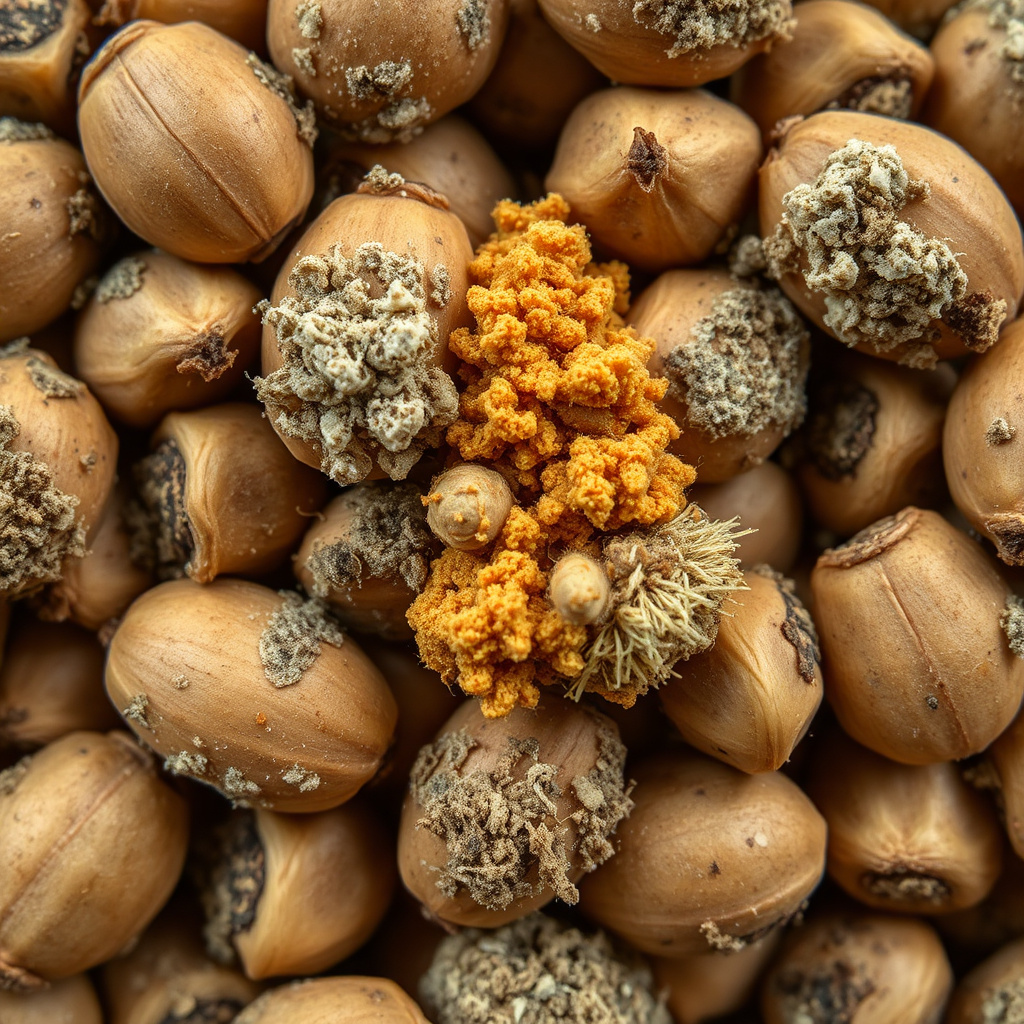
How Moisture Promotes Mold Growth
High moisture content in seeds or the surrounding environment creates the perfect breeding ground for mold spores. When seeds are harvested without adequate drying or stored in humid conditions, they retain moisture which fungi feed on. This moisture imbalance damages seed outer layers, encouraging visible mold.
Seed moisture above 12-14% during storage is a common threshold where mold risk rises significantly. Because seeds are living organisms, careful moisture management is critical to keeping mold at bay and maintaining seed quality.
Role of Temperature and Airflow
Warm temperatures accelerate mold growth, particularly above 75°F (24°C). Storing seeds in a cool, stable temperature slows fungal reproduction. Equally important is allowing enough airflow to prevent stagnant air pockets, which increase relative humidity inside storage containers.
A storage environment with low temperature and good ventilation disrupts the mold lifecycle, reducing the chance that mold spores will colonize seed batches. Avoiding fluctuating temperatures also helps keep seeds dormant and healthy.
Effective Seed Drying Techniques Before Storage
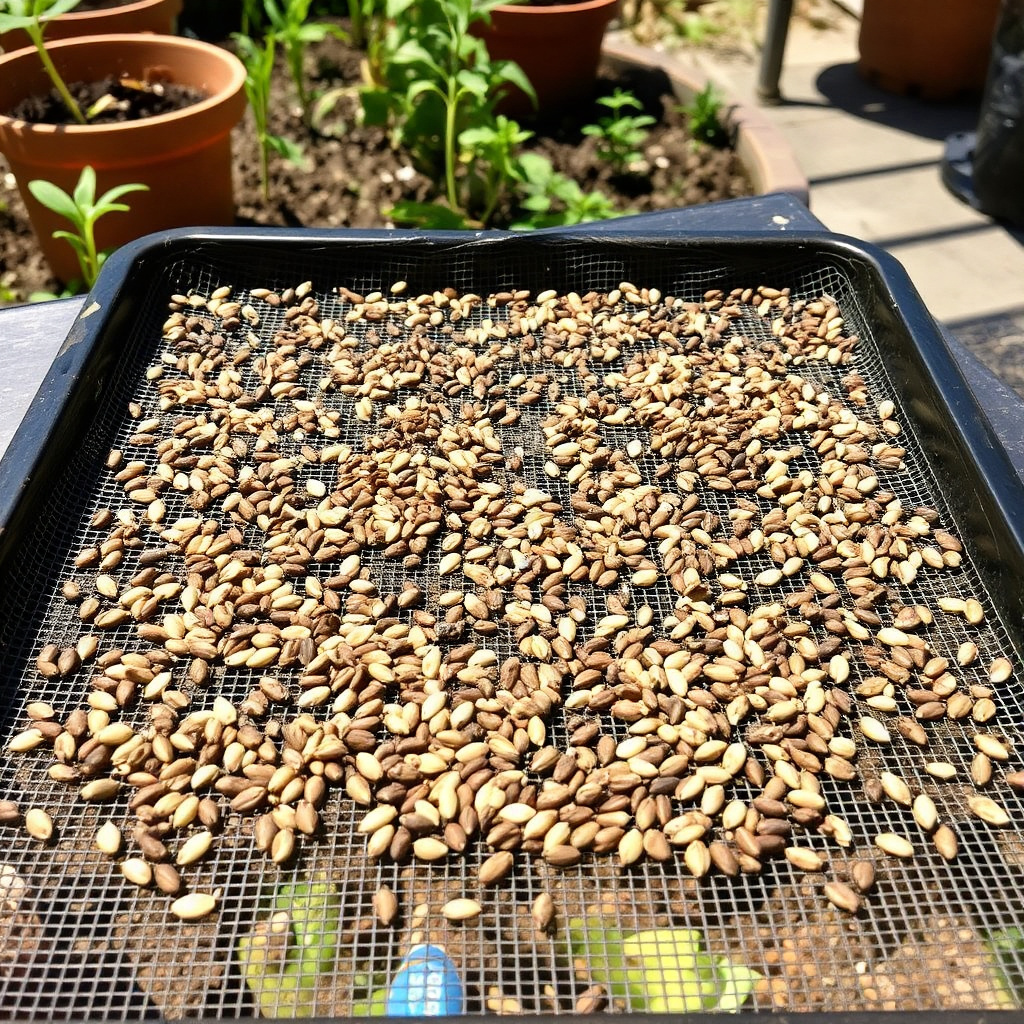
Air Drying Seeds Properly
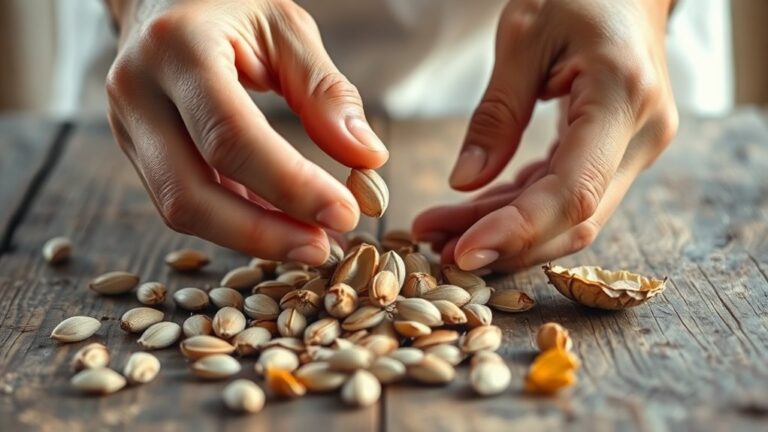
After harvest, seeds should be dried thoroughly using a shaded, airy location. Direct sunlight can damage seed viability, but gentle air circulation removes excess moisture gradually. Spread seeds on paper towels or mesh trays for several days until they reach safe moisture levels.
Checking seed dryness involves crunchiness tests or using moisture meters if available. Proper drying decreases internal moisture that feeds mold fungi and prepares seeds for long-term storage.
- Use screen or mesh trays for airflow
- Keep seeds out of direct sun
- Dry seeds for 3-7 days depending on humidity
Using Desiccants for Extra Moisture Control
Including desiccants like silica gel packs in seed storage containers absorbs residual moisture, keeping the microenvironment dry and mold-free. These packets are especially useful for small batches or seeds with higher moisture tolerance.
Desiccants can be recharged by drying out in the oven and reused multiple times, making them an economical addition to your seed preservation toolkit.
- Place silica gel in sealed containers
- Replace or recharge regularly
- Monitor seed and desiccant condition
Choosing the Right Containers for Seed Storage
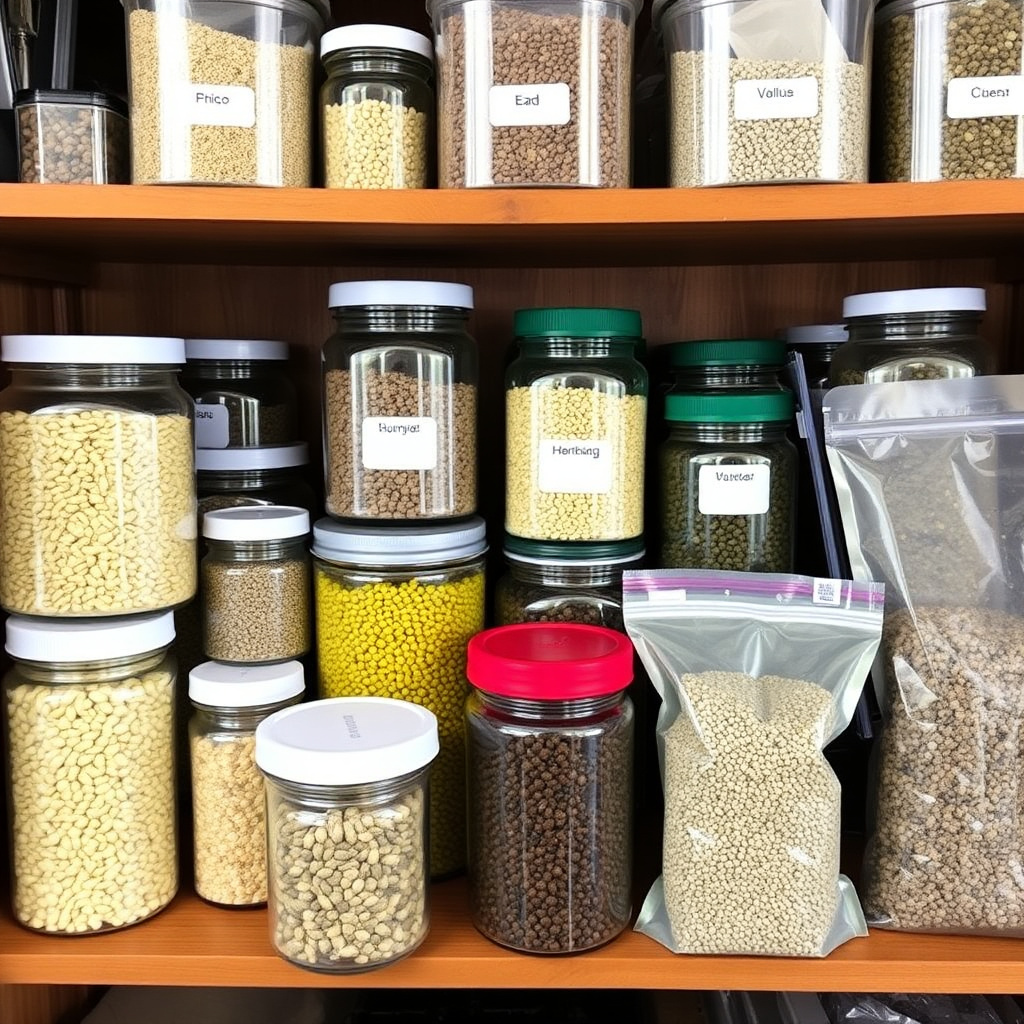
Advantages of Airtight Containers
Airtight containers prevent external humidity and pests from entering, stabilizing the internal environment. Glass jars with rubber seals or heavy-duty plastic containers are excellent for long-term seed storage and mold prevention.
When using airtight containers, ensure seeds are completely dry beforehand. Otherwise, trapped moisture can cause more mold growth than open storage.
- Glass mason jars with sealing lids
- Heavy-duty plastic bins with gasket seals
For more on this, see our related guide: How to Prevent Mold During Seed Germination: Effective Tips for Healthy Sprouts.
Vacuum-Sealing Seeds for Extended Freshness
Vacuum-sealing removes air, reducing oxygen that mold spores need to grow. This method also limits moisture exchange, keeping seeds dry and healthy for years.
While vacuum sealing is effective, it requires dry seeds to prevent condensation inside the bag. It also suits seed collectors storing large volumes or rare varieties who want maximum preservation.
- Use vacuum sealer with moisture-proof bags
- Check for leaks in seal
- Store vacuum-sealed packs in cool, dark places
Storage Environment Best Practices to Avoid Seed Mold
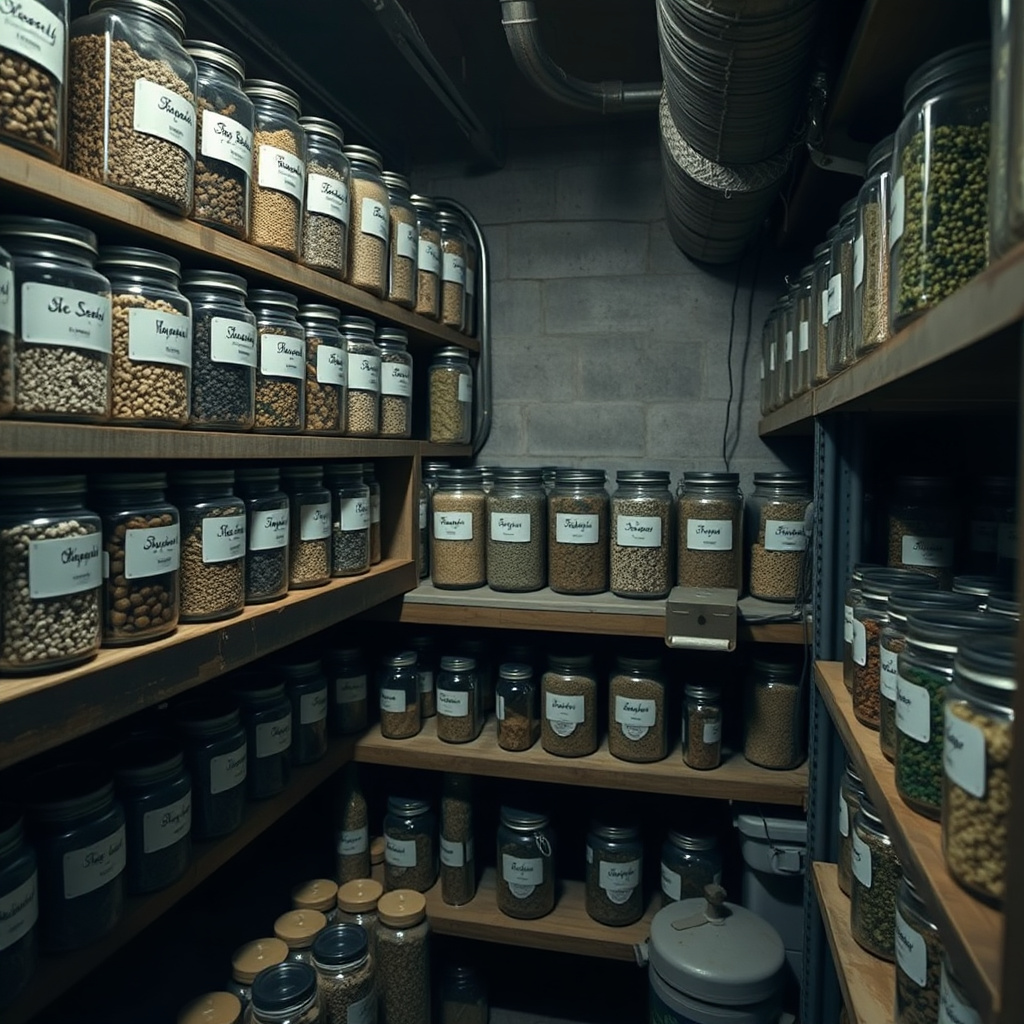
Ideal Temperature and Humidity Levels
Seeds store best between 40°F and 50°F (4°C to 10°C). Relative humidity should stay below 40% to inhibit mold development. Consistent temperature and humidity create stable dormancy without stressing seeds or promoting fungi.
Refrigerators or specially designed seed storage cabinets can help maintain these conditions effectively, especially in humid climates.
- Keep storage room cool and dry
- Use hygrometers to monitor humidity
- Avoid temperature swings
Keeping Storage Areas Clean and Pest-Free
Mold spores are everywhere, but a clean storage environment reduces their numbers and limits seed contamination. Removing dust, mold-prone debris, and pest food also lowers mold risk.
Periodic inspection of seed containers and storage shelves for mold or insect signs helps catch issues early, preserving seed quality over time.
- Regularly clean storage shelves
- Inspect seeds monthly
- Avoid organic debris near seed storage
Natural and Chemical Mold Inhibitors for Seeds
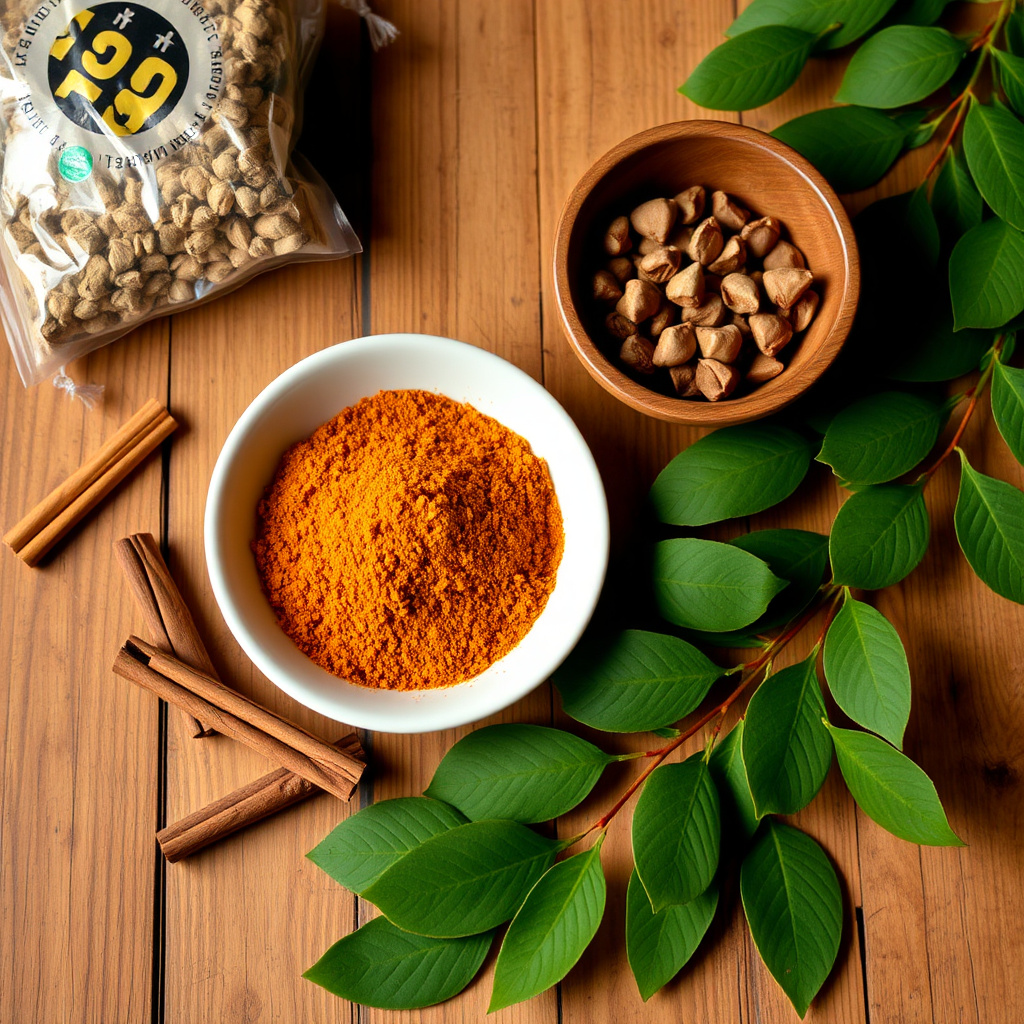
Using Natural Antifungal Agents
Cinnamon powder and neem leaves have antifungal properties and can be placed near seed storage to reduce mold spores. These natural remedies help protect seeds without chemicals but require replacement to stay effective.
While natural agents can complement other methods, they should not replace proper drying and storage practices.
- Place cinnamon sticks near seeds
- Store neem leaves in seed boxes
- Replace natural agents monthly
For more on this, see our related guide: Cannabis Seed FAQ: Answers to Your Most Common Questions.
Chemical Treatments and Their Limits
Some seed treatments use fungicides to inhibit mold during storage. These are more common in commercial seed production and less recommended for home use due to toxicity concerns and potential seed coat damage.
If using chemical fungicides, follow manufacturer instructions carefully and handle treated seeds responsibly to avoid health risks.
Monitoring Seed Viability and Quality over Time
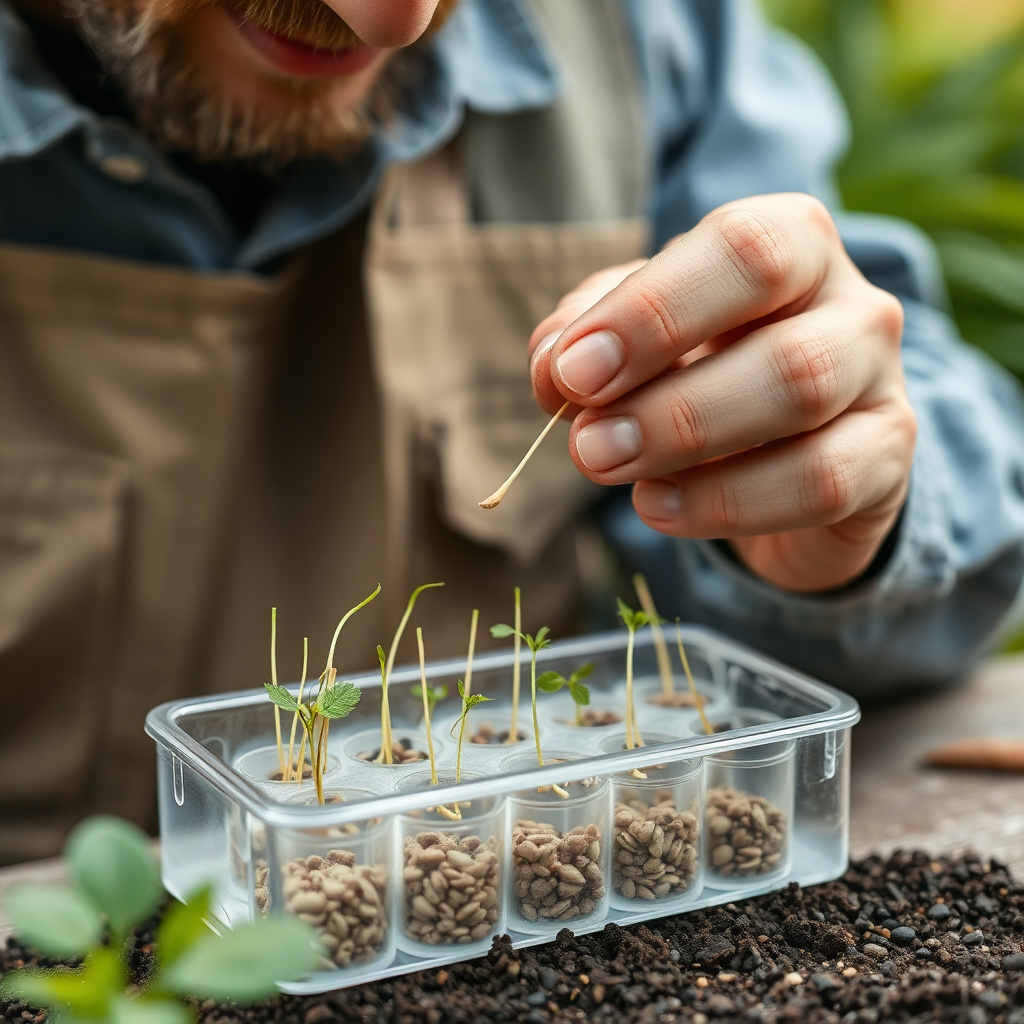
Conducting Regular Germination Tests
To check if stored seeds remain viable and mold-free, perform germination tests by planting small seed samples periodically. Healthy seeds should sprout within their typical timeframe.
Germination tests reveal the effectiveness of your seed storage methods and alert you early to deteriorating seed quality or mold problems.
For further guidance on seed preservation techniques, refer to seed saving information from the USDA. Seed saving information from the USDA.
Signs of Seed Mold and When to Discard
Visible mold appears as fuzzy, colored patches on seeds often accompanied by an unpleasant odor. Seeds may also soften or become discolored.
If mold is detected, it's safest to discard affected seeds to prevent contamination of others and avoid poor crop performance.
- Look for white, green, or black mold patches
- Smell musty odors
- Discard any seeds showing mold
Comparison of Popular Seed Storage Methods
Here's a comparison of common seed storage methods highlighting moisture control, cost, and longevity to help you decide what fits your needs.
| Method | Moisture Control | Cost | Average Storage Life |
|---|---|---|---|
| Airtight Glass Jars | Very good | Moderate | 5+ years |
| Vacuum-Sealed Bags | Excellent | Higher | 7+ years |
| Plastic Containers with Desiccants | Good | Low to moderate | 3-5 years |
| Paper Envelopes with Air Drying | Poor to fair | Very low | 1-3 years |
Frequently Asked Questions
Can I store seeds in a freezer to prevent mold?
Yes, freezing seeds at proper moisture levels below 8-10% can preserve them long-term and prevent mold. However, seeds must be completely dry before freezing to avoid ice crystal damage.
What is the ideal seed moisture content to avoid mold?
Seeds should be dried to a moisture content around 10-12% or lower. Moisture above 14% makes seeds susceptible to mold growth during storage.
Are natural mold inhibitors enough to prevent seed mold?
Natural agents like cinnamon can reduce mold spores but should be used alongside proper drying and airtight storage for effective mold prevention.
How often should I check stored seeds for mold?
Inspect your seeds monthly or at least every few months, watching for visible mold, off smells, or moisture build-up to catch problems early.
Does seed mold affect germination rates?
Yes, mold damages seed coats and consumes seed nutrients, reducing viability and germination rates significantly.
Key Takeaways
- Dry seeds thoroughly before storage to prevent mold growth.
- Store seeds in cool, dry, and well-ventilated environments.
- Use airtight containers or vacuum seals for best moisture control.
- Regularly inspect stored seeds for mold and perform germination tests.
Conclusion
Choosing the right approach to prevent seed mold centers on controlling moisture, temperature, and storage container quality. Drying seeds to the appropriate moisture content before storage is critical, since mold thrives in damp conditions. Maintaining a cool, stable environment avoids temperature swings that encourage fungal growth. With good airflow or airtight containers depending on your method, you can create an inhospitable setting for mold spores. Regular monitoring ensures your seeds stay healthy and viable over the seasons.
For home gardeners, airtight glass jars with desiccants offer a balanced option combining moderate cost with strong moisture control for storage periods up to five years. More advanced vacuum-sealing methods extend seed life but require initial investment and careful seed drying. Simple air drying and paper envelopes might suffice for short-term storage or frequent seed use but come with higher mold risk. Applying natural antifungal agents can supplement these strategies, though drying and storage remain your main defenses.
Start by drying your seed harvest thoroughly and selecting the right container for your storage space and budget. Store seeds in a cool, dark place and check them regularly for early mold signs. Over time, establish a routine germination testing habit to verify seed viability. Following these practices lets you confidently preserve your seed collection year after year, minimizing losses to mold and maximizing your garden's success.