5 Simple Steps to Grow Lotus Seeds Successfully
Many gardening enthusiasts dream of cultivating beautiful lotus flowers, but growing lotus seeds can feel daunting at first. You’re not alone—many people struggle with turning tiny seeds into stunning aquatic plants.
Luckily, with a few simple steps, you can boost your success rate and enjoy the process.
To grow lotus seeds successfully, start by selecting firm, fresh seeds from trusted sources and store them in a cool, dry place.
Prepare them by gently cleaning, nicking the seed coat, and soaking in warm water until small cracks appear.
Set up a pond or container with nutrient-rich soil and plenty of sunlight, ensuring the water is deep enough.
Care for the seedlings with proper fertilization, water quality, and pest control.
Keep this progress going to reveal more helpful tips and enjoy watching your lotus grow into a beautiful bloom.
Key Takeaways
- Select healthy, firm seeds from trusted sources and store them properly in dry, cool conditions.
- Prepare the seeds by gently cleaning them, nicking the coat, and soaking in warm water until cracks or sprouts appear.
- Set up a pond or container with the right depth, quality water, and at least 6 hours of sunlight each day.
- Keep the water temperature just right, provide balanced nutrients, and regularly check for pests and diseased leaves.
- If you notice issues like poor water quality or pests, address them quickly to keep your lotus seeds healthy and growing well.
How to Select the Best Lotus Seeds for Planting
Choosing the right lotus seeds is really important if you want a successful planting.
Selecting healthy lotus seeds is key to ensuring successful growth and vibrant blooms.
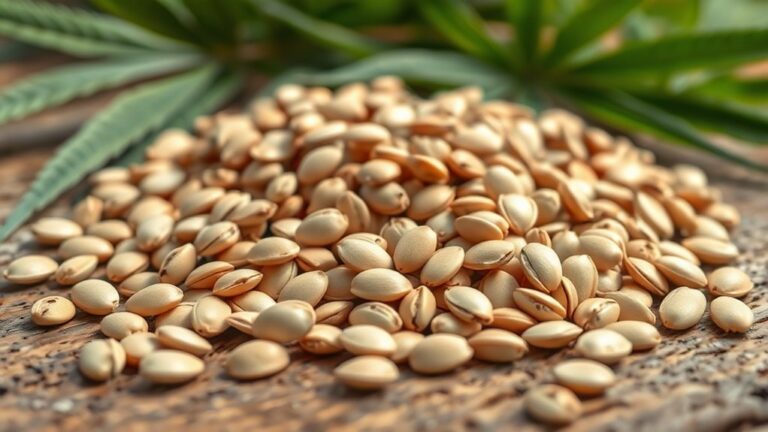
You should pick healthy seeds from trusted sources, focusing on different lotus seed varieties that suit your climate and pond conditions. Look for seeds that are firm, plump, and free from cracks or mold, as these show they’re lively.
When choosing seeds, think about the ideal conditions for each variety. This includes water temperature, depth, and sunlight needs. Some lotus varieties grow best in warm, shallow waters, while others prefer deeper areas.
It’s also a good idea to check that the seeds have been stored properly—dry and cool—to improve your chances of germination. Avoid seeds that look shriveled or discolored, as they’re less likely to sprout.
How to Prepare Lotus Seeds for Germination
To guarantee your lotus seeds sprout successfully, proper preparation is essential. Begin by gently cleaning the seeds to remove any dirt or debris.
Next, use a sharp knife or file to nick the seed coat slightly. This helps water penetrate and encourages germination.
Soaking the seeds in warm water is a key step; do this in a container and change the water daily.
After 48 to 72 hours, you should see small cracks or sprouts emerging. This soaking process softens the seed coat and kickstarts germination.
To improve germination chances, keep the water warm around 70-85°F and make sure it stays moist but not waterlogged.
If you notice no signs of sprouting after a week, gently re-nick the seed or try soaking again.
Proper seed soaking and careful handling will give your lotus seeds the best chance to sprout strong and healthy.
How to Set Up the Pond or Container for Lotus Growth
Setting up the right environment is essential for healthy lotus growth. First, choose a pond with a depth of at least 18 to 24 inches to keep the roots submerged and thriving.
If you’re using a container, pick one that’s at least 18 inches in diameter so your lotus has room to grow. Keep the water quality high by avoiding chemicals and changing the water regularly to prevent stagnation.
Make sure your pond or container gets plenty of sunlight, ideally 6 hours or more each day, since lotus plants need full sun to do well. Use a planting medium like clay or loam that anchors the roots and supplies nutrients.
Ensure your lotus receives at least 6 hours of full sunlight daily for healthy growth and vibrant blooms.
Finally, keep the temperature between 75°F and 85°F because extreme cold or heat can slow down growth. Setting everything up properly gives your lotus seeds the best chance to become healthy, beautiful plants.
Caring for Lotus Seedlings and Promoting Healthy Growth
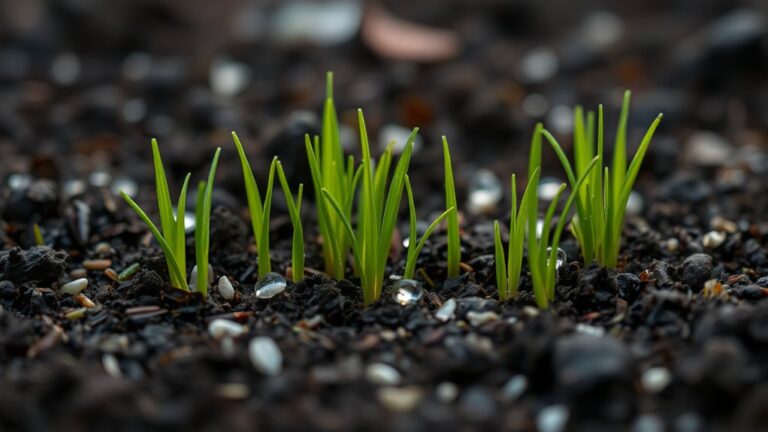
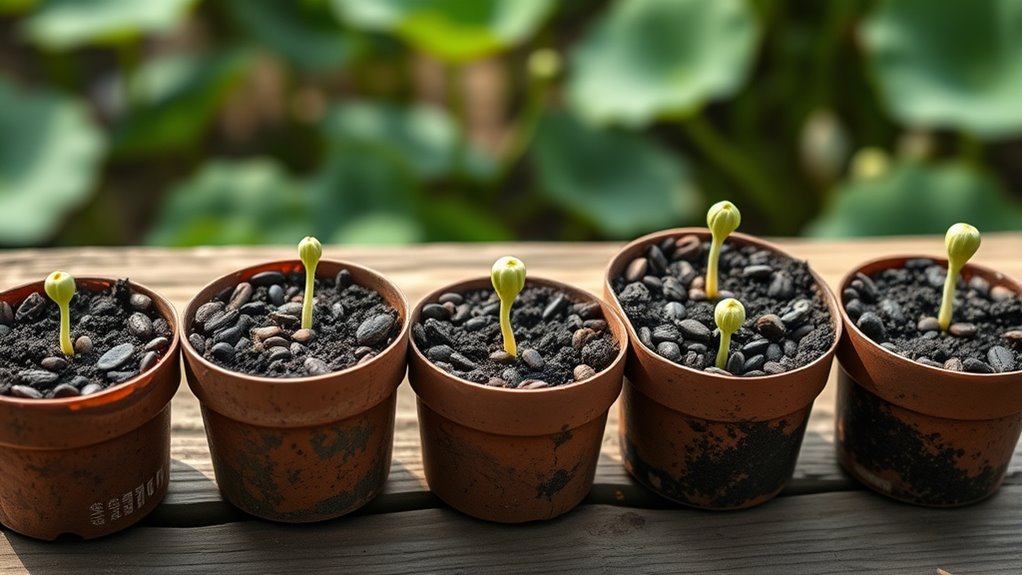
Once your lotus seedlings have sprouted, providing consistent care is key to helping them grow strong and healthy. Focus on seedling nutrition by ensuring they get balanced fertilizer, which supports vigorous growth.
Keep the water clean and at the right temperature to promote healthy root development. Regularly check your seedlings for pests like aphids or beetles and manage them promptly with natural or gentle methods to prevent damage.
Good pest management is essential to avoid stress or disease that can weaken your plants. Also, remove any dead or yellowing leaves to prevent mold and keep your pond or container environment healthy.
Make sure your seedlings aren’t overcrowded, giving them enough space for growth and airflow. With attentive nutrition and vigilant pest control, you’ll nurture resilient lotus plants that thrive in their aquatic environment.
Troubleshooting Common Lotus Growing Problems
Even with careful attention, lotus plants can encounter common problems that hinder their growth. Understanding these issues helps you troubleshoot effectively. Here are some key problems to watch for:
- Poor Water Quality: Cloudy or stagnant water can cause root rot and slow growth. Test the water regularly and keep it clean and nutrient-rich.
- Pest Management Challenges: Aphids, beetles, and snails can damage leaves and seeds. Use natural predators or organic controls to keep pests under control.
- Yellowing or Wilting Leaves: This often signals overwatering, underwatering, or lack of nutrients. Adjust your watering habits and fertilize appropriately.
- Stunted Growth: Poor water quality, pest damage, or not enough sunlight can cause this. Ensure your lotus gets enough light and keep water conditions in check.
Frequently Asked Questions
How Long Does It Take for Lotus Seeds to Sprout?
It takes about 7 to 21 days for lotus seeds to sprout, depending on how you prepare them and the conditions you provide.
To speed up germination, soak the seeds in warm water and keep them in a warm, sunny spot with moist soil or mud.
Make sure to keep the moisture and temperature consistent.
With patience, you’ll see sprouts emerge within this timeframe.
Can Lotus Seeds Be Grown Indoors Successfully?
Yes, you can grow lotus seeds indoors successfully. Just make sure they get plenty of indoor light, like bright, direct sunlight or grow lights, to help them grow healthy.
Choose a large, shallow container filled with aquatic soil and water that mimics their natural environment. Keep the water warm, around 75-85°F, and make sure it stays consistently moist.
With the right lighting and the right container, your lotus seeds can thrive indoors and become a beautiful addition to your space.
What Temperature Is Ideal for Lotus Seed Germination?
You should aim for a temperature around 75-85°F for ideal lotus seed germination. Curiously, seeds have about a 90% success rate when kept within this range.
Proper lotus seed preparation involves soaking and scarifying, which helps improve germination conditions. Maintaining consistent warmth encourages healthy sprouting, so keep your environment steady.
Once the temperature is right, your lotus seeds will have the best chance to grow strong and vibrant.
How Often Should I Water My Lotus Seedlings?
You should water your lotus seedlings regularly, keeping the soil moist but not soaked. Aim to water about once every 2-3 days.
Check the soil often—if it feels dry at the surface, it’s time to water again. Consistent watering helps your seedlings develop strong roots and healthy leaves.
Are There Any Specific Fertilizers Recommended for Lotus Growth?
Think of your lotus as a delicate symphony that needs the right notes—fertilizers.
You should opt for organic options like fish emulsion or compost tea, which provide a gentle, natural nutrient balance.
These fertilizers promote healthy growth without overwhelming the plant.
Regular feeding, especially during the active growing season, guarantees your lotus blossoms beautifully while keeping the roots strong and vibrant.
Conclusion
Think of your lotus garden as a delicate dance, where each step guides the blooms to flourish. With patience and care, you become the choreographer of nature’s masterpiece, turning tiny seeds into stunning blossoms.
Welcome each stage of growth like nurturing a whispering song, and watch your garden transform into a vibrant symphony of color and life.
Your dedication will bloom into a breathtaking oasis—a true reflection of your gentle hand and perseverance. Growing lotus seeds successfully is about embracing this journey step by step.