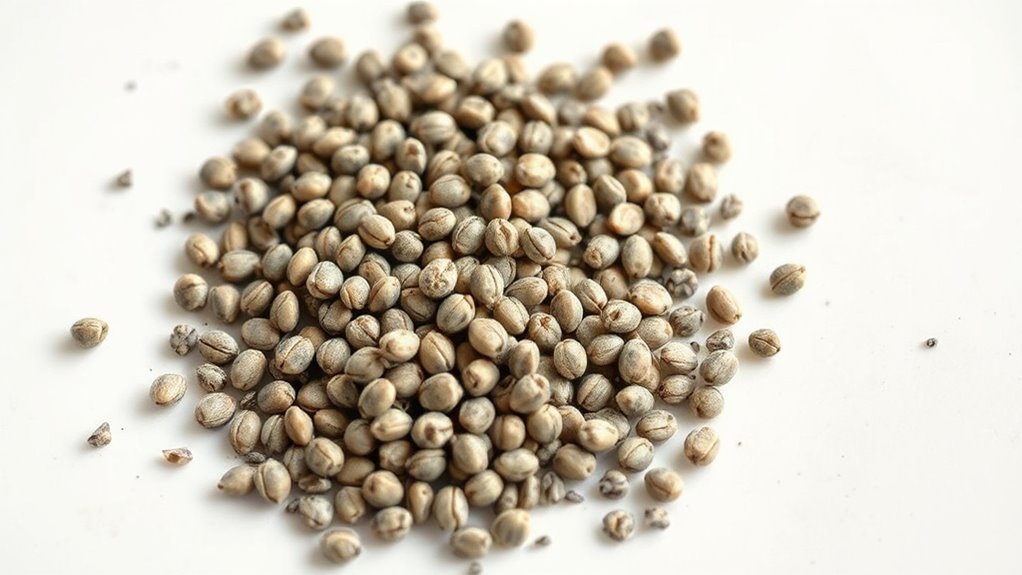
What Happens When You Eat Chia Seeds Raw?
Many people struggle with adding healthy superfoods like chia seeds into their busy routines. You’re not alone—finding easy, effective ways to boost your nutrition can feel overwhelming.
When you eat raw chia seeds, you get a nutrient-packed boost of fiber, omega-3s, and minerals that support your digestion and overall health. The mucilaginous coating helps your digestive system process the seeds more easily, but it’s important to soak or grind them first to reduce choking risks and improve nutrient absorption.
Eating the right amount can increase energy and hydration.
If you’re curious about safe ways to include chia seeds in your diet, there’s more to uncover.
Key Takeaways
- Raw chia seeds are packed with fiber, which helps your digestion and keeps your bowels regular.
- Eating them raw preserves their nutrients, like omega-3s, vitamins, and antioxidants, at their best.
- Soaking or grinding chia seeds makes them easier to digest and helps your body absorb more nutrients. It also reduces the risk of choking.
- Eating too many raw chia seeds at once can lead to bloating, constipation, or other digestive issues.
- The key is to prepare them properly and enjoy them in moderation for the safest and most healthful benefits.
What Are Chia Seeds and Why Are They Considered a Superfood?
Chia seeds are tiny, nutrient-dense seeds that come from the Salvia hispanica plant, native to Central America. Their origins date back to ancient Mayan and Aztec civilizations, where they were prized for energy and sustenance.
Today, they’re considered a superfood because of their impressive health benefits. Packed with fiber, omega-3 fatty acids, protein, and essential minerals, chia seeds support digestion, heart health, and sustained energy.
Chia seeds boost digestion, heart health, and energy with fiber, omega-3s, protein, and essential minerals.
Their versatility lets you add them to smoothies, yogurt, or baked goods, making it easy to boost your nutrition. Since they absorb liquid and form a gel, they help you feel full longer, which can aid in weight management.
The superfood benefits of chia seeds go beyond basic nutrition—they may also help regulate blood sugar levels and reduce inflammation. Overall, their rich nutrient profile and ancient roots make chia seeds a powerful addition to any healthy diet.
Do Raw Chia Seeds Keep Their Nutritional Benefits?
Eating chia seeds raw is a great way to keep most of their nutrients intact. When you consume them this way, you’re getting the full benefit of their vitamins, minerals, and antioxidants.
On the other hand, if you soak or cook the seeds, you might lose a small amount of these nutrients. So, while they still remain healthy, they might not be quite as nutrient-dense as when eaten raw. Overall, raw chia seeds are a fantastic choice if you’re looking to maximize their nutritional benefits.
Nutritional Preservation in Raw Form
When you consume chia seeds raw, you can generally expect to retain most of their nutritional benefits. Raw preparation helps preserve nutrients because heat or processing can degrade sensitive vitamins and antioxidants.
Chia seeds are rich in omega-3 fatty acids, fiber, protein, and minerals, and these nutrients stay intact when eaten raw. Unlike cooking, which can break down some nutrients, raw consumption ensures you get the maximum nutritional value.
The seeds’ mucilaginous coating also remains unchanged, helping digestion and nutrient absorption. Overall, eating chia seeds raw lets you enjoy their full health benefits and makes them a nutrient-dense addition to your diet.
Just remember to consume them in moderation to avoid potential digestive discomfort.
Impact of Soaking or Cooking
Soaking or cooking chia seeds can slightly change their nutritional profile, but many of their benefits stay intact. Soaking helps improve digestibility and makes it easier for your body to absorb nutrients like omega-3 fatty acids, fiber, and minerals.
When you soak chia seeds, they form a gel-like texture, which makes them great for smoothies, puddings, or oatmeal. Cooking methods like baking or boiling might reduce some heat-sensitive nutrients but usually keep most of their nutritional qualities.
For example, omega-3s and fiber tend to stay pretty much the same, while some vitamins may break down with prolonged heat. Overall, both soaking and cooking can enhance your chia seed experience without significantly compromising their health benefits.
This way, you can enjoy their nutritional value in many different prepared forms.
How Do Chia Seeds Interact With Your Digestion When Raw?
Curious about how raw chia seeds affect your digestion? When you eat chia seeds raw, they interact with your digestive system in unique ways.
Because they’re high in soluble fiber, they slow down digestion, helping you feel full longer. Their mucilaginous quality means they form a gel-like substance when combined with water, which can aid in smooth raw digestion.
This gel can also promote chia fermentation in your gut, supporting healthy bacteria. However, eating raw seeds without enough hydration might cause discomfort or bloating, as the seeds absorb water and expand.
The process of chia fermentation can produce beneficial probiotics, but it depends on your gut environment.
What Are the Health Benefits of Eating Raw Chia Seeds?
When you eat raw chia seeds, you’re giving your body a serious boost of nutrients that can really support your overall health. These tiny seeds are loaded with fiber, omega-3 fatty acids, and antioxidants — all of which are great for keeping you feeling your best.
Plus, they’re fantastic for your digestion. The high fiber content helps keep things moving smoothly in your gut, so you feel lighter and more comfortable throughout the day.
Rich in Nutrients
Raw chia seeds are a powerhouse of essential nutrients that can greatly enhance your health. They are incredibly nutrient-dense, meaning you get a high concentration of crucial vitamins and minerals in a small serving.
These tiny seeds are rich in omega-3 fatty acids, which support your brain and heart health. They also contain fiber, protein, calcium, magnesium, and antioxidants, all of which contribute to your overall well-being.
Because of their dense nutrient profile, eating raw chia seeds offers numerous health benefits, like improved energy levels and better bone health. Adding them to your diet is an easy way to boost your nutritional intake without extra calories.
Their impressive nutrient density makes raw chia seeds a valuable part of a balanced, health-conscious lifestyle.
Supports Digestive Health
Because they are high in soluble fiber, raw chia seeds can really boost your digestive health by helping you stay regular and preventing constipation. The fiber acts as a prebiotic, feeding your gut bacteria and supporting a healthy balance of beneficial microbes.
This, in turn, improves digestion and overall gut function. Chia seeds also have natural digestive enzymes that help break down food more easily, which can reduce bloating and discomfort.
When soaked, they form a gel-like texture that makes digestion gentler and can soothe your digestive tract. Adding raw chia seeds to your diet can lead to smoother digestion, better nutrient absorption, and a healthier gut environment.
Just remember to drink plenty of water to get the most digestive benefits from chia seeds.
Are There Risks or Side Effects From Eating Raw Chia Seeds?
Despite their many health benefits, eating raw chia seeds can sometimes lead to side effects, especially if you don’t practice portion control. Consuming large amounts may cause digestive discomfort like bloating or constipation because of their high fiber content.
Eating raw seeds can also pose risks if you have allergies to chia seeds, which might lead to reactions such as itching or swelling. To stay safe, start with small portions and gradually increase your intake.
Here’s a quick overview of potential risks:
| Risk | Symptoms | Prevention Tips |
|---|---|---|
| Digestive discomfort | Bloating, constipation | Limit size, drink plenty of water |
| Potential allergies | Itching, swelling | Watch for allergic reactions |
| Choking hazard | Difficulty swallowing | Soak seeds before eating |
| Interaction with meds | Blood thinning effects | Talk to your doctor |
How Do Chia Seeds Absorb Water and Why Does It Matter?
When you toss chia seeds into liquid, they do something pretty neat—they soak up the water through their outer shell really quickly. As they do this, they turn into a gel-like coating around each seed.
This gel formation isn’t just for show; it actually slows down digestion a bit. That means your body can absorb nutrients from the chia seeds more gradually, which is pretty great for keeping your energy steady.
Water Absorption Process
Chia seeds have a remarkable ability to absorb water thanks to their unique outer shell, called the mucilage. When you add water or liquid, this mucilage quickly forms a gel-like coating around each seed, starting the water absorption process.
The seed’s outer layer holds water through a process called water retention, which helps it swell and grow in size. This hydration happens fast, so the chia seeds expand and develop a thick, gel-like texture.
The process depends on soluble fibers in the mucilage that attract and trap water molecules. As a result, the seeds become soft and plump, making them easier to eat and digest.
This water absorption is essential for getting the most benefits and functionality from chia seeds in your diet.
Impact on Digestion
The way chia seeds absorb water really affects your digestion because the gel-like coating they create helps them move smoothly through your gastrointestinal tract. This gel can soften food and promote regular bowel movements, making digestion easier.
When you eat raw chia seeds, their ability to swell and form a mucilaginous layer can slow down digestion. This gives your digestive enzymes more time to break down nutrients, which can help your body absorb nutrients better and reduce digestive discomfort.
But if you don’t drink enough water, the seeds might cause bloating or even blockages. So, it’s really important to hydrate them properly.
Should You Soak or Grind Raw Chia Seeds Before Eating?
Have you ever wondered whether you should soak or grind chia seeds before eating them? Soaking methods, like leaving seeds in water for at least 15 minutes or overnight, help release their nutrients and make them easier to digest.
When you soak chia seeds, they develop a gel-like coating, which makes them easier to swallow and less likely to cause discomfort. Alternatively, grinding involves using a blender or spice grinder to turn seeds into a fine powder.
Grinding makes nutrients more available for absorption, especially for those with sensitive digestion. If you prefer a smoother texture for smoothies or baked goods, grinding is a good choice.
On the other hand, soaking is great for adding to puddings or drinks. Both methods boost nutrient absorption and can help prevent choking or indigestion.
Choose based on your texture preferences and how you want to incorporate chia seeds into your diet.
How Much Raw Chia Seeds Is Safe to Eat Daily?
Wondering how much raw chia seeds you can safely add to your daily diet? The general guideline is about 1 to 2 tablespoons, which is roughly 12 to 24 grams.
This amount gives you plenty of nutrients without overdoing it. Eating more regularly might cause digestive issues or constipation because of the high fiber content.
It’s a good idea to start with a smaller portion and see how your body reacts. Remember, chia seeds expand when soaked, so eating too much raw could make you feel full or bloated.
Balancing your intake with other foods is key to a healthy, well-rounded diet. Stick to the suggested serving size to enjoy the benefits without any problems.
Always pay attention to how your body feels and adjust if needed, especially if you have health issues or are pregnant.
Tips for Eating Raw Chia Seeds Safely
To enjoy raw chia seeds safely, it’s a good idea to follow a few simple tips. Proper prep helps you absorb nutrients better and avoids choking or digestion issues.
First, always soak or grind your chia seeds before eating. They swell up and turn into a gel-like texture, making them easier to digest.
Always soak or grind chia seeds first for easier digestion and a gel-like texture.
Next, start with small portions, like a teaspoon, and slowly increase to avoid any upset stomach.
It’s also helpful to mix chia seeds with liquids or soft foods, like smoothies or yogurt. This makes digestion easier and helps you get the most nutrients.
Using the right prep methods ensures you enjoy all the benefits while keeping safe. Remember, raw chia seeds are best eaten after soaking or grinding, not dry.
This way, you maximize nutrient absorption and reduce choking risks. These simple tips make it easy to add chia seeds to your diet safely and healthily.
How Do Chia Seeds Help Keep You Hydrated?
Chia seeds are great at helping you stay hydrated because they can soak up to 12 times their weight in water. When you eat them, these tiny seeds create a gel-like coating that slows down dehydration and helps you stay hydrated longer.
This gel also helps keep your electrolyte levels balanced, which can prevent muscle cramps and tiredness during exercise or hot days. Plus, it keeps water moving smoothly through your digestive system.
Frequently Asked Questions
Can Eating Raw Chia Seeds Cause Choking or Digestive Blockages?
Eating raw chia seeds can pose choking hazards if you don’t soak them first because they expand and form a gel-like consistency.
This can also lead to digestive issues like bloating or constipation, especially if you eat a lot without drinking enough water.
To avoid these problems, always soak chia seeds before eating or mix them well into liquids to make sure they’re hydrated and less likely to cause choking or blockages.
Do Raw Chia Seeds Have Any Allergenic Properties?
Ever wonder if raw chia seeds could trigger allergy symptoms? They generally don’t have strong allergenic properties, but some people might still experience an immune response.
If you’re allergic to similar seeds or nuts, reactions like itching, swelling, or difficulty breathing could happen. It’s a good idea to start with small amounts and see how your body reacts.
Always talk to a healthcare professional if you suspect you have an allergy.
How Do Raw Chia Seeds Affect Blood Sugar Levels?
Eating raw chia seeds can support blood sugar regulation because they have a low glycemic index, meaning they don’t cause rapid spikes in your blood sugar levels.
The high fiber content slows digestion, helping maintain steady glucose levels.
As a result, incorporating raw chia seeds into your diet may benefit those managing diabetes or aiming for balanced energy throughout the day.
Just be sure to consume them with plenty of water.
Are Raw Chia Seeds Safe for Children or Pregnant Women?
Raw chia seeds are like tiny nutritional powerhouses, but for children and pregnant women, caution’s key. They’re generally safe in small, controlled serving sizes, offering benefits like omega-3s and fiber.
However, because of their high fiber content and potential choking risk when dry, it’s best to soak or grind them before eating. Always check with a healthcare provider to decide on safe serving sizes and ensure they’re okay during pregnancy or for kids.
Can Raw Chia Seeds Be Contaminated With Bacteria or Other Pathogens?
Raw chia seeds can be contaminated with bacteria or other pathogens, which can pose food safety risks. This contamination might happen during harvesting, processing, or storage if conditions aren’t sanitary.
To lower the risk, store chia seeds in a cool, dry place and rinse them thoroughly before eating. They are generally safe, but it’s always good to be cautious, especially if you have a weakened immune system.
Eating raw seeds can sometimes carry the chance of foodborne illnesses, so taking these steps helps keep you safe.
Conclusion
Eating raw chia seeds can reveal a wealth of nutrients and health benefits, turning your body into a powerhouse of energy.
But beware, ignoring proper preparation or overindulgence might turn this superfood into a sneaky villain, causing discomfort or digestive chaos.
So, soak, grind, and enjoy chia seeds in moderation to harness their full magic.
With the right approach, you’ll unlock boundless energy and wellness—making chia seeds a true health hero!