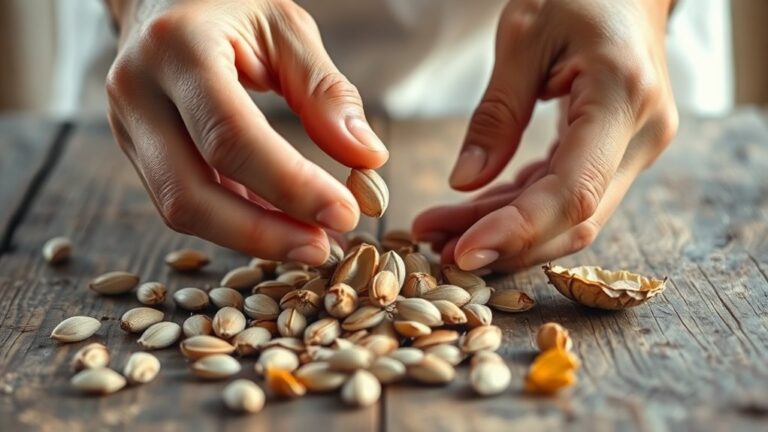
How to Choose Seeds for Outdoor Growing: A Practical Guide
Choosing the right seeds for outdoor growing requires understanding your local climate, soil conditions, and what plants will thrive best in your garden space. Successful outdoor gardening starts with selecting seeds that match your environment and intended growing season.
The importance of choosing suitable seeds extends beyond just picking a plant you like; it affects germination rates, overall plant health, and eventual yield. Seeds adapted to your region’s temperature ranges and soil quality will produce stronger, more resilient plants.
This article covers how to assess your local conditions, choose seed varieties suited for outdoor growing, and factors like seed sourcing, freshness, and disease resistance. Whether you want vegetables, flowers, or herbs, these guidelines will help optimize your garden success.
Understanding Your Local Climate for Outdoor Growing
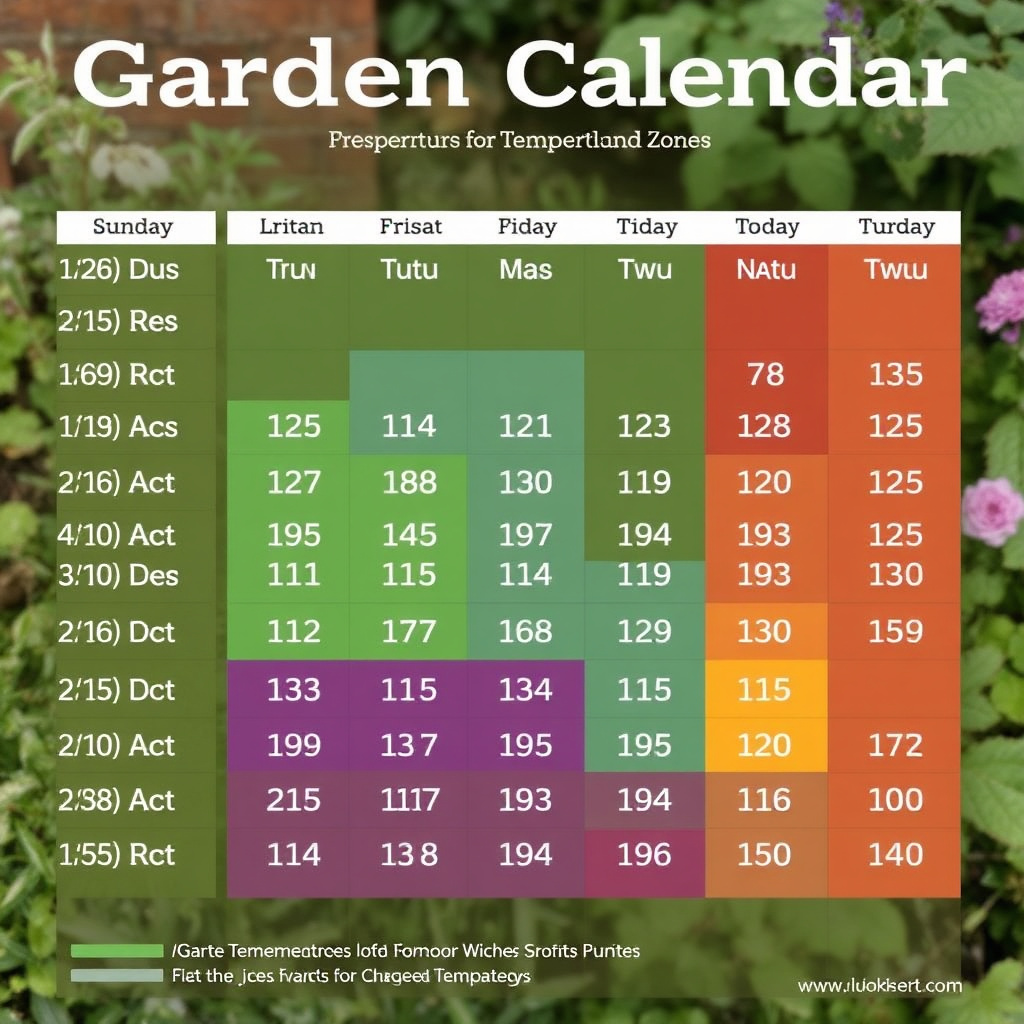
Identifying Your Hardiness Zone
Knowing your USDA hardiness zone or equivalent local climate classification is key to selecting seeds that will prosper outdoors. These zones indicate the coldest temperatures your plants will likely endure each year, informing which species can survive a given winter.
You can find this information on many gardening websites or government agriculture resources. Seeds marked for zones different from yours may not germinate well or mature before frost, leading to wasted effort.
- Check online USDA hardiness map
- Consult local extension services
- Ask experienced local gardeners
Considering Seasonal Temperature and Frost Dates
Beyond hardiness zones, understanding your area's average first and last frost dates helps determine the best planting windows for outdoor seeds. Some seeds require direct sowing after the last frost while others need pre-starting indoors.
Choosing seeds with suitable growing seasons aligned to your frost schedule improves germination success and plant development.
- Track historical frost data
- Plan seed starting times accordingly
- Use seed packets for planting date guidance
Evaluating Soil Conditions for Seed Selection
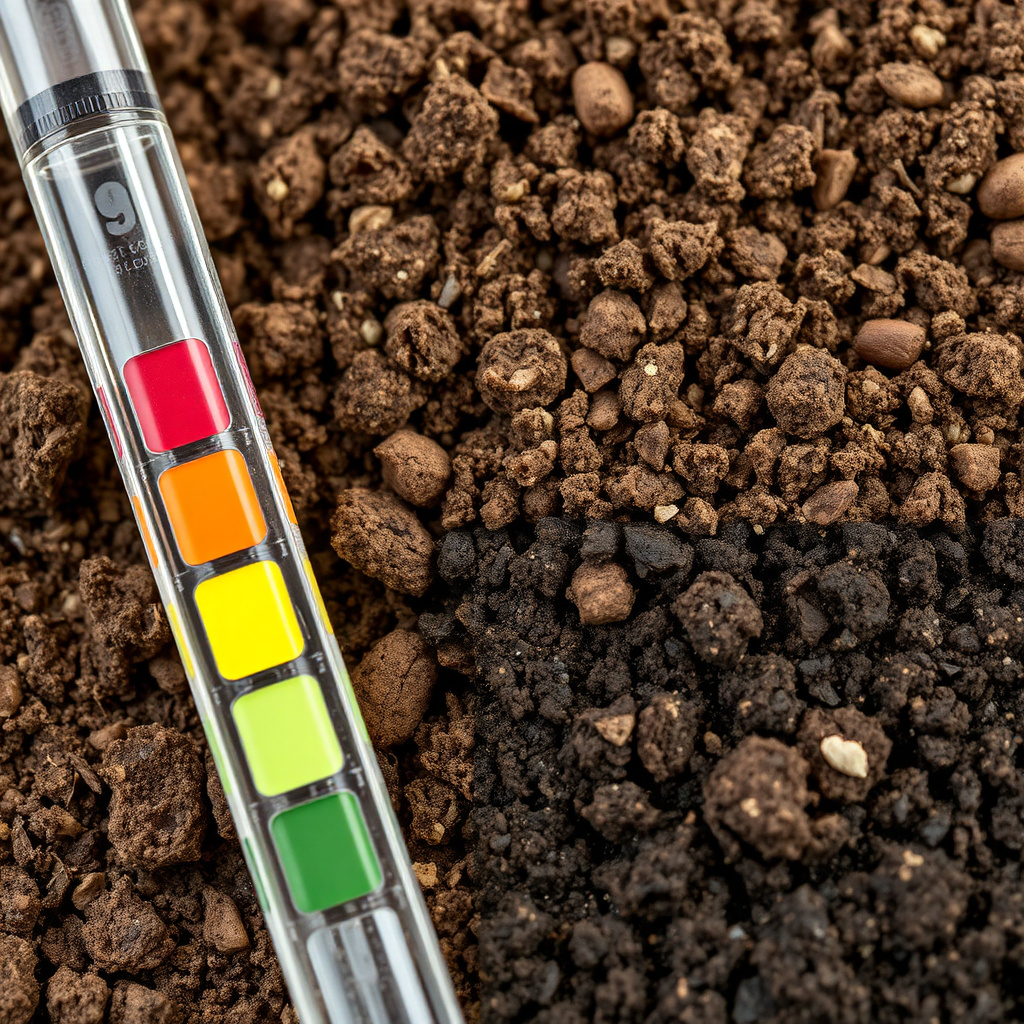
Testing Soil Type and Fertility
Soil texture and nutrient content affect how well seeds sprout and plants grow outdoors. Sandy soils drain quickly but may lack nutrients, while clay soils retain moisture but can compact easily.
Collecting a soil sample for laboratory analysis or using home test kits helps identify pH levels, nitrogen, phosphorus, and potassium content necessary to pick compatible seed varieties.
- Conduct a soil pH test
- Evaluate soil drainage and texture
- Amend soil based on test results
Adjusting Seed Choice Based on Soil Conditions
Certain seeds prefer acidic soils, like blueberries, while others thrive in neutral or alkaline conditions. Matching seed type with soil characteristics avoids poor germination and nutrient issues.
For example, hardy root vegetables do well in loose, well-drained soil, whereas leafy greens tolerate heavier soils more easily.
- Select seeds labeled for your soil pH range
- Consider soil amendments to improve compatibility
Selecting Seed Varieties for Outdoor Growing
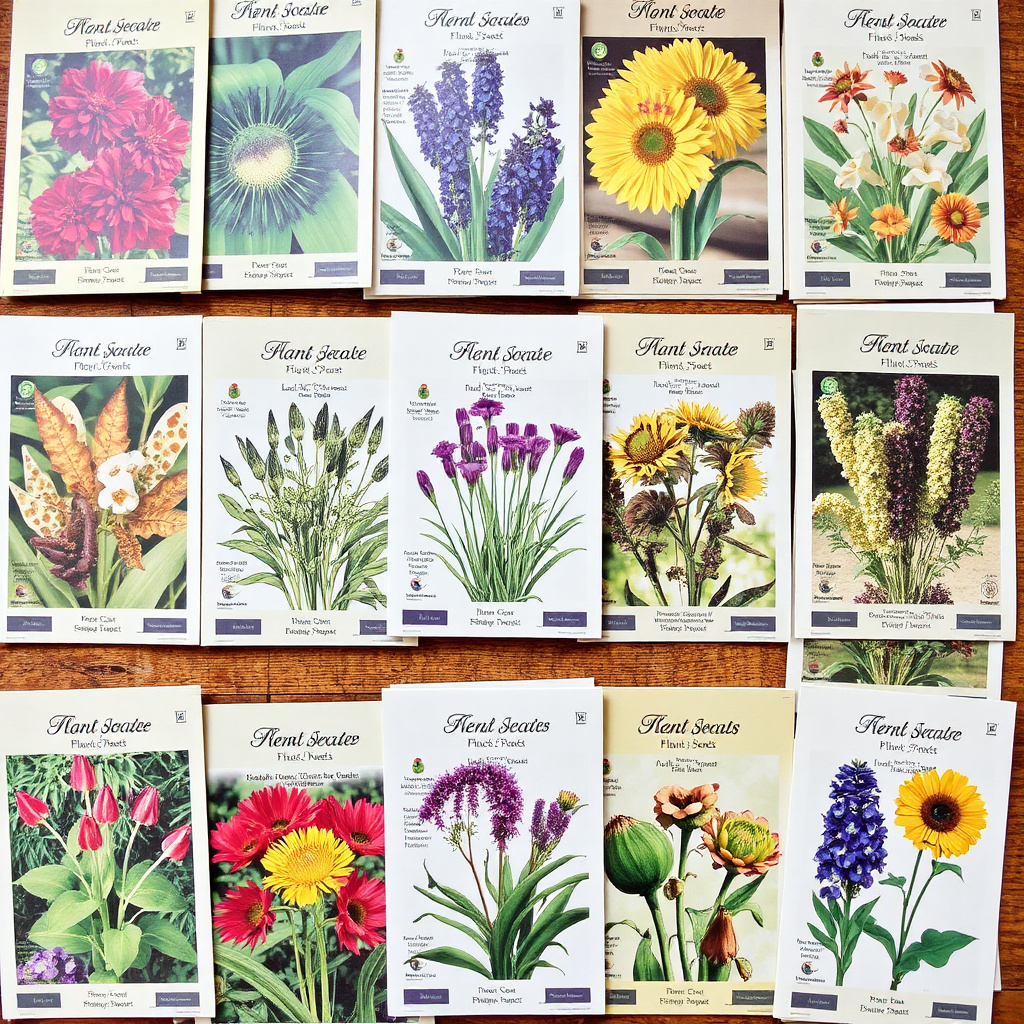
Choosing Heirloom vs. Hybrid Seeds
Heirloom seeds maintain genetic purity and usually offer distinct flavors or appearances. They can be ideal for gardeners seeking traditional varieties and saving seeds for next seasons.
Hybrid seeds, in contrast, often boast disease resistance, higher yields, or improved uniformity but cannot reliably reproduce true to type. Your priorities will guide which variety suits your outdoor garden.
- Heirloom: open-pollinated, saveable seeds
- Hybrid: enhanced performance, limited seed saving
For more on this, see our related guide: Cannabis Strain Comparison: How to Choose the Right Strain for Your Needs.
Considering Disease Resistance and Growth Habit
Some seeds come with specific resistances to common outdoor pathogens, which reduces the need for chemical treatments and increases success rates. Growth habit, such as determinate vs. indeterminate tomatoes, also affects maintenance and space.
Review seed catalogs for disease resistance traits and growth patterns to select varieties that fit your gardening style and disease pressure.
- Look for disease-resistant labels on seed packets
- Choose growth habits appropriate for your garden space
Seed Quality and Freshness for Reliable Germination
Assessing Seed Viability and Packaging
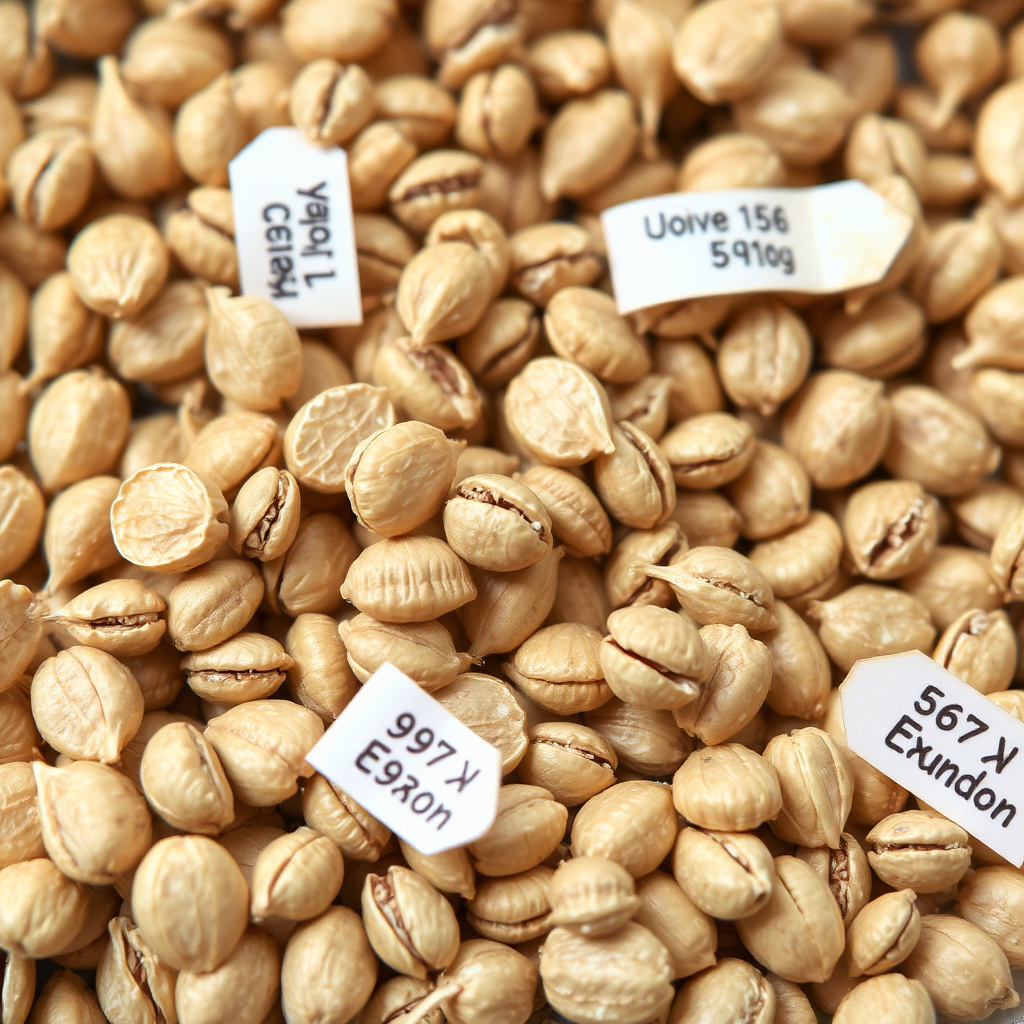
Fresh seeds stored under proper conditions maintain high germination rates. Check for sealed, moisture-proof packaging and clear labeling with date of harvest or best-by dates.
Older seeds may still sprout but at reduced rates, impacting your outdoor growing success if not accounted for in seeding density.
- Choose seeds with recent pack dates
- Buy from reputable seed suppliers
- Avoid damaged or open packets
Testing Germination Before Planting
A simple germination test at home can confirm seed viability before investing time in outdoor planting. Place 10 seeds on a damp paper towel inside a zip-lock bag, keep warm, and observe sprouting over a week.
Calculating the percentage of seeds that germinate helps adjust seeding rates to compensate for lower viability.
- Perform germination test with representative seed samples
- Adjust planting quantity based on germination results
Sourcing Seeds for Outdoor Growing
Buying from Local Nurseries and Seed Co-ops
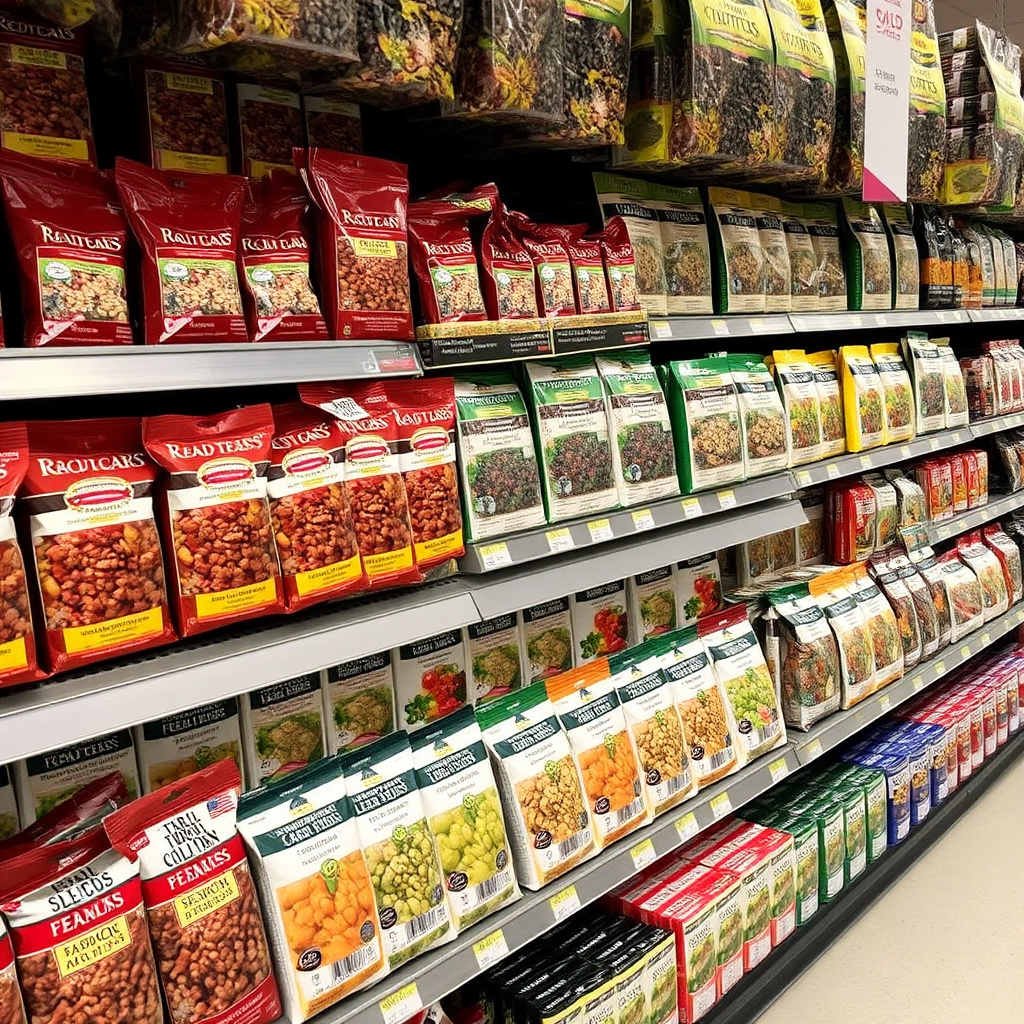
Local sellers often stock seed varieties adapted to your regional climate and soil conditions, which aligns well with outdoor growing requirements. Engaging with community seed co-ops can offer heirloom varieties and expert advice.
Purchasing locally also reduces shipping stress on seed viability and supports regional agricultural sustainability.
- Visit local garden centers early in the season
- Join local seed exchange groups
- Ask about regionally tested seeds
For more on this, see our related guide: Cannabis Growing Temperature and Humidity: How to Optimize Conditions for Healthy Plants.
Ordering Seeds Online: What to Watch For
Online seed catalogs provide vast selections including rare or specialty varieties not available locally. However, verify seed company reputation, shipping conditions, and return policies.
Look for transparent labeling of seed origin and production methods to ensure quality for your outdoor growing needs.
- Check customer reviews and ratings
- Confirm shipping timing relative to planting season
- Ensure organic or non-GMO status if preferred
Matching Seeds to Outdoor Garden Types and Conditions

Selecting Seeds for Raised Beds and Containers
Raised bed and container gardens have unique soil and moisture dynamics. Choose seeds for compact or dwarf plant varieties suited for limited root spaces and good drainage.
Varieties that tolerate quick drying or variable moisture levels offer more consistent outdoor growing results in these setups.
- Opt for bush or determinate varieties
- Consider seed types labeled for container growth
To pinpoint your regional climate, the USDA Plant Hardiness Zone Map is a valuable resource for gardeners. USDA Plant Hardiness Zone Map.
Choosing Seeds for In-Ground Outdoor Gardens
Direct in-ground gardens provide greater root depth and soil volume, supporting large or deep-rooted plants. Seeds selected for vigorous root systems and outdoor hardiness help maximize outdoor yields.
Consider companion planting seeds that thrive together to enhance outdoor growing success.
- Select seeds with strong root growth potential
- Plan compatible plant groupings
Outdoor Garden Seed Types Comparison
This table compares common seed types and categories to help you find the best seeds for outdoor growing tailored to your garden style.
| Seed Category | Best For | Germination Rate | Disease Resistance | Seed Saving |
|---|---|---|---|---|
| Heirloom Seeds | Traditional varieties, flavor | 75-90% | Variable | Yes |
| Hybrid Seeds | Higher yields, disease resistance | 85-95% | Often high | No |
| Organic Seeds | Chemical-free gardening | 80-90% | Depends on variety | Yes |
| Open-Pollinated Seeds | Genetic diversity, saving seeds | 70-85% | Variable | Yes |
| Treated Seeds | Pest and disease protection | 90-98% | High | No |
Frequently Asked Questions
Can I plant seeds outdoors any time of year?
No, timing depends on your local climate and frost dates. Most outdoor seeds require planting after last frost in spring or in late summer for fall crops.
How do I store seeds before planting outdoors?
Store seeds in a cool, dry, and dark place in airtight containers to maintain viability until planting.
Are heirloom seeds better for outdoor growing?
Heirloom seeds offer unique traits but may lack disease resistance compared to hybrids; suitability depends on your garden goals.
What if my seeds don’t germinate after planting outdoors?
Factors include poor soil, incorrect planting depth, moisture issues, or expired seeds. Testing germination beforehand helps reduce risk.
Should I use treated seeds for outdoor gardens?
Treated seeds resist some pests and diseases but might not be suitable for organic gardening or all environments.
Key Takeaways
- Identify your local climate and frost dates before choosing seeds
- Match seed varieties to your soil type and garden conditions
- Select seed quality and freshness for best germination results
- Consider seed types like heirloom, hybrid, and organic for outdoor growing
Conclusion
Selecting seeds for outdoor growing involves balancing knowledge of your climate, soil, and garden goals with seed variety traits like disease resistance and growth habits. The process should begin with researching your local hardiness zone and frost schedule, then evaluating soil conditions to find compatible seed types. Quality and freshness of seeds greatly influence germination success, so sourcing from trusted suppliers is vital. By incorporating these factors, gardeners can improve chances of a healthy, productive outdoor garden.
For example, outdoor growers in cooler zones might choose cold-hardy heirloom vegetables with short growing seasons, while those in warmer climates can experiment with heat-tolerant hybrid varieties offering robust disease resistance. Raised bed or container gardeners should focus on compact varieties designed for limited space, whereas traditional in-ground gardens can support larger, deep-rooted plants that produce higher yields. Using a mix of seed types can also enhance diversity and resilience in your outdoor planting.
A practical next step would be to test seed germination with a simple home test to confirm seed viability before planting, and to start seeds according to your local planting calendar. Engaging with local gardening groups or seed co-ops can provide regionally adapted options and advice tailored to your outdoor growing environment. Following these strategies streamlines seed selection and maximizes your garden’s success.