What Is Ear Seeding and How Does It Work?
If you’re tired of relying on medications or invasive treatments to manage stress, pain, or cravings, you’re not alone. Many people are searching for gentle, natural alternatives that fit into their busy lives.
Ear seeding offers a simple yet effective way to support your well-being without discomfort.
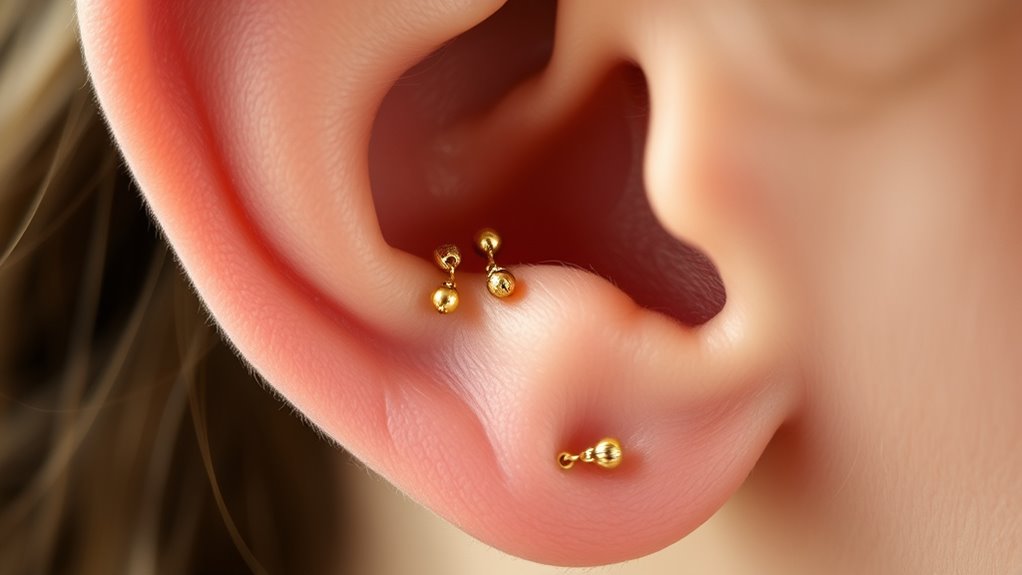
Ear seeding is a natural therapy where tiny seeds or beads are placed on specific points on your ear to promote healing and balance energy flow. The seeds stay in place with adhesive, providing continuous stimulation that can help reduce stress, alleviate pain, or curb cravings.
It’s a non-invasive method rooted in Chinese medicine.
If you keep exploring, you’ll uncover how this gentle technique works and how you can use it safely.
Key Takeaways
- Ear seeding involves placing small seeds or beads on specific ear points to promote health and wellness.
- It works by stimulating energy flow and unblocking meridians, which supports natural healing and helps reduce stress.
- The process includes cleaning the ear, applying seeds with adhesive, and keeping an eye out for irritation or discomfort.
- Benefits can include stress relief, pain reduction, better sleep, and emotional balance. It’s generally safe and easy to do.
- Ear seeding is a non-invasive alternative to acupuncture, providing ongoing health benefits through gentle, continuous stimulation.
What Is Ear Seeding and How Does It Work?
Ear seeding is a natural therapy where tiny seeds or beads are placed on specific points of the ear to stimulate the body’s healing response. It has roots in ancient Chinese medicine, which views the ear as a microsystem reflecting the entire body.
The practice dates back thousands of years, with historical use for treating various ailments by stimulating particular acupressure points. Today, practitioners use small seeds or beads attached with adhesive tape for continuous stimulation throughout the day.
This method taps into the body’s natural energy pathways, aiming to restore balance and promote healing. While based on traditional knowledge, modern ear seeding uses safer, more comfortable materials for easier application.
Its simplicity and minimal invasiveness make it a popular choice for those seeking a gentle, non-drug approach to health and wellness.
How Does Ear Seeding Help Restore Energy Flow?
By stimulating specific points on the ear, ear seeding helps unblock and balance the body’s energy pathways, called meridians. When these pathways are clear and working well, your energy flows smoothly, supporting your overall health and well-being.
Stimulating ear points balances energy pathways, promoting overall health and well-being through smooth energy flow.
Ear seeds gently press on key acupressure points, encouraging the release of blocked energy and restoring balance. This can help reduce energy stagnation caused by stress, fatigue, or illness.
As your energy balance improves, you might notice more vitality, mental clarity, and better physical resilience. The continuous stimulation from the ear seeds promotes ongoing energy circulation along the meridians.
This ongoing flow helps prevent blockages from forming again. Over time, it keeps your body’s energy moving harmoniously, which is vital for natural healing and overall health.
Ear seeding is a simple, non-invasive way to support your body’s natural ability to restore and maintain optimal energy flow.
What’s the Step-by-Step Process for Applying Ear Seeds?
Sure! Here’s a more conversational version of the step-by-step process for applying ear seeds:
First, you’ll want to start by cleaning the area on your ear really well. It’s important to make sure it’s nice and tidy so the seeds stick properly. Once that’s done, carefully place the seeds on the specific points you’re targeting. Just take your time to make sure they sit right and stay in place.
And finally, give everything a quick check to make sure the seeds are secure. You want them to stay put while you’re wearing them, so double-check that they’re attached well. That’s pretty much it!
Preparing the Ear Area
Before applying ear seeds, start by thoroughly cleaning the area to guarantee it’s free of dirt, oil, and sweat. Proper ear hygiene guarantees a clean surface, which helps the seeds adhere better and reduces the risk of infection.
Take a gentle cleanser or alcohol wipe and carefully clean the outer ear, paying attention to the ear anatomy, including the earlobe and other accessible regions. Make sure to remove any excess moisture and allow the area to dry completely.
Understanding the ear’s complex structure helps you identify the correct spots for seed placement later. This preparation step is essential for effective ear seeding, guaranteeing the area is hygienic and ready for the next phase of application.
Applying the Seeds Properly
Begin by carefully selecting the appropriate ear seed and positioning it over the targeted acupressure point. Proper seed placement is key for effectiveness. Use clean hands and keep your ear hygiene in check to prevent infection.
Gently press the seed onto the skin, making sure it adheres well. Follow these steps:
| Step | Action | Tips |
|---|---|---|
| Choose the seed | Pick the right size and type | Opt for natural, hypoallergenic seeds |
| Position the seed | Align over the correct acupoint | Use a mirror for accuracy |
| Apply pressure | Gently press to secure in place | Avoid touching surrounding skin |
This careful approach guarantees ideal seed placement and keeps your ear hygiene in check.
Ensuring Secure Placement
Once you’ve placed the seed over the correct acupoint, make sure it stays securely in place. Using proper secure techniques is key for effective ear seeding.
Follow these guidelines to prevent the seed from falling off: gently press the seed to ensure good contact with the skin. Use medical-grade adhesive tape for extra security.
Avoid touching or disturbing the seed during the first few hours. Keep the ear dry and try not to move it excessively.
Check regularly to see if the seed is still attached well. Reposition it if needed to stay secure.
These steps help keep the seed in place, so you get the most benefit from ear seeding. Proper technique and following these tips are essential for safe and effective results.
Which Health Concerns Can Ear Seeding Address?
Ear seeding can be a helpful way to manage stress and anxiety, especially since it targets specific points that promote relaxation. It’s like giving your body gentle signals to help you feel calmer.
Plus, if you’re dealing with headaches, ear seeding might offer some relief by stimulating areas linked to pain relief. It’s a natural approach that could support your overall well-being. So, if you’re curious about alternative methods to feel better, ear seeding is definitely worth looking into.
Managing Stress and Anxiety
Stress and anxiety are common issues that many people seek natural remedies to manage. Ear seeding can help by stimulating points linked to relaxation and emotional balance. It works well alongside practices like mindfulness and relaxation exercises, making them even more effective.
When you use ear seeding for stress, you may notice feeling less tense, more emotionally stable, and enjoying better sleep. It can also help improve focus and clarity, leading to a greater sense of calm.
The tiny seeds gently apply pressure, encouraging your body’s natural relaxation response. Regular use can support your efforts to handle daily stressors and anxiety more effectively.
Combining ear seeding with mindfulness or relaxation techniques can deepen your sense of calm and boost your mental well-being.
Alleviating Headache Pain
Headache pain can really disrupt your daily routine, but ear seeding offers a natural way to find relief.
By stimulating specific points on your ear, you can target headache symptoms and promote pain relief without needing medication.
Ear seeding taps into natural remedies, encouraging your body’s self-healing processes.
When the seeds are placed on acupressure points linked to headaches, they help release tension and improve circulation, reducing pain.
Many people find that consistent stimulation can lessen how often and how severe their headaches are.
This method provides a simple, non-invasive way to manage headache discomfort, making it a popular natural remedy.
If you’re looking for an alternative to pills, ear seeding might be a helpful addition to your pain relief routine.
How Long Do Ear Seeds Stay in Place, and How to Care for Them?
Typically, ear seeds can stay in place for several days, usually between three to five, but this can vary depending on your skin type and activity level. The duration depends on factors like skin sensitivity and daily routines. To make sure they work effectively, follow proper care instructions.
Here are some tips to keep them in good shape:
- Avoid water contact, especially during showers or swimming
- Refrain from touching or pressing on the seeds
- Keep the area clean and dry
- Use gentle pressure if they start to loosen
- Replace or reapply seeds if they fall off early
Proper care helps prolong their effectiveness and reduces irritation. If you notice redness or discomfort, remove the ear seeds and talk to a professional. Knowing how to care for them helps you get the most benefit and stay comfortable during treatment.
Is Ear Seeding Safe? Benefits and Potential Risks Explained
Is ear seeding a safe practice? Generally, yes, it’s considered safe when done correctly, but it’s important to understand both the benefits and potential risks. The ear seed history dates back centuries in traditional Chinese medicine, where it’s used to stimulate specific points for health benefits.
Many people find that ear seed effectiveness varies, with some experiencing relief from pain, stress, or cravings. However, risks include skin irritation, allergic reactions, or infection if the seeds aren’t applied or cared for properly.
Ear seed effectiveness varies; some find relief, but improper care can cause irritation or infection.
To minimize these risks, make sure you use sterile materials and follow proper hygiene. If you have a skin condition or are pregnant, consult a healthcare professional before trying ear seeding.
While the safety profile looks promising for most, it’s vital to approach it with caution and be aware of how your body responds. Proper application and care greatly influence both the safety and effectiveness of ear seeding.
How Does Ear Seeding Differ From Acupuncture?
Although both ear seeding and acupuncture target specific ear points to promote healing, they differ quite a bit in technique and approach. Ear seeding involves placing small seeds, like metal or ceramic ones, on specific ear points. You can often stimulate them at home.
Acupuncture, on the other hand, uses thin needles inserted into these ear points by a trained practitioner. It provides a different sensory experience.
Key differences include the technique: seeds stay on the ear for days, while needles are inserted temporarily. Acupuncture offers more precise stimulation with needle depth control. Ear seeds are less invasive and usually painless.
Seeds can be worn continuously, making them a convenient option for ongoing self-care. Needles are used during sessions only. You can choose from metal, ceramic, or herbal seeds depending on your preference.
Both methods target ear points, but ear seeding provides a more accessible, low-risk way to care for yourself regularly.
How to Find a Qualified Practitioner for Ear Seeding
Finding a qualified practitioner for ear seeding ensures you get safe and effective treatment. Start by checking their credentials. Look for certifications from reputable acupuncture or holistic health organizations and verify their training in ear seeding specifically. Credentials show they have the right knowledge and skills to do the procedure safely.
Next, ask trusted friends, family, or your primary care provider if they know any experienced practitioners. You can also search online reviews and professional directories to find practitioners with positive patient feedback.
Always schedule a consultation before starting treatment. During this visit, ask about their experience, training, and how they approach ear seeding. A qualified practitioner will be open about their credentials and happy to answer your questions, helping you feel confident in your choice.
Can You Do Ear Seeding at Home Safely? Tips for DIY Enthusiasts
Many DIY enthusiasts wonder whether they can safely perform ear seeding at home. While it’s tempting to try, ensuring safety is really important.
If you decide to go ahead, educate yourself about different ear seed types—such as seeds, small beads, or magnetic pellets—and choose high-quality options.
Before starting, wash your hands thoroughly and clean your ear with alcohol to prevent infection.
Use a clean, precise tool like tweezers to place the seed accurately. Avoid applying too much pressure, which can cause injury.
Always follow instructions carefully and don’t treat serious conditions without professional guidance.
Keep an eye out for any discomfort, redness, or swelling, and remove the seed immediately if irritation occurs.
Remember, DIY safety isn’t just about technique but also understanding your limits.
When in doubt, consulting a professional can help prevent complications and ensure a safe, effective experience.
What Should You Expect During and After an Ear Seeding Session?
During an ear seeding session, you’ll likely feel gentle pressure or slight movement as the seed is placed on specific points on your ear. It’s usually a calming experience with minimal discomfort.
You might notice a tingling or mild sensation in the area, but it shouldn’t be painful. Most people find the session relaxing and easy to tolerate.
After the session, some people experience immediate effects like feeling more relaxed or relief from certain symptoms. Others might notice subtle changes gradually over time.
Effects after the session vary from person to person. You might feel more energized, calmer, or even slightly tender around the seed placement site.
It’s normal to have minor adjustments in how your body responds. These effects can last from a few hours to several days.
To get the most benefits, follow your practitioner’s advice. Avoid touching or disturbing the seeds and keep the area dry.
Frequently Asked Questions
Are There Any Age Restrictions for Ear Seeding?
There aren’t strict age restrictions for ear seeding, but it’s important to consider individual health conditions.
The benefits of ear seeding come from traditional Chinese medicine and have been used across different ages.
However, children and elderly individuals should check with a healthcare professional before trying it.
While generally safe, younger and older people might have different sensitivities.
Getting proper guidance helps ensure a safe and effective ear seeding experience.
How Often Should Ear Seeds Be Replaced or Adjusted?
You should replace or adjust ear seeds approximately once a week to keep their benefits. During this time, the placement stays effective, but the adhesive can weaken, and the seeds might shift.
To get the most out of your ear seeds, check them regularly to make sure they stay secure. If they loosen or fall off, it’s time to replace or readjust them for continued comfort and therapeutic effect.
Can Ear Seeding Be Combined With Other Treatments?
Yes, you can combine ear seeding with other treatments to boost overall benefits and create a more effective approach. Many people find that adding ear seeding to therapies like acupuncture, massage, or herbal remedies enhances their wellness.
Just make sure to check with your healthcare provider before mixing treatments to ensure everything is safe. This holistic way of addressing health can target multiple areas, helping to promote balance and healing more effectively than using just one method.
What Are Common Signs of an Adverse Reaction?
If you experience ear sensitivity or notice signs like redness, swelling, itching, or pain after ear seeding, it could be an allergic reaction.
These signs show your body might be reacting negatively to the seeds or adhesive. Be cautious and pay attention to any symptoms that develop.
If you notice any adverse reactions, remove the seeds immediately and talk to a healthcare professional. This helps prevent further irritation or complications.
Always keep an eye out for allergic reactions during treatment to stay safe.
How Long Does It Typically Take to See Results?
They say patience is a virtue, and with ear seeding, your results timeline varies.
Most people notice effects within a few days to a couple of weeks, but factors like consistency, placement accuracy, and how your body responds all play a role.
Everyone’s different, so don’t get discouraged if it takes longer for you to see results.
Staying committed and following your practitioner’s advice will help you get the best possible outcome.
Conclusion
Imagine ear seeding as tiny guides whispering healing messages into your body, gently restoring balance like a delicate dance. When you welcome this ancient technique, you open a doorway to renewed energy and well-being.
Whether you visit a practitioner or try it at home, you’ll become the conductor of your own wellness symphony. So, take that step—your journey to harmony is just a seed away, waiting to blossom into vibrant health.