Cannabis Seed FAQ: Answers to Your Most Common Questions
If you’re curious about cannabis seeds, this FAQ directly addresses the most common questions growers and enthusiasts ask. From seed types to legality and germination, you’ll get concise, practical answers here.
Understanding cannabis seeds is essential for anyone interested in cultivation, whether for medical, recreational, or personal use. Knowing the differences between seed varieties and their growing requirements helps maximize success and results.
This article will cover key topics such as seed types, germination methods, legal considerations, storage tips, and common challenges. No matter your experience level, this FAQ is designed to provide straightforward, useful information.
Understanding Cannabis Seed Types
Feminized vs Regular Seeds
Feminized seeds are bred to produce only female cannabis plants, which are the ones that develop buds rich in cannabinoids. Regular seeds can produce male or female plants, requiring identification and removal of males to avoid pollination. Feminized seeds are more convenient for growers focused on flower production.
Using feminized seeds reduces the risk of growing male plants, saving time and effort. However, some growers prefer regular seeds for breeding purposes or genetic diversity. Each seed type serves a specific role depending on cultivation goals.
Autoflowering Seeds Explained
Autoflowering seeds produce plants that automatically flower based on age rather than light cycle, typically finishing in 8-10 weeks. This allows for faster harvests and multiple grows per season regardless of photoperiod.
Autoflowers are ideal for beginners or those with limited space and time. While they may yield less than photoperiod plants, their speed and ease of growth are appealing, especially when paired with the best cannabis seeds for beginners.
Cannabis Seed Germination and Planting
Effective Germination Techniques
Popular germination methods include the paper towel technique, direct soil planting, and using starter plugs. The paper towel method involves placing seeds between damp towels in a warm, dark place to encourage sprouting within days.
Moisture, warmth (around 70-85°F or 21-29°C), and minimal disturbance are crucial for successful germination. Gentle handling prevents seed damage and helps seedlings emerge healthy.
- Paper towel method
- Direct soil planting
- Starter plugs or cubes
- Controlled temperature and humidity
Timing and Soil Preparation
Plant seeds once roots appear or the taproot extends about half an inch. Use light, well-draining soil with balanced nutrients. Avoid heavy or compacted soils that hinder root development.
Seedlings benefit from sterile soil or seed-starting mixes with fine texture. Maintaining consistent moisture and moderate light in the early stages promotes steady growth.
Legal and Storage Information
Legal Status of Cannabis Seeds
Cannabis seed legality varies widely by country and state. In some regions, seeds are legal to buy and possess but illegal to germinate. Others allow full cultivation rights. Always check local laws before purchasing or growing.
Knowing legal restrictions helps avoid penalties. Some areas require permits or licenses. Seed sellers often provide disclaimers and shipping restrictions based on legality.
Best Practices for Seed Storage
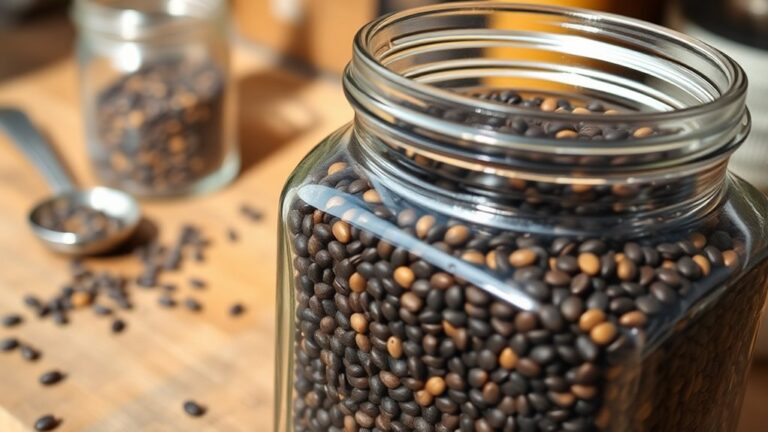
Cannabis seeds remain viable for several years if stored properly in cool, dry, and dark conditions. Ideal storage includes airtight containers kept in refrigerators or seed banks with humidity control.
Avoid exposure to heat, light, and moisture to prevent mold or premature sprouting. Label seeds with strain and date for organization, especially when storing multiple varieties.
- Use airtight containers
- Store in a cool, dark place
- Keep humidity low
- Label for tracking
Optimizing Growth and Troubleshooting
Common Seedling Problems
Seedlings may face issues like damping off, overwatering, or nutrient deficiencies. Damping off is a fungal disease causing wilting and sudden death. Proper airflow, sterile soil, and avoiding excess water reduce risk.
Yellowing leaves or stunted growth often indicate nutrient imbalances or light stress. Addressing these early supports strong plant development.
Light and Nutrient Needs
Cannabis seedlings require moderate light intensity, around 18 hours daily, to avoid stretching or burning. Fluorescent or LED grow lights set at proper distances promote healthy photosynthesis.
Nutrient needs start low during seedling stage. Using diluted nutrient solutions with balanced nitrogen, phosphorus, and potassium encourages vigorous growth without toxicity.
Buying Cannabis Seeds: Tips and Recommendations
Choosing Quality Seed Suppliers
Buy seeds from reputable breeders or seed banks that guarantee genetics and viability. Look for customer reviews, return policies, and germination success rates to assess reliability.
Check if seeds are feminized, autoflowering, or regular based on your cultivation plan. Trusted suppliers often provide detailed strain info and growing advice.
- Verified customer reviews
- Clear seed descriptions
- Germination guarantees
- Customer support availability
For more detailed botanical and legal details on cannabis seeds, you can refer to the Cannabis seed information from Wikipedia. Cannabis seed information from Wikipedia.
Selecting Seeds Based on Experience Level
Beginners may prefer autoflowering or feminized seeds labeled as easy to grow, offering forgiving growth habits and quick cycles. More experienced growers might choose regular seeds for breeding and experimentation.
Consulting online forums and growing communities can help match seeds to your environment and goals, improving chances of successful cultivation.
Cannabis Seed Types Comparison
This table summarizes key differences among common cannabis seed categories to help determine which suits your needs best.
| Seed Type | Flowering Trigger | Growth Duration | Yield Potential | Ease for Beginners |
|---|---|---|---|---|
| Feminized Seeds | Photoperiod (light cycle) | 8-12 weeks flowering | High yield potential | Moderate |
| Regular Seeds | Photoperiod (light cycle) | 8-12 weeks flowering | High yield potential | Challenging |
| Autoflowering Seeds | Age (time) | 6-10 weeks total | Moderate yield | Easy |
| Ruderalis Seeds | Age (time) | 6-8 weeks total | Low yield | Easy |
Frequently Asked Questions
Can I germinate cannabis seeds indoors?
Yes, germinating cannabis seeds indoors is common and recommended for better control of moisture and temperature, improving germination success rates.
How long do cannabis seeds stay viable?
Properly stored cannabis seeds can remain viable for up to 2-5 years, depending on temperature and humidity conditions.
Are feminized seeds more expensive than regular seeds?
Feminized seeds often cost more due to the breeding process involved, but they save time by eliminating male plants from the grow.
Is seed germination legal everywhere?
No, legality varies by location. Some places allow seed possession but prohibit germination or cultivation. Always check your local laws.
What is the best way to store cannabis seeds long-term?
Storing seeds in airtight containers in a cool, dark, and dry place, like a refrigerator, helps maintain viability for years.
Key Takeaways
- Cannabis seeds come in feminized, regular, and autoflowering types tailored to different grower needs.
- Proper germination methods and soil preparation are critical for healthy seedling development.
- Legal restrictions vary significantly; check your local laws before buying or planting seeds.
- Storage in cool, dark, and dry conditions prolongs cannabis seed viability.
Conclusion
Choosing the right cannabis seeds involves understanding your cultivation goals, local legal environment, and grower experience. Considering seed types such as feminized or autoflowering and following effective germination and storage practices enhances your chances of a successful harvest. Remember that attention to detail at the seed stage sets the foundation for quality plants.
For beginners, autoflowering seeds that are easy to grow and have shorter cycles often provide a smoother introduction to cannabis cultivation. Experienced growers interested in breeding or maximizing yields might opt for regular or feminized photoperiod seeds. The best cannabis seeds for beginners frequently come from reliable sources offering genetics with proven vigor and germination rates. Prioritize suppliers who provide transparency and support.
To get started, assess your local regulations thoroughly, select a seed type aligned with your needs, and create a germination and storage plan suited to your environment. Patient care during early growth stages can dramatically influence your final results. Using this Cannabis Seed FAQ as a reference, take practical steps today toward planting or expanding your cannabis garden.