What Seed Characteristics Do Limes Have?
Are you tired of planting limes only to be unsure about what to expect from their seeds? You’re not alone—many people struggle with understanding seed traits and how they affect fruit quality. Knowing what to look for can make all the difference in your lime-growing journey.
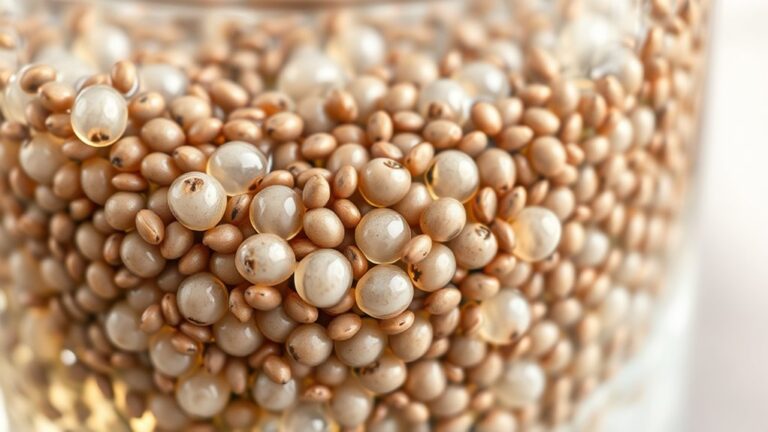
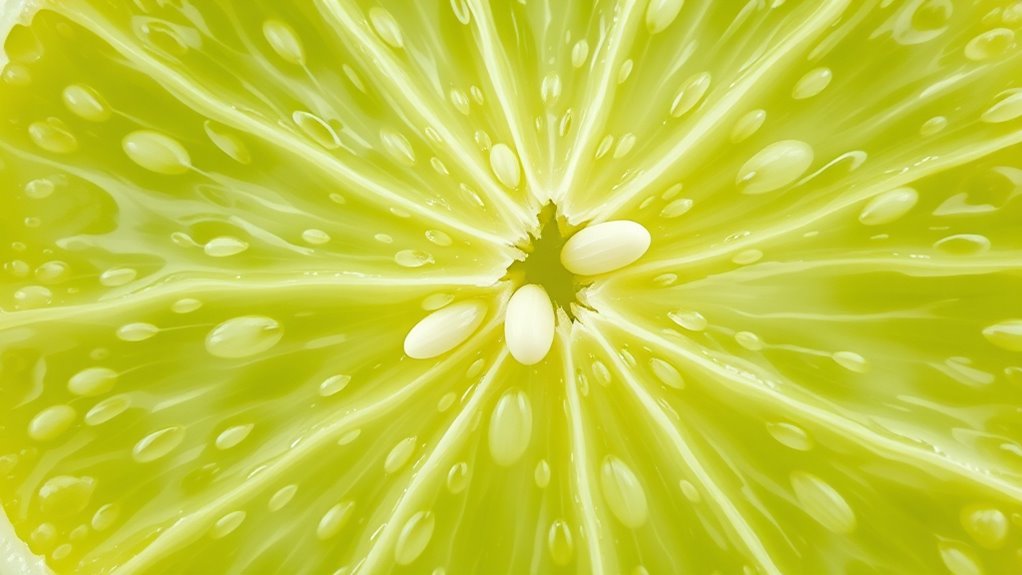
Lime seeds come in varying sizes, shapes, and colors, typically ranging from white to light brown, with oval or elliptical forms. Their seed coats can be smooth, firm, and shiny, indicating freshness, or harder and brittle if older.
Different lime varieties, like key or Persian, have distinct seed traits. These characteristics can influence fruit flavor, aroma, and growth potential.
To uncover more about how seed traits impact lime cultivation, keep exploring this topic further.
Key Takeaways
- Lime seeds are usually oval or elliptical, with smooth, shiny surfaces. They range in size from 1 to 2 centimeters.
- The seed color can be creamy white to light brown, which shows that the seed is mature and healthy.
- When ripe, lime seeds are firm, plump, shiny, and free from shriveling or discoloration.
- The seed coats are smooth and firm, and healthy seeds don’t have cracks or become brittle.
- Different lime varieties have unique seed traits, like size, shape, and seed coat features.
What Are the Main Types of Lime Seeds and Their Features
Lime seeds come in several main types, each with unique features that can influence planting and fruiting. Understanding the different kinds helps you identify their genetic traits, affecting growth habits and fruit quality.
Some lime seeds are classified as true seeds, coming directly from the original fruit. Others are hybrid seeds, resulting from cross-breeding. True seeds usually produce plants with traits similar to the parent, ensuring consistency in flavor and size.
Hybrid seeds, on the other hand, might show genetic variation. This can lead to unpredictable growth and fruiting patterns, which might be exciting or challenging depending on your goals.
Seed traits like size, shape, and shell thickness vary among lime types. These differences can impact germination success and overall plant health.
Recognizing these distinctions helps you choose the right seeds for your needs. Whether you want reliable, true-to-type seeds or are experimenting with hybrids, knowing the main types and their features is key to successful cultivation.
How Do Lime Seed Sizes Vary : What Should You Expect?
Lime seed sizes can really vary quite a bit, so don’t be surprised if you come across some seeds that are larger or smaller than others. It’s pretty normal to see this kind of variation.
A lot of things can influence how big or small the seeds are, like the type of lime and the conditions in which it grew. Knowing about these differences can help you have a better idea of what to expect when you’re checking out lime seeds.
Seed Size Differences
Seed sizes in limes can vary quite a bit depending on the variety and the growing conditions, so it’s good to know what to expect. Usually, lime seeds are small, but their size can differ a lot.
You might notice that seed weight ranges from just a few milligrams to slightly larger seeds. The seed color typically varies from creamy white to light brown.
Larger seeds tend to be more oval, while smaller ones are more rounded. The size of the seed often matches its weight, with heavier seeds being bigger.
These differences can affect how the seeds feel when you’re handling or eating a lime. Keep in mind that seed size doesn’t usually change the flavor but can give you clues about the lime’s variety and seed characteristics.
Factors Influencing Variability
Various factors influence the size of lime seeds, including genetic differences among varieties and environmental conditions during growth. Seed genetics are a big part of this, as different lime varieties naturally produce seeds of different sizes.
Some species are known for having larger, more robust seeds, while others tend to have smaller, more delicate ones. Environmental factors like soil quality, water availability, and climate during fruit development also play a role.
Stressful environments can lead to smaller seeds, whereas ideal growing conditions often produce larger seeds. Knowing these factors helps you understand the variability in lime seeds, whether you’re planting or analyzing fruit quality.
Recognizing how seed genetics and environmental influences interact gives you a clearer idea of what to expect from lime seeds in different growing conditions.
What Are the Common Shapes of Lime Seeds and How to Identify Them
Most lime seeds share common shapes that make them easy to recognize. Their morphology varies a bit, but certain shapes are typical, helping with identification.
Usually, lime seeds are oval or elliptical, with smooth, slightly glossy surfaces. Some have a pointed tip, while others are more rounded.
The size can vary, but they are generally small, about 1 to 2 centimeters long. To identify them, look for these features:
- Oval or elliptical shape with a gentle curve
- Smooth surface with few ridges or indentations
- Pointed or rounded tip at one end
- Small, fairly uniform size within varieties
Knowing these traits helps you differentiate lime seeds from other citrus seeds and makes identification more accurate.
How Do Lime Seeds Impact Fruit Quality and Flavor
The presence of seeds in limes can influence both the fruit’s overall quality and its flavor profile. Seeds contribute to seed genetics, which can subtly affect the fruit’s taste and aroma. Some seed varieties carry specific compounds that may influence whether a lime tastes more tangy or sweeter.
Moreover, seed presence can impact the juiciness and texture, as seeds can act as natural barriers during harvesting. This can make the fruit feel less juicy or affect its overall mouthfeel.
Here’s a visual overview:
| Aspect | Effect |
|---|---|
| Flavor profiles | Seed genetics influence tanginess or sweetness |
| Fruit quality | Seeds can affect juiciness and texture |
| Seed presence impact | May alter aroma and overall fruit appeal |
| Seed variation | Different seed types bring unique flavor traits |
Understanding seed characteristics helps you pick limes with the flavor and quality you want, ensuring great results in your recipes.
What Are the Key Features of Lime Seed Coats to Look For
When examining lime seeds, focus on the key features of their seed coats to assess quality and potential flavor impact. The seed coat is the outer layer, influencing how the seed interacts with moisture and nutrients.
Look for a seed coat that is smooth and firm, which indicates freshness and robustness. A seed coat that feels hard or brittle may be older or less viable.
The seed texture should be consistent, without cracks or blemishes, as these can compromise seed health. Pay attention to the color—bright, cream-colored seed coats often signal healthy seeds.
Avoid seeds with a dull or discolored seed coat, as these might suggest damage or deterioration. The seed coat’s appearance offers insight into the seed’s overall condition and chances for successful germination.
How Do Lime Seeds Affect Germination and Plant Growth
Your lime seeds’ ability to grow into healthy plants really depends on how viable they are and how you store them. If you don’t keep the seeds in the right conditions, they might lose their ability to sprout or might not develop properly once they do.
Basically, taking good care of your seeds before planting can make a big difference in how successfully they grow. Knowing what affects seed health and storage helps ensure that your lime seeds have the best chance to turn into strong, thriving lime trees.
Seed Viability and Germination
Lime seeds play an essential role in determining the success of germination and subsequent plant growth. Their viability depends on factors like seed dormancy, which can delay germination, and overall germination rates.
Fresh seeds generally have higher viability, leading to better germination success. If seeds are too old or damaged, they may stay dormant or fail to sprout altogether.
Proper conditions are vital for overcoming seed dormancy and encouraging germination. Imagine this:
- Seeds lying on damp soil, ready to awaken
- A thin, fragile seed coat breaking open
- Roots pushing through the soil surface
- Leaves unfurling, signaling healthy growth
These stages highlight how seed viability directly influences the timeline and success of lime seed germination, impacting the development of healthy, productive lime plants.
Seed Storage Conditions
Proper storage conditions are key to keeping lime seeds viable and helping them germinate successfully. Storing seeds in a cool, dry place helps preserve their quality over time.
Keeping the temperature between 10-15°C (50-59°F) slows down their metabolic activity, which is important for longevity. Avoid high humidity, as it can lead to mold and seed deterioration.
Store the seeds in a dark location to prevent light exposure from damaging them. Use airtight, moisture-proof containers to protect the seeds from moisture and pests.
Impact on Plant Development
The conditions in which lime seeds are stored directly influence their ability to germinate and develop into healthy plants. Seed genetics determine how robust and fast the seedling grows, while environmental influences impact the overall development process.
If seeds are stored properly, they retain energy and vigor, leading to better germination rates. Poor storage conditions can weaken seed genetics and reduce success.
When planted, you might notice faster sprouting with quality seeds, stronger root and shoot growth, and higher resistance to pests and diseases. Over time, this can lead to more consistent fruit production.
Do Different Lime Varieties Have Unique Seed Traits?
Ever wondered if different lime varieties come with distinct seed traits? The answer is yes. Variations in seed genetics lead to clear varietal differences that influence seed size, shape, and color.
For example, Key limes often have smaller, more rounded seeds, while Persian limes tend to produce larger, more elongated seeds. These traits are rooted in the genetic makeup specific to each variety, affecting not just appearance but also seed viability and growth potential.
By understanding these differences, you can better identify lime types and predict seed performance. Some varieties have seeds with thicker seed coats, offering greater resilience, while others have more delicate seeds that need careful handling.
Recognizing unique seed traits among lime varieties helps you appreciate their diversity and guides cultivation choices. Ultimately, seed genetics drive these varietal differences, making each lime variety unique in its seed characteristics.
What Role Do Lime Seeds Play in Cultivation and Breeding
Lime seeds are the starting point for cultivation and breeding, providing the genetic material for new plants. Your role in choosing seeds is crucial to ensure healthy, vigorous trees with the traits you want.
Selecting seeds from high-quality, ripe, and disease-free fruits influences the future crop’s yield and quality. Breeding involves cross-pollinating different lime varieties to develop new types with better resistance, flavor, or size.
Imagine picking seeds from the best fruits, using controlled pollination to combine favorable traits, and choosing seedlings that grow well and produce fruit. Propagating these selected plants helps you develop lime trees suited to specific climates or taste preferences.
Your understanding of seed traits directly impacts the success of growing and improving lime varieties through smart breeding techniques.
How Do Lime Seeds Influence the Fruit’s Aroma and Taste
Lime seeds actually have oils in them that can gently influence the fruit’s aroma and flavor. The way these oils affect the taste can vary a lot depending on what’s in the seeds.
Also, how ripe the seeds are plays a role too—ripe seeds might have a different impact compared to less mature ones. And if the seeds are spread out more evenly inside the fruit, it can change the overall flavor experience when you’re eating or squeezing the lime.
Seed Oil Composition
The oil found in lime seeds contains a complex mix of fatty acids and aromatic compounds that greatly influence the fruit’s aroma and taste. During oil extraction, these compounds are released, contributing to the lime’s fresh, zesty scent and tangy flavor.
The seed oil’s composition includes essential fatty acids like oleic and linoleic acids, which offer nutritional benefits such as supporting heart health. When you extract lime seed oil, you reveal its potential for culinary and cosmetic uses.
Visualize this process as a vibrant, golden liquid rich in aroma, a subtle citrusy fragrance enhancing dishes, and a source of nutritional benefits like omega fatty acids. It also plays a role in natural skincare products.
Understanding seed oil composition helps appreciate how lime seeds influence flavor and health.
Seed Maturity Levels
As lime seeds mature, their chemical makeup changes, which directly affects the fruit’s aroma and flavor. During this process, the seed color shifts from pale to darker shades, showing increased maturity.
The seed texture also changes, becoming firmer and less pliable. These differences influence the levels of aromatic compounds and flavor precursors in the lime.
| Seed Color | Seed Texture | Impact on Aroma & Taste |
|---|---|---|
| Pale | Soft | Mild flavor, subtle aroma |
| Medium | Slightly firm | Balanced flavor, richer aroma |
| Darker | Firm | Intense flavor, robust aroma |
Seed Distribution Effects
Seed distribution within a lime greatly influences its aroma and taste profile. When seeds are spread unevenly, it changes how flavors develop and how the fruit’s scent is perceived.
Seed dispersal patterns play a role here. Seeds often cluster near the center or spread throughout the pulp, impacting flavor consistency. This distribution can also affect how the lime interacts with its environment.
For example, a dense seed cluster might produce a more intense aroma. On the other hand, sparse seeds could lead to milder taste notes. Visualize a lime with seeds concentrated near the core for a strong aroma or evenly spread seeds for balanced flavor.
Clusters can affect taste intensity, and dispersal patterns shape ecological interactions. All of these factors combine to influence the sensory experience when you enjoy a lime.
How Can You Identify Ripe Lime Seeds for Planting Success
Ever wonder how to tell if lime seeds are ripe and ready for planting? The key is in seed selection. Ripe lime seeds are firm, plump, and have a healthy, shiny appearance. Avoid seeds that are shriveled, discolored, or moldy, as these won’t germinate well.
Fresh seeds from ripe limes are more likely to sprout successfully, so choose seeds from fully mature fruit. When preparing for planting, clean the seeds thoroughly to remove any pulp or residue, which can hinder germination.
Soak the seeds in water for a few hours to improve sprouting chances. After that, plant them about half an inch deep in well-draining soil. Keep the soil moist and warm, and you’ll increase your success rate.
Proper seed selection and following these planting techniques give your lime seeds the best chance to grow into healthy seedlings.
Frequently Asked Questions
Are Lime Seeds Edible or Toxic?
Lime seeds are edible, but they’re often discarded because of their bitter taste, which many find unappealing. While they aren’t highly toxic, eating large amounts might cause stomach upset or discomfort.
Some people include lime seeds in recipes or use them for their potential health benefits, like helping with digestion. Still, it’s best to enjoy them in moderation.
If you have allergies or sensitivities, it’s a good idea to check with a health professional before adding lime seeds to your diet.
How Long Do Lime Seeds Typically Remain Viable?
You might worry about lime seed viability, but typically, lime seeds stay viable for about 2–4 years if stored properly. Their seed longevity depends on factors like temperature and humidity, which can affect germination rates.
To maximize your success, plant fresh seeds within this period. After a few years, germination chances decline considerably, so using recent seeds boosts your odds of sprouting healthy lime trees.
Can Lime Seeds Be Used for Medicinal Purposes?
Yes, lime seeds can be used for medicinal purposes. You might look into their benefits, like antioxidant and antimicrobial properties, which can help support your immune system.
Lime seed extracts are often used in traditional remedies for digestive issues and skin conditions. However, be cautious because raw lime seeds contain compounds that may cause irritation if you eat too many.
Always talk to a healthcare professional before trying new remedies to make sure they’re safe for you.
What Environmental Conditions Affect Lime Seed Germination?
You can’t ignore how the environment influences lime seed germination. It’s like trying to grow a tropical paradise in a desert! For success, keep soil moisture steady because too dry or too wet can hinder growth.
Maintain a temperature range between 70-85°F and provide plenty of light exposure. Don’t forget, seed dormancy can delay sprouting, so patience and ideal conditions are key for your lime seeds to thrive.
Do Lime Seeds Vary in Nutritional Content?
Lime seeds do vary in nutritional content, especially when you compare different lime seed profiles. You might find variations in their nutrient profiles, such as differences in fats, proteins, and vitamins.
In a lime seed comparison, some seeds could be richer in certain nutrients depending on the lime variety. These differences can influence their use in health or culinary applications, so it’s worth examining specific seed nutrient profiles for your needs.
Conclusion
Understanding lime seed characteristics helps you select healthy seeds and improve your harvest. Did you know that lime seeds contain crucial genetic information that influences fruit quality and flavor?
By paying attention to seed size, shape, and coat features, you can increase your chances of successful planting and enjoy better-tasting limes. These seed traits are key to growing healthy, flavorful fruits.
Adopt these insights into lime seed characteristics, and you’ll be well on your way to cultivating vibrant, flavorful limes that delight your senses and elevate your gardening experience.