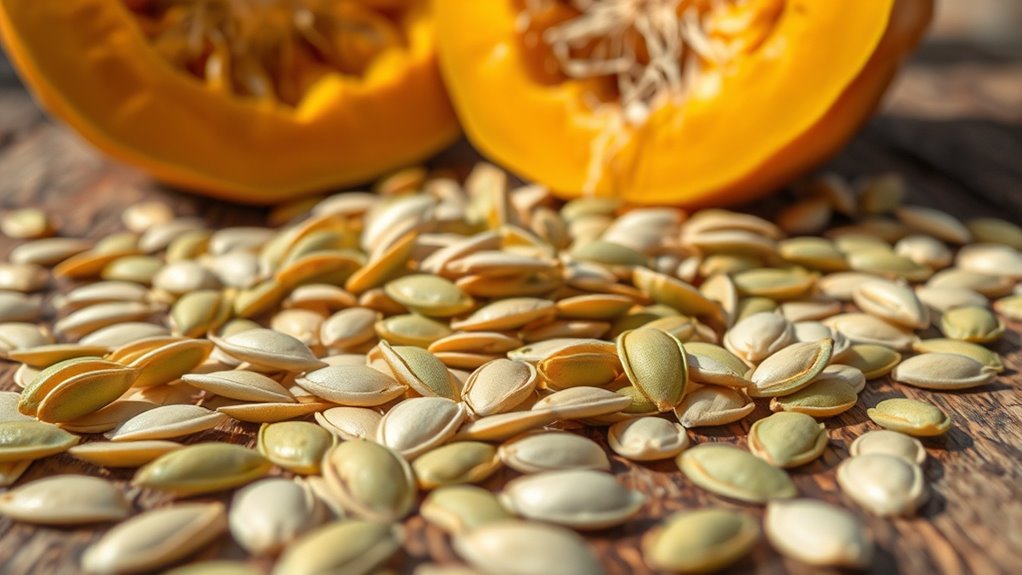
Can You Eat Whole Pumpkin Seeds?
Many people love snacking on pumpkin seeds, but wondering if they’re safe to eat whole can be confusing. You’re not alone—most of us want to enjoy their crunch without worrying about health risks.
You can safely eat whole pumpkin seeds if you prepare them properly. It’s best to rinse the seeds thoroughly and roast or dry them at moderate temperatures to reduce any bacteria or contamination risks.
Keep in mind, consuming too many may cause digestive issues or allergies, especially if you have seed allergies. Moderation is key to enjoying their health benefits without side effects.
If you want to find simple ways to prepare and enjoy pumpkin seeds, keep exploring.
Key Takeaways
Yes, whole pumpkin seeds are edible when properly prepared and cooked.
Raw seeds have hard shells that might cause safety or digestion issues, so roasting is recommended. Make sure to wash seeds thoroughly to remove dirt and bacteria before eating.
Remember, moderation is important to avoid digestive discomfort or consuming too many calories. Be aware of potential allergies and surface contaminants when eating whole pumpkin seeds.
Can You Safely Eat Whole Pumpkin Seeds?
You can safely eat whole pumpkin seeds, but it’s important to prepare them properly. Raw seeds have a hard shell that might be unsafe if not cleaned or roasted correctly.
To reduce risks, wash the seeds thoroughly to remove dirt and bacteria. Then roast or dry them at a moderate temperature. This helps lower safety concerns like contamination or choking hazards.
Wash seeds thoroughly and roast at moderate temperatures to ensure safety and reduce choking risks.
Eating unprepared seeds can cause digestive issues like stomach discomfort or indigestion, especially in large amounts. The tough shells can be hard to digest, leading to bloating or constipation in some people.
If you have sensitive digestion or gastrointestinal issues, consider removing the shells or eating peeled seeds. Proper prep not only makes them safer but also easier to digest.
When handled right, pumpkin seeds are a healthy, nutritious snack. Proper preparation boosts safety and digestibility, making them a great addition to your diet.
What Are the Nutritional Benefits of Whole Pumpkin Seeds?
You’ll notice that whole pumpkin seeds are loaded with important nutrients that can really help your body out. They’re especially great for your heart because they contain healthy fats and magnesium, which are both good for your cardiovascular health.
Adding them to your diet is an easy way to give your nutrition a little boost without much effort. Plus, they’re a tasty snack that can fit into many different meals!
Rich Source of Nutrients
Whole pumpkin seeds are a powerhouse of nutrients, making them an excellent addition to a healthy diet. They offer impressive nutrient density, providing essential vitamins and minerals in small servings.
You’ll find magnesium, zinc, iron, and potassium, which support various bodily functions. They’re also rich in healthy fats, including omega-3 and omega-6 fatty acids, contributing to overall health benefits.
Moreover, pumpkin seeds contain protein and fiber, which promote satiety and digestive health. This combination of nutrients helps boost your immune system, maintain energy levels, and support bone health.
Because of their concentrated nutrient profile, incorporating pumpkin seeds can improve your diet without adding excessive calories. They’re a simple, tasty way to harness the nutritional benefits that promote your overall well-being.
Supports Heart Health
Pumpkin seeds pack a punch when it comes to supporting heart health, thanks to their rich supply of beneficial nutrients. They contain heart-healthy fats that can help lower bad cholesterol and boost your overall cardiovascular health.
Including pumpkin seeds in your diet may help reduce your risk of heart disease and improve circulation. Their magnesium content also supports healthy blood pressure levels.
To better understand, consider this:
| Nutrients | Heart Benefits |
|---|---|
| Heart-healthy fats | Lower cholesterol and improve artery health |
| Magnesium | Regulates blood pressure |
| Zinc | Supports immune and cardiovascular health |
| Antioxidants | Reduce inflammation and protect arteries |
| Fiber | Helps manage cholesterol levels |
Adding pumpkin seeds to your snacks is an easy, natural way to boost your heart health.
Are There Risks or Precautions When Eating Pumpkin Seeds?
Pumpkin seeds are pretty healthy, but it’s good to be aware of a few things. If you have allergies to nuts or seeds, you might want to be cautious because pumpkin seeds could trigger a reaction.
Also, like with anything, eating too many can cause some tummy troubles or give you more calories than you realize. So, it’s best to enjoy them in moderation and keep an eye out for any unusual symptoms after eating.
Potential Allergic Reactions
Although pumpkin seeds are generally safe to eat, some people might have allergic reactions. Keep an eye out for symptoms like itching, swelling, or difficulty breathing.
If you’re allergic, be aware of cross reactivity concerns, especially if you’re allergic to other seeds or nuts. This can increase your risk of a reaction.
Skin reactions such as hives may occur in sensitive individuals. In severe cases, reactions like anaphylaxis require immediate medical attention.
If you know you’re allergic to seeds or nuts, it’s best to talk to your doctor before trying pumpkin seeds. Staying cautious helps you enjoy them safely without unexpected health issues.
Excessive Intake Risks
Eating pumpkin seeds in moderation is generally safe, but eating too many can cause health problems.
Too many seeds might lead to digestive issues like bloating, constipation, or stomach discomfort because of their high fiber content. Overeating can also mean consuming too many calories and fats, which might cause weight gain.
Pumpkin seeds contain compounds like phytates that can interfere with mineral absorption if eaten excessively.
The key is moderation—sticking to reasonable portions helps you enjoy their health benefits without side effects. Always pay attention to how your body reacts and avoid overindulgence to keep your diet balanced and healthy.
How Can You Prepare Whole Pumpkin Seeds for Snacking?
Preparing whole pumpkin seeds for snacking is simple and customizable. To start, rinse the seeds thoroughly to remove any pulp, then dry them completely.
Once dry, you can move on to seasoning. Choose your favorite options to make your snack just how you like it.
Here are four easy steps:
- Spread the seeds evenly on a baking sheet.
- Toss them with a light coating of oil—olive or coconut works well.
- Add your preferred seasonings, like salt, paprika, garlic powder, or cinnamon.
- Roast in the oven at 350°F (175°C) for 10-15 minutes, stirring occasionally.
This process helps you create a tasty, healthy snack tailored to your flavor preferences.
Experiment with different seasonings to keep things interesting. Once roasted, let the seeds cool slightly before enjoying your homemade treat.
Best Ways to Roast Pumpkin Seeds at Home
Roasting pumpkin seeds at home is simple and lets you enjoy their rich, nutty flavor and crispy texture. Start by rinsing and drying the seeds thoroughly.
Toss them in a little oil and pick your favorite seasonings—salt, paprika, cinnamon, or garlic powder all work well. Spread the seeds in a single layer on a baking sheet for even roasting.
You can roast at 350°F for 15-20 minutes, stirring halfway through. Or try a lower temperature for a longer time if you want them crunchier. Keep an eye on them to prevent burning.
| Seasoning Options | Roasting Techniques | Tips |
|---|---|---|
| Salt, spices | 350°F for 15-20 min | Stir halfway through |
| Cinnamon, sugar | Low temp longer | Dry seeds thoroughly |
| Garlic powder | Use parchment paper | Cool before eating |
How Do Whole Pumpkin Seeds Compare to Shelled or Seeded Variants?
Have you ever wondered how whole pumpkin seeds compare to their shelled or seedless counterparts? Whole seeds include the shell, which offers certain benefits like added fiber and some protection during processing.
Nutritional differences are minimal—shells contain fiber and antioxidants, while the seed interior provides healthy fats and minerals. Regarding culinary uses, whole seeds add a satisfying crunch and texture contrast, perfect for snacks or salads.
Shelled seeds are more versatile for baking, blending into smoothies, or grinding into pastes. Digestion factors also vary; whole seeds take longer to digest due to the shell, which can help digestion or cause discomfort for some.
Conversely, shelled seeds are easier to chew and digest quickly. Ultimately, choosing between whole pumpkin seeds and shelled options depends on your culinary goals and digestion preferences.
Can Pumpkin Seeds Improve Your Overall Health?
Eating pumpkin seeds can do a lot for your overall health because they’re packed with nutrients like magnesium, zinc, and healthy fats. These goodies help support your immune system, keep your heart happy, and might even give your mood a little boost.
Adding pumpkin seeds to your diet is a pretty easy way to enjoy these potential health perks. Whether you sprinkle them on yogurt, toss them into salads, or just snack on a handful, it’s a simple step toward feeling better all around.
Nutritional Benefits of Pumpkin Seeds
Because they are packed with essential nutrients, pumpkin seeds can greatly boost your overall health. Their nutrient profile includes healthy fats, protein, fiber, vitamins, and minerals, making them a versatile snack.
Here are some key health benefits:
- Rich in Magnesium: Supports muscle function and bone health.
- High in Zinc: Boosts immune health and helps with wound healing.
- Contains Antioxidants: Helps reduce inflammation and oxidative stress.
- Provides Healthy Fats: Promotes heart health and helps maintain cholesterol levels.
Potential Health Boosters
Pumpkin seeds can serve as a simple yet effective way to improve your overall health, thanks to their rich nutrient profile. The pumpkin seed benefits include high levels of magnesium, zinc, and antioxidants, which support immune function, boost energy, and reduce inflammation.
These health-boosting properties may help lower the risk of chronic diseases like heart disease and diabetes. The seeds also contain healthy fats that promote brain health and improve mood.
Consuming pumpkin seeds regularly can enhance your digestive health due to their fiber content. Plus, they’re convenient to incorporate into your diet — sprinkle them on salads, yogurt, or enjoy them as a snack.
Which Diets Benefit Most From Eating Pumpkin Seeds?
If you’re following a diet focused on nutrient density and healthy fats, pumpkin seeds can be a valuable addition. They offer keto benefits with high healthy fat content and provide vegetarian protein, making them perfect for plant-based diets. Plus, they serve as vegan sources of essential minerals and nutrients.
You’ll also find them in gluten-free snacks, fitting seamlessly into gluten-sensitive diets. For paleo options, pumpkin seeds are an easy, natural choice that aligns with caveman-style eating.
Here’s why they’re beneficial:
- Boost your keto benefits by adding healthy fats and antioxidants.
- Incorporate them as vegan sources of magnesium, zinc, and iron.
- Use as gluten-free snacks that satisfy without gluten.
- Improve paleo meals with a natural, nutrient-rich seed.
Pumpkin seeds are versatile, filling, and packed with nutrients, making them an excellent addition to many diet plans.
How Much Pumpkin Seeds Should You Eat Daily?
Wondering how much pumpkin seeds you should include in your daily diet? The recommended daily serving is about one ounce, or roughly a quarter cup. This amount provides a healthy dose of nutrients like magnesium, zinc, and healthy fats without overdoing it.
For most people, this is considered the ideal intake to enjoy the health benefits while avoiding excess calories. If you’re watching your calorie intake or have specific health concerns, you might want to adjust your portion sizes accordingly.
Keep in mind that pumpkin seeds are calorie-dense, so moderation is key. Incorporate this daily serving into your snacks or meals to boost your nutrient intake naturally.
Creative Ways to Use Whole Pumpkin Seeds in Your Meals
Incorporating whole pumpkin seeds into your meals adds a crunchy texture and nutty flavor that can enhance simple dishes. You can get creative with pumpkin seed recipes by adding them as toppings or ingredients.
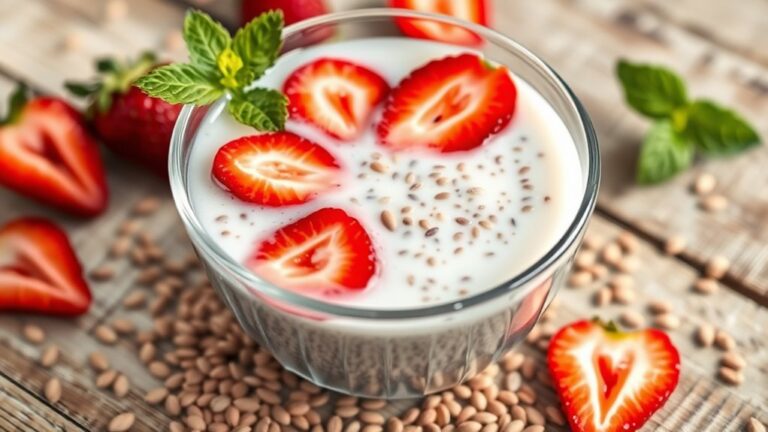
Here are some ideas: sprinkle them on salads for extra crunch and flavor. Use pumpkin seeds as a topping on yogurt or oatmeal for added texture. Mix them into homemade granola or energy bars for a nutritious boost.
Roast pumpkin seeds with spices to create savory toppings for soups or roasted vegetables. These ideas make it easy to include pumpkin seeds in your daily routine. They add flavor, healthy fats, and protein to your meals.
Experiment with different spices and combinations to keep your dishes exciting. Using whole pumpkin seeds as creative toppings transforms ordinary meals into delicious, nutrient-packed dishes.
Frequently Asked Questions
Are There Any Allergies Associated With Eating Whole Pumpkin Seeds?
Yes, there are potential allergies linked to eating whole pumpkin seeds. You might have a pumpkin seed allergy, which can cause symptoms like itching, swelling, or trouble breathing.
If you already know you’re allergic to seeds or notice any adverse reactions after eating pumpkin seeds, it’s best to avoid them. And it’s always a good idea to talk with a healthcare professional if you’re unsure.
Keep an eye on how your body responds to new foods to avoid unexpected allergic reactions.
Can Pumpkin Seeds Help With Specific Health Conditions?
Yes, pumpkin seeds can help with specific health conditions because of their nutritional benefits. They may support prostate health, improve sleep, and boost immunity.
But it’s important to be aware of potential risks like allergies or eating too much. Excessive intake might cause digestive issues or lead to weight gain.
Including pumpkin seeds in a balanced diet can help you enjoy their benefits while avoiding possible downsides. They can be a healthy addition for many health concerns.
Do Pumpkin Seeds Contain Any Harmful Pesticides or Contaminants?
Sure, enjoy your pumpkin seeds, but don’t forget—those seeds might be hiding pesticide residues thanks to less-than-ideal seed processing.
Sadly, pesticides can cling to the shells, turning your snack into a tiny chemical cocktail.
To minimize risk, opt for organic varieties or thoroughly wash and roast your seeds.
After all, what’s more fun than munching on seeds that won’t turn your insides into a pesticide playground?
How Long Can You Store Whole Pumpkin Seeds Safely?
You can store whole pumpkin seeds for up to a year if you follow proper storage tips. Keep them in an airtight container in a cool, dark place to help maintain their freshness.
Look for signs of freshness like a mild, nutty aroma and a firm texture. Avoid exposing seeds to moisture or sunlight, as these can cause spoilage.
Make sure to regularly check your stored seeds for any mold or off-odor to ensure they’re still safe to eat.
Are Organic Pumpkin Seeds More Nutritious Than Non-Organic?
Organic pumpkin seeds generally offer a better nutrient comparison than non-organic ones because they’re cultivated without synthetic pesticides or fertilizers, which helps preserve natural nutrients. Sourcing practices also matter; organic seeds often come from farms committed to sustainable methods, potentially boosting their nutritional value.
Conclusion
Eating whole pumpkin seeds is safe and offers many health benefits, from boosting nutrition to enhancing your snacks. Just remember, moderation is key. Too much of a good thing can sometimes backfire.
You can get creative with how you incorporate them into your diet, whether roasted or added to meals. With mindful consumption, you can enjoy these tasty seeds guilt-free and support your overall well-being.
So go ahead, seed your way to healthier habits with whole pumpkin seeds!