Benefits of Pumpkin Seeds Cats Can Eat
Many cat owners feel overwhelmed trying to find healthy treats that actually benefit their feline friends. You’re not alone—navigating what’s safe and nutritious can be tricky.
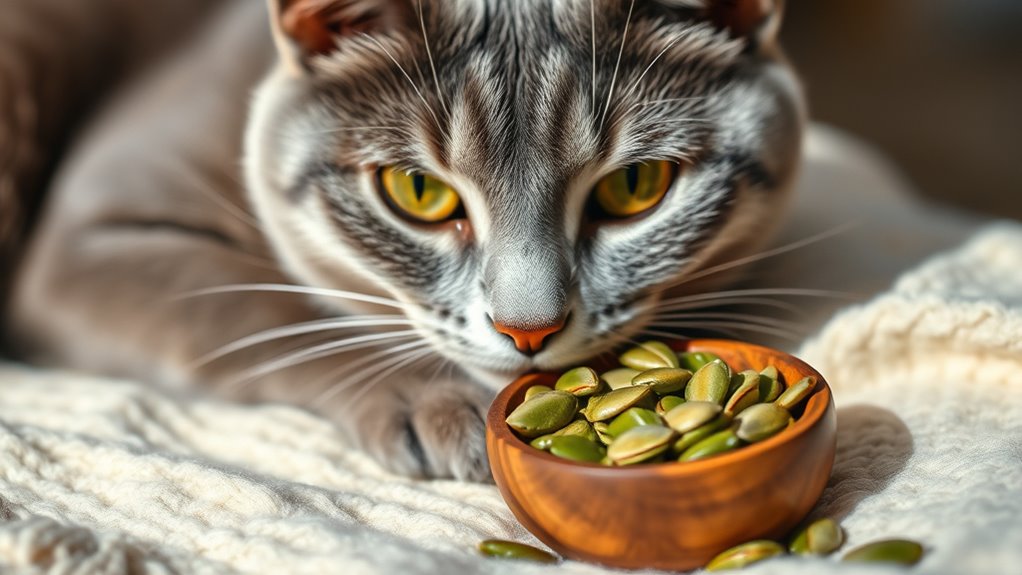
Pumpkin seeds can be beneficial for your cat’s health when given safely and in moderation. They provide essential nutrients like magnesium, zinc, and iron that support immunity and cellular functions.
The fiber aids digestion, while healthy fats improve skin and coat condition. Some evidence suggests pumpkin seeds may help with parasite control, but you should always consult your vet before introducing them.
To uncover more tips on safe feeding and how to include these seeds properly, keep exploring the topic.
Key Takeaways
- Pumpkin seeds provide essential nutrients like magnesium, zinc, and iron, supporting your cat’s immune health and cellular functions.
- They help with digestion and promote regular bowel movements thanks to their high fiber content.
- The healthy fats in pumpkin seeds can improve your cat’s skin and coat, keeping fur shiny and skin hydrated.
- Pumpkin seeds might help reduce parasites and boost the immune system, but they should be used as a supplement, not a primary treatment.
- When served plain and in moderation, pumpkin seeds can be a nutritious treat that supports overall feline health.
Are Pumpkin Seeds Safe for Cats? What You Need to Know
While pumpkin seeds can offer health benefits for cats, it’s important to know whether they’re safe to give your feline friend. Pumpkin seed benefits include supporting digestion, reducing parasites, and providing essential nutrients like magnesium and zinc.
However, feline dietary considerations are vital. Not all seeds are suitable for cats, especially if they’re salted, seasoned, or roasted with additives, which can harm your pet.
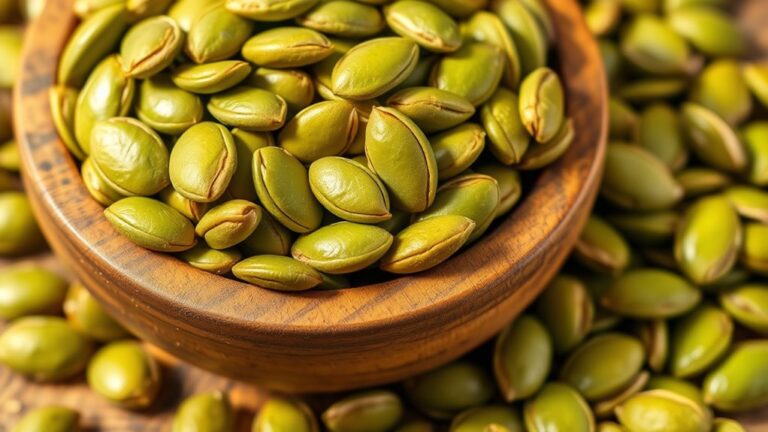
Raw or plain pumpkin seeds are safer options, but they should be offered in moderation. Always remove shells to prevent choking or digestive issues, and consult your veterinarian before introducing pumpkin seeds into your cat’s diet.
While some cats tolerate small amounts well, others might experience gastrointestinal upset. Remember, pumpkin seeds should complement a balanced diet, not replace primary nutrition.
Nutritional Benefits of Pumpkin Seeds for Your Cat’s Health
Pumpkin seeds are packed with essential nutrients that can support your cat’s overall health. They offer high nutrient density, meaning each serving provides a concentrated source of important vitamins and minerals like magnesium, zinc, and iron.
These nutrients are critical for maintaining your cat’s immune system, supporting healthy skin and coat, and ensuring proper cellular function. Plus, pumpkin seeds contain antioxidants that help fight free radicals, reducing oxidative stress and supporting long-term health.
Nutrients in pumpkin seeds boost immunity, promote healthy skin, and protect cells with powerful antioxidants.
The antioxidants, such as vitamin E and phytosterols, can help protect your cat’s cells from damage. Adding small amounts of pumpkin seeds into your cat’s diet can boost their nutritional intake without adding many calories.
Just remember to serve them plain, ground, or in moderation to get the most benefits and avoid any digestive upset. Overall, pumpkin seeds are a nutrient-dense treat that can naturally improve your cat’s health.
How Pumpkin Seeds Can Support Your Cat’s Digestion and Gut Health
The nutrients in pumpkin seeds can really help support your cat’s digestion and gut health. These seeds are packed with fiber, which keeps bowel movements regular and prevents constipation.
Pumpkin seeds may also boost the production of digestive enzymes, helping your cat break down food more easily. Adding small amounts of ground pumpkin seeds to their diet can promote better digestion and lessen stomach discomfort.
| Nutrients | Benefits for Digestion | How They Help |
|---|---|---|
| Fiber Content | Keeps bowel movements regular | Prevents constipation |
| Digestive Enzymes | Aids in food breakdown | Reduces indigestion |
| Healthy Fats | Supports gut lining | Maintains gut health |
| Antioxidants | Reduces inflammation | Protects gut tissue |
| Micronutrients | Boosts overall gut function | Promotes healthy flora |
Including pumpkin seeds in moderation can support your cat’s digestive health without overwhelming their system.
Do Pumpkin Seeds Promote a Healthy Coat and Skin?
Because pumpkin seeds are packed with essential nutrients, they can help boost your cat’s coat and skin health. The healthy fats, zinc, and antioxidants promote a shiny, vibrant coat, making your cat look sleeker and healthier.
These nutrients also help keep your cat’s skin hydrated, reducing dryness and irritation. When given in moderation, pumpkin seeds can strengthen the skin’s barrier, helping your cat resist environmental stressors.
Keeping your cat’s skin hydrated and resilient against environmental stressors with moderate pumpkin seed servings.
The omega fatty acids make the skin softer and more supple. Plus, antioxidants fight free radicals that can cause aging and dullness. Regular small servings of pumpkin seeds can improve coat quality and support overall skin health.
Just be sure to grind the seeds or serve them in small, manageable pieces to prevent choking and ensure proper digestion. Incorporating pumpkin seeds into your cat’s diet is an easy way to promote a glossy coat and well-hydrated skin, boosting their appearance and comfort.
Can Pumpkin Seeds Help With Parasite Control in Cats?
You might be curious if pumpkin seeds can help with parasites in your cat. Some folks say they might offer some benefits, but it’s really important to know how to feed them the right way so you don’t give too much. Let’s take a look at whether pumpkin seeds could be a safe and helpful part of your cat’s parasite control routine.
Potential Parasite Benefits
Many pet owners turn to natural remedies to control parasites, and pumpkin seeds are often recommended as a safe, holistic option. While they’re not a guaranteed natural dewormer, pumpkin seeds contain compounds like cucurbitacin that may help reduce parasite loads.
They can also serve as an immune booster, supporting your cat’s natural defenses against infestations. Some believe that regularly adding pumpkin seeds to your cat’s diet might help prevent future parasite issues by promoting overall health.
However, it’s crucial to remember that pumpkin seeds alone shouldn’t replace veterinary treatments. Used as a complementary supplement, pumpkin seeds can contribute to a holistic approach, but always check with your vet for effective parasite control and your cat’s safety.
Proper Feeding Guidelines
While pumpkin seeds may offer some health benefits for cats, it’s important to feed them correctly to avoid potential risks. Focus on proper portion control and feeding frequency.
Offer a small, manageable amount of pumpkin seeds, such as a few crushed seeds, no more than once or twice a week. Avoid overfeeding, as too many seeds can cause digestive upset or weight gain.
Always introduce pumpkin seeds gradually and monitor your cat’s response. Confirm the seeds are plain, unsalted, and free from additives.
How to Prepare and Serve Pumpkin Seeds Safely to Your Cat
To serve pumpkin seeds safely to your cat, start by removing the shells first. It’s best to roast them plain—no added salt or seasoning, just plain pumpkin seeds. Keep the portions small, like about a teaspoon for your kitty, so you don’t give too much at once.
Once they’re ready, store any leftovers in an airtight container in a cool, dry place. Proper prep and storage make sure your cat gets the benefits of pumpkin seeds without any health risks. Just remember, it’s always a good idea to check with your vet before adding anything new to your cat’s diet!
Proper Seed Preparation Methods
Before offering pumpkin seeds to your cat, it’s important to prepare them properly to ensure safety and maximum benefit. Start by choosing the right seed types—preferably raw, unsalted, and organic seeds.
Use simple steps: rinse the seeds thoroughly, remove any remaining pulp, and dry them completely. Roasting is optional; if you decide to roast, do so at a low temperature without any seasoning.
Avoid salted, spiced, or flavored seeds, as these can be harmful to your cat. Here’s a quick overview:
| Seed Types | Preparation Techniques |
|---|---|
| Raw pumpkin seeds | Rinse, dry, and serve plain |
| Roasted pumpkin seeds | Roast at low temperature, no seasoning |
| Organic seeds | Follow the same steps for safety |
| Salted or spiced seeds | Avoid these—they can be toxic |
| Pulp-free seeds | Make sure no pulp remains for safety |
Suitable Serving Sizes
Determining the right serving size is important when introducing pumpkin seeds to your cat’s diet. Start with small portions, like a teaspoon of crushed seeds, to prevent overwhelming their system.
You can mix the crushed seeds into their regular food or give a tiny treat now and then. Keep portion sizes in check because too much can upset your cat’s digestion or cause discomfort.
Always watch how your cat responds after trying pumpkin seeds and adjust the amount if needed. Remember, pumpkin seeds should enhance a balanced diet, not replace it.
If you’re unsure about how much to give, it’s best to ask your vet for personalized advice. Keeping portion sizes appropriate ensures your cat benefits from pumpkin seeds without health risks.
Safe Storage Practices
Making sure pumpkin seeds are stored properly is essential for maintaining their freshness and safety for your cat. To maximize shelf life and prevent spoilage, follow these steps:
Use airtight storage containers to keep out moisture and pests. Store seeds in a cool, dry place away from direct sunlight.
Label containers with the date of roasting or preparation to track freshness. Check seeds regularly for signs of mold or rancidity before serving your cat.
Proper storage not only preserves flavor but also prevents bacteria growth. By keeping pumpkin seeds in the right containers and environments, you ensure they stay safe for your cat longer.
This attention to storage helps prevent waste and makes sure your feline friend enjoys fresh, healthy treats.
What Is the Safe Amount of Pumpkin Seeds for Cats?
What is the safe amount of pumpkin seeds for cats? Generally, a small teaspoon of plain, unsalted pumpkin seeds is enough to enjoy the benefits without overdoing it. Since pumpkin seeds are nutrient-dense, moderation is key to fitting within your cat’s diet.
Too many can cause stomach upset or weight gain, so always start with a tiny amount and watch how your cat responds. The goal is to provide health benefits like improved digestion and parasite prevention without risking any adverse effects.
Keep in mind that pumpkin seeds should be given as an occasional treat, not a regular part of their diet. If you’re unsure about the right portion size for your cat, talk to your veterinarian.
They can give personalized advice based on your cat’s age, weight, and health. Remember, moderation is key to ensuring your feline friend gets the benefits safely.
Signs of Allergic Reactions and Potential Risks of Feeding Pumpkin Seeds
While pumpkin seeds can offer health benefits for cats, it’s important to watch for signs of allergic reactions or adverse effects. Some cats may develop allergy symptoms after eating pumpkin seeds, especially if they have underlying risk factors. Be alert to these signs:
- Itching or swelling around the face, ears, or paws
- Persistent sneezing, coughing, or respiratory issues
- Vomiting or diarrhea after ingestion
- Unusual lethargy or behavioral changes
Knowing the risk factors helps prevent problems. Cats with prior food allergies or sensitivities are more prone to allergic reactions. Feeding pumpkin seeds in large amounts can also cause gastrointestinal upset or choking. Always introduce new treats gradually and watch your cat closely.
If you notice any allergy symptoms or adverse reactions, stop feeding pumpkin seeds immediately and see your vet. Recognizing these signs early can help protect your cat from potential health issues related to pumpkin seed consumption.
Tips for Incorporating Pumpkin Seeds Into Your Cat’s Diet
Thinking about adding pumpkin seeds to your cat’s diet? It’s a good idea to start small. Offer just a tiny amount of crushed seeds to see how your kitty responds. You can mix the crushed seeds into their regular food — it’s a simple way to include them without much fuss.
Just keep an eye on your cat while they’re trying it out. Watch for any signs of allergies or discomfort, like itching, vomiting, or diarrhea. If everything seems fine, you can gradually include pumpkin seeds as a healthy treat. Remember, moderation is key to making sure your furry friend enjoys the benefits safely!
Proper Serving Sizes
When adding pumpkin seeds to your cat’s diet, it’s important to keep portions small to avoid overfeeding. Proper serving sizes help your cat enjoy the benefits without digestive problems or extra calories.
Here are some guidelines to help with portion control:
- Offer no more than 1-2 pumpkin seeds per 10 pounds of your cat’s weight each day.
- Always remove shells to prevent choking and help with digestion.
- Crush or grind the seeds for easier eating.
- Limit treats with pumpkin seeds to a few times a week, not every day.
Incorporate in Meals
Incorporating pumpkin seeds into your cat’s meals can be simple and effective with a few practical tips. Start by grinding the seeds into a fine powder so they blend easily into your cat’s food, making sure they get the health benefits without any texture issues.
You can sprinkle the ground pumpkin seeds onto your cat’s regular kibble or mix them into homemade meals like wet food or purees. For recipe ideas, try adding a small amount of pumpkin seed powder to a spoonful of canned tuna or chicken.
Keep portions small, about a teaspoon per meal, so you don’t overdo it. Incorporating pumpkin seeds this way makes it easy to boost your cat’s diet without complicated prep work, helping them enjoy the nutritional benefits effortlessly.
Monitor for Reactions
Although pumpkin seeds are generally safe for cats, it’s important to watch for any bad reactions when you introduce them. Monitoring helps ensure your cat tolerates the seeds well. Keep an eye out for allergy symptoms like itching, swelling, vomiting, or diarrhea.
To do this effectively, start with small amounts and closely observe your cat. Check for any signs of discomfort or unusual behavior. It’s also helpful to record any allergy symptoms or reactions you notice.
If you see any adverse effects, stop feeding pumpkin seeds immediately. Staying alert will help keep your cat safe and healthy.
Consult Your Veterinarian Before Adding Pumpkin Seeds to Your Cat’s Diet
Before adding pumpkin seeds to your cat’s diet, it’s really important to talk to your veterinarian. They can help you understand your cat’s specific health needs and if pumpkin seeds are a good fit.
Not all cats react the same way, especially if they have health issues or sensitivities. Your vet can recommend the right portion size and how often to give them, helping you avoid overfeeding or digestion problems.
They’ll also confirm if pumpkin seeds are safe for your cat, especially if your kitty is on medication or has existing health concerns. Remember, treats should complement a balanced diet, not replace it.
Getting professional advice ensures you’re making safe, informed choices. Consulting your vet before introducing pumpkin seeds helps protect your cat’s overall health and well-being.
Frequently Asked Questions
Can Pumpkin Seeds Replace Traditional Cat Treats?
No, pumpkin seeds shouldn’t replace traditional cat treats.
While pumpkin seed nutrition offers health benefits like fiber and antioxidants, they aren’t formulated for feline dietary needs.
Use pumpkin seeds as an occasional supplement or a treat, but stick to treats designed specifically for cats.
This helps ensure your cat gets balanced nutrition and avoids potential digestive issues.
Always check with your vet before adding new treats to your cat’s diet.
Are There Specific Pumpkin Seed Types Better for Cats?
You’ll want to choose hulled, raw pumpkin seeds over roasted or salted ones for your cat’s health benefits. Raw seeds keep more nutrients, which help with digestion and boost the immune system.
Avoid seeds with added flavors or preservatives, as these can be harmful to your feline friend. Proper seed preparation—cleaning and crushing—makes it easier for your cat to digest and gets the most health benefits.
This way, your cat can enjoy a safe, nutritious treat without any worries.
How Often Can I Safely Feed Pumpkin Seeds to My Cat?
You can safely feed pumpkin seeds to your cat a few times a week, but moderation is key. Start with small amounts to see how your feline handles the pumpkin seed nutrition, which provides fiber and antioxidants.
Too many seeds can upset their digestion or lead to obesity. Always try to remove the shells if possible, as they can be hard for cats to digest.
It’s a good idea to check with your vet for personalized advice. Giving limited, regular treats ensures your cat gets the benefits without overdoing it.
Do Pumpkin Seeds Affect Cats With Existing Health Conditions?
Pumpkin seeds can affect cats with existing health conditions, so you should always check with your vet before giving them to your cat. If your cat has health issues like kidney problems or allergies, pumpkin seeds might pose risks or cause adverse reactions.
While pumpkin seeds can offer benefits like fiber and nutrients, it’s important to make sure they don’t interfere with your cat’s health. Moderation and professional advice are key to feeding safely.
Can Pumpkin Seeds Be Used as a Natural Remedy for Urinary Issues?
You might be surprised to learn that pumpkin seeds contain compounds that support urinary health, making them a potential natural remedy for urinary issues in cats.
These seeds are rich in nutrients that can help reduce inflammation and promote better bladder function. Incorporating small, carefully prepared amounts of pumpkin seeds into your cat’s diet could help manage urinary problems naturally.
Just be sure to check with your vet first to guarantee it’s safe for your furry friend.
Conclusion
Incorporating pumpkin seeds into your cat’s diet could be a game-changer, transforming their health faster than you can blink!
With the right amount, you might discover a secret weapon against digestive woes, dull coats, and pesky parasites.
But remember, always chat with your vet first because this tiny seed holds the power to turn your feline friend into the healthiest, happiest cat in the universe.
Don’t wait—your cat’s incredible transformation with the benefits of pumpkin seeds starts now!