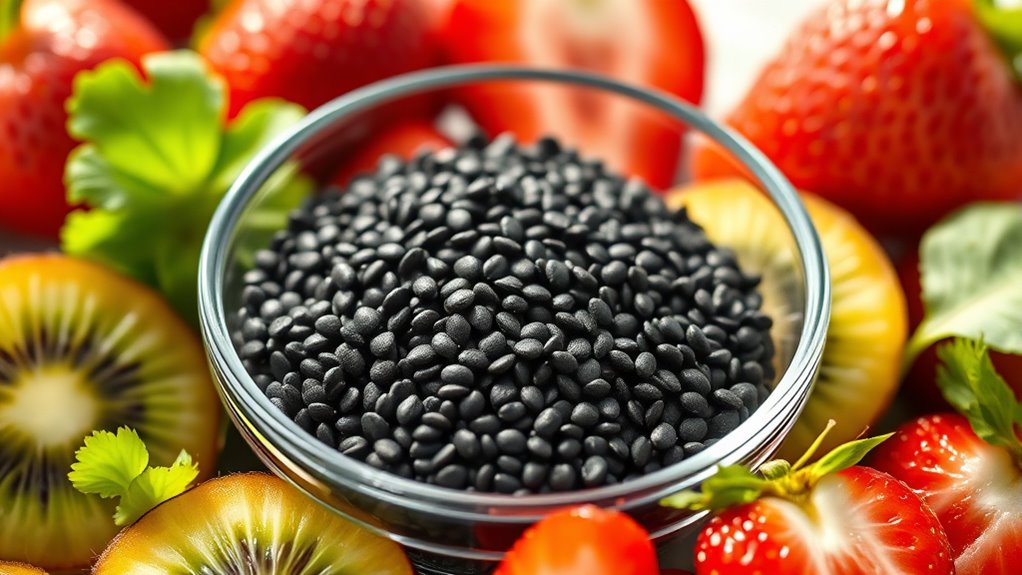
What Are the Good Health Benefits of Chia Seeds for You?
Are you looking for simple ways to boost your health without overhauling your entire diet? Many people struggle with finding nutritious snacks that fit into a busy lifestyle. Luckily, chia seeds are a superfood you can easily incorporate to support your wellness goals.
Chia seeds are a superfood packed with nutrients like fiber, omega-3s, and essential minerals that support your health. They boost heart health, improve digestion, and help manage weight by keeping you full.
Their energy-stabilizing qualities make them great for workouts, and they’re suitable for vegan and gluten-free diets.
Incorporating them into your meals is easy, and with proper storage, they stay fresh. Keep exploring to uncover even more benefits you can enjoy!
Key Takeaways
- Chia seeds are packed with fiber, omega-3s, and essential minerals that support your overall health and boost nutrient intake.
- They help keep your heart healthy by reducing inflammation, lowering cholesterol, and improving circulation.
- Their high fiber content makes digestion easier, helps stabilize blood sugar, and supports weight management.
- Chia seeds provide lasting energy and assist with muscle recovery, making them great for athletes.
- Easy to add to your meals, they fit well into vegan, gluten-free, and allergy-sensitive diets.
What Are Chia Seeds and Why Are They Considered a Superfood?
Chia seeds are tiny, nutrient-packed seeds that come from the Salvia hispanica plant, native to Central America. Their origins go back to ancient civilizations like the Aztecs and Mayans, who valued them for energy and endurance.
Today, they’re considered a superfood because of their impressive nutritional profile and health benefits. Their superfood status comes from high levels of fiber, omega-3 fatty acids, antioxidants, and essential minerals—all packed into a small seed.
You can easily add chia seeds to your diet. Mix them into smoothies, yogurt, or oatmeal, or use them as an egg substitute in baking. Their versatility and dense nutrients make them popular among health-conscious folks.
Knowing about their history helps you appreciate their long use, while understanding why they’re called a superfood explains why they’re celebrated worldwide today.
Chia Seeds Nutrition Facts: What Makes Them So Healthy?
The nutritional profile of chia seeds is what truly sets them apart as a health-boosting superfood. Rich in fiber, protein, omega-3 fatty acids, and essential minerals like calcium and magnesium, they deliver impressive benefits for your overall health.
Chia seeds are nutrient-dense superfoods rich in fiber, protein, omega-3s, calcium, and magnesium for optimal health.
These tiny seeds are low in calories but packed with nutrients, making them an efficient addition to your diet. The history of chia seeds traces back to ancient Mayan and Aztec civilizations, where they were valued as a crucial energy source.
Today, their popularity endures because of their remarkable nutrition content. When you incorporate chia seeds into your meals, you’re tapping into a powerful source of antioxidants and plant-based omega-3s.
Their unique combination of nutrients supports digestion, boosts your energy, and promotes overall wellness. Understanding what makes chia seeds so healthy helps you appreciate their role in a balanced diet, elevating your health naturally with every spoonful.
How Chia Seeds Support Heart Health and Circulation?
Because they are rich in omega-3 fatty acids, chia seeds can support your heart health and improve circulation. These healthy fats help reduce inflammation and lower bad cholesterol (LDL), which benefits your heart.
As your circulation improves, oxygen and nutrients flow more efficiently throughout your body. This boost in circulation can increase your energy and overall health.
Here’s a quick look at how chia seeds promote heart health and circulation:
| Benefit | How It Helps |
|---|---|
| Omega-3 Fatty Acids | Reduce inflammation and support heart function |
| Fiber | Lower cholesterol and improve blood flow |
| Antioxidants | Protect arteries from damage |
| Magnesium | Regulate blood pressure |
| Circulation Boost | Improve nutrient delivery and oxygen flow |
How Chia Seeds Aid Digestion and Gut Health?
Since they are high in soluble fiber, chia seeds can significantly boost your digestion and gut health. Their fiber helps absorb water, creating a gel-like substance that keeps things moving smoothly and prevents constipation.
This gel also feeds the good bacteria in your gut, known as the microbiome. As these bacteria ferment the fiber, they produce short-chain fatty acids that help keep your gut lining healthy and reduce inflammation.
Adding chia seeds regularly to your diet can improve how well your body absorbs nutrients and promote a balanced gut environment. Plus, the fiber slows down digestion, which helps stabilize blood sugar levels and prevents sudden hunger spikes.
Can Chia Seeds Help With Weight Management?
Have you ever wondered how chia seeds might support your weight management goals? These tiny seeds can be a helpful tool for weight loss by promoting appetite control.
When you soak chia seeds, they form a gel-like consistency that helps you feel full longer, reducing the urge to snack between meals. This makes healthy snacking easier and more satisfying.
You can also use chia seeds as a meal replacement or add them to smoothies and yogurt, helping you cut calories without sacrificing nutrition.
Their fiber content slows digestion, keeping hunger at bay and stabilizing blood sugar levels. Incorporating chia seeds into your diet encourages mindful eating and prevents overeating.
While they aren’t magic, chia seeds are a convenient, nutrient-dense addition to a balanced weight management plan. With consistent use, they can support your efforts to shed pounds and maintain a healthier weight over time.
What Minerals and Antioxidants Are in Chia Seeds?
Chia seeds are packed with essential minerals and powerful antioxidants that support your overall health. Their mineral content includes calcium, magnesium, phosphorus, and potassium, which are crucial for strong bones, muscle function, and energy production.
These nutrients help maintain proper nerve function and promote overall cellular health. Plus, chia seeds contain trace minerals like zinc, copper, and manganese, which support your immune system and enzyme activity.
Their antioxidant properties come from compounds such as chlorogenic acids, flavonoids, and caffeic acid. These help neutralize free radicals, reducing oxidative stress and potentially lowering your risk of chronic diseases.
The antioxidants also benefit your skin health and slow down aging processes. Including chia seeds in your diet gives you a natural source of these essential minerals and antioxidants.
They help strengthen your immune system and protect your body from oxidative damage. Thanks to their nutrient profile, chia seeds are a valuable addition to a balanced, healthy lifestyle.
How Chia Seeds Boost Energy and Athletic Performance?
When you add chia seeds to your diet, you’ll notice a steady release of energy that helps you stay active for longer periods. They’re like little fuel packets that give you that extra boost when you need it most. Plus, the nutrients in chia seeds can help your muscles recover quicker after exercise, so you’re ready to get back to your workout sooner. Overall, they’re a smart choice if you’re looking to boost your stamina and speed up recovery.
Sustained Energy Release
Because of their high fiber and healthy fat content, chia seeds provide a slow and steady release of energy. This makes them a great choice for staying powered up during physical activities.
They help you maintain your natural endurance and avoid energy crashes. When you eat chia seeds, your body gradually absorbs the nutrients, supporting a consistent energy flow.
This sustained energy release is especially helpful during long workouts or endurance events. Plus, the gel-like consistency of soaked chia seeds can help keep you feeling full longer.
Adding chia seeds to your diet can boost your stamina and focus, helping you perform your best for longer periods. For the best results, try mixing them into smoothies, yogurt, or oatmeal before your workouts.
Enhanced Muscle Recovery
Improved muscle recovery is key to staying at your best as an athlete, and chia seeds can help with that. Their high levels of omega-3 fatty acids and antioxidants help cut down inflammation and muscle soreness after tough workouts.
Chia seeds also boost muscle repair by promoting protein synthesis, which is crucial for rebuilding damaged tissues. Including them in your diet provides a steady stream of energy and nutrients for faster recovery.
The soluble fiber in chia seeds helps with hydration and nutrient delivery to your muscles, supporting the recovery process. By adding chia seeds to your post-workout routine, you can improve muscle repair, reduce downtime, and keep your performance on point over time.
Are Chia Seeds Suitable for Vegan, Gluten-Free, and Allergy-Friendly Diets?
Are chia seeds a safe choice for those following vegan, gluten-free, or allergy-friendly diets? Absolutely. Chia seed benefits extend to a variety of dietary needs, making them a versatile addition to your meals. They are naturally plant-based, gluten-free, and free from common allergens, supporting dietary inclusivity.
You can confidently include chia seeds if you’re vegan, as they come from a plant source. They’re also suitable for gluten-free diets, as they contain no wheat or gluten components. Furthermore, chia seeds are generally allergy-friendly, with minimal risk of allergic reactions for most people.
Consider these points:
- They’re plant-based, aligning with vegan dietary choices
- Naturally gluten-free, suitable for gluten-sensitive individuals
- Minimal allergenic potential, making them safe for many allergy sufferers
Incorporating chia seeds supports your health goals without compromising your dietary restrictions.
Easy Ways to Incorporate Chia Seeds Into Your Daily Routine?
Looking for simple ways to add chia seeds to your daily routine? You can easily include them in meals and snacks.
Start your day with a chia seed smoothie by blending fruit, milk, and a tablespoon of chia seeds for added fiber.
For a quick dessert or breakfast, make chia seed pudding by soaking seeds in milk overnight. Top with fresh fruit or nuts for extra flavor.
You can sprinkle chia seeds onto yogurt, oatmeal, or salads to boost nutrition. They also work well in baked goods or energy bars, providing a subtle crunch.
Here’s a quick guide:
| Method | Best For | Tips |
|---|---|---|
| Chia seed smoothies | Breakfast | Blend with fruits and liquids |
| Chia seed puddings | Snacks | Refrigerate overnight |
| Sprinkling on meals | Anytime | Add to yogurt or salads |
Incorporate these easy methods, and you’ll enjoy the health benefits without extra effort.
Tips for Buying, Storing, and Choosing the Best Chia Seeds
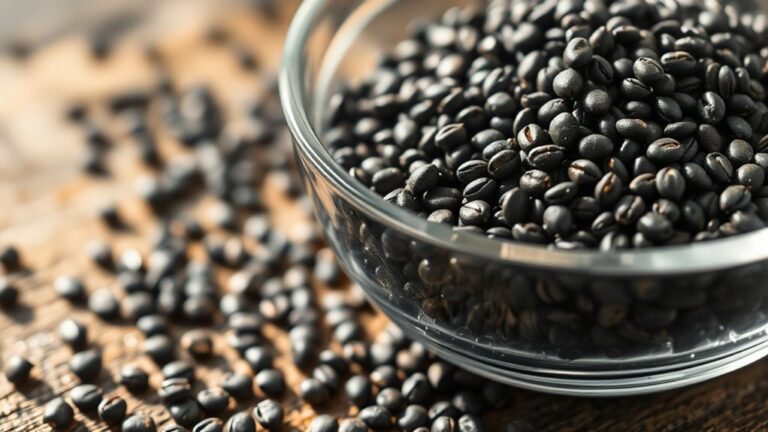
Choosing the right chia seeds starts with knowing what to look for in quality products. When buying, check for labels that specify organic or non-GMO seeds to guarantee purity. Look for dark, uniform seeds with a glossy appearance—these indicate freshness. Avoid packages with clumping or a musty smell, which can signal moisture exposure or spoilage.
Choose dark, glossy, and uniform chia seeds; avoid clumping or musty odors for freshness and quality.
Proper storage methods are essential to keep your chia seeds fresh. Keep them in an airtight container in a cool, dark place, away from sunlight and heat. This helps prevent rancidity and preserves their nutritional value over time.
Here are some helpful tips:
- Buy in small quantities if you don’t use them often to keep them fresh.
- Store seeds away from strong-smelling foods to prevent flavor transfer.
- Always reseal the package tightly after use to avoid moisture and air exposure.
Following these buying tips and storage methods will help you get the best quality chia seeds for your health.
Frequently Asked Questions
Can Chia Seeds Help Regulate Blood Sugar Levels?
Yes, chia seeds can help regulate blood sugar levels. They’re high in fiber, which slows down digestion and helps prevent blood sugar spikes after eating.
When you add chia seeds to your diet, you might notice better blood sugar control over time. Their omega-3s and antioxidants also support your overall health.
Try mixing a tablespoon of chia seeds into your smoothies, yogurt, or oatmeal for the best results.
Are There Any Side Effects of Consuming Chia Seeds Regularly?
Like a double-edged sword, chia seeds can bring benefits and potential risks. If you’re prone to chia seed allergies, you might experience allergic reactions.
Consuming too many can lead to digestive issues, such as bloating or constipation, as your body struggles to process the fiber. Moderation is key.
Keep an eye on how your body responds, and consult a healthcare professional if you notice any adverse effects.
How Much Chia Seeds Should I Eat Daily for Health Benefits?
You should aim for a daily serving of about 1 to 2 tablespoons of chia seeds. This amount gives you plenty of fiber, omega-3 fatty acids, and protein without going overboard.
Mix them into your smoothies, yogurt, or oatmeal to enjoy their health benefits. If you’re new to chia seeds, start with a smaller amount and gradually increase your intake for the best results.
Do Chia Seeds Interfere With Any Medications?
Chia seed interactions can affect medication safety, especially if you’re taking blood thinners or blood sugar medications.
The high fiber content may interfere with drug absorption or amplify effects.
It’s a good idea to check with your healthcare provider before adding chia seeds to your diet, especially if you’re on medication.
They can give you advice on safe amounts to avoid any unwanted interactions or side effects.
Can Chia Seeds Improve Skin and Hair Health?
Did you know chia seeds contain omega-3 fatty acids that can boost your skin hydration and promote hair growth?
By including chia seeds in your diet, you provide essential nutrients that nourish your skin, making it look more radiant and less dry.
They also strengthen hair strands, encouraging healthier, thicker hair. So, if you want glowing skin and luscious hair, chia seeds are a simple, natural addition to your daily routine.
Conclusion
So, now that you know chia seeds are basically tiny nutritional superheroes, it’s time to welcome their powers.
Sprinkle them on everything, from yogurt to salads, and watch your health soar—no cape required.
Just don’t forget: they’re tiny, not magic. Enjoy the benefits, but don’t expect them to turn you into a superhero overnight.
After all, even the best superfoods need your help—preferably with a spoon! Incorporating chia seeds into your diet can boost your energy, improve digestion, and support overall wellness.