Hybrid vs Pure Strains: Understanding the Key Differences
The difference between hybrid and pure strains lies in their genetic makeup and characteristics. Pure strains, also known as landrace or heirloom strains, originate from a single cannabis species and maintain consistent traits. Hybrid strains are the result of crossbreeding two or more different strains, combining traits to create new effects and characteristics.
This distinction is important because pure strains tend to have predictable effects, while hybrids offer a wide range of variations depending on the balance between their parent genetics. Understanding these differences helps consumers choose the right type for their preferences and needs whether for recreational or medicinal use.
This article will explore the biological, sensory, and practical distinctions between hybrid and pure strains. It will also cover how their cultivation, effects, and medicinal benefits vary, providing a clear framework for selecting the strain that best fits your lifestyle.
Genetic Origins of Hybrid and Pure Strains
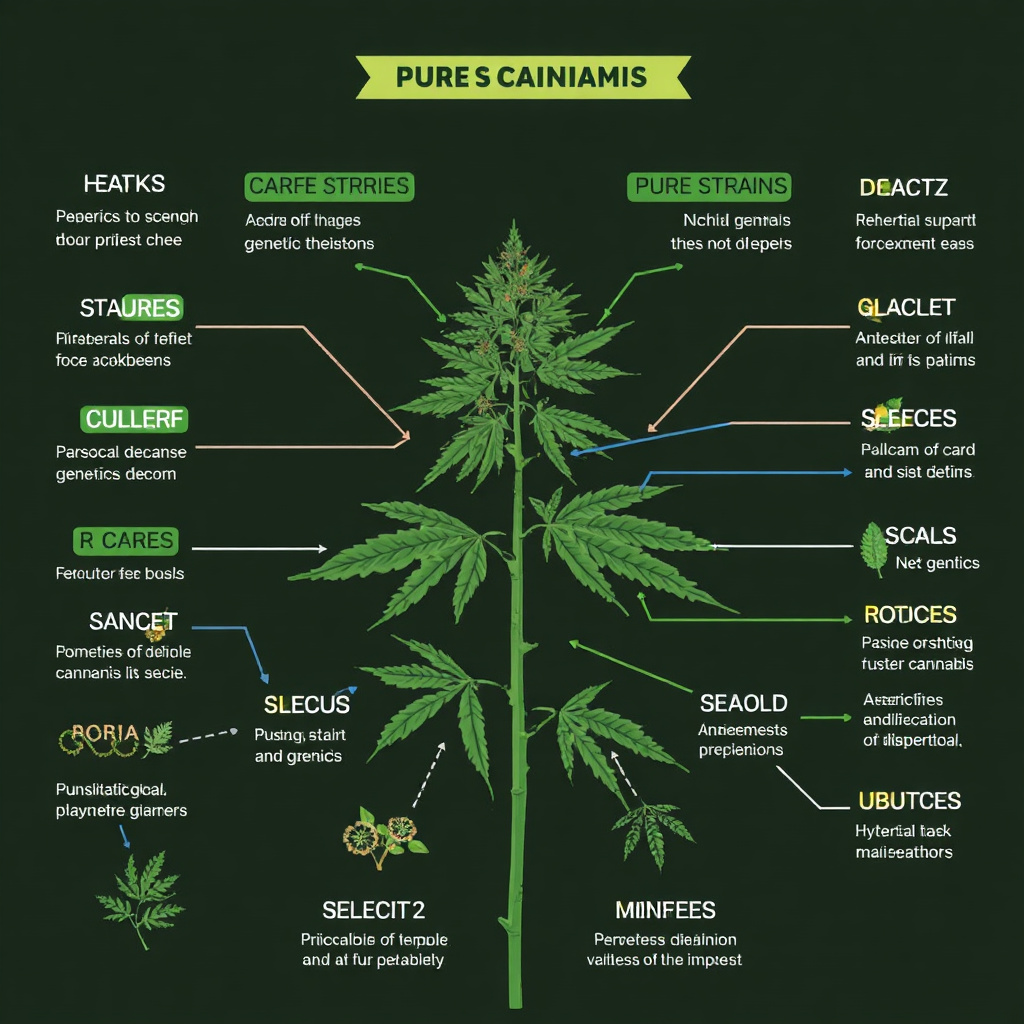
Pure Strains and Their Lineage
Pure strains, often called landrace strains, come from stable cannabis populations that evolved in specific geographic regions with minimal crossbreeding. They typically belong to one species such as Indica or Sativa and possess consistent genetic traits.
These strains have adapted over generations to local climates and soils, making their characteristics like aroma, potency, and growth pattern more stable and easier to anticipate for cultivators and users alike.
How Hybrid Strains are Developed
Hybrid strains result from intentional crossbreeding between two or more different cannabis strains, combining desirable traits like flavor, potency, and growth speed from each parent.
Breeders create hybrids to balance or enhance effects, producing strains that might be more potent or have unique terpene profiles not found in pure strains.
- Crossbreeding Indica and Sativa varieties
- Stabilizing desired traits over generations
- Creating new flavors and effects
Physical and Growth Characteristics
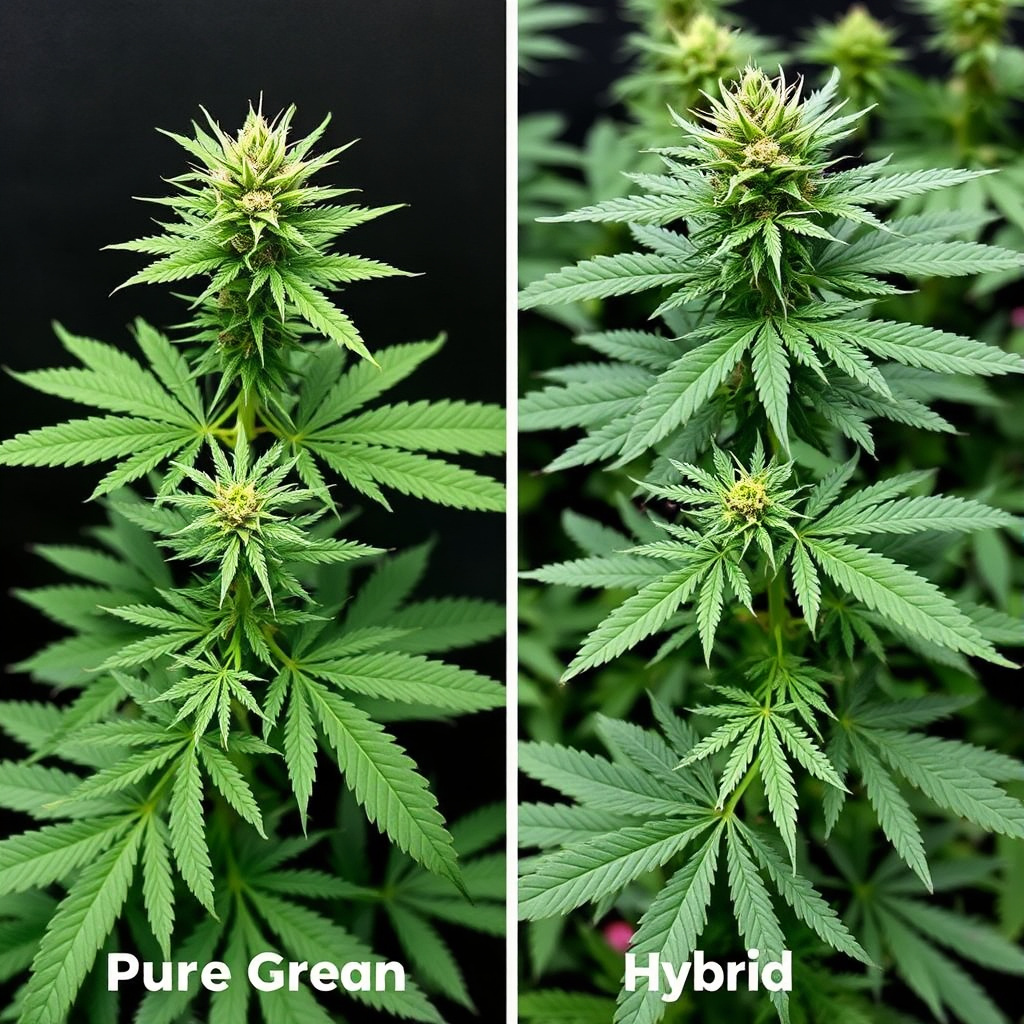
Growth Patterns of Pure Strains
Pure strains often exhibit traits linked clearly to their species origin. Indica pure strains tend to be shorter and bushier with broad leaves, while pure Sativa strains are taller with narrow leaves and longer flowering times.
Their growth cycle, yield, and environmental demands are generally well-documented, making them predictable for growers in specific climates.
Hybrid Strain Growth Versatility
Hybrids can show a mixture of growth traits inherited from their parent pure strains. Some hybrids grow quickly like Sativas yet have the denser bud formation typical of Indicas.
This versatility allows hybrids to be cultivated in wider environments and often results in different yields and flowering times depending on the dominant genetics.
- Adaptable growth in varied climates
- Variable flowering times
- Potential for higher yields
Effects and Experience Differences
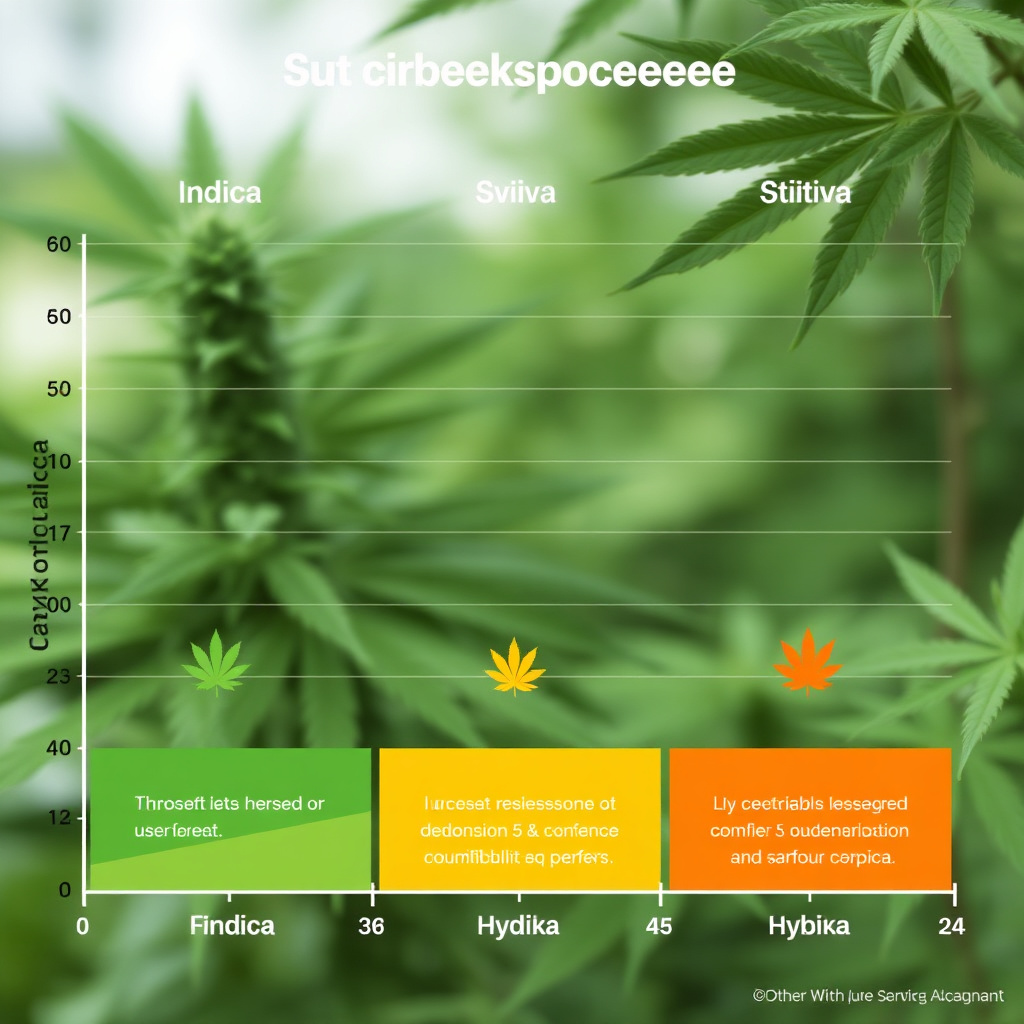
Effects of Pure Strains
Pure strains generally deliver effects aligned with their species: Indicas tend to induce relaxing, sedative sensations, while Sativas are more energizing and cerebral.
Users familiar with pure strains often rely on their predictable effects for specific purposes such as pain relief or mood enhancement.
For more on this, see our related guide: What Is a Cannabis Cultivar? Understanding Cannabis Cultivars Explained.
Hybrid Strain Effects Vary Widely
The effects of hybrid strains depend on the ratio of Indica to Sativa genetics, often providing a blend of relaxation and stimulation.
This broad spectrum allows users to find tailored experiences but can make effects less predictable compared to pure strains.
- Customizable therapeutic outcomes
- Balanced body and mind sensations
- Wide range of potency and duration
Medicinal Applications of Hybrid and Pure Strains
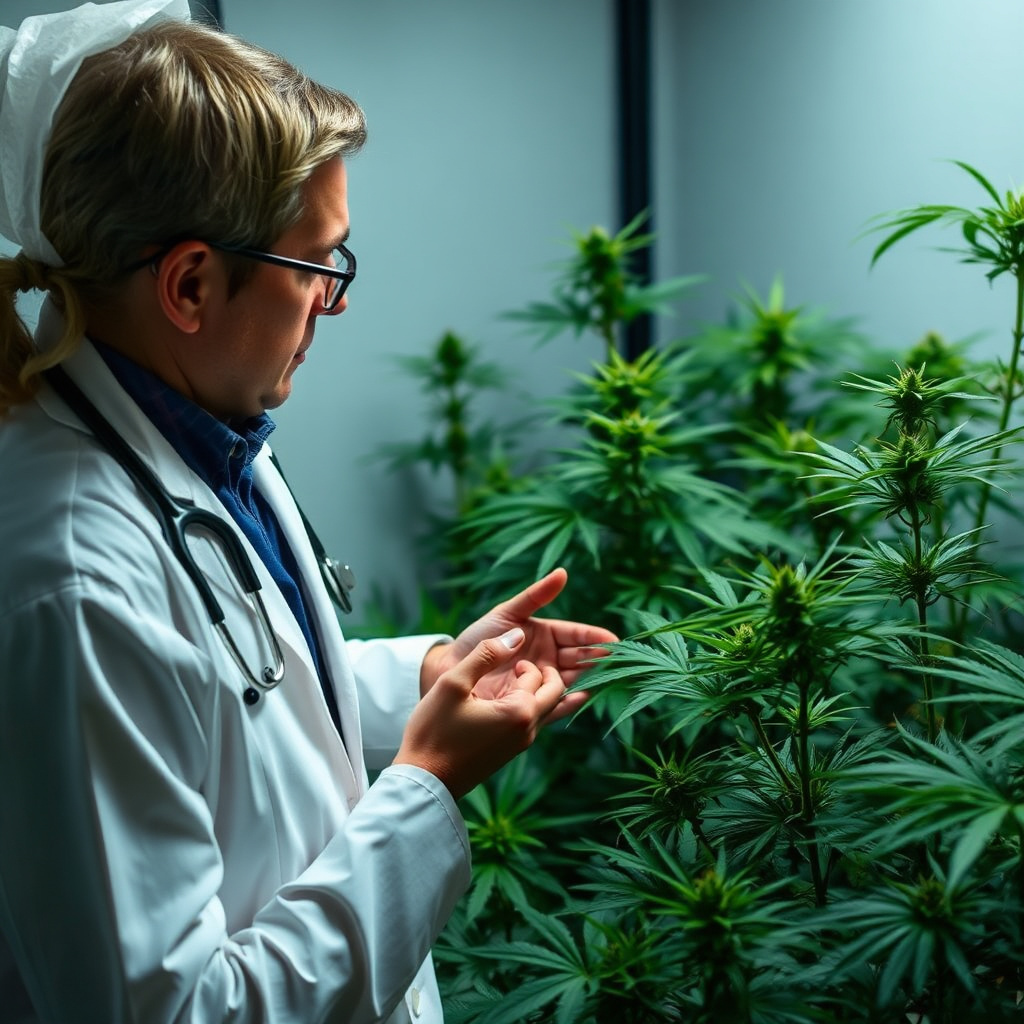
Pure Strains for Targeted Relief
Pure strains’ predictable profiles allow patients to select strains suited to distinct symptoms such as insomnia, anxiety, or inflammation.
Certain landrace strains also feature unique cannabinoid profiles beneficial in research for treating specific conditions.
Therapeutic Flexibility with Hybrids
Hybrids can offer combined benefits from Indica and Sativa parents, useful for patients needing nuanced symptom relief.
Their diverse cannabinoid and terpene content allows fine-tuning treatments, addressing complex conditions with fewer side effects.
- Symptom combination management
- Improved pain and mood modulation
- Tailored to individual patient needs
Choosing Between Hybrid and Pure Strains
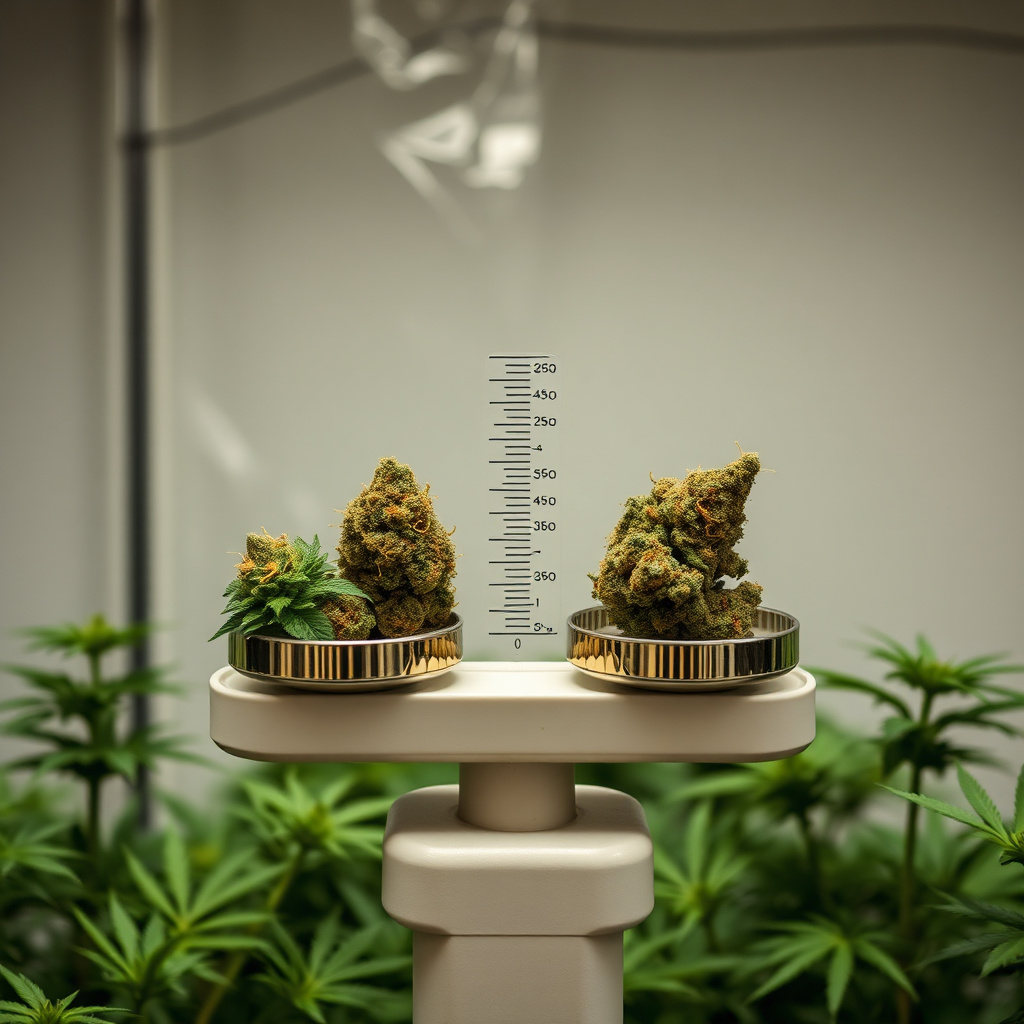
When to Opt for Pure Strains
Choose pure strains if you require consistent effects or are interested in traditional, geographically distinct strain experiences.
Growers also prefer pure strains for maintaining genetic stability and specific cultivation goals.
- Consistency in user experience
- Specific cannabinoid properties
- Heritage and cultural preference
For more on this, see our related guide: What Is Plant Breeding? Understanding the Science and Practice Behind It.
Benefits of Trying Hybrid Strains
Hybrids offer variety and experimentation, perfect for users seeking unique effects or growers needing adaptable plants.
They are often favored for recreational variety and customized medicinal uses.
- Diverse effect profiles
- Greater cultivation adaptability
- Broader flavor and aroma options
Understanding the Market and Labeling

How Pure Strains are Marketed
Pure strains are labeled by their genetic lineage and origin, sometimes emphasizing their landrace status or species specificity.
Consumers seeking transparency often look for certifications or tests verifying these claims.
For more in-depth knowledge about different cannabis strain types, visit the detailed Cannabis strain information on Wikipedia. Cannabis strain information on Wikipedia.
Hybrid Strain Labeling Challenges
Hybrid strain labels can be less precise due to complex genetics and the range of crosses involved.
Product names might emphasize parent strains or effects rather than strict genetic makeup, requiring consumer research.
- Parent strain names featured prominently
- Effect-based descriptions common
- Potential for marketing hype
Comparison of Hybrid and Pure Cannabis Strain Categories
The following table compares key aspects of pure and hybrid cannabis strains to highlight their differences clearly.
| Strain Category | Genetic Stability | Effect Predictability | Growth Characteristics | Medicinal Versatility |
|---|---|---|---|---|
| Pure Indica | High | Very Predictable | Short, bushy plants; longer flowering | Focused symptom relief |
| Pure Sativa | High | Very Predictable | Tall, slender plants; longer flowering | Energetic and mood effects |
| Indica-Dominant Hybrid | Moderate | Variable | Medium growth; balanced traits | Relaxation with mild stimulation |
| Sativa-Dominant Hybrid | Moderate | Variable | Variable growth patterns | Stimulation with light body effects |
| Balanced Hybrid | Moderate | Variable | Adaptable growth | Blend of both effect types |
Frequently Asked Questions
What defines a pure cannabis strain?
A pure cannabis strain originates from a single species lineage, typically Indica or Sativa, with consistent genetic traits and predictable effects.
Are hybrid strains less potent than pure strains?
Not necessarily; hybrids can be bred for potency and often combine the strengths of parent strains, sometimes surpassing pure strains in cannabinoid content.
Can pure strains be harder to grow?
Pure strains may require more specific environmental conditions matching their native habitat, making cultivation more challenging than some hybrids.
How do hybrids affect medical treatment?
Hybrids provide versatile medicinal benefits, allowing patients to target multiple symptoms with combined effects not always present in pure strains.
Is the labeling of hybrid strains reliable?
Labeling can vary widely since hybrids often involve complex genetics; consumers should research parent strains and effects for clarity.
Key Takeaways
- Pure strains maintain stable, predictable genetics from a single cannabis species.
- Hybrid strains combine traits from multiple strains for varied effects and growth.
- Effect predictability is higher in pure strains but hybrids offer tailored experiences.
- Choosing depends on user goals, from consistent outcomes to diverse therapeutic needs.
Conclusion
Deciding between hybrid and pure strains involves weighing predictability against diversity. Pure strains provide a dependable experience for those wanting consistent effects anchored in traditional genetics. Hybrids, by merging multiple genetic lines, present a broader palette of sensations and cultivation options. Understanding these factors helps users and cultivators select strains aligned with their preferences and requirements.
For users prioritizing stable effects for medical or recreational reasons, exploring pure Indica or Sativa strains is ideal. Conversely, those open to experimentation or requiring complex symptom management may find hybrid strains more fitting due to their varied cannabinoid and terpene profiles. Growers in varying climates might also benefit from hybrid versatility when selecting plants adaptable to different environments.
Practical next steps include reviewing strain information carefully at dispensaries or seed banks, consulting with knowledgeable professionals, and considering personal responses to specific strains. This strategy ensures that whether choosing a pure or hybrid strain, the decision supports both lifestyle and medicinal needs effectively.