What Benefits Do You Get From Eating Pomegranate Seeds?
Many people struggle with finding simple, tasty ways to boost their health without feeling overwhelmed. If you’re looking for an easy addition to your diet that packs a punch, pomegranate seeds are a fantastic choice.
Eating pomegranate seeds gives you a rich dose of antioxidants, vitamins, and fiber that support your overall health. They help reduce inflammation, improve heart health by boosting blood flow, and lower cholesterol oxidation, which can protect against heart disease.
Plus, they promote glowing skin and better digestion. Incorporating them into your diet is easy and tasty, and there’s even more benefits worth uncovering as you investigate further.
Key Takeaways
- Rich in antioxidants that protect cells from damage and help reduce inflammation.
- Supports heart health by improving how blood vessels work and lowering LDL cholesterol oxidation.
- Provides essential nutrients like vitamins C, K, and B vitamins, which boost overall wellness.
- Aids digestion by increasing enzyme production and nourishing good gut microbes.
- Promotes healthier, glowing skin through better hydration and moisture retention.
What Are Pomegranate Seeds and Why Are They Good for You?
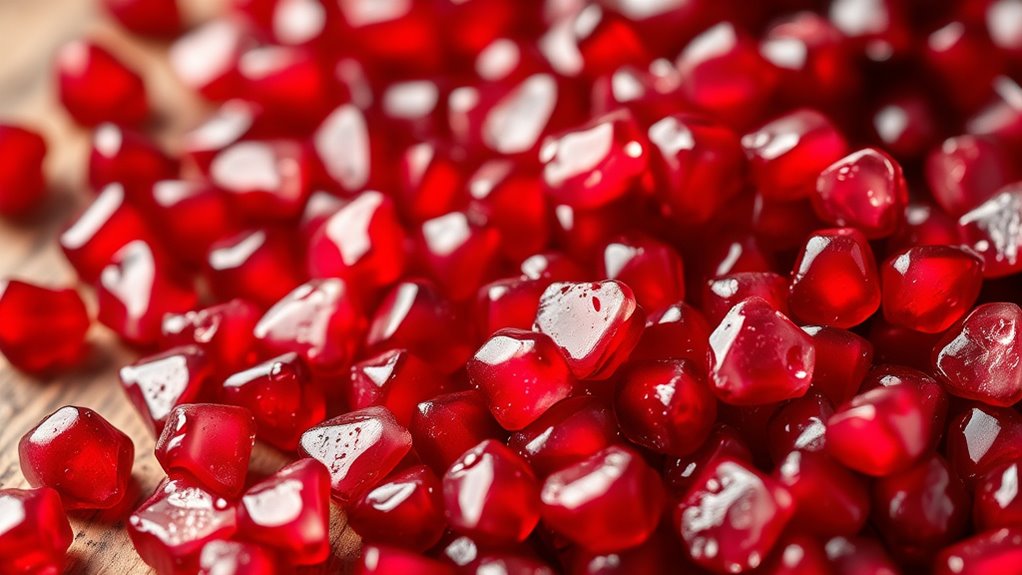
Pomegranate seeds are the small, jewel-like arils found inside a pomegranate fruit, each bursting with juicy, sweet-tart flavor. These seeds pack a punch of pomegranate benefits, offering antioxidants, fiber, and nutrients.
When exploring seed varieties, you’ll find that each type varies slightly in taste and size, but all provide health-boosting properties. Some seeds are plump and juicy, perfect for eating raw or adding to dishes, while others might be smaller but similarly flavorful.
By eating pomegranate seeds, you can enjoy their natural power to fight inflammation, support heart health, and boost immunity. They’re versatile and easy to include in salads, yogurt, or smoothies.
Because of their rich profile, pomegranate benefits go beyond just flavor—they can help improve overall wellness. Whether you like seeds that are sweeter or more tart, including them in your diet can make a positive difference in your health.
Nutritional Benefits of Pomegranate Seeds
Pomegranate seeds are full of antioxidants, which are great because they help protect your cells from damage. That means your body can stay healthier and work better overall.
They’re also a good source of dietary fiber, which is awesome for your digestion. Plus, fiber helps you feel full for longer, so it’s a nice bonus if you’re trying to watch your appetite.
And let’s not forget, these seeds are packed with essential vitamins that can give your overall health a nice boost. So, enjoying pomegranate seeds is a tasty way to take care of your body!
Rich in Antioxidants
Because they’re packed with powerful compounds, pomegranate seeds are considered a rich source of antioxidants. These include polyphenols and flavonoids, which help neutralize free radicals in your body, protecting your cells from damage.
This antioxidant property plays an essential role in reducing inflammation and lowering the risk of chronic diseases like heart disease and cancer. When you include pomegranate seeds in your diet, you support your immune system and promote healthy aging.
Their high antioxidant content makes them an excellent natural defense against oxidative stress, helping you stay healthier longer. Incorporating these seeds into your meals provides a simple, tasty way to naturally strengthen your body’s defenses.
High in Dietary Fiber
Building on their antioxidant benefits, pomegranate seeds also provide a significant amount of dietary fiber, which is important for your digestive health.
As a rich fiber source, these seeds help regulate bowel movements and prevent constipation. The fiber in pomegranate seeds adds bulk to your stool, making waste easier to pass.
This supports your digestive system and can reduce the risk of digestive issues. Including pomegranate seeds in your diet is an easy way to naturally boost your fiber intake.
Their fiber complements other sources in your diet, helping maintain healthy digestion. Regular consumption can lead to better gut health and overall well-being.
Packed With Vitamins
Since they are rich in essential vitamins, pomegranate seeds give a strong boost to your overall nutrition. These seeds are great sources of vitamins C, K, and several B vitamins that support how your body functions.
Vitamin C helps boost your immune system, helping you fight off illnesses. Vitamin K is vital for blood clotting and bone health, while B vitamins support energy production and brain function.
Eating pomegranate seeds regularly can help fill nutritional gaps and keep your immune system strong. Their vitamin content makes them a smart addition to a balanced diet.
Do Pomegranate Seeds Fight Inflammation Naturally?
Pomegranate seeds are known for their natural anti-inflammatory properties, which can actually help your body combat inflammation. They’re packed with antioxidants, and these compounds support your body’s defenses by protecting your cells from damage. So, when you include pomegranate seeds in your diet, you might be able to reduce chronic inflammation and boost your overall health.
Natural Anti-Inflammatory Properties
Many believe that pomegranate seeds have natural anti-inflammatory properties, making them a powerful addition to your diet. These seeds contain compounds that help reduce inflammation in your body.
Chronic inflammation is linked to many health issues, like heart disease and arthritis. Eating pomegranate seeds may support your efforts to prevent these conditions.
The bioactive substances in the seeds, such as punicalagins and anthocyanins, actively fight inflammatory responses. Regularly consuming pomegranate seeds can help your body manage inflammation more effectively.
Their natural anti-inflammatory qualities make them a smart, healthful choice for maintaining overall wellness and preventing inflammation-related chronic conditions.
Rich in Antioxidants Benefits
The powerful antioxidants in pomegranate seeds play a big role in supporting your health. They help neutralize free radicals and protect your cells from damage.
This cellular protection is key for maintaining overall health and preventing disease. By including pomegranate seeds in your diet, you’re helping your body fight oxidative stress more effectively.
Here are four ways they help:
- Neutralize harmful free radicals
- Protect your cells from oxidative damage
- Support healthy aging
- Boost your immune system naturally
Reduces Chronic Inflammation
Since chronic inflammation is linked to many health problems, finding natural ways to reduce it is important. Pomegranate seeds contain powerful anti-inflammatory compounds that can help fight inflammation naturally. These compounds work by neutralizing free radicals and lowering the production of inflammatory molecules in your body.
Eating pomegranate seeds regularly can help prevent chronic diseases like heart disease and arthritis. By targeting inflammation at its source, you may lower your chances of developing long-term health issues. Including pomegranate seeds in your diet is an easy, natural way to boost your overall health and reduce inflammation without relying on medications.
How Pomegranate Seeds Support Heart Health
Pomegranate seeds are packed with powerful antioxidants that actively support your heart health. These nutrients help protect your cardiovascular system by reducing oxidative stress and inflammation, which are key factors in heart disease.
Eating pomegranate seeds regularly can bring several benefits for your heart. They help lower blood pressure by improving how your blood vessels function.
They also reduce the oxidation of LDL cholesterol, which decreases plaque buildup in your arteries. Plus, they improve blood flow and circulation.
Regular consumption can even decrease the risk of arterial damage, helping keep your heart healthier overall.
Can Pomegranate Seeds Improve Your Skin Glow and Elasticity?
Building on the benefits for your heart, pomegranate seeds also offer impressive advantages for your skin’s glow and elasticity. The antioxidants in these seeds help combat free radicals, which can speed up skin aging and cause dullness.
Consuming pomegranate seeds boosts skin hydration by improving moisture retention, leaving your skin feeling plump and supple. They’re also rich in vitamin C, an essential nutrient for collagen production.
Collagen is key to maintaining the skin’s firmness and elasticity, helping to prevent sagging and fine lines. Regular intake of pomegranate seeds can support your skin’s natural renewal process for a more youthful, radiant look.
Plus, their anti-inflammatory properties can reduce redness and irritation, leading to clearer, healthier skin. Adding these seeds to your diet is a simple way to nourish your skin from within and boost its glow and resilience over time.
How Pomegranate Seeds Aid Digestion and Gut Health
Eating pomegranate seeds can really give your digestion a boost. They help your body produce more digestive enzymes, which makes breaking down food a lot easier. That means less discomfort after meals and a happier tummy overall.
Plus, those little seeds have anti-inflammatory properties that can calm down any irritation in your gut. This can help prevent bloating and other digestive discomforts. And on top of that, they support the growth of good bacteria in your gut, helping keep everything balanced and working smoothly.
Promotes Digestive Enzymes
Because of their rich antioxidant content, pomegranate seeds can really boost your digestive health by encouraging the production of key enzymes. These seeds help activate enzymes, making it easier for your body to break down food and absorb nutrients.
When you add pomegranate seeds to your diet, you’re supporting overall digestion. Here’s how they make a difference:
- They boost the secretion of digestive enzymes like amylase and lipase.
- They help break down carbs and fats more effectively.
- They promote smoother digestion and can reduce discomfort.
- They increase gut enzyme activity, which helps your body absorb nutrients better.
Reduces Gut Inflammation
As pomegranate seeds boost digestive enzyme activity, they also help calm gut inflammation. Their strong antioxidants reduce inflammation markers, making your gut less irritated.
By supporting a healthy gut microbiome, these seeds create a better environment where harmful bacteria find it harder to thrive. This helps lower inflammation, easing discomfort and preventing issues like bloating and cramping.
The polyphenols in pomegranate seeds target inflammatory pathways, assisting your body in managing and reducing gut inflammation naturally. Adding them to your diet can improve gut health and provide a protective effect.
Supports Healthy Bacteria
Pomegranate seeds contain compounds that actively promote the growth of beneficial gut bacteria, which are essential for good digestion. Supporting your gut microbiome helps boost probiotic effects, leading to better digestion and overall gut health. When you eat these seeds, you’re helping create a balanced environment where good bacteria thrive.
Here’s how they support healthy bacteria:
- Supply polyphenols that nourish beneficial microbes
- Help increase diversity in your gut microbiome
- Reduce harmful bacteria that disrupt digestion
- Strengthen the gut’s natural defenses against inflammation
Adding pomegranate seeds to your diet can improve your gut’s microbial balance, making digestion smoother and supporting long-term gut health.
Antioxidants in Pomegranate Seeds and Their Role in Your Health
The vibrant seeds are packed with powerful antioxidants that support your health. These antioxidants help neutralize harmful free radicals, reducing oxidative stress and supporting cellular health.
This protection allows your body to work more efficiently, improving overall wellness. Plus, antioxidants in pomegranate seeds help your body absorb nutrients better, making the most of your food.
They also promote healthier skin, reduce inflammation, and may lower the risk of chronic diseases. Here’s a quick look at some key antioxidants found in pomegranate seeds:
| Antioxidant | Benefit |
|---|---|
| Ellagic Acid | Combats oxidative stress and supports cell repair |
| Anthocyanins | Reduce inflammation and improve circulation |
| Vitamin C | Boosts immune system and supports cellular health |
| Punicalagins | Protects cells and enhances nutrient absorption |
| Flavonoids | Promote heart health and reduce inflammation |
Easy Ways to Add Pomegranate Seeds to Your Diet
Adding pomegranate seeds to your diet is simple and versatile. You can enjoy their tangy flavor in many ways that fit into your daily routine.
- Sprinkle them over yogurt or oatmeal for a burst of color and nutrition.
- Mix them into your favorite smoothies for extra antioxidants and flavor.
- Use them as a topping for salads to add a juicy crunch.
- Incorporate them into snack ideas like trail mixes or cheese platters for a healthy twist.
These quick options make it easy to enjoy the health benefits of pomegranate seeds without much effort. Whether you’re craving a revitalizing snack or want to boost your meals, adding seeds is simple. They blend well into many dishes and can elevate both taste and nutrition.
Keep a small container on hand to sprinkle over your meals or blend into smoothies for a consistent health boost.
Are There Any Risks or Side Effects of Eating Pomegranate Seeds?
While adding pomegranate seeds to your diet has many health perks, it’s good to know about some potential risks or side effects. Some people might be allergic, experiencing symptoms like itching, swelling, or trouble breathing.
Eating too many seeds can also upset your stomach, causing discomfort like stomach ache or diarrhea. Plus, the seeds contain tannins, which might block nutrient absorption if you eat them in large amounts.
| Risk/Side Effect | Description | Who’s at Risk? |
|---|---|---|
| Pomegranate allergies | Reactions like itching or swelling | Allergic individuals |
| Digestive issues | Upset stomach or diarrhea from seeds | Those with sensitive stomachs |
| Interference with nutrients | Tannins can affect mineral absorption | High seed consumers |
Listening to your body and talking to a healthcare professional if needed can help you enjoy pomegranate seeds safely.
How Do Pomegranate Seeds Compare to Other Superfoods?
Ever wondered how pomegranate seeds compare to other popular superfoods? When you look at their benefits alongside blueberries, chia seeds, or acai berries, you’ll see each offers something unique.
- Antioxidants: Pomegranate seeds are packed with powerful antioxidants that fight free radicals, similar to acai berries but with a different set of phytochemicals.
- Heart Health: They help improve cholesterol levels and support heart health, much like chia seeds’ omega-3s do.
- Anti-Inflammatory Effects: Pomegranate benefits include reducing inflammation, making them stand out compared to superfoods like turmeric.
- Nutrient Density: While foods like spirulina are super dense in nutrients, pomegranate seeds are a tasty, fiber-rich option with a sweet tang.
Frequently Asked Questions
Can Pomegranate Seeds Help With Weight Loss Efforts?
Yes, pomegranate seeds can support your weight loss efforts. They are low in calories and high in fiber, which helps you feel full longer and reduces overeating.
Furthermore, pomegranate seeds contain antioxidants that may boost metabolism. Incorporating these seeds into your diet can improve fat burning and digestion.
Are Pomegranate Seeds Safe for Children to Consume?
You might wonder if pomegranate seeds are safe for children, and generally, they are, thanks to their impressive nutritional value. However, only about 1% of children have allergy concerns with pomegranates, so watch for reactions like itching or swelling.
Always introduce new foods gradually, and it’s a good idea to consult a pediatrician if your child has allergies or sensitivities. Pomegranate seeds can be a healthy, tasty snack when given safely.
How Much Pomegranate Seeds Should I Eat Daily?
You should aim for about half a cup of pomegranate seeds daily, which is roughly 100 grams. This amount gives you plenty of antioxidants and nutrients without going overboard.
Stick to your daily intake to enjoy the health benefits while avoiding any potential side effects like stomach discomfort. Incorporate the seeds into your diet regularly for the best results.
But remember, moderation is key. Eating the right amount can help you enjoy all the benefits without any issues.
Do Pomegranate Seeds Affect Blood Sugar Levels?
Pomegranate seeds can influence blood sugar management, but their impact varies. They contain natural sugars, so eating large amounts might cause spikes, especially if you’re sensitive.
However, their antioxidant effects help protect your cells and improve overall health. Moderation is key—enjoying a handful of seeds daily can support your health without disrupting blood sugar levels, acting like tiny guardians for your wellness.
Can Pomegranate Seeds Interact With Medications?
Pomegranate seeds can interact with medications, affecting how well they work. You might notice interactions with blood thinners or medications for blood pressure because the fruit’s compounds can change their effects.
It’s really important to check with your healthcare provider before adding pomegranate seeds to your diet, especially if you’re on medication. This helps prevent unexpected effects and keeps your treatment safe.
Conclusion
Eating pomegranate seeds offers incredible health benefits, like fighting inflammation, boosting heart health, and improving your skin. Despite their powerful nutrients, they’re easy to include in your diet.
You get the energy of antioxidants and natural support, all packed into a small seed. So, embrace this fruit’s gifts and enjoy their sweet tang.
In a world full of processed options, a handful of pomegranate seeds can really boost your well-being. And that’s something truly priceless.