What Makes Seed Oils Bad for Your Health?
Are you trying to eat healthier but feel overwhelmed by the many food choices and confusing health advice? You’re not alone. Many people struggle with understanding which ingredients are truly good for them, especially when it comes to cooking oils.
Seed oils are often bad for your health because they contain high levels of omega-6 fatty acids, which can promote inflammation when consumed in excess.
The refining process may leave chemical residues and remove nutrients, making them less healthy.
Moreover, their low heat stability causes harmful oxidation products when cooked at high temperatures.
If you want to understand more about how these oils impact your health and find better alternatives, keep exploring.
Key Takeaways
- High in omega-6 fatty acids, which can promote inflammation when eaten in excess.
- The processing methods often leave behind harmful residues, trans fats, and oxidation products.
- Refining strips away beneficial nutrients and can introduce chemical additives and solvents.
- Seed oils don’t handle high heat well, increasing the chances of creating harmful compounds during cooking.
- Relying too much on seed oils can throw off your healthy fat balance and may lead to chronic diseases.
What Are Seed Oils and How Are They Made?
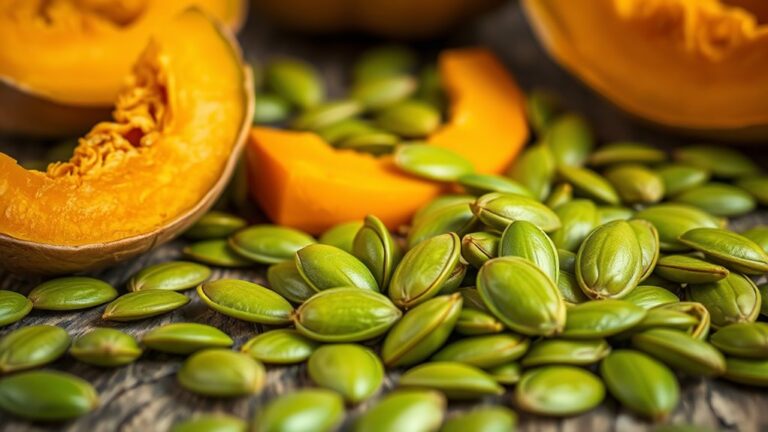
Seed oils are plant-based oils extracted from the seeds of various fruits and plants, such as soybeans, sunflowers, and canola. Their origins go back to agricultural processes where seeds are harvested specifically for oil production.
Extraction methods can differ, but most often they involve pressing or using chemicals. Cold pressing applies mechanical pressure to squeeze out the oil, which helps preserve some nutrients and flavors. Solvent extraction uses chemicals like hexane to dissolve the oil from the seeds.
After extraction, the oil is usually refined. This step removes impurities, odors, and color, leaving a clear, stable oil that’s perfect for cooking and industrial uses. Understanding how seed oils are made helps you see their impact on health and how they fit into your diet.
Why Do Seed Oils Have a High Omega-6 Content?
Seed oils naturally have a high omega-6 content because of the seeds they come from. When they’re extracted and refined, these oils tend to keep their original omega-6 levels pretty much intact. So, even before any processing, seeds already contain a good amount of these fats.
That means that the oils you get from them end up with a lot of omega-6s in them, which can affect your diet. It’s just how they’re made and what’s naturally in the seeds to begin with.
Extraction and Refinement Process
During the extraction and refinement process, oils are often subjected to high heat, chemical solvents, and bleaching agents to improve shelf life and appearance. This process can degrade the oil’s natural nutrients and alter its chemical structure, making it more vulnerable to oxidation.
Cold pressing is a method that preserves more of the oil’s natural composition, resulting in better stability and fewer chemical residues. Most refined seed oils, however, are produced using heat and chemicals that strip away beneficial compounds.
These refinement steps can lead to higher levels of omega-6 fatty acids and make the oil less stable over time. This increases the risk of rancidity and reduces the oil’s nutritional quality.
Natural Omega-6 Levels
Many seed oils naturally contain high levels of omega-6 fatty acids because of the plants they come from. These sources, like sunflower, soybean, and corn, produce seeds rich in omega-6 as part of their growth process.
While omega-6 fatty acids are essential for your health, consuming too much can cause imbalance, increasing inflammation and health risks.
The high omega-6 content in seed oils affects your diet, especially since these oils are common in processed foods. When you regularly use seed oils, you might unintentionally tip the omega-6 to omega-3 ratio, which can harm overall health.
Understanding their natural composition helps you make better choices about how much seed oil fits into a balanced diet.
How Processing Affects Seed Oil Quality and Health Risks
Processing methods really affect seed oil quality and the health risks that come with eating them. How the oil is extracted and refined can change its composition, which influences nutrition and health concerns.
Cold pressing keeps more nutrients intact, while chemical extraction can leave residues and damage the oil’s fatty acids. Refining can remove good compounds and increase things like trans fats or oxidation products, raising health worries.
These changes affect how good the oil is for cooking, especially at high heat, which can make its nutritional value worse. Understanding these factors helps you pick healthier seed oils for your diet.
Are Seed Oils Linked to Inflammation and Chronic Diseases?
Research suggests that eating large amounts of seed oils might promote inflammation in your body. This inflammation is a key factor in developing many chronic diseases.
These oils contain triggers like high omega-6 fatty acids, which can upset your body’s omega balance. Poor fatty acid ratios often come from processed snacks, fried foods, and baked goods.
This imbalance may increase inflammation and raise the risk of health issues like heart disease and diabetes. Lifestyle factors such as lack of exercise and poor diet can make these effects worse.
To lower inflammation and related risks, try choosing whole, unprocessed foods and balancing your omega intake. Understanding how seed oil consumption links to chronic diseases highlights the importance of mindful eating for your long-term health.
How Seed Oils Disrupt Your Body’s Omega-3 and Omega-6 Balance
Did you know that seed oils can actually throw off the balance of essential fatty acids in your body? It’s a little surprising, but this imbalance can lead to more inflammation and mess with your normal bodily functions.
Getting a handle on how seed oils influence your omega-3 and omega-6 levels is really important if you want to keep your health on track.
Imbalance of Essential Fatty Acids
Seed oils, which are rich in omega-6 fatty acids, often upset the delicate balance between omega-3 and omega-6 in your body. This imbalance can affect your fatty acid ratios, which are essential for good health.
When your diet includes too much seed oil, the high omega-6 intake skews these ratios and overshadows omega-3s from sources like fatty fish, flaxseeds, and walnuts. The table below shows typical dietary sources and their fatty acid profiles:
| Dietary Source | Omega-3 Content | Omega-6 Content |
|---|---|---|
| Fatty Fish | High | Low |
| Seed Oils | Low | Very High |
| Nuts & Seeds | Moderate | Moderate |
Eating too many seed oils can lower omega-3 levels, which may lead to potential health issues.
Impact on Inflammatory Responses
When the balance between omega-3 and omega-6 fatty acids gets thrown off by too much seed oil, your body’s inflammatory responses can go into overdrive. Seed oils are packed with omega-6 fats, which can trigger inflammation when eaten in large amounts.
This imbalance shifts your immune system’s response, making it more likely to stay in a state of chronic inflammation. Instead of helping with healing, this heightened inflammation can actually harm tissues.
It can also contribute to health problems like heart disease, arthritis, and metabolic issues. Your body needs the right ratio of omega-3s to omega-6s to keep inflammation in check.
When seed oils take over, they encourage a pro-inflammatory environment. This disrupts your body’s natural ability to control inflammation, raising the risk of long-term health issues.
Hidden Chemicals and Additives in Commercial Seed Oils
Despite their popularity, many commercial seed oils contain hidden chemicals and additives that can impact your health. During processing, chemical residues and refining agents often stay in the oil, raising concerns about potential health risks.
Synthetic additives like flavor boosters and preservatives are sometimes added to improve taste and shelf life. However, they may lead to adverse reactions over time.
Processing solvents are used to extract oil efficiently, but traces can linger, contributing to contamination. These chemicals can cause nutritional degradation, stripping away beneficial nutrients and leaving behind harmful compounds.
The presence of preservatives and additives also increases the risk of health issues like inflammation or allergies. As a consumer, you might not see or taste these chemicals, but they can accumulate and negatively affect your well-being.
Being aware of these hidden chemicals helps you make more informed choices about the seed oils you use daily.
Which Fats Are Safer for Cooking: Seed Oils or Alternatives?
Are seed oils truly the safest option for cooking, or are there better alternatives? When choosing fats for cooking, think about fat stability—how well a fat holds up under heat without breaking down.
Some alternative fats offer better stability and healthier profiles. Here’s a quick comparison:
| Fat Type | Best Uses & Stability |
|---|---|
| Extra Virgin Olive Oil | Great for low to medium heat; packed with antioxidants |
| Coconut Oil | Very stable; perfect for high heat cooking |
| Avocado Oil | Extremely stable; ideal for high heat and frying |
| Butter | Good for moderate heat; offers beneficial fats |
Picking fats with higher smoke points and better heat tolerance helps ensure safer, healthier cooking. Seed oils tend to have lower stability, making them less suitable for high-temperature cooking.
Should You Cut Back on Seed Oils? Tips to Reduce Your Intake
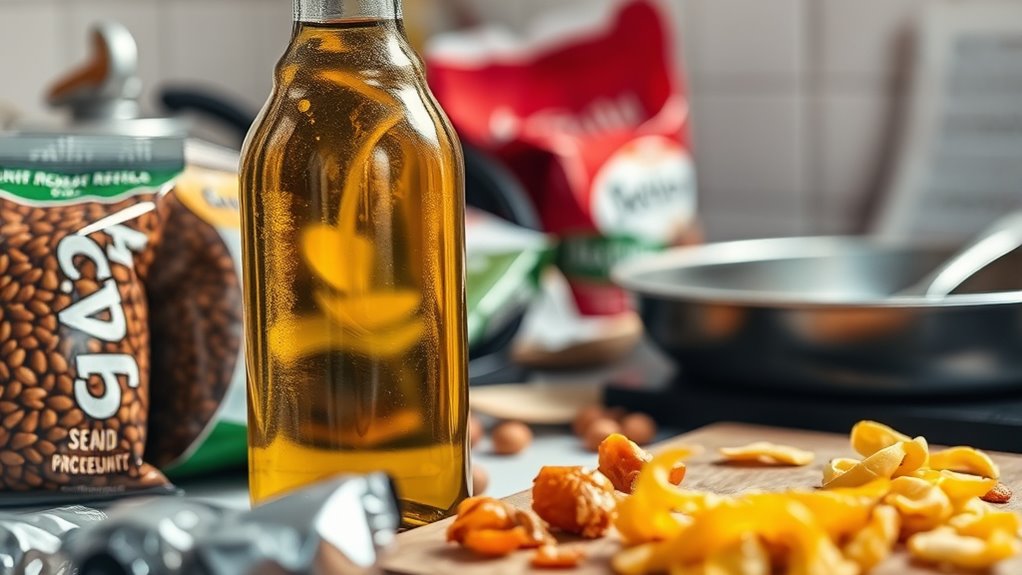
Considering how commonly seed oils are used in processed foods and cooking, it’s worth thinking about whether you should cut back on them. Reducing your intake can help minimize potential health effects linked to these oils, like inflammation and oxidative stress.
To start, read labels carefully and choose whole, unprocessed foods whenever possible. Swap seed oils for healthier fats such as olive oil, avocado, or coconut oil for cooking and dressings.
Opt for whole, unprocessed foods and swap seed oils for olive, avocado, or coconut oil.
Cooking at home allows you to control ingredients and avoid hidden seed oils in processed snacks and fast food. Incorporate more nuts, seeds, and fatty fish into your diet to boost your healthy fat intake naturally.
Making these dietary changes can improve your overall health and reduce the risks associated with excessive seed oil consumption. Small, consistent adjustments in your eating habits can lead to meaningful health benefits over time.
What Do Experts Say About the Health Risks of Seed Oils?
Experts have raised concerns about the potential health risks of seed oils, pointing out their high levels of omega-6 fatty acids. When consumed in excess, these fats can promote inflammation.
Many health professionals believe this imbalance may contribute to chronic conditions like heart disease and arthritis. They emphasize the importance of maintaining a healthy fat balance in your diet.
Expert opinions highlight several key points. First, too much omega-6 can disrupt the balance with omega-3s, leading to increased inflammation. Second, seed oils often go through refining processes that can produce harmful compounds.
Regular consumption of seed oils may negatively affect your overall health and raise the risk of disease. Some studies also suggest a link between seed oils and oxidative stress, which can damage cells.
While research is ongoing, many health experts recommend moderation or choosing healthier fats. Being aware of these health implications can help you make better dietary choices and reduce potential risks linked to seed oils.
Healthier Cooking Fats You Can Use Instead of Seed Oils
Because many seed oils are highly processed and rich in omega-6 fatty acids, switching to healthier fats can greatly improve your diet. Consider alternatives like extra virgin olive oil, coconut oil, or avocado oil—they are excellent cooking oils with notable fat benefits.
These healthy options provide better fat sources and support balanced nutrition tips. For different cooking methods, choose oils that withstand heat well, such as coconut or avocado oil, while extra virgin olive oil is great for salads and low-heat dishes.
Incorporate a variety of oil types to maximize nutrient intake and support your dietary choices. Here’s a quick comparison:
| Oil Type | Best Uses | Fat Benefits |
|---|---|---|
| Olive Oil | Dressings, sautéing | Rich in monounsaturated fats |
| Coconut Oil | Baking, frying | Contains medium-chain triglycerides |
| Avocado Oil | High-heat cooking, roasting | Heart-healthy monounsaturated fats |
| Flaxseed Oil | Drizzling, smoothies | Omega-3 fatty acids |
| Walnut Oil | Salad dressings | Omega-3s, antioxidants |
Frequently Asked Questions
Are All Seed Oils Equally Unhealthy or Are Some Safer Than Others?
Not all seed oils are equally unhealthy; some are safer than others. It’s important to look at their nutritional differences and how they’re processed.
Oils like flaxseed and extra virgin olive oil keep more nutrients because they’re less processed, making them healthier choices.
On the other hand, heavily processed seed oils with high omega-6 levels can promote inflammation.
Choosing minimally processed oils with balanced fatty acids can help you make smarter dietary choices.
Can Consuming Seed Oils in Moderation Still Pose Health Risks?
Consuming seed oils in moderation can still pose health risks because of their nutrient makeup and potential effects. Even small amounts might contribute to inflammation or oxidative stress over time, especially if your overall diet isn’t balanced.
While eating them in moderation reduces immediate danger, it’s important to think about how seed oils fit into your overall eating habits. Their high omega-6 content can impact your long-term health.
How Can I Identify High-Quality Seed Oils on Store Shelves?
Did you know that only about 25% of seed oils on store shelves are truly high-quality? To find the best options, check labels for cold-pressed, unrefined oils.
Look for transparent sourcing practices, too. High-quality seed oils usually have minimal processing and keep more health benefits like antioxidants.
Prioritize brands that disclose sourcing details. This way, you can be sure you’re choosing oils made from non-GMO seeds grown with sustainable practices.
Do Seed Oils Affect Weight Gain or Fat Storage?
Seed oils can influence weight gain and fat storage, especially if you eat a lot of them. They might affect your metabolism by promoting inflammation and insulin resistance. This can make it harder to lose weight.
If you regularly include large amounts of seed oils in your diet, shedding excess weight may become more difficult. To support weight loss, try reducing your intake of seed oils.
Focus on healthier fats that can boost your metabolism and improve your overall health. Making these changes can help you reach your weight goals more effectively.
Are Organic Seed Oils Healthier Than Conventional Ones?
Organic seed oils are like a clearer window into quality; they often retain more nutrients and have fewer pesticides. You might think they’re healthier, and in many health comparisons, they do offer benefits like fewer chemical residues.
However, both organic and conventional seed oils can contain similar unhealthy fats and omega-6s. Choosing organic can be a better option, but it’s important to look at your overall diet, not just the oil.
Conclusion
If you want to protect your health, cutting back on seed oils is a must. You’re not just making a small change, you’re potentially avoiding a health catastrophe.
By choosing better fats, you can steer clear of silent inflammation and chronic diseases hiding behind those seemingly innocent bottles.
Don’t let seed oils hijack your well-being. Take control now because your body deserves the best fuel for a thriving, vibrant life.